Carpet & Flooring
Modern Rugs for Singapore Homes: Styles and Materials
What Makes a Rug Modern
Modern rugs are defined less by a single aesthetic and more by their departure from traditional rug conventions. Where classic rugs feature ornate borders, symmetrical medallions, and muted palettes, modern rugs embrace abstract patterns, bold colour blocking, irregular shapes, and textural experimentation.
For Singapore homes, modern rugs serve both decorative and functional roles. They define zones in open-plan layouts, add warmth to tile and vinyl flooring, dampen sound in high-rise apartments, and protect floors from furniture marks. A well-chosen rug can transform a room’s character without the commitment or cost of replacing the floor.
The best modern rugs balance visual impact with practicality. In Singapore’s climate, this means selecting materials that handle humidity, are easy to clean, and resist the growth of mould and dust mites.
Popular Modern Rug Styles for Singapore Interiors
Abstract and Painterly
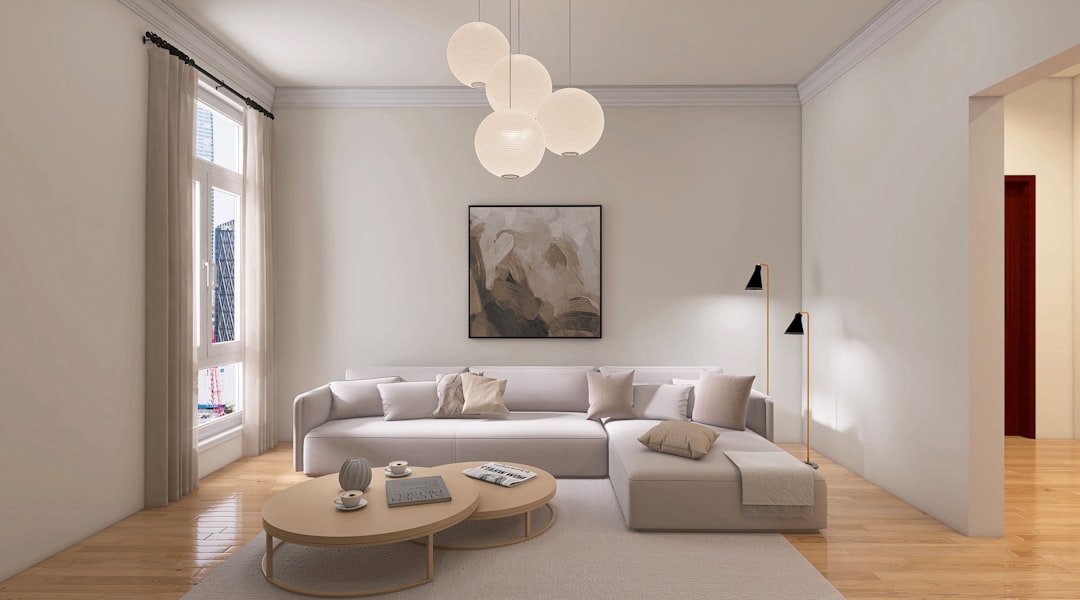
Abstract rugs feature sweeping brushstrokes, watercolour effects, or splattered patterns that function as floor-level art. These work particularly well in minimalist interiors where the rug serves as the room’s primary visual statement. Place an abstract rug beneath a simple sofa and coffee table arrangement to let the pattern speak.
Geometric
Clean lines, repeating shapes, and structured patterns define geometric modern rugs. Hexagons, triangles, chevrons, and grid patterns bring order and contemporary energy to a space. These pair well with the clean architectural lines found in newer Singapore condominiums.
Textured and Tonal
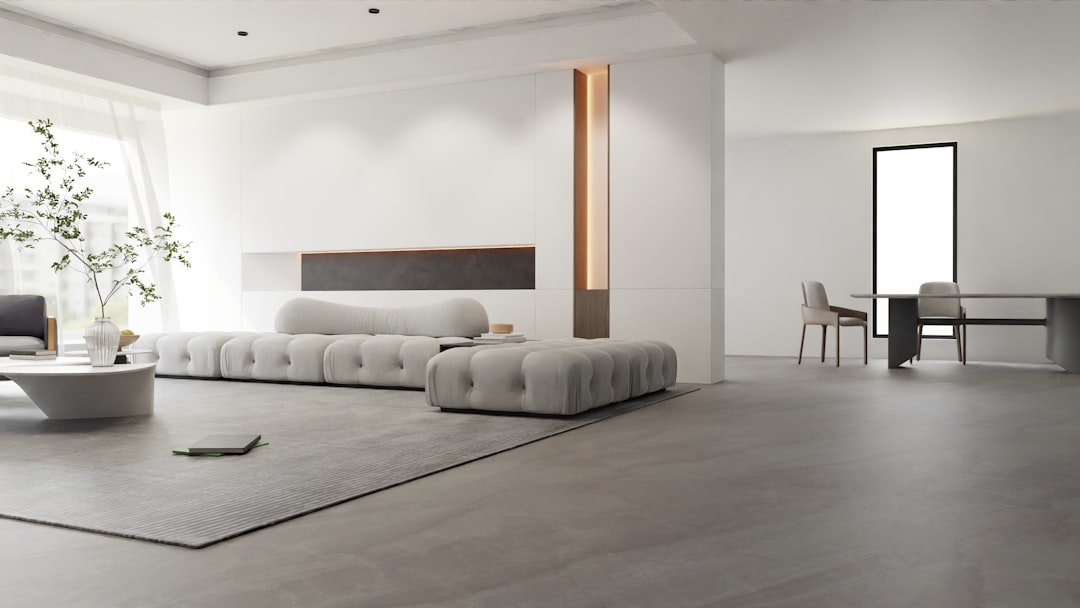
Not all modern rugs rely on pattern. Textured rugs use varying pile heights, mixed weaving techniques, and tonal colour variations to create visual interest through surface quality alone. These understated options suit rooms with patterned wallpaper or busy soft furnishings where additional pattern would feel excessive.
Colour-Blocked
Colour-blocked rugs divide the surface into bold sections of contrasting or complementary colours. This graphic approach suits playful, confident interiors and works especially well in children’s rooms and creative workspaces.
Choosing Materials for Singapore’s Climate
Material selection is critical for rug performance in Singapore. The tropical climate demands materials that resist moisture, dry quickly, and do not harbour allergens.
| Material | Pros | Cons | Best For |
|---|---|---|---|
| Polypropylene | Affordable, stain-resistant, moisture-proof | Less soft underfoot, can flatten | Living rooms, dining areas |
| Nylon | Durable, resilient, easy to clean | Can generate static | High-traffic areas |
| Wool | Soft, naturally stain-resistant, durable | Requires careful drying, higher cost | Bedrooms, formal living rooms |
| Cotton | Affordable, machine washable, soft | Less durable, absorbs stains | Bedrooms, children’s rooms |
| Jute / Sisal | Natural look, textured, eco-friendly | Absorbs moisture, rough underfoot | Living rooms (with underlay) |
| Viscose / Bamboo silk | Luxurious sheen, silky feel | Delicate, stains easily, not for humid areas | Bedrooms, low-traffic formal rooms |
For most Singapore homes, synthetic materials like polypropylene and nylon offer the best combination of practicality and performance. They resist humidity, dry quickly if spills occur, and are easy to maintain in a tropical environment.
Sizing Rugs for Singapore Rooms
The most common rug mistake is choosing one that is too small. An undersized rug looks like an afterthought and can actually make a room feel smaller. Here are sizing principles for typical Singapore room configurations.
Living rooms: The rug should be large enough for at least the front legs of all seating to rest on it. In a standard HDB living room, a 200 cm x 300 cm rug typically works. In larger condo living rooms, consider 250 cm x 350 cm or larger.
Dining rooms: The rug must extend at least 60 cm beyond each side of the dining table so that chairs remain on the rug when pulled out. Measure your table and add 120 cm to each dimension.
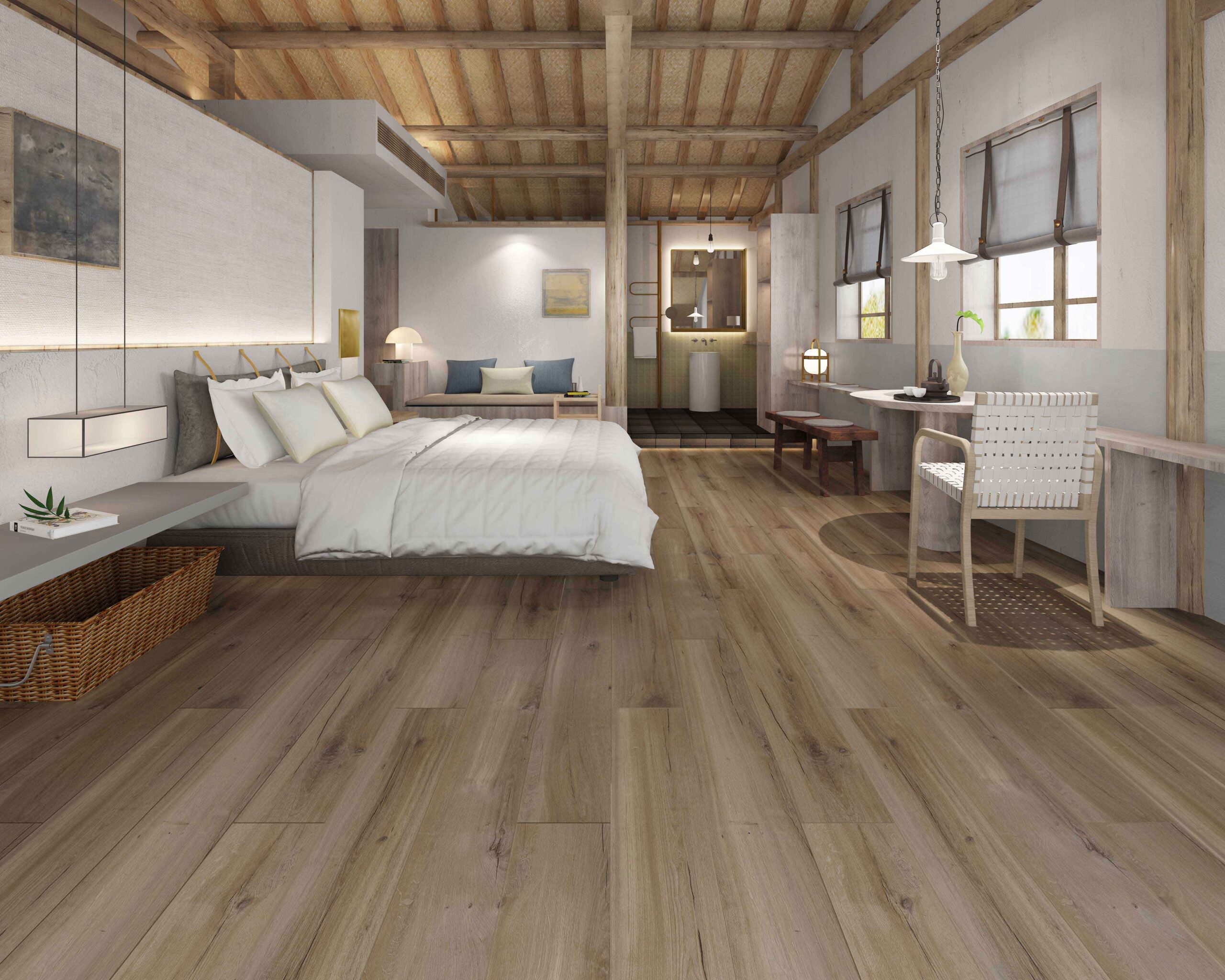
Bedrooms: Place a rug extending at least 60 cm from each side and the foot of the bed. Alternatively, use two runners on either side of the bed for a more contemporary look.
When in doubt, tape the rug dimensions on your floor with painter’s tape before purchasing. This simple step prevents costly sizing errors. Pair your rug choice with the right flooring for a cohesive look underfoot.
Caring for Modern Rugs in Tropical Conditions
Proper care extends the life of your rug and keeps it looking fresh in Singapore’s demanding climate.
- Vacuum weekly using a suction-only setting for delicate rugs or a beater bar for durable synthetics
- Rotate the rug 180 degrees every three to six months to ensure even wear and fading
- Clean spills immediately by blotting with a clean cloth, working from the outside in
- Air dry rugs thoroughly if they get wet, as trapped moisture encourages mould growth
- Use a quality rug pad underneath to prevent slipping, protect the floor, and improve cushioning
- Schedule professional cleaning annually for wool and natural fibre rugs
Avoid placing rugs in areas with persistent moisture, such as directly outside bathrooms, unless using a specifically designed bath mat or outdoor-rated rug.
Modern Rugs in Different Rooms
Each room in a Singapore home presents different requirements for rug selection. Understanding these differences ensures you choose a rug that performs as well as it looks.
Living rooms: This is where most homeowners invest in their statement rug. Choose a design that anchors the seating arrangement and reflects the room’s overall aesthetic. Durability matters here, as living rooms see the most daily foot traffic.
Bedrooms: Comfort takes priority in the bedroom. Choose softer, deeper-pile rugs in calming colours and patterns. Position the rug so that your feet land on it when getting out of bed each morning.
Dining rooms: Flat-weave and low-pile rugs are most practical under dining tables, where chairs move frequently and food spills are inevitable. Choose stain-resistant materials and avoid high-pile options that make chairs difficult to slide.
Home offices: A flat-weave rug defines the workspace and adds comfort without impeding desk chair movement. Choose a design that is visually calm rather than busy, supporting concentration rather than distracting from it.
Children’s rooms: Modern rugs in playful patterns and durable, washable materials withstand the demands of active children. Consider rugs with educational elements such as maps or alphabets for younger children, or graphic abstract designs that appeal to older children and teenagers.
Entryways and hallways: Runner rugs in durable materials protect high-traffic flooring and add a welcoming first impression. Choose dark or patterned options that conceal foot traffic marks between cleanings.
Where to Start with Modern Rugs
Selecting a modern rug is both a practical and creative decision. Start by measuring your room and determining the ideal rug size. Then consider the room’s existing colour palette and decide whether you want the rug to blend in or stand out.
For open-plan spaces, rugs that coordinate without matching create a cohesive flow. Using different patterns in the same colour family across living and dining zones ties the space together while maintaining distinct areas.
Material should be driven by lifestyle. Families with young children benefit from stain-resistant synthetics. Couples seeking luxury might prefer wool or viscose blends. Home offices work well with flat-weave options that allow desk chairs to move freely.
Complement your rug selection with coordinating fabrics for cushions and curtains. This layered approach creates a professionally designed look throughout the room.
Browse our e-catalogue for the latest rug designs and styles. Visit the Goodrich e-catalogue to explore the full collection from the comfort of your home.