Interior Design
Multigenerational Home Design Tips | Living Together
Why Multigenerational Living Is Growing in Singapore
Multigenerational home design has become increasingly relevant in Singapore, where many families choose to live under one roof across two or three generations. Whether driven by cultural values, caregiving needs, or the practical benefits of shared living costs, designing a home that works for everyone requires thoughtful planning.
From five-room HDB flats to executive apartments and landed properties, the principles of multigenerational design remain the same: balance shared spaces with private retreats, choose durable materials, and plan for changing needs over time.
Zoning Your Home for Different Generations
The foundation of a successful multigenerational home is intelligent zoning. Each generation needs spaces where they can enjoy privacy, alongside communal areas where the family comes together.
In a typical HDB flat, the master bedroom and an adjacent room can be designated for the elderly parents, ideally closer to a bathroom. Younger couples or families with children can take the rooms further along the corridor. This arrangement minimises disruption from different sleep schedules and daily routines.
For landed homes, consider dedicating an entire level to each generation. Ground-floor living for elderly family members eliminates the need to navigate stairs daily, while upper floors offer younger occupants their own domain.
Shared spaces — the kitchen, dining area, and living room — should be designed as neutral territory. Avoid personalising these areas too heavily towards one generation’s taste. Instead, opt for timeless finishes that everyone can appreciate.
Flooring That Works for Every Age Group
Flooring is a critical consideration in multigenerational homes because it directly affects safety, comfort, and maintenance. The needs of a toddler learning to walk and an elderly grandparent with mobility concerns are surprisingly similar: both require slip-resistant, forgiving surfaces.
Luxury vinyl flooring is an excellent choice for multigenerational households. It provides a softer underfoot feel compared to ceramic tiles, reducing the impact of falls. It is also waterproof, which matters in homes where spills are frequent — whether from a child’s sippy cup or an elderly family member’s tea.
For bedrooms occupied by elderly parents, consider vinyl planks with a slight texture for added grip. Avoid high-gloss finishes that can become slippery, especially in air-conditioned rooms where condensation may form on the floor surface. The luxury vinyl collection includes options with varying textures and slip ratings suited to different household needs.
Throughout common areas, maintain a consistent floor level without transitions or thresholds. Even small height differences between rooms can become tripping hazards, particularly for family members with reduced mobility.
Designing Bathrooms for Accessibility
Bathrooms are where most household accidents occur, and multigenerational homes need to address this proactively. At minimum, the bathroom used by elderly family members should have the following features:
- Grab bars near the toilet and inside the shower area
- A barrier-free shower with a gentle slope towards the drain
- Non-slip flooring with a textured finish
- Adequate lighting, including a night light for safe navigation
- A shower seat, either built-in or removable
Even if your elderly parents are currently mobile and independent, incorporating these features during renovation is far easier and more affordable than retrofitting them later. Think of it as future-proofing rather than a response to current limitations.
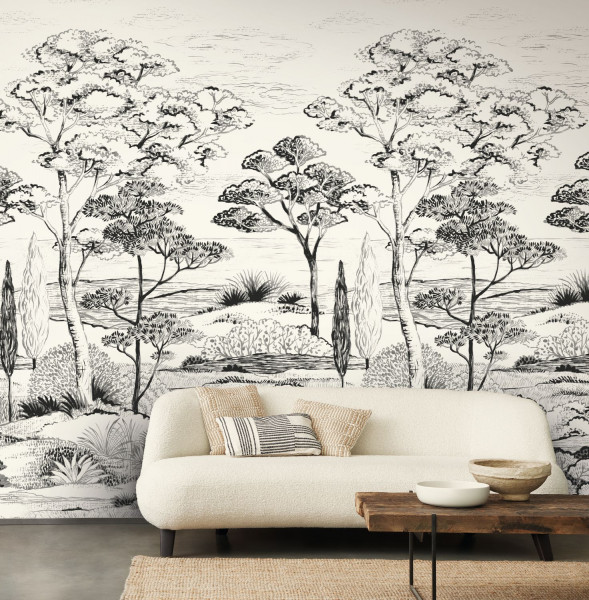
For family bathrooms shared by children, choose wall finishes that are waterproof and easy to clean. Vinyl wall coverings offer a practical alternative to painted surfaces, resisting moisture and mould growth in Singapore’s humid conditions.
Wall Treatments and Acoustics
Noise management is one of the less obvious but deeply important aspects of multigenerational home design. Different generations keep different hours: grandparents may rise early, while young adults stay up late. Children generate their own brand of cheerful chaos at all hours.
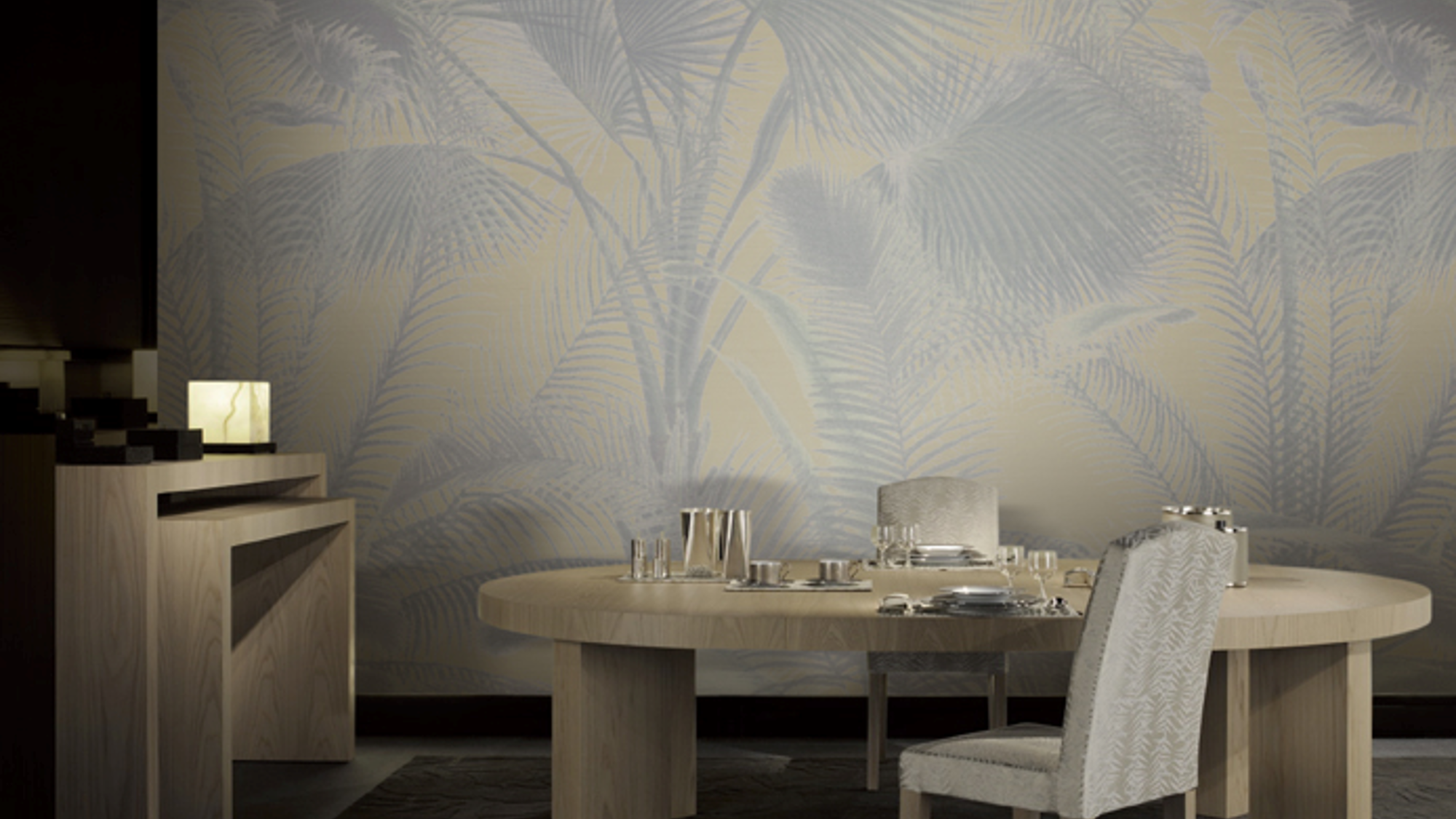
Fabric wall coverings and heavy-duty wallpapers can help absorb sound between rooms. While they will not replace proper acoustic insulation, they do soften sound transmission noticeably compared to bare painted walls.
In bedrooms, layered soft furnishings — thick curtains, upholstered headboards, and rugs over hard flooring — all contribute to a quieter environment. These elements work together to dampen both airborne noise and impact sound from adjacent rooms.
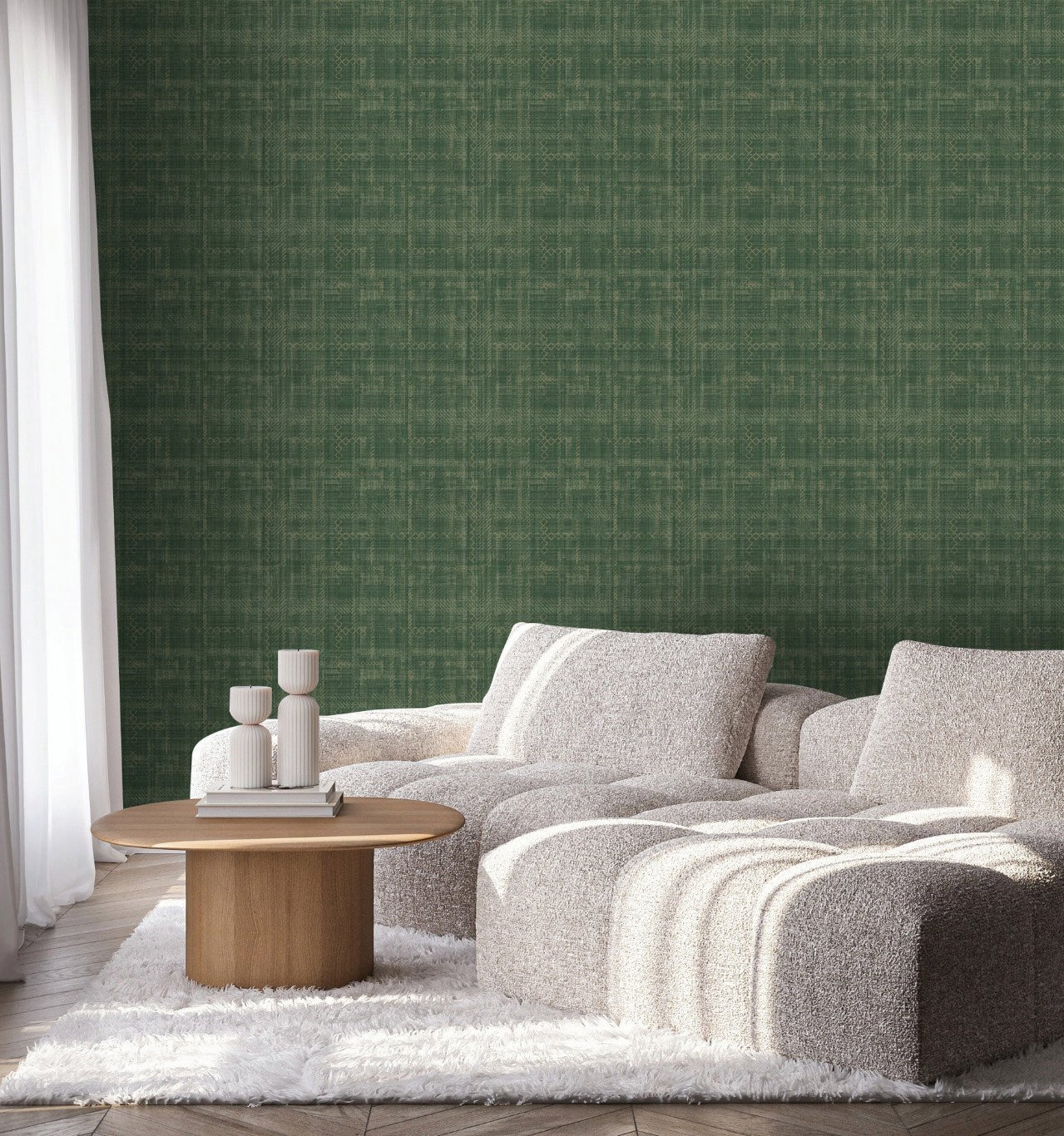
Explore wallpaper and wall covering options that combine acoustic benefits with aesthetic appeal. Textured vinyl wallpapers and fabric-backed options are particularly effective at softening room acoustics.
Shared Kitchen and Dining Considerations
The kitchen is often the heart of a multigenerational home, but it can also be a source of friction if not designed thoughtfully. Consider these practical points:
Counter heights should accommodate the primary cook, but having a lower prep area or an island at a comfortable height for an elderly family member who prefers to sit while cooking is a thoughtful addition. In HDB kitchens where space is limited, a foldable or extendable countertop can serve this purpose.
Flooring in the kitchen must be robust and easy to clean. Vinyl flooring with a textured finish provides the necessary slip resistance around the wet area near the sink while remaining comfortable for prolonged standing during meal preparation.
For the dining area, choose an expandable table that accommodates the full family for shared meals but can be reduced for everyday use. Upholstered dining chairs with supportive backs are more comfortable for elderly family members than trendy but unforgiving bench seating.
Privacy Without Isolation
The goal of multigenerational design is togetherness by choice, not by default. Each household member should have a space where they can retreat for quiet time without feeling cut off from the family.
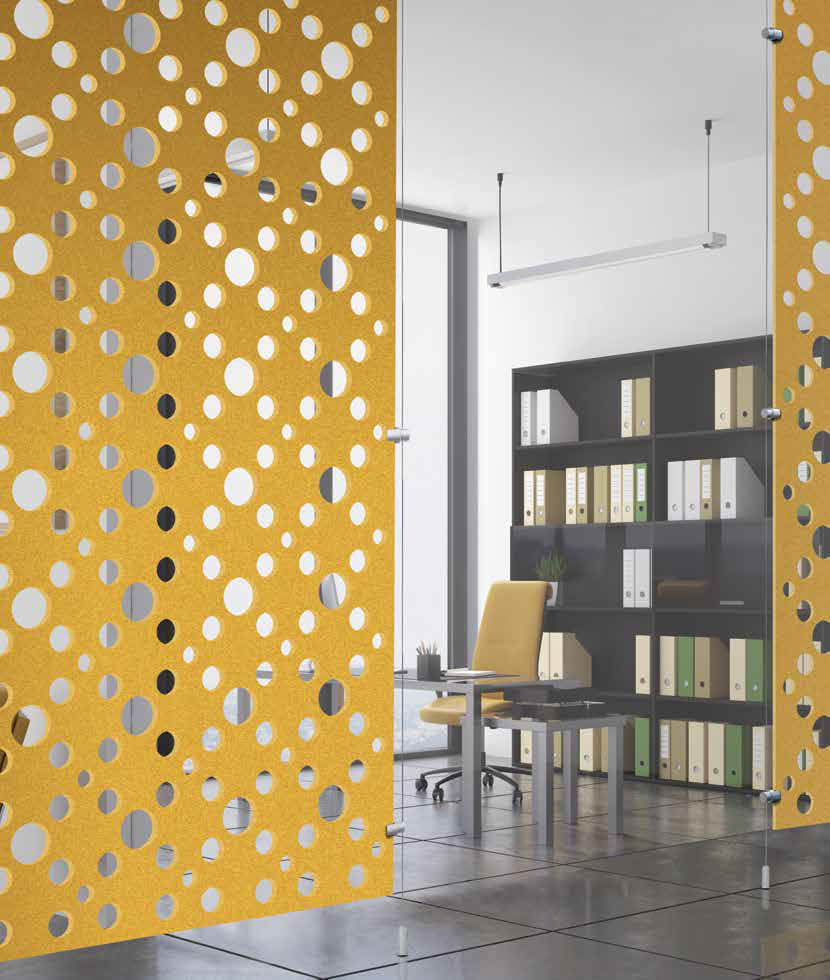
Room dividers, curtains, and sliding doors offer flexible boundaries that can be opened or closed as needed. In an open-plan living area, a sheer curtain panel on a ceiling-mounted track can separate a reading nook or prayer space from the main living zone without permanent walls.
Personal touches within private rooms help each generation feel ownership of their space. Elderly parents might prefer a calmer palette with traditional patterns, while younger occupants gravitate towards contemporary designs. Let each room reflect the personality of its occupant while maintaining a cohesive flow in shared areas.
Lighting for Different Generations
Lighting needs vary significantly across age groups. Elderly family members generally need brighter task lighting for reading and daily activities, as vision naturally diminishes with age. Younger occupants may prefer softer, mood-based lighting in their private rooms.
In shared areas, layered lighting — a combination of ambient ceiling lights, task lighting over workspaces and dining tables, and accent lighting for visual interest — accommodates everyone’s needs. Dimmer switches allow each person to adjust the light level to their comfort.
Night lighting is essential for safety. Motion-activated LED strips along hallways, bathrooms, and staircases help elderly family members navigate the home safely at night without fully waking other household members.
Planning for Changing Needs
A well-designed multigenerational home anticipates change. Children grow up, elderly parents may need more assistance, and the family’s spatial requirements will shift over time.
Choose finishes that are easy to update without major renovation. Vinyl flooring can be replaced room by room as needed. Wallpaper can be refreshed to update a room’s character. Curtains and soft furnishings can be swapped seasonally or as tastes evolve.
Modular furniture and flexible layouts allow rooms to transition from a nursery to a study to a hobby room as the family evolves. Avoid overly bespoke built-in solutions that lock a room into a single function.
Get a free quote for your project today. Our team can help you select materials that balance durability, comfort, and style for every generation under your roof.