Articles / Healthcare Interiors / Interior Design / Wallpaper & Wallcovering
Non-Porous Wall Covering for Clinics in Modern Healthcare Facilities
Introduction: Why Wall Surfaces Matter in Clinical Environments
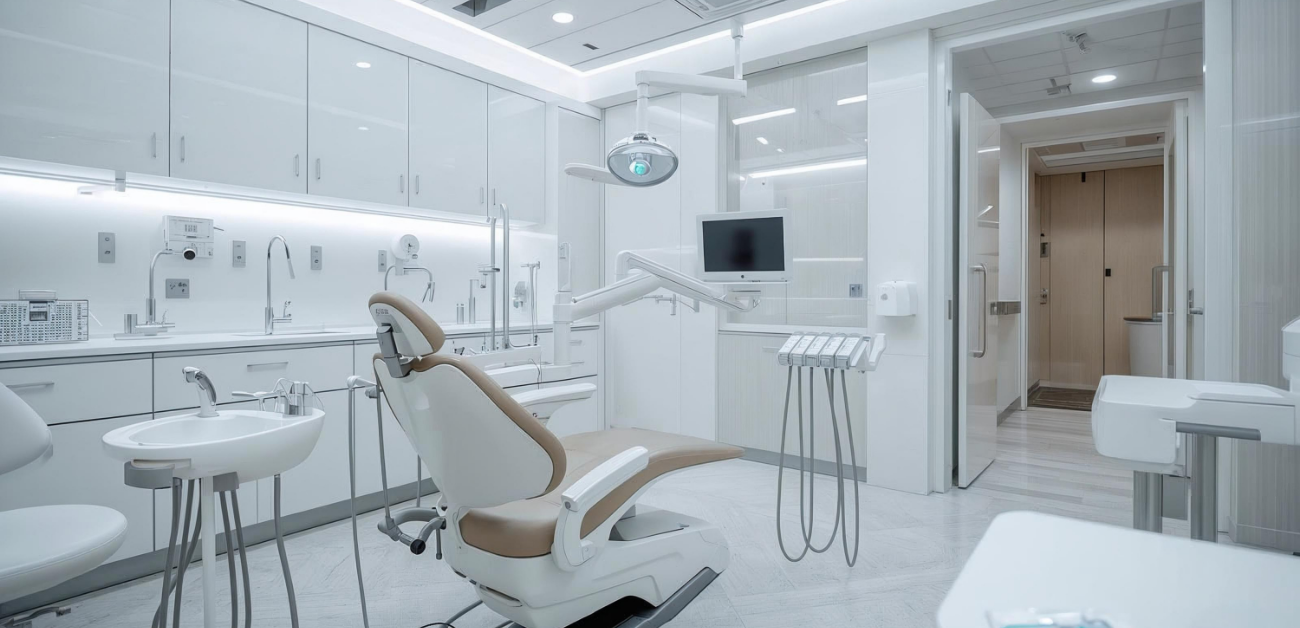
Clinical environments operate under strict infection control and hygiene expectations. Clinics see a constant flow of patients, staff, and medical equipment, which increases the risk of surface contamination if materials are not properly specified. Maintaining cleanable, durable surfaces is essential to support patient safety and day-to-day clinical operations.
Walls are among the most frequently contacted and regularly cleaned surfaces in clinics. Areas around examination tables, doorways, corridors, and nurse stations experience repeated contact and exposure to disinfectants throughout the day. Traditional wall finishes can absorb moisture, stain, or degrade under these conditions, making them harder to clean effectively over time.
This is why a non-porous wall covering for clinics is considered a functional necessity rather than a design choice. By providing sealed, moisture-resistant surfaces that withstand frequent cleaning, non-porous wall covering for clinics supports consistent hygiene standards and helps clinics manage infection control risks more effectively.
What Is Non-Porous Wall Covering for Clinics
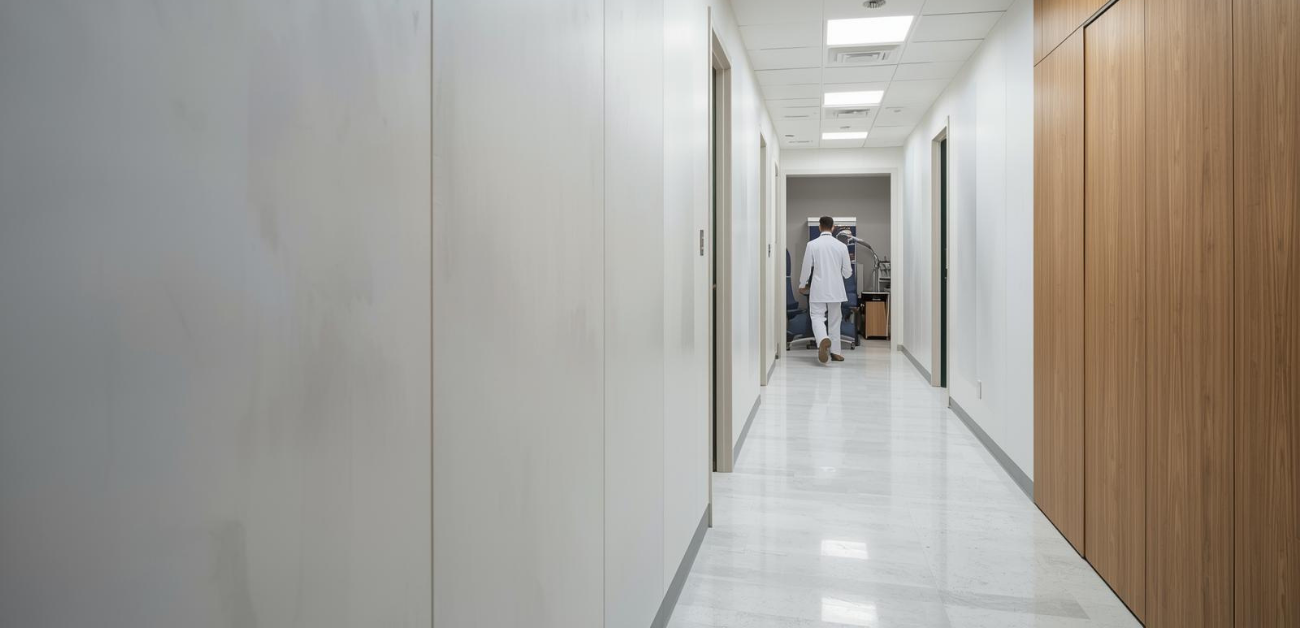
A non-porous wall covering for clinics is a wall finish designed to prevent the absorption of moisture, contaminants, and bacteria in clinical environments. Its primary purpose is to support hygiene by creating a sealed surface that can be cleaned and disinfected repeatedly without degrading. Unlike decorative wall finishes, these systems are specified for performance, safety, and long-term durability.
The difference between porous and non-porous wall finishes is critical in healthcare settings. Porous materials, such as paint or certain wall panels, can absorb moisture and cleaning agents, leading to staining, surface breakdown, and hidden contamination. Non-porous wall coverings, by contrast, resist absorption and maintain surface integrity even under frequent cleaning.
Clinics require sealed, cleanable surfaces because infection control depends on effective cleaning. Walls that crack, peel, or absorb moisture become difficult to disinfect properly. A non-porous wall covering for clinics ensures that wall surfaces remain smooth, intact, and hygienic, supporting safer clinical operations and consistent compliance with healthcare hygiene standards.
How Porous Wall Finishes Create Hygiene Risks
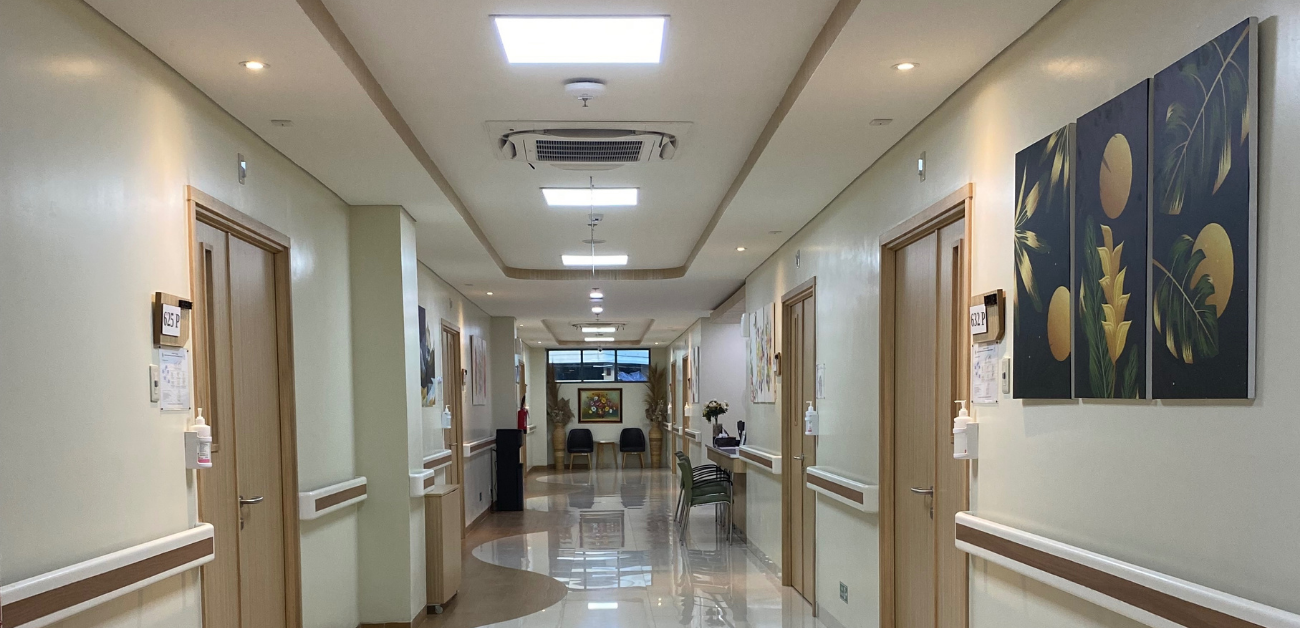
Porous wall finishes can create significant hygiene risks in clinical environments due to their tendency to absorb moisture and contaminants. In clinics, walls are frequently exposed to cleaning solutions, splashes, and contact with equipment or hands. When moisture penetrates porous materials, it can weaken the surface, leading to peeling, cracking, or staining that compromises cleanability.
Paint and decorative wall panels often have limitations in healthcare settings. While suitable for low-risk environments, these finishes are not designed to withstand repeated chemical disinfection. Over time, aggressive cleaning can break down the surface, creating micro-cracks and uneven areas that trap dirt and bacteria. Once damaged, these surfaces become difficult to clean thoroughly.
Long-term contamination is a particular concern in clinics where patient turnover is high. Bacteria can persist beneath degraded surfaces, increasing infection risk even when routine cleaning is performed. This is why clinics increasingly move away from porous finishes. A non-porous wall covering addresses these risks by providing sealed, durable surfaces that resist moisture absorption and support effective infection control over time.
Key Features of Non-Porous Wall Covering for Clinics
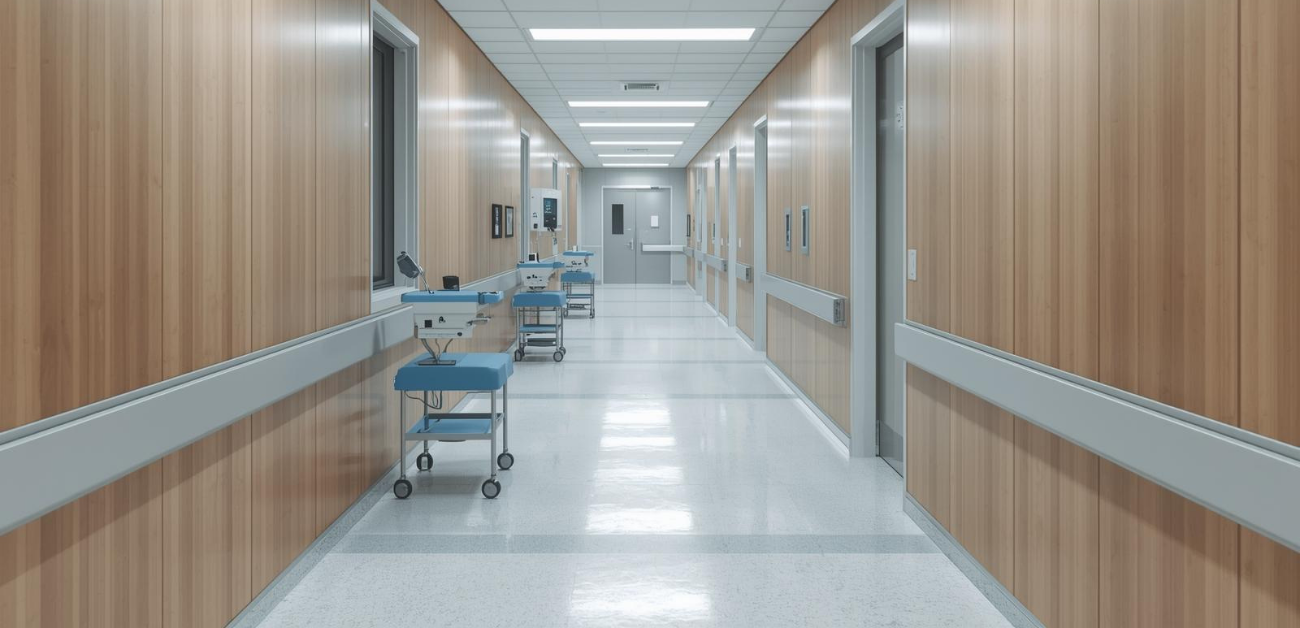
A non-porous wall covering for clinics is defined by features that directly support hygiene, durability, and regulatory expectations in clinical settings. One of the most important features is a seamless or sealed joint system. By minimising joints and sealing connections, these wall coverings reduce gaps where dirt, moisture, and bacteria can accumulate. Smooth, continuous surfaces are easier to clean thoroughly and help maintain consistent hygiene standards.
Resistance to moisture, stains, and bacteria is another core requirement. Non-porous wall coverings do not absorb liquids or cleaning agents, preventing surface degradation and hidden contamination. This resistance helps walls maintain their integrity even in areas exposed to frequent splashes, spills, or contact with medical equipment. By limiting moisture penetration, these systems reduce the risk of bacterial growth beneath the surface.
Compatibility with clinical cleaning agents is essential. Clinics rely on strong disinfectants and regular cleaning cycles to meet infection control protocols. A non-porous wall covering for clinics is designed to withstand repeated chemical disinfection without cracking, peeling, or discolouration. This ensures long-term hygiene performance while reducing maintenance interventions and surface repairs.
Where Non-Porous Wall Coverings Are Most Critical in Clinics
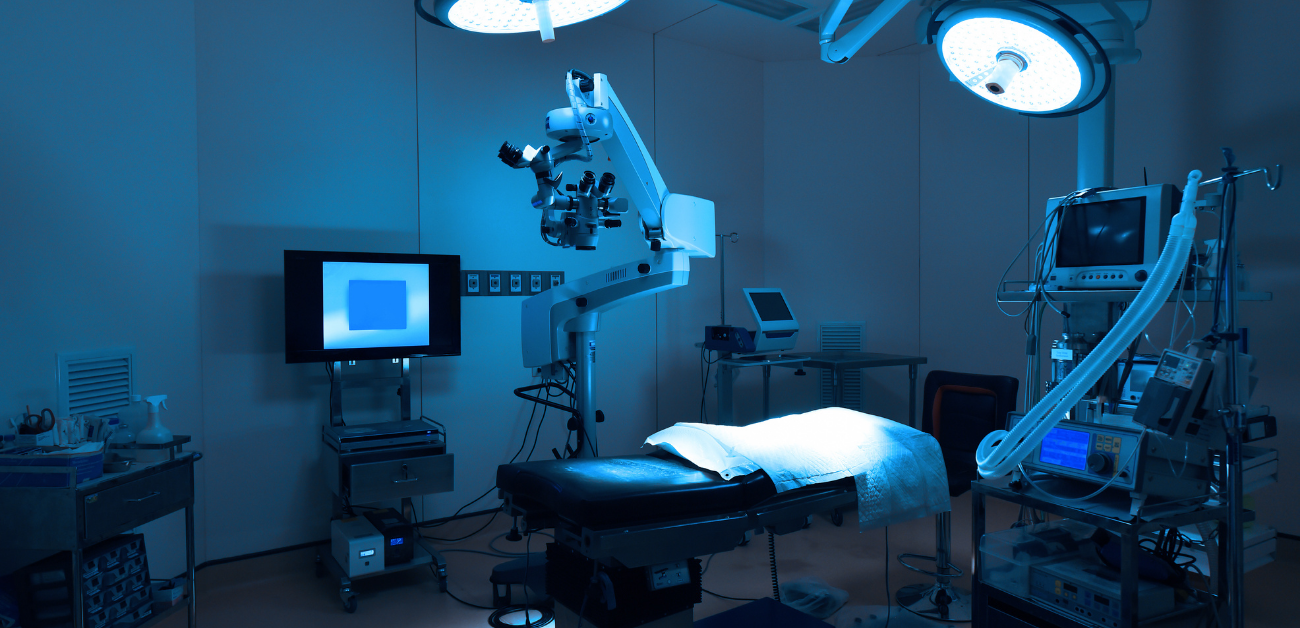
A non-porous wall covering is most critical in areas where hygiene demands and surface contact are highest. Consultation rooms and treatment areas are priority zones, as they involve direct patient interaction, medical procedures, and frequent use of disinfectants. In these spaces, wall surfaces must remain cleanable and intact to support infection control protocols.
Corridors, waiting areas, and nurse stations also place heavy demands on wall performance. These areas experience continuous movement, frequent contact from patients and staff, and repeated cleaning throughout the day. Walls in these zones are prone to scuffing, moisture exposure, and surface wear, making non-porous wall coverings essential for maintaining hygiene and appearance.
High-touch and high-cleaning zones, such as areas near doorways, examination tables, and equipment storage, require special attention. Traditional finishes often degrade quickly under these conditions. A non-porous wall covering for clinics ensures these critical surfaces remain sealed, durable, and easy to disinfect, reducing long-term hygiene risks and maintenance demands.
Cleaning, Disinfection, and Maintenance Performance
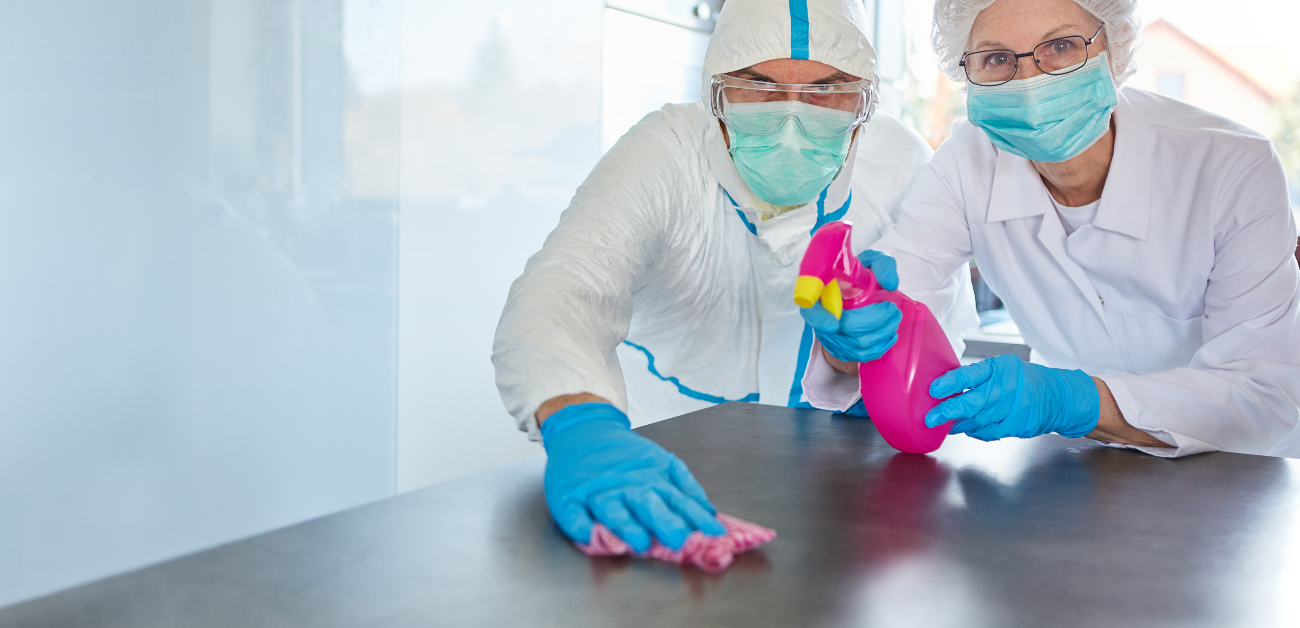
Daily cleaning routines are a constant in clinical environments. Walls are wiped down frequently to maintain hygiene, manage spills, and meet infection control protocols. A non-porous wall covering is designed to support these routines by providing a surface that can be cleaned quickly and thoroughly without absorbing moisture or contaminants.
Resistance to repeated chemical disinfection is essential. Clinics rely on strong disinfectants to control bacteria and viruses, and wall finishes must tolerate continuous exposure without breaking down. Non-porous wall coverings are engineered to withstand these cleaning agents without peeling, cracking, or discolouration, ensuring that disinfection remains effective over time.
Long-term surface integrity is a key maintenance advantage. Walls that degrade require frequent repair or repainting, which can disrupt clinic operations and compromise hygiene. A non-porous wall covering for clinics maintains a smooth, sealed surface throughout its service life. This reduces maintenance interventions, supports consistent cleanliness, and helps clinics maintain safe and professional environments with predictable upkeep requirements.
Compliance, Standards, and Clinical Expectations
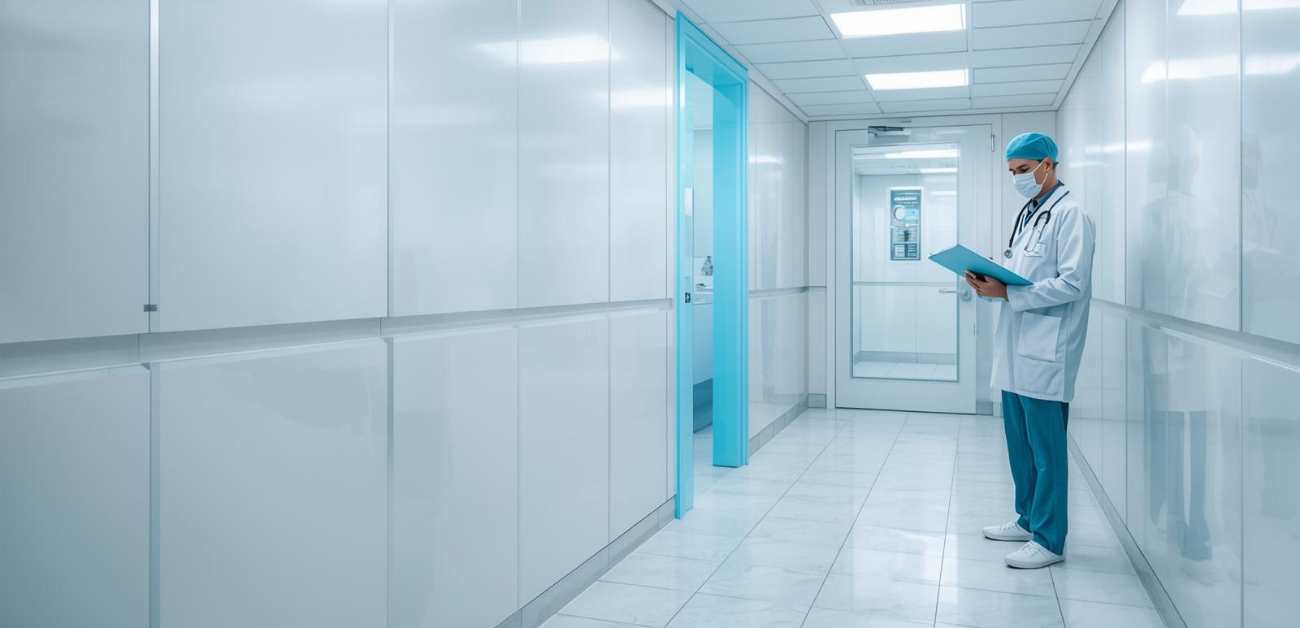
Clinical facilities operate under strict regulatory and hygiene expectations, which directly influence material selection. A non-porous wall covering must align with infection control guidelines that emphasise cleanable, sealed, and durable surfaces. These guidelines are designed to reduce contamination risks and ensure that cleaning protocols can be carried out effectively without surface degradation.
Fire safety and durability are equally important considerations. Wall coverings used in clinics must meet fire performance requirements while maintaining structural integrity under frequent impact and repeated cleaning. Materials that fail to meet these standards can create safety risks and lead to costly repairs or compliance issues during inspections.
Documentation and material approval play a critical role in the specification process. Clinics often require test reports, performance data, and manufacturer documentation to verify that wall systems meet regulatory and operational requirements. Choosing a non-porous wall covering for clinics with clear, approved documentation helps streamline approvals, reduce risk, and ensure long-term compliance with clinical standards.
Lifecycle Value and Operational Benefits for Clinics
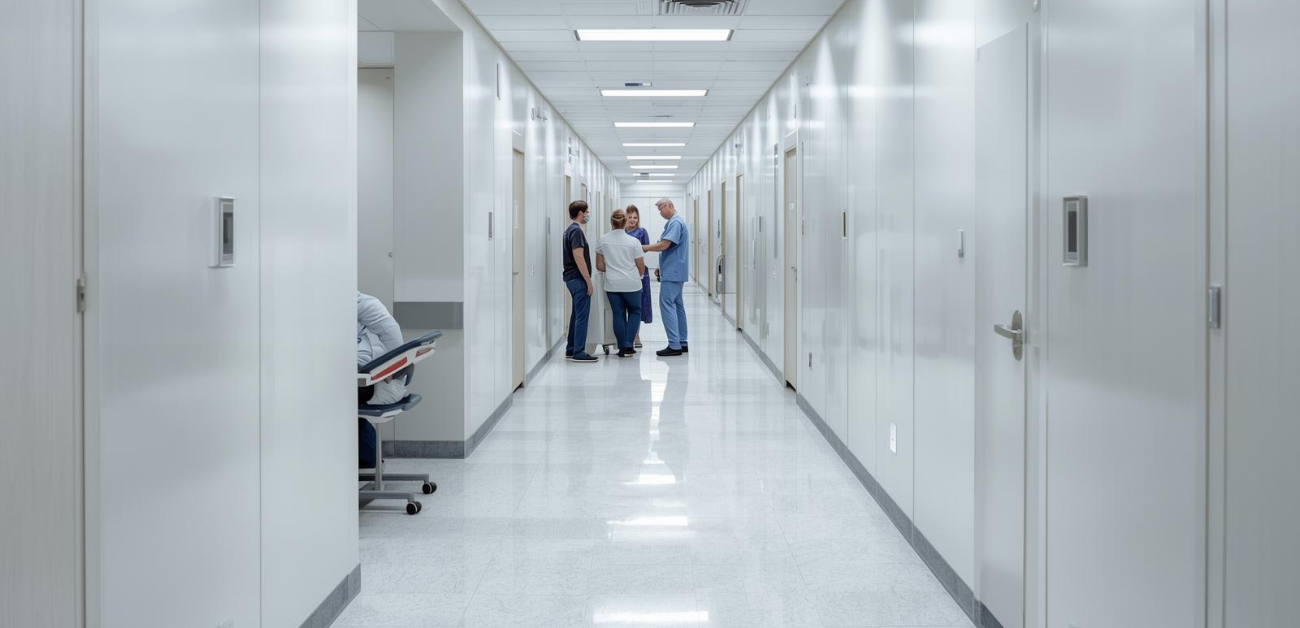
A non-porous wall covering delivers strong lifecycle value by reducing the need for frequent repairs and repainting. Traditional wall finishes often deteriorate under constant cleaning and impact, leading to recurring maintenance cycles. Non-porous wall systems maintain surface integrity over time, helping clinics avoid repeated surface repairs that disrupt daily operations.
Maintenance efficiency is another key operational benefit. Because non-porous wall coverings resist moisture absorption and staining, routine cleaning is faster and more effective. This reduces labour time and allows clinical spaces to remain functional with minimal downtime. When maintenance is required, it is typically limited to surface cleaning rather than structural repair, supporting uninterrupted patient care.
The long-term value of non-porous wall systems lies in their durability and reliability. By extending replacement cycles and minimising operational disruption, a non-porous wall covering for clinics helps control costs while supporting hygiene and compliance goals. Over time, this approach protects both clinical performance and facility investment.
Conclusion: Choosing Non-Porous Wall Coverings with Confidence
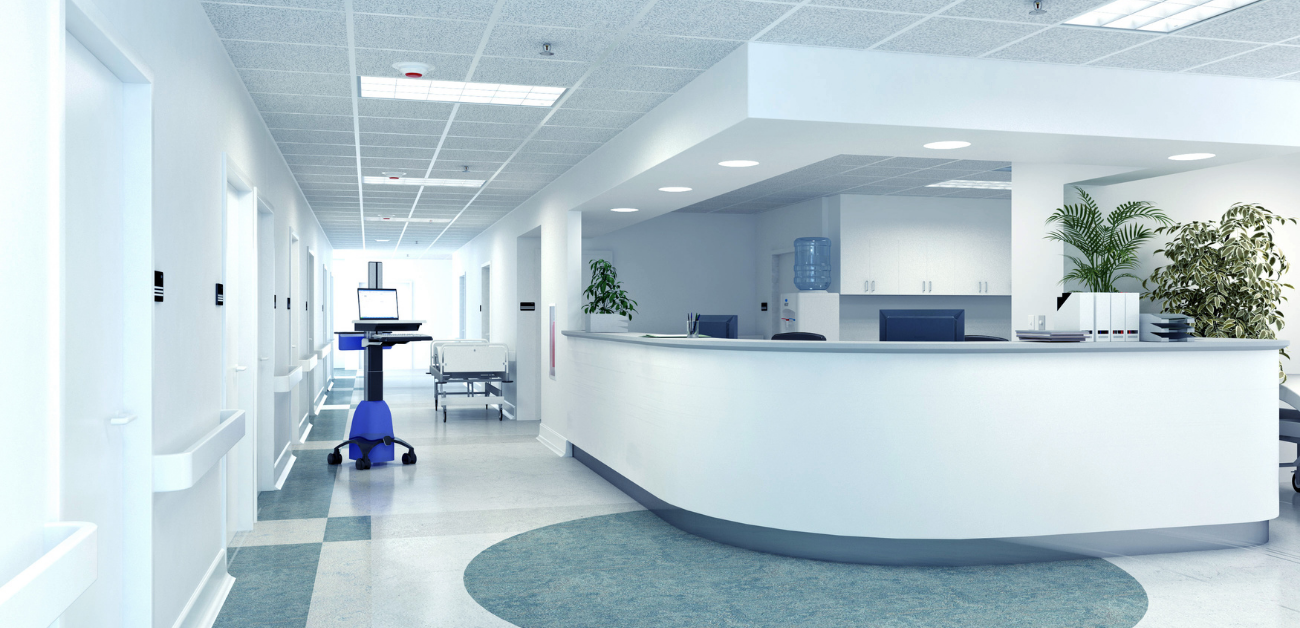
In clinical environments, wall coverings should be viewed as part of the hygiene infrastructure rather than decorative finishes. Their performance directly affects cleanability, durability, and the ability of a clinic to maintain infection control standards. A non-porous wall covering for clinics supports this role by providing sealed surfaces that withstand frequent cleaning and daily clinical use.
Informed, compliant material selection is essential. Clinics benefit from choosing wall systems backed by documented performance, regulatory alignment, and long-term durability instead of relying on conventional finishes that may fail under clinical conditions. Materials must support both hygiene protocols and operational demands.
Within the broader healthcare interior solutions landscape, Goodrich Global operates among providers that understand these requirements. In this context, selecting a non-porous wall covering for clinics helps support safer environments, efficient maintenance, and consistent clinical performance over time.