Interior Design
Office Pantry Design Ideas for Singapore Workplaces
Office pantry design in Singapore has evolved well beyond the basic kitchenette with a microwave and instant coffee. Modern workplace pantries serve as informal meeting zones, breakout areas, and social hubs that directly influence employee satisfaction and company culture. Getting the design right means balancing durability, hygiene, and aesthetics.
The Role of the Office Pantry in Modern Workplaces
Singapore’s office culture has shifted significantly in recent years. Employers increasingly recognise that well-designed communal spaces contribute to talent retention and productivity. The pantry is often the most-used shared space in any office, with employees visiting multiple times daily for meals, coffee breaks, and informal conversations.
A thoughtfully designed pantry communicates company values. Start-ups and creative agencies tend towards vibrant, cafe-inspired designs. Financial institutions and law firms favour refined finishes that align with their corporate identity. Regardless of style, the fundamentals remain consistent: easy-to-clean surfaces, adequate ventilation, and materials that withstand constant use.
Flooring Options for Office Pantries
Pantry floors face a unique combination of challenges. Spills are inevitable — from coffee and tea to soup and sauces. Foot traffic is concentrated during peak lunch hours. Chairs scrape across the surface daily. The flooring must handle all of this while maintaining a polished appearance.
Luxury Vinyl Tile (LVT)
Luxury vinyl tile is the leading choice for Singapore office pantries. Its 100% waterproof construction means spills can be wiped away without risk of warping or staining. The wear layer protects against scuffs from chair legs, while the realistic wood or stone visuals maintain a premium aesthetic.
LVT also offers acoustic benefits. Compared with ceramic tile, vinyl flooring absorbs more impact sound, reducing the clatter of cutlery and chair movement that can disturb nearby workstations.
SPC Flooring
Stone polymer composite (SPC) flooring provides even greater rigidity than standard LVT, making it suitable for pantries with heavy furniture such as island counters or bar-height tables. Its stone-based core resists indentation from concentrated point loads.
What to Avoid
Carpet tiles, while excellent for general office areas, are impractical in pantries where food and liquid spills are routine. Laminate flooring is similarly unsuitable due to its vulnerability to moisture. Natural timber, though visually appealing, requires ongoing maintenance that most office management teams cannot commit to.
Wall Finishes That Combine Style and Practicality
Pantry walls take a beating from splashes near sinks, grease near cooking appliances, and general wear from furniture placed against them. Choosing the right wall finish reduces maintenance costs and keeps the space looking fresh.
Vinyl Wallcovering
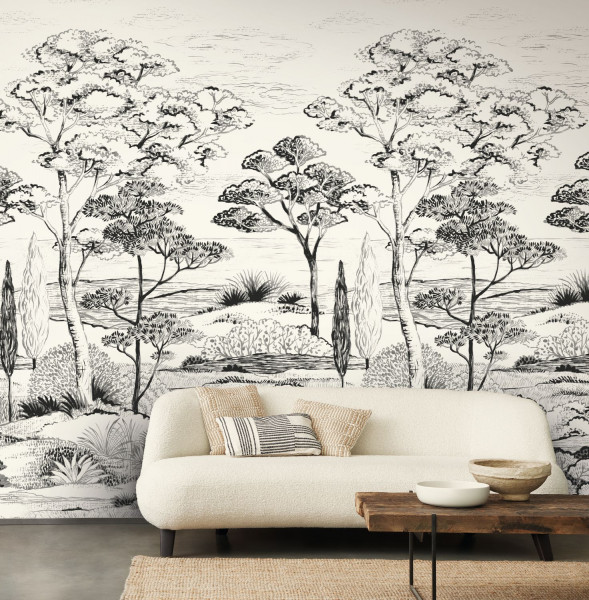
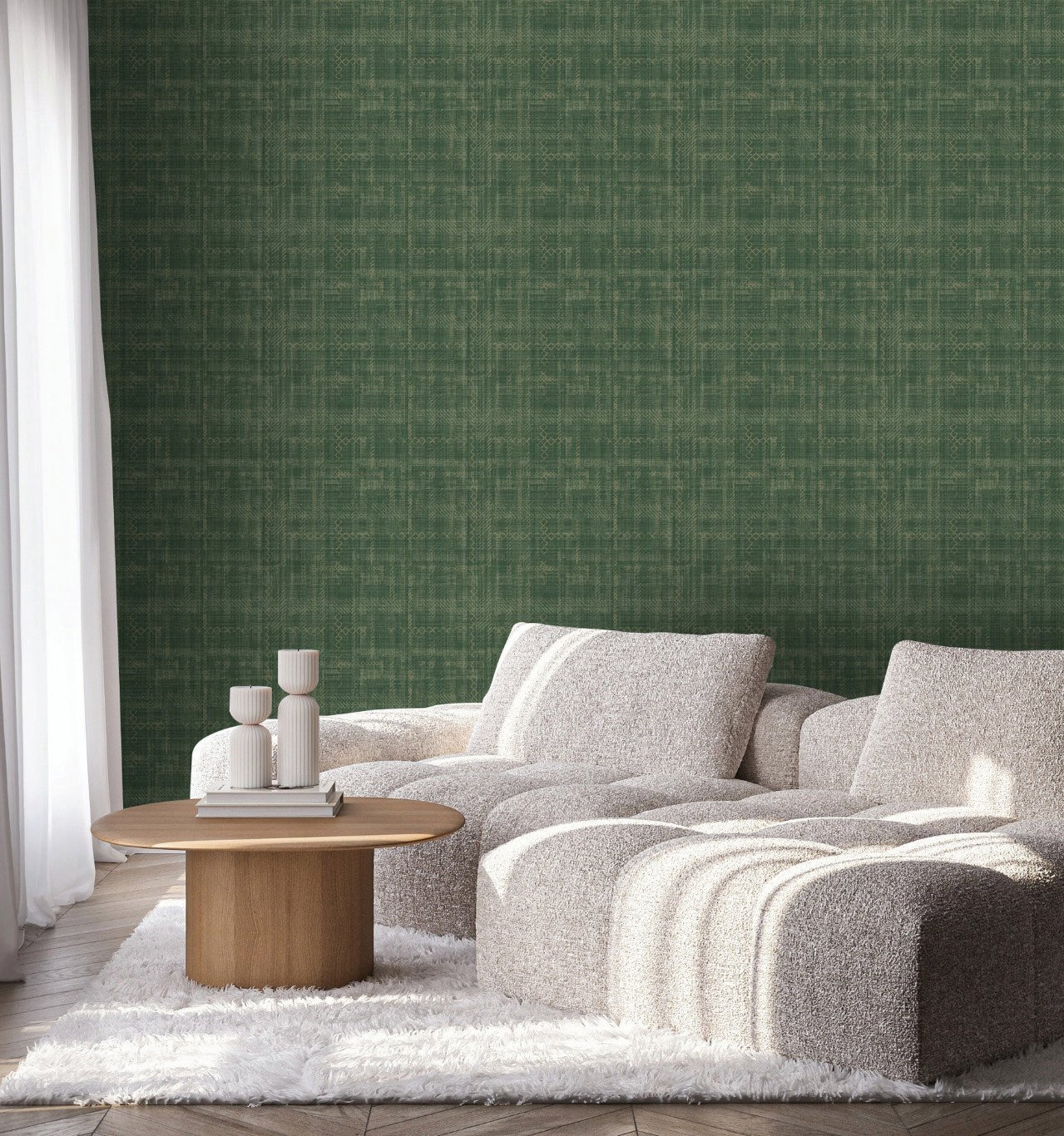
Commercial-grade vinyl wallcovering is purpose-built for high-traffic, high-moisture environments. It wipes clean with a damp cloth and resists staining from common kitchen substances. Available in hundreds of patterns and colours, vinyl wallcovering can transform a utilitarian pantry into a space that feels more like a neighbourhood cafe.
Feature Walls and Branding
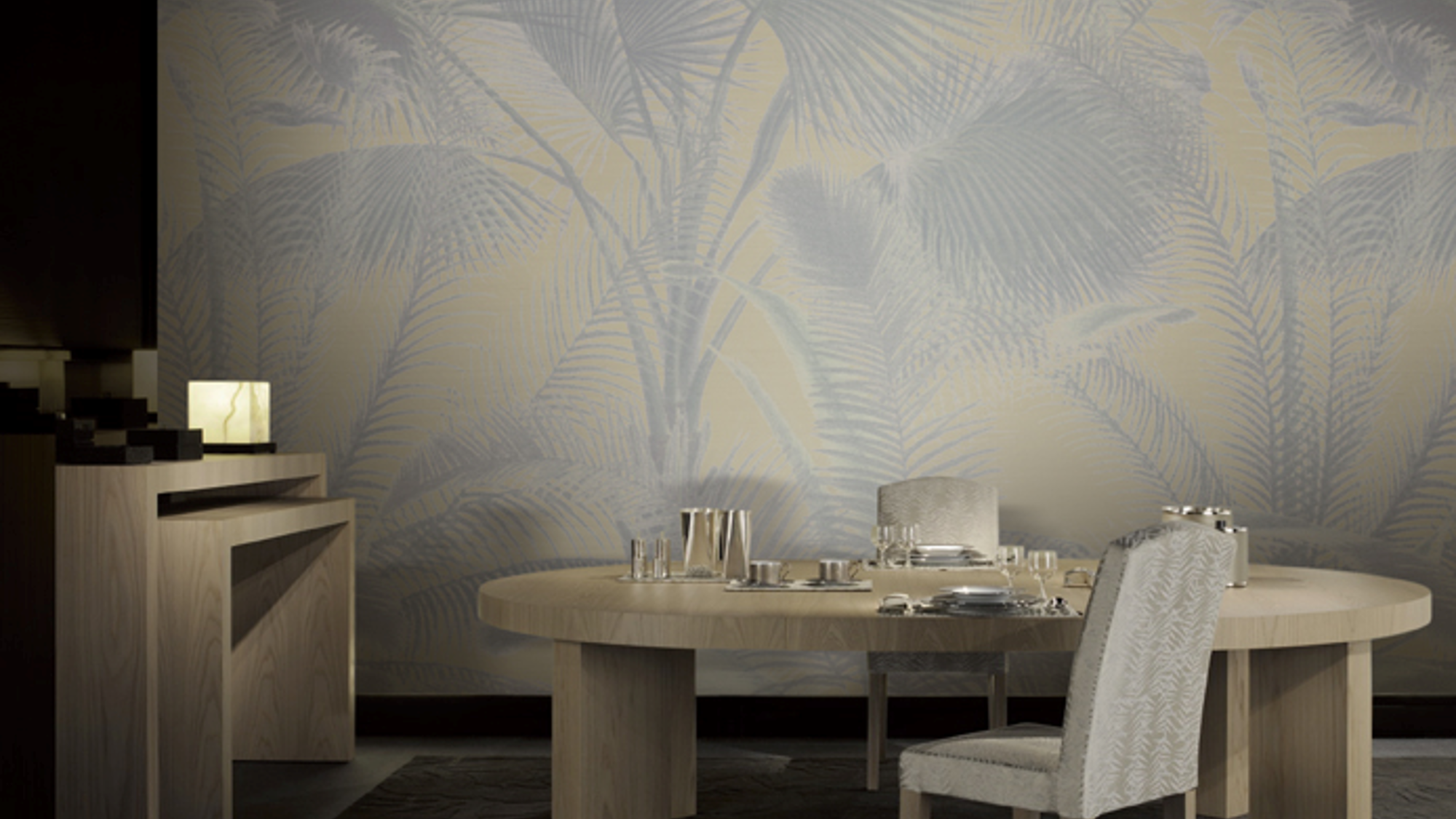
Many Singapore companies use the pantry feature wall as an opportunity to express brand identity. Custom-printed wallcovering with company colours, mission statements, or curated artwork creates a distinctive atmosphere. This approach is more durable than painted murals and easier to update when branding evolves.
Backsplash Zones
The area behind sinks, coffee machines, and cooking appliances needs additional protection. While ceramic tile is a common choice for backsplashes, vinyl wallcovering rated for wet areas provides a seamless, grout-free alternative that is easier to clean and offers more design flexibility.
Layout and Zoning Considerations
Effective pantry design separates functional zones to manage traffic flow and noise. A well-zoned pantry typically includes three areas.
- Preparation zone: Sinks, refrigerators, microwaves, and food preparation surfaces. This area needs waterproof flooring and wipeable wall finishes.
- Dining zone: Tables, chairs, and casual seating. Flooring here can prioritise comfort and acoustics alongside durability.
- Social zone: Coffee machine, water dispenser, and informal lounge seating. This area benefits from softer finishes such as upholstered furniture with performance fabrics that resist stains.
In compact Singapore offices where space is limited, these zones may overlap. Even so, distinguishing areas through flooring patterns or wall colour changes helps create a sense of organisation and purpose.
Sizing Guidelines
As a rule of thumb, allocate approximately 1.5 to 2 square metres of pantry space per 10 employees. A 50-person office should aim for a pantry of at least 8 to 10 square metres. Larger organisations with 200 or more staff may dedicate 30 to 50 square metres, incorporating full kitchen facilities and multiple seating arrangements.
Acoustic Comfort in the Pantry
Open-plan offices in Singapore frequently position the pantry adjacent to workstations, making acoustic management essential. Hard surfaces — countertops, glass partitions, tiled walls — reflect sound and create a noisy environment that disrupts concentration in nearby work areas.
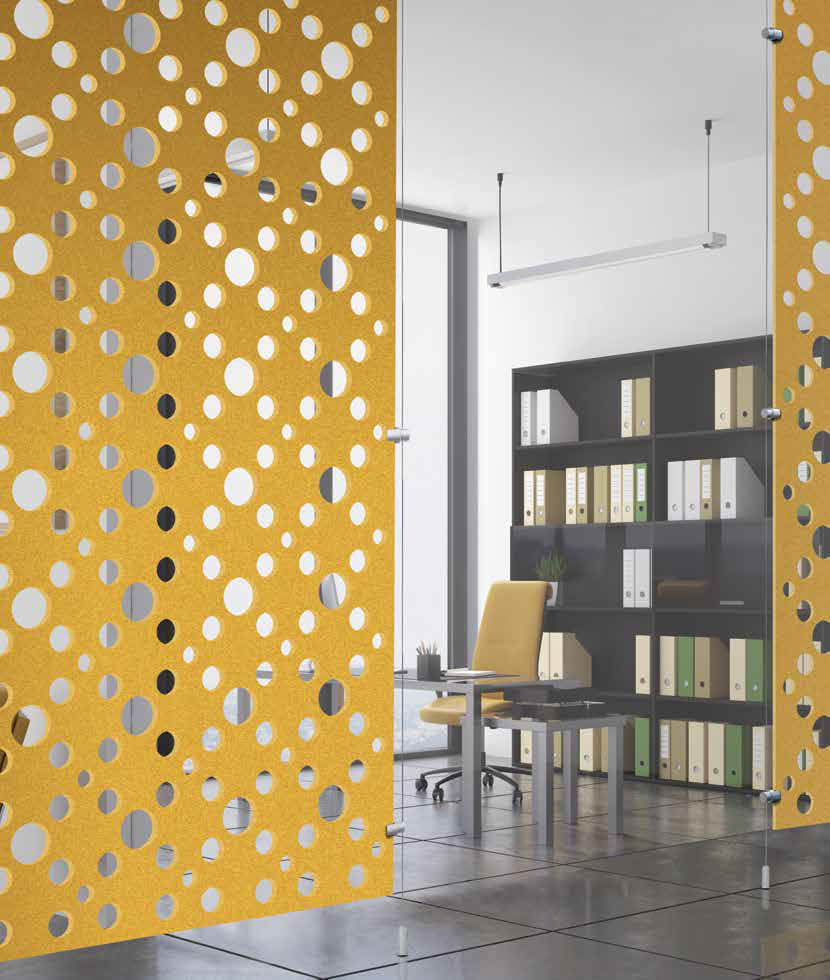
Acoustic strategies for pantry spaces include fabric-wrapped wall panels that absorb mid-range frequencies, carpet tile borders around the dining zone to dampen footstep noise, and upholstered seating that reduces sound reflection. Ceiling-mounted acoustic baffles are another effective option in pantries with exposed soffits or high ceilings.
Even simple choices matter. Rubber or felt pads on chair legs reduce scraping noise significantly. Soft-close cabinet hinges eliminate slamming. These small details collectively make a measurable difference to the acoustic comfort of the wider office.
Maintenance and Hygiene Best Practices
A pantry is only as good as its maintenance regime. Selecting low-maintenance materials at the design stage saves considerable time and cost over the life of the fit-out.
- Flooring: LVT and SPC flooring require only regular sweeping and damp mopping. Avoid abrasive cleaners that can dull the wear layer.
- Walls: Vinyl wallcovering can be cleaned with mild detergent and a soft cloth. Avoid solvent-based cleaners unless specified by the manufacturer.
- Seating: Performance upholstery fabrics with stain-resistant finishes allow spot cleaning with water-based solutions. Removable, washable cushion covers offer an added layer of practicality.
Singapore’s NEA guidelines on workplace hygiene apply to office pantries that serve food. Ensuring surfaces are non-porous and easy to sanitise is not just a design preference — it is a compliance requirement.
Final Thoughts
The office pantry is where company culture is built over coffee and casual conversation. Investing in durable, well-designed finishes ensures this space remains an asset rather than a maintenance burden for years to come.
Get a free quote for your project today and let our team recommend the ideal materials for your office pantry.