Interior Design
Peranakan-Inspired Interior Design in Singapore
Peranakan interior design draws on the rich visual heritage of Singapore’s Straits Chinese community, blending Malay, Chinese, Indian, and European influences into a distinctive aesthetic characterised by vibrant colour, intricate pattern, and meticulous craftsmanship. In a city-state where cultural identity is cherished, Peranakan-inspired interiors offer a meaningful way to celebrate heritage while creating spaces that are uniquely Singaporean.
This guide explores how to incorporate Peranakan design elements into modern Singapore homes — respectfully, authentically, and with a contemporary sensibility that keeps the aesthetic relevant for today’s lifestyles.
Understanding the Peranakan Design Language
Peranakan aesthetics emerged from the cultural fusion of Chinese immigrants who settled in the Malay Archipelago from the 15th century onward, intermarrying with local communities and absorbing influences from successive colonial powers. The resulting design tradition is one of the most colourful and distinctive in Southeast Asia.
Colour palette: Peranakan interiors are defined by bold, saturated colours — turquoise, pink, yellow, green, and cobalt blue. These colours appear in tiles, ceramics, textiles, and carved woodwork, often combined in unexpected yet harmonious arrangements.
Motifs and patterns: Floral motifs (peonies, chrysanthemums, lotus), phoenix and dragon symbols, geometric tile patterns, and nature-inspired imagery are central. These motifs carry cultural symbolism — prosperity, longevity, harmony — and are applied with great precision and detail.
Materials: Traditional Peranakan interiors feature carved teak and rosewood furniture, hand-painted porcelain, encaustic floor tiles, embroidered textiles, and lacquered surfaces. The quality of craftsmanship is paramount.
Spatial character: Historic Peranakan shophouses feature narrow, deep layouts with central courtyards, ornate partitions, and layered spaces that transition from public to private. This spatial sequence — open, enclosed, open — creates rhythm and intrigue.
Modern Interpretations for Singapore Homes
Translating Peranakan design into a modern HDB flat, condo, or landed home requires a curated approach. The goal is to evoke the spirit of Peranakan aesthetics without creating a museum replica.
Colour as a Starting Point
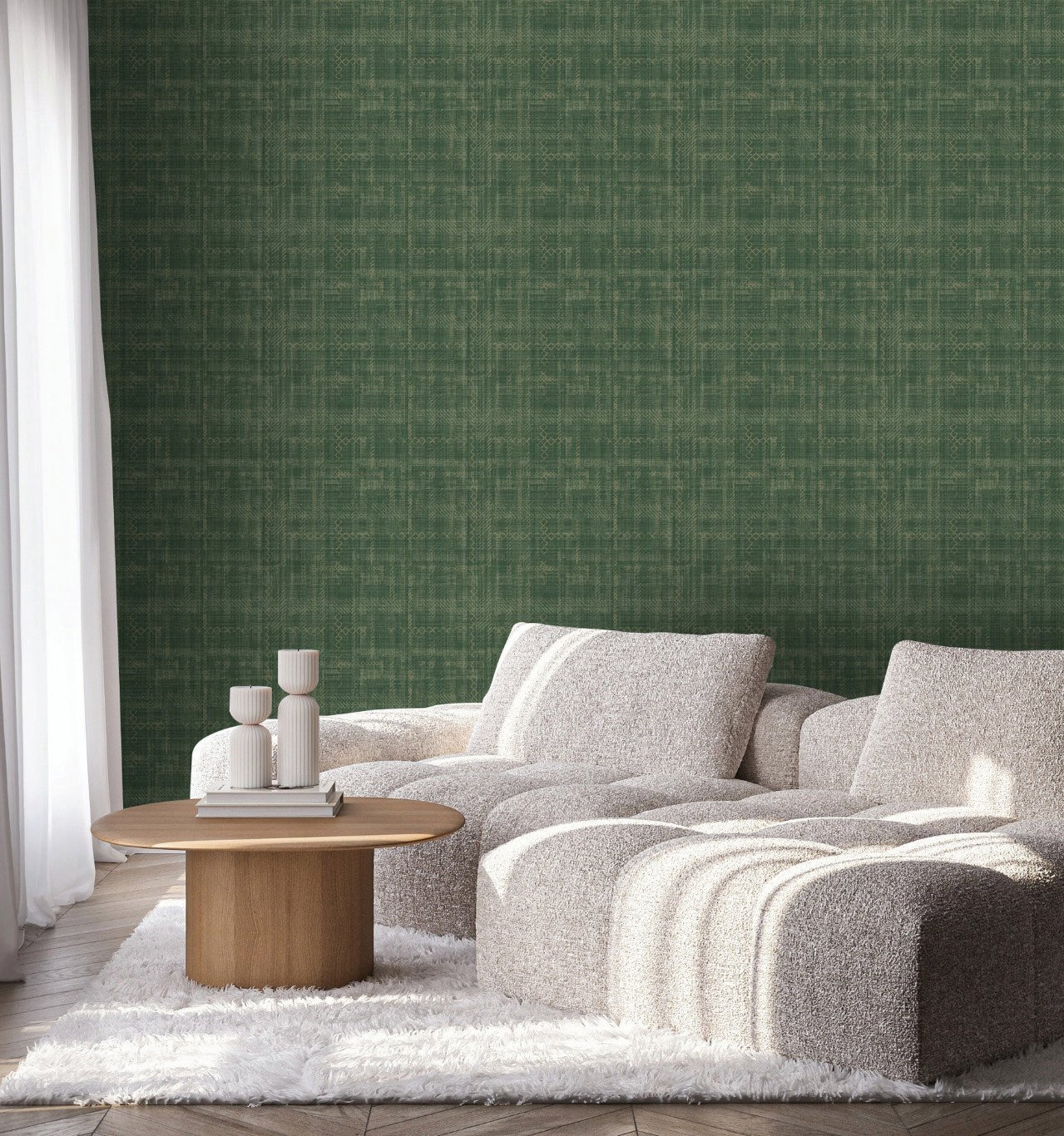
The Peranakan colour palette is the most immediate and impactful way to reference this heritage. A single feature wall in Peranakan turquoise or rose pink establishes the cultural connection. Pair it with neutral surroundings — white walls, timber floors — to prevent the bold colour from overwhelming a compact space.
For a subtler approach, use Peranakan colours in soft furnishings: cushions, curtains, and upholstered chairs in characteristic hues. This allows the colour to be introduced gradually and adjusted seasonally.
Peranakan-Inspired Wallcovering
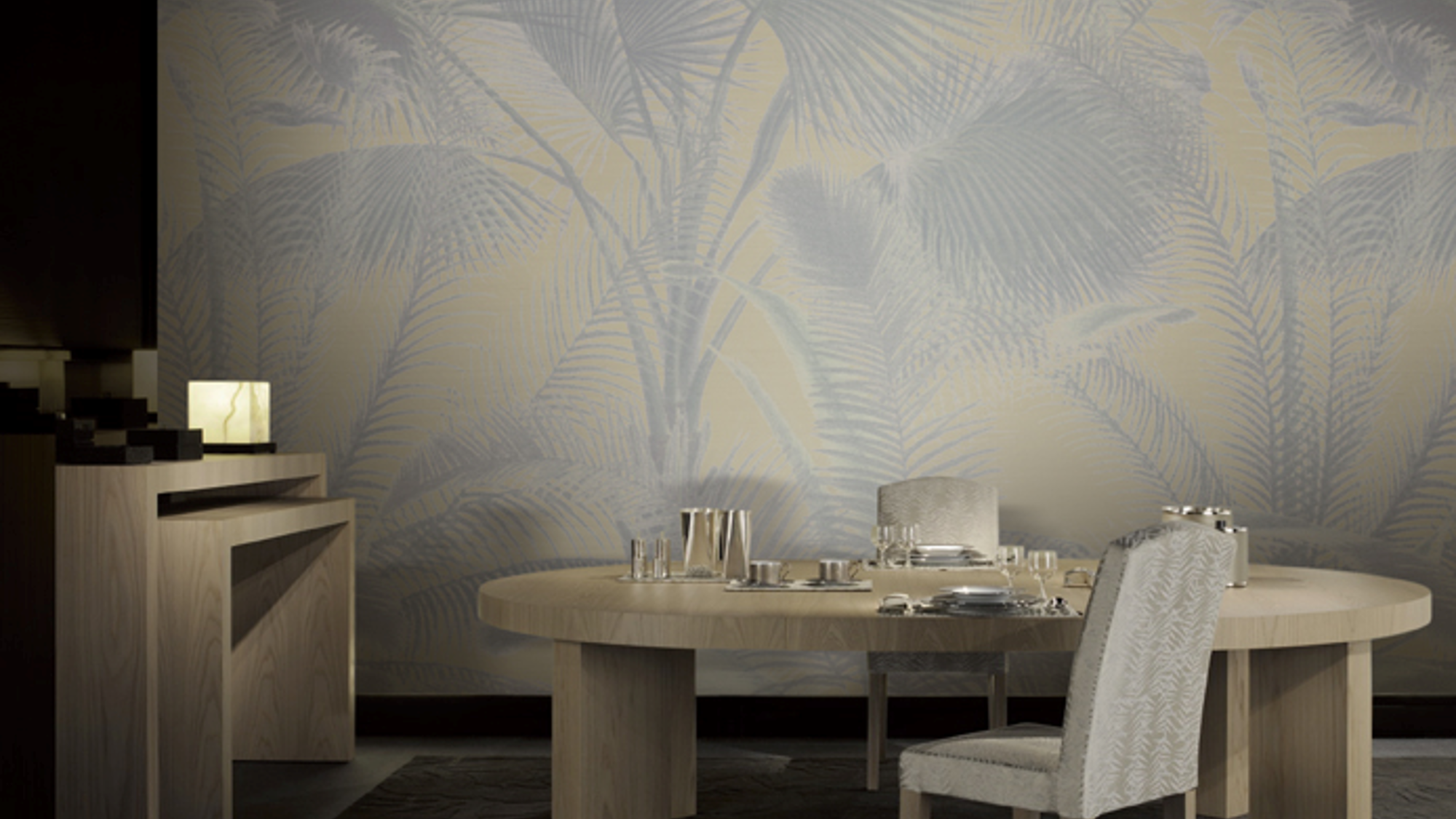
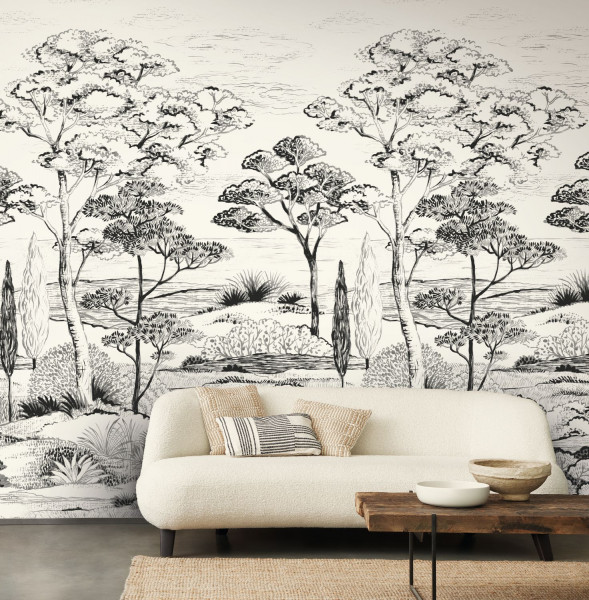
Wallpaper offers perhaps the most versatile medium for Peranakan-inspired design. Floral motifs, tile-effect patterns, and nature-inspired prints in the Peranakan colour palette can transform a feature wall into a celebration of Straits heritage. Modern residential wallcoverings offer sophisticated interpretations of these motifs — not literal reproductions, but contemporary designs that capture the essence of Peranakan pattern and colour.
Tile-Inspired Flooring and Surfaces
The geometric encaustic tiles found in traditional Peranakan shophouses are among the most recognisable elements of this design tradition. While authentic encaustic tiles are beautiful, they are also expensive and require significant maintenance. Tile-effect vinyl flooring and porcelain tiles that reference Peranakan geometric patterns provide a practical, affordable alternative for modern homes.
Furniture and Decorative Objects
Antique Peranakan furniture — carved blackwood chairs, mother-of-pearl inlaid cabinets, marble-topped tables — makes a powerful statement but can dominate a modern interior. A single statement piece — a carved sideboard in the dining area or an inlaid console in the entrance — provides a heritage anchor without overwhelming the space.
Peranakan ceramics (kamcheng, tiffin carriers, teapots) displayed on open shelving or in glass cabinets add cultural detail at a smaller scale.
Room-by-Room Design Ideas
Living Room
Anchor the living room with a Peranakan-inspired wallpaper feature wall behind the sofa. Keep the sofa itself in a neutral tone — cream, charcoal, or warm grey — and introduce Peranakan colour through cushions and a patterned rug. A carved timber coffee table or side table adds a heritage furniture element without dominating the room.
Dining Area
The dining area suits Peranakan design naturally, as communal meals are central to the culture. A round timber dining table (symbolising unity), chairs upholstered in a Peranakan-inspired fabric, and a display of traditional ceramics create an atmospheric dining experience. A pendant light in a lantern style nods to Peranakan shophouse lighting.
Kitchen
A tiled splashback in Peranakan-inspired geometric or floral patterns injects colour and heritage into the kitchen. This is a contained, practical application that survives the demands of a working kitchen while serving as a daily visual reminder of cultural identity.
Bedroom
In the bedroom, use Peranakan colour in the bedhead wall or through drapery fabric in heritage-inspired tones. Embroidered cushions and a richly coloured throw across the foot of the bed add luxury. Keep the overall palette restrained — one or two Peranakan colours against a neutral backdrop — to maintain the tranquillity needed for a sleeping space.
Balancing Heritage and Modernity
The most successful Peranakan-inspired interiors achieve a dialogue between old and new. Key strategies include the following.
- Edit ruthlessly: Select two or three Peranakan elements per room rather than filling every surface with heritage references. A few well-chosen pieces speak louder than a room full of competing motifs.
- Use a neutral framework: Modern architectural elements — clean-lined joinery, minimalist shelving, contemporary lighting — provide a calm backdrop that lets Peranakan elements shine.
- Mix eras intentionally: Pair a traditional carved sideboard with a modern dining table. Hang Peranakan-inspired wallpaper beside contemporary artwork. The juxtaposition honours the heritage while keeping the interior current.
- Respect the culture: Peranakan design carries cultural meaning. Use motifs and symbols thoughtfully, understanding their significance. This is cultural appreciation expressed through design, not mere decoration.
Final Thoughts
Peranakan interior design offers Singapore homeowners a deeply meaningful design direction rooted in the nation’s multicultural heritage. By thoughtfully incorporating Peranakan colour, pattern, and craftsmanship into modern interiors, you create spaces that honour the past while being entirely liveable for the present.
The key is restraint and quality — a curated selection of heritage elements integrated into a contemporary framework that lets each piece tell its story.
Visit the Goodrich Gallery to see wallcoverings, fabrics, and flooring options that complement Peranakan-inspired interior design.