Carpet & Flooring
Persian Rug Styling: How to Incorporate Oriental Rugs
Persian Rugs in Contemporary Interiors
Persian rug styling has evolved well beyond the traditional approach of placing an ornate rug in a formal sitting room. Today, oriental rugs are appearing in some of the most modern, minimalist interiors — not as period pieces, but as anchor elements that bring warmth, colour and artisanal character to otherwise pared-back spaces.
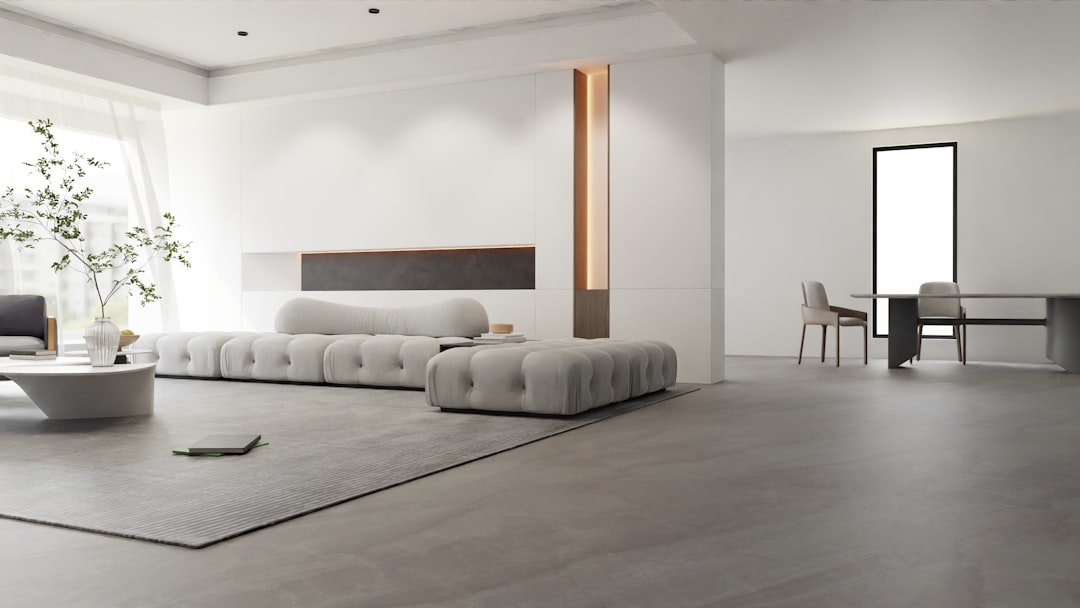
The contrast is what makes it work. A richly patterned Persian rug on a clean concrete floor, beneath a sleek modern sofa, creates a tension between old and new that feels deliberate and sophisticated. In Singapore homes, where contemporary design dominates, this juxtaposition of the handcrafted and the modern has particular appeal.
Whether you have inherited a family rug, invested in a new hand-knotted piece or are considering your first oriental rug purchase, these styling principles will help you integrate it beautifully into your home.
Understanding Persian Rug Styles
Persian rugs encompass a vast range of designs, and knowing the basic categories helps you match a rug to your interior scheme.
| Style | Characteristics | Best Interior Pairing |
|---|---|---|
| Tabriz | Intricate medallion centre, fine detail, rich colours | Traditional living rooms, formal dining rooms |
| Isfahan | Elaborate floral patterns, silk accents, jewel tones | Elegant bedrooms, formal sitting areas |
| Heriz | Bold geometric medallion, strong reds and blues | Transitional and eclectic living rooms |
| Kilim (flatweave) | Geometric, tribal patterns, lightweight | Modern, bohemian, Scandinavian interiors |
| Gabbeh | Simple, abstract designs, thick pile, earthy colours | Contemporary minimalist, japandi interiors |
| Kashan | Classic medallion with floral borders, deep reds | Traditional, classic and colonial interiors |
| Nain | Delicate patterns, ivory and blue palette, fine knotting | Light, airy rooms, modern-classic bedrooms |
For modern Singapore interiors, Gabbeh and Kilim styles integrate most naturally — their simpler patterns and earthier palettes complement contemporary furniture without visual competition. For traditional or eclectic homes, Tabriz, Heriz and Kashan designs deliver the full ornamental richness that defines Persian rug artistry.
Placement and Sizing
How and where you place a Persian rug determines whether it looks like a design choice or an afterthought.
Living Room
The rug should be large enough to anchor the seating arrangement. Ideally, the front legs of all major seating pieces rest on the rug. In Singapore HDB and condo living rooms, a 200cm x 300cm rug typically works for a standard sofa and armchair arrangement.
Avoid placing a Persian rug so that it floats in the centre of the room with all furniture off the edges — this makes the rug look like an island and the room feel disconnected.
Dining Room
Under a dining table, the rug must extend at least 60cm beyond the table on all sides so chairs remain on the rug when pulled out. The practical challenge is protecting the rug from food spills. If your dining area sees heavy daily use, a kilim or machine-made oriental-style rug is more practical than a hand-knotted silk piece.
Bedroom
A large Persian rug placed under the bed with at least 60-90cm extending on each side creates a warm, luxurious bedroom foundation. Alternatively, smaller matching rugs on either side of the bed provide the same comfort where it matters most — beside the bed where bare feet land each morning.
Hallways and Runners
Persian runners are designed for hallways and corridors. In landed properties with long entrance halls, a runner adds warmth and visual direction. In HDB flats, a runner in the main corridor between bedrooms softens the space and introduces colour.
Styling Persian Rugs with Modern Furniture
The most successful persian rug styling in contemporary homes follows a few consistent principles.
Let the rug lead the colour palette. A Persian rug contains multiple colours in its pattern. Pull two or three of these colours into the room scheme through cushions, curtains and accessories. This creates a cohesive look where the rug feels integrated rather than isolated.
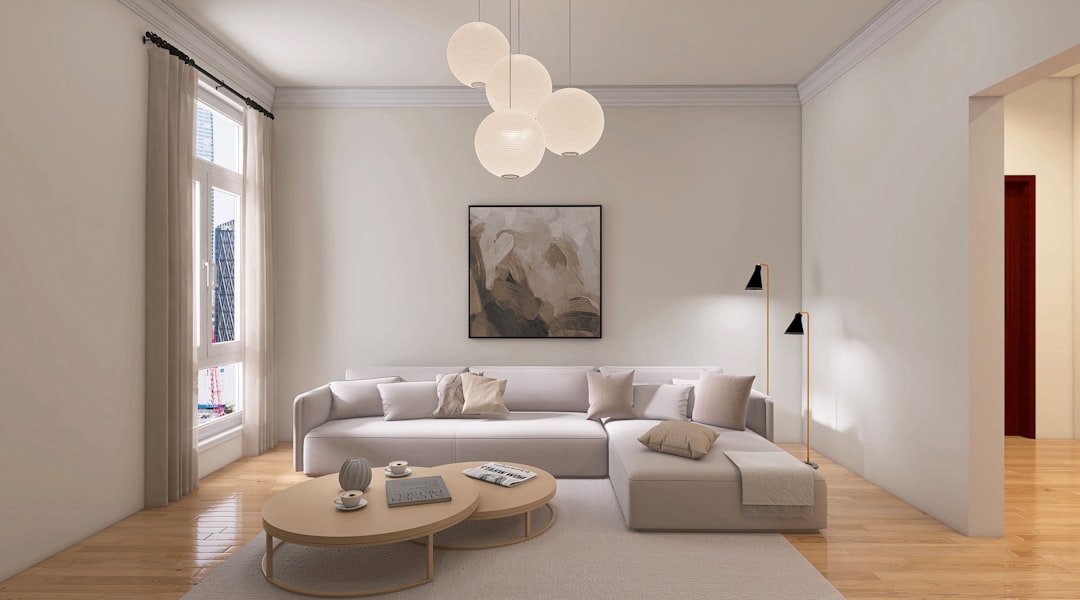
Keep surrounding furniture simple. Clean-lined, solid-coloured furniture allows the rug’s pattern to breathe. A Persian rug under a minimalist grey sofa with simple timber side tables creates elegant contrast. The same rug under heavily patterned upholstery creates visual chaos.
Mix textures, not patterns. When a Persian rug provides the pattern element, keep other textiles in solid colours but vary the textures — linen, velvet, leather, wool. This layered approach adds richness without pattern competition.
Embrace the contrast. A traditional Persian rug does not need a traditional room. Some of the most striking interiors pair ornate rugs with industrial concrete walls, modern art and contemporary lighting. The deliberate contrast between old and new creates spaces with genuine character.
Caring for Persian Rugs in Singapore
Singapore’s climate requires specific care practices to protect oriental rugs.
- Regular vacuuming — Vacuum the rug weekly, always in the direction of the pile. Avoid using a beater bar, which can damage delicate fibres. Vacuum the back of the rug monthly to remove embedded dust.
- Rotate every six months — Even rotation of 180 degrees distributes wear evenly and prevents one area from fading more than others, particularly if the rug receives uneven sunlight.
- Protect from direct sunlight — Singapore’s strong UV rays fade rug dyes over time. Position rugs away from floor-to-ceiling windows or use curtains and blinds to filter sunlight during peak hours.
- Manage humidity — In non-air-conditioned rooms, excess humidity can cause mould in the rug’s foundation. Ensure good air circulation around the rug, and consider a dehumidifier for rooms where the rug is a significant investment.
- Professional cleaning — Have Persian rugs professionally cleaned every two to three years by a specialist experienced with hand-knotted rugs. Standard carpet cleaning machines can damage delicate fibres and dyes.
- Use a rug pad — A quality rug pad prevents slipping, protects both the rug and the floor beneath, and allows air circulation under the rug — important for humidity management in Singapore.
Building a Collection
Many rug enthusiasts start with one Persian rug and gradually build a collection across rooms. When adding multiple oriental rugs to a home, aim for variety in pattern type while maintaining some colour harmony. A Heriz in the living room and a Nain in the bedroom can coexist beautifully if they share a common thread — perhaps both featuring shades of blue or cream.
Machine-made oriental-style rugs offer an accessible entry point for homeowners who love the Persian aesthetic but want a lower price point. Modern manufacturing produces remarkably faithful reproductions of classic patterns, and these rugs are available in standard sizes that suit Singapore room dimensions. As your appreciation grows, you can invest in hand-knotted pieces for your most important rooms while using machine-made alternatives in secondary spaces.
Consider the rug’s age and provenance as part of your design story. Vintage and antique Persian rugs carry a patina and character that new rugs — however well-made — cannot replicate. The slightly faded colours of an aged rug often blend more naturally into contemporary interiors than the vivid, saturated tones of a new piece.
Pair your Persian rug with complementary upholstery fabrics to create a layered, considered interior. Quality carpets and textiles share the same design language of texture, colour and craftsmanship.
Explore the carpet collection for rugs spanning traditional to contemporary styles, including hand-knotted options and machine-made oriental designs suited to Singapore homes.
Visit the Goodrich Gallery to see our full collection and discover oriental rugs in person — the richness of colour and texture must be experienced first-hand.