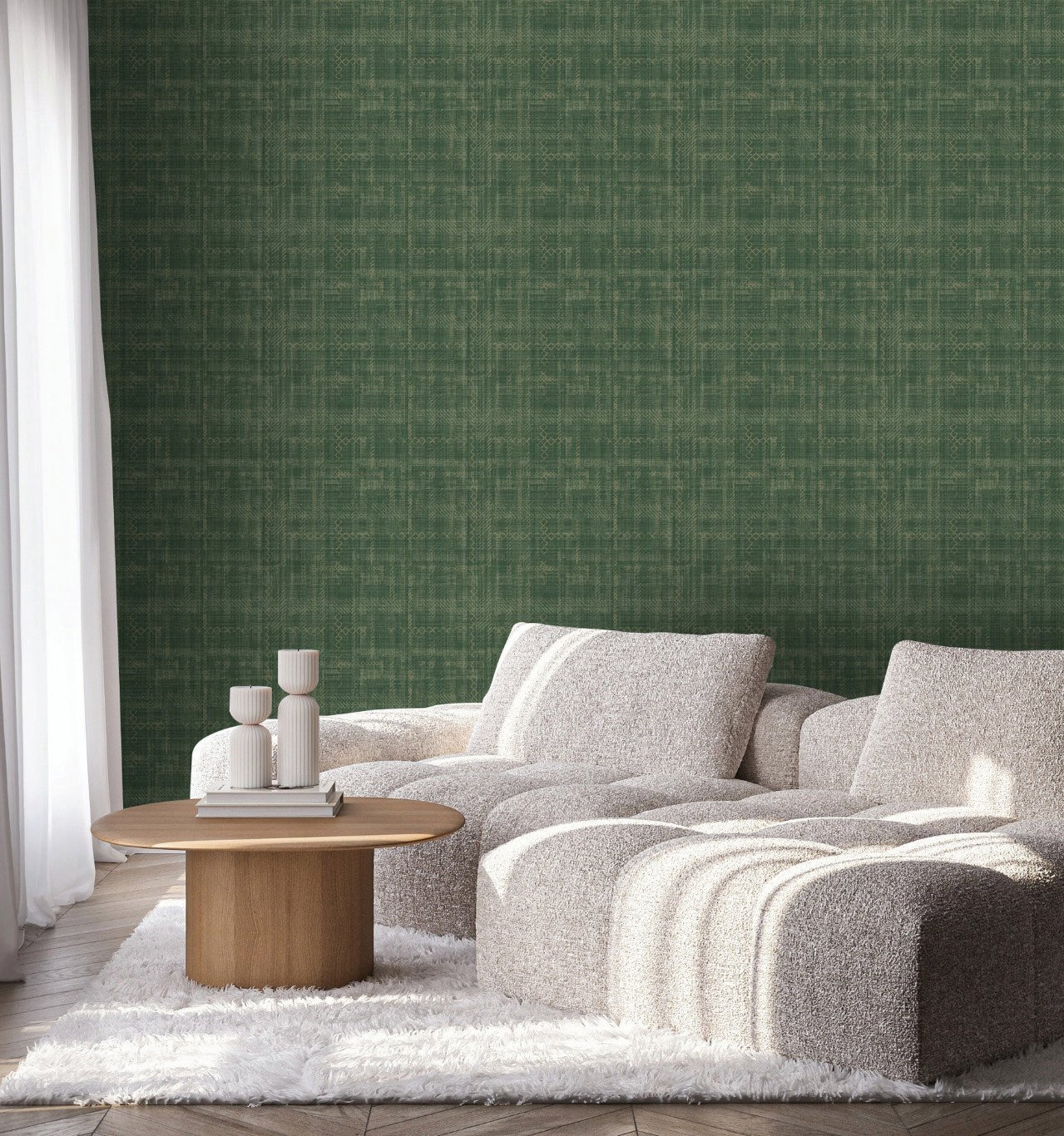
Interior Design
Pet-Friendly Interior Design: Durable Flooring and Fabric
Designing Around Your Pets
Pet ownership in Singapore has grown significantly, with HDB recently expanding the approved breeds of dogs that can be kept in flats. Whether you have a cat, a small dog, or both, your interior choices need to accommodate claws, fur, accidents, and the general wear that comes with sharing your home with animals.
Pet-friendly design does not mean sacrificing style. It means making informed material choices that look good and perform under the specific demands pets place on surfaces and furnishings.
Pet-Friendly Flooring
Flooring takes the most abuse from pets — scratches from claws, stains from accidents, and wear from constant movement. Choosing the right flooring is the single most important decision for a pet-friendly home.
Flooring Comparison for Pet Owners
| Flooring Type | Scratch Resistance | Stain Resistance | Slip Resistance | Pet Suitability |
|---|---|---|---|---|
| Luxury vinyl tile (LVT) | High | Excellent | Good | Excellent — top choice for pet owners |
| Ceramic/porcelain tile | Very high | Excellent | Variable — can be slippery | Good — but hard on joints |
| Engineered hardwood | Low to moderate | Moderate | Moderate | Fair — scratches visible |
| Laminate | Moderate | Good | Poor — slippery surface | Fair — can be noisy |
| Natural stone | High | Variable — porous types stain | Good when honed | Good — but cold and hard |
Why Luxury Vinyl Is the Top Choice
Luxury vinyl tiles and planks are the most recommended flooring for pet owners, and for good reason. The wear layer resists scratches from dog and cat claws. The waterproof core handles accidents without swelling or staining. The surface provides enough grip to prevent pets from sliding, which is important for joint health in dogs.
Modern LVT comes in realistic wood and stone effects, so you do not have to compromise on aesthetics. Look for products with a wear layer of 0.3 mm or thicker for homes with dogs — the thicker the wear layer, the better it resists claw marks.
Pet-Friendly Fabrics
Pets interact with fabric in destructive ways — cats scratch upholstery, dogs drool on cushions, and both shed fur that clings to textiles. The right fabric choices minimise these issues.
Upholstery Fabrics for Pet Owners
- Crypton and similar performance fabrics: Engineered with built-in moisture, stain, and odour resistance. Spills bead on the surface rather than absorbing. These are the gold standard for pet-friendly upholstery.
- Microfibre: Tightly woven fibres resist snagging from claws. Easy to clean and relatively affordable. Choose darker colours to hide fur.
- Leather and faux leather: Smooth surfaces do not trap fur and are easy to wipe down. However, leather can show claw scratches — choose distressed or top-grain leather that develops a patina with wear.
- Outdoor fabrics used indoors: Solution-dyed acrylic fabrics designed for outdoor use are inherently resistant to moisture, mildew, and staining. They are increasingly popular for indoor pet-friendly upholstery.
Fabrics to Avoid
- Silk: Delicate, shows every mark, impossible to clean at home
- Velvet (especially cotton velvet): Attracts and holds fur, shows claw marks
- Loose weaves: Cats pull threads from open-weave fabrics, causing rapid deterioration
- Chenille: Loops snag on claws and unravel
Explore upholstery fabric options that combine durability with the aesthetic you want for your living spaces.
Curtains and Drapes with Pets
Cats are particularly drawn to curtains — climbing, scratching, and playing with the fabric. Minimise damage by:
- Choosing heavier, tightly woven drapery fabrics that resist snagging
- Hanging curtains at sill length rather than floor length to keep them out of reach
- Using roller blinds or roman blinds as an alternative — cats cannot climb flat surfaces
- Avoiding sheer curtains with open weaves that are easy to snag and pull
Wall Protection
Pets can damage walls through scratching (cats), rubbing (dogs), and general contact. Protect your walls with:
- Vinyl wallcoverings: Durable, scrubbable, and resistant to scratching. Commercial-grade vinyl wallcoverings withstand far more abuse than paint.
- Wainscoting or half-wall panelling: Protects the lower portion of walls where pets make contact most often
- Washable paint: Semi-gloss or satin finishes are easier to wipe clean than matte paint
Managing Pet Hair
Fur management is an ongoing challenge. Your material choices significantly affect how much effort shedding requires:
| Surface | Fur Visibility | Ease of Removal | Tips |
|---|---|---|---|
| Smooth hard flooring | Low | Very easy — sweep or vacuum | Best overall for fur management |
| Low-pile carpet/rug | Moderate | Moderate — regular vacuuming | Match carpet colour to pet’s fur colour |
| High-pile carpet/rug | High | Difficult — fur embeds in fibres | Avoid in main pet areas |
| Leather/faux leather furniture | Low | Very easy — wipe down | Ideal for pet households |
| Woven fabric furniture | High | Moderate — lint roller or vacuum | Choose tight weaves over loose ones |
Designing for Specific Pets
Dogs
Dogs need non-slip flooring for joint health, especially larger breeds and older dogs. They track in dirt and water from walks, so an entry mat system is essential. Designate a landing zone near the front door with waterproof flooring and washable mats.
Avoid sharp furniture corners at dog height, and choose furniture with legs that are high enough for a robot vacuum to pass beneath — pet households benefit enormously from automated cleaning.
Cats
Cats scratch to maintain their claws — it is instinctive behaviour you cannot eliminate, only redirect. Provide scratching posts and pads near any furniture or walls they tend to target. Sisal-covered posts are typically preferred over carpet-covered ones.
Cats also appreciate vertical space. Wall-mounted shelves or cat walks keep them off furniture and give them elevated vantage points they naturally seek.
Creating a Pet Zone
Designating a specific area for your pet’s bed, toys, and feeding station keeps mess contained and makes cleaning more manageable. Choose a corner of the living room or a utility area and outfit it with:
- Waterproof flooring or a washable mat beneath the feeding station
- A washable pet bed with a removable cover
- Storage for toys and grooming supplies
- Easy-clean wall protection at pet height — a section of vinyl wallcovering or wainscoting
In HDB flats, the service yard or a section of the kitchen often serves as the practical pet zone. In condos, a utility room or balcony (for approved breeds) provides a dedicated space that keeps the main living areas tidier.
Odour Management
Pet odours accumulate in soft furnishings, carpets, and poorly ventilated areas. Mitigate this through:
- Choosing odour-resistant performance fabrics for upholstery
- Washing pet bedding and removable covers weekly
- Ensuring good ventilation — Singapore’s humidity can amplify pet odours
- Using washable rugs in pet-frequented areas
- Selecting flooring with sealed surfaces that do not absorb odours
Build a Home You Both Love
Pet-friendly design is about making smart material choices that reduce maintenance while maintaining the aesthetic standard you want for your home. The right flooring, fabrics, and wall treatments let you live comfortably with your pets without constant worry about damage.
Get a free quote for your project today and explore durable, stylish options that work for every member of your household — including the four-legged ones.