Carpet & Flooring
School Flooring in Singapore: Safety and Durability
School flooring in Singapore must meet a demanding set of requirements that go well beyond aesthetics. Every surface in a school — from classrooms and corridors to assembly halls and canteens — must be safe, durable, easy to clean, and conducive to a productive learning environment. With hundreds of students, staff, and visitors moving through the building daily, flooring faces more intense use than almost any other building element.
This guide examines the best flooring options for Singapore schools, the performance criteria that matter most, and how to specify materials that deliver long-term value.
Key Requirements for School Flooring
Schools present a unique combination of demands that narrows the field of suitable flooring materials considerably.
Safety
Slip resistance is the foremost safety consideration. School corridors and canteens are frequently wet from spills, tracked-in rainwater, and cleaning. Flooring must maintain a safe level of grip in both dry and wet conditions. Products with an R10 rating or higher are recommended for general areas, with R11 or higher for wet zones and outdoor-covered walkways.
Impact absorption is also important, particularly in early childhood and primary school settings. A floor with some cushioning — such as vinyl with a foam backing or carpet tiles — reduces the severity of injuries from falls during play and physical activity.
Durability
School floors endure chair legs scraping, heavy foot traffic, wheeled equipment, and the general rough-and-tumble of student life. The flooring must resist scratching, scuffing, and indentation without showing rapid deterioration. Commercial-grade products with thick wear layers and high abrasion resistance ratings are essential.
Hygiene
Non-porous surfaces that resist bacteria, mould, and staining simplify the daily cleaning routines that school maintenance teams follow. Seamless or minimal-seam installations reduce the number of places where dirt and germs can accumulate.
Acoustics
Noise management matters in educational settings. Hard, reflective surfaces amplify the sound of chairs, footsteps, and conversation, increasing background noise levels that can impair concentration and teaching effectiveness. Flooring materials with sound-absorbing properties contribute to a calmer, more focused learning environment.
Best Flooring Options for Schools
Vinyl Sheet and LVT
Vinyl flooring is the most widely specified material for Singapore schools. Sheet vinyl in particular offers seamless coverage that minimises joints where dirt can collect. It is waterproof, slip-resistant (with textured surfaces), and available in a vast range of colours that can be used to create wayfinding paths, zone markings, and visually stimulating environments.
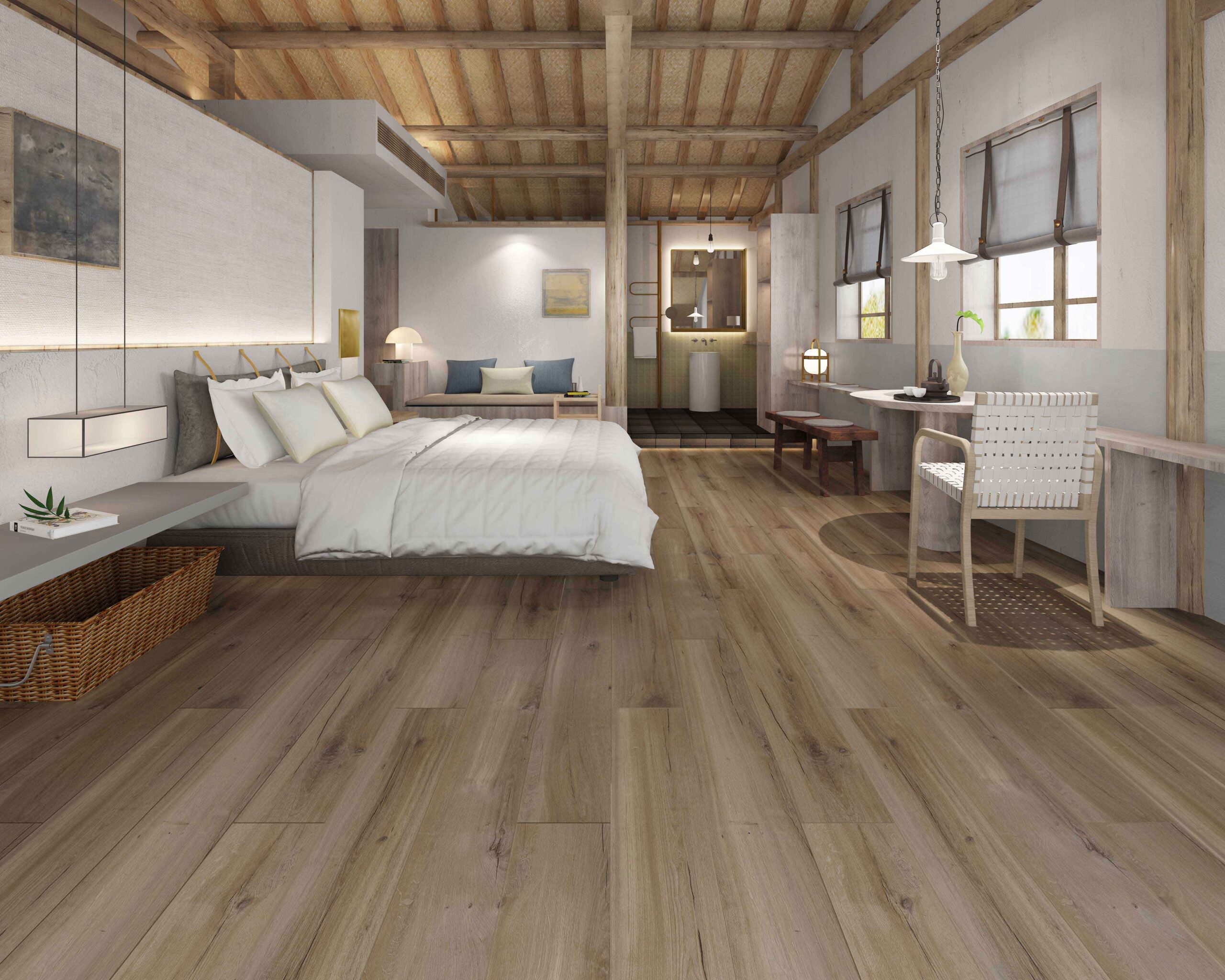
LVT (luxury vinyl tile) in plank or tile format provides more design flexibility, allowing schools to create distinct visual identities for different zones — timber-look planks in the library, stone-look tiles in the canteen, and bright solid colours in early childhood classrooms.
Both vinyl sheet and LVT are easy to maintain with standard mopping and periodic machine scrubbing. Explore Goodrich Global’s commercial flooring range for products meeting school-grade performance requirements.
Carpet Tiles
Carpet tiles are excellent for classrooms, libraries, and reading corners where acoustic performance and comfort are priorities. They absorb sound effectively, reduce echo, and create a warmer, more inviting atmosphere for learning.
The modular format of carpet tiles is particularly practical for schools. Individual tiles that become stained or damaged can be replaced without disturbing the surrounding floor — a significant maintenance advantage in environments where spills and mishaps are daily occurrences.
For high-traffic corridors and canteens, carpet tiles are less suitable. They soil more quickly than hard surfaces and require more frequent cleaning in these demanding zones.
Rubber Flooring
Rubber flooring is specified for gymnasiums, dance studios, multi-purpose halls, and covered outdoor areas. It provides excellent impact absorption, slip resistance, and durability under heavy use. Rubber flooring is also remarkably quiet underfoot — a valuable property in sports halls adjacent to classrooms.
Available in rolls and tiles, rubber flooring comes in a range of colours and is straightforward to maintain with regular mopping and periodic deep cleaning.
Flooring Recommendations by School Zone
| Zone | Recommended Flooring | Key Priority |
|---|---|---|
| Classrooms | Vinyl sheet or LVT | Durability, easy cleaning |
| Library / reading rooms | Carpet tiles | Acoustics, comfort |
| Corridors | Vinyl sheet | Durability, slip resistance |
| Canteen | Vinyl sheet (textured) | Waterproof, slip resistance |
| Assembly / multi-purpose hall | Vinyl sheet or rubber | Impact absorption, durability |
| Gymnasium | Rubber | Impact absorption, grip |
| Early childhood centre | Vinyl with foam backing | Cushioning, safety, colour |
| Covered walkways | Textured vinyl or rubber | Wet slip resistance |
| Science labs | Chemical-resistant vinyl | Chemical resistance, easy cleaning |
Design Considerations for Educational Spaces
Beyond functional performance, school flooring plays a role in creating environments that support learning and wellbeing.
- Colour and wayfinding: Different flooring colours can denote different zones — green for science, blue for humanities, warm tones for social spaces. This visual coding helps students navigate the building intuitively.
- Biophilic design: Nature-inspired patterns and warm timber tones in vinyl flooring contribute to biophilic design principles, which research suggests can improve student concentration and reduce stress.
- Inclusive design: Colour contrast between floor and wall surfaces helps students with visual impairments identify boundaries and navigate safely. Avoid highly reflective or very dark surfaces that can cause glare or obscure obstacles.
Lifecycle Cost and Maintenance
For school administrators and facility managers, lifecycle cost — the total cost of ownership over the flooring’s lifespan — is often more relevant than upfront material cost.
Commercial vinyl flooring with a 0.55 mm or thicker wear layer can last 15–20 years in a school environment with proper maintenance. Carpet tiles typically last 8–12 years, depending on traffic and maintenance frequency. Rubber flooring in gymnasiums can exceed 20 years.
Factoring in replacement cycles, maintenance costs, and downtime, vinyl sheet frequently emerges as the most cost-effective option for general school areas. The commercial carpet tile range from Goodrich Global offers products engineered for the extended performance demands of educational facilities.
Final Thoughts
School flooring in Singapore must balance safety, durability, hygiene, acoustics, and aesthetics — and deliver on all of these over many years of intensive use. Vinyl sheet and LVT provide the most versatile all-round solution, carpet tiles excel in acoustic-sensitive areas, and rubber handles the demands of sports and activity zones. Specify each zone with the right material, invest in commercial-grade products, and your school floors will support learning effectively for years to come.
Get a free quote for your school flooring project and let our commercial team recommend products that meet your safety and budget requirements.