Interior Design
Service Apartment Interior Design Guide – Goodrich
Service apartment interior design demands a careful balance between hotel-grade aesthetics and the comfort of a genuine home. Unlike conventional hotels, serviced apartments must accommodate guests who stay for weeks or months, requiring durable finishes, functional kitchenettes, and living spaces that feel personal rather than institutional.
In Singapore, the serviced apartment segment continues to grow, driven by expatriate relocations, corporate travellers, and a steady stream of long-stay visitors. Operators who invest in thoughtful interior design consistently achieve higher occupancy rates and stronger guest reviews.
Understanding the Service Apartment Market
Singapore hosts a wide range of serviced residences, from premium brands in the Orchard Road corridor to mid-tier options in the CBD and suburban hubs like Novena and one-north. Regardless of positioning, operators share common design challenges.
Guests in serviced apartments expect more storage than a hotel room, a functioning workspace, laundry facilities, and a kitchen that can handle proper meal preparation. The interior must accommodate these practical needs while maintaining the polished look that justifies premium nightly rates.
Durability is equally critical. Units see constant turnover, with housekeeping teams servicing them multiple times per week. Every surface, from flooring to wall finishes, must withstand heavy cleaning cycles and frequent guest changeovers without showing premature wear.
Flooring for High-Turnover Environments
Flooring takes the greatest punishment in any serviced apartment. Guests wheel luggage across it, move furniture for their comfort, and occasionally spill food and beverages. The ideal flooring solution must look refined while tolerating this daily wear.
Luxury vinyl tile (LVT) has become the default specification for many Singapore serviced apartment operators. It offers several advantages over traditional materials:
- Realistic wood and stone visuals that elevate the space
- Waterproof construction suitable for kitchenettes and bathrooms
- Excellent acoustic properties that reduce noise transfer between units
- Individual plank replacement if damage occurs, minimising downtime
- Commercial-grade wear layers rated for heavy foot traffic
SPC (stone polymer composite) flooring is another strong contender, offering superior rigidity and dimensional stability in areas with direct sunlight exposure from floor-to-ceiling windows.
Wall Finishes That Balance Style and Maintenance
Painted walls are the default in most serviced apartments, but paint scuffs easily and requires frequent touch-ups between guest stays. Commercial-grade wallcoverings offer a more durable and visually distinctive alternative.
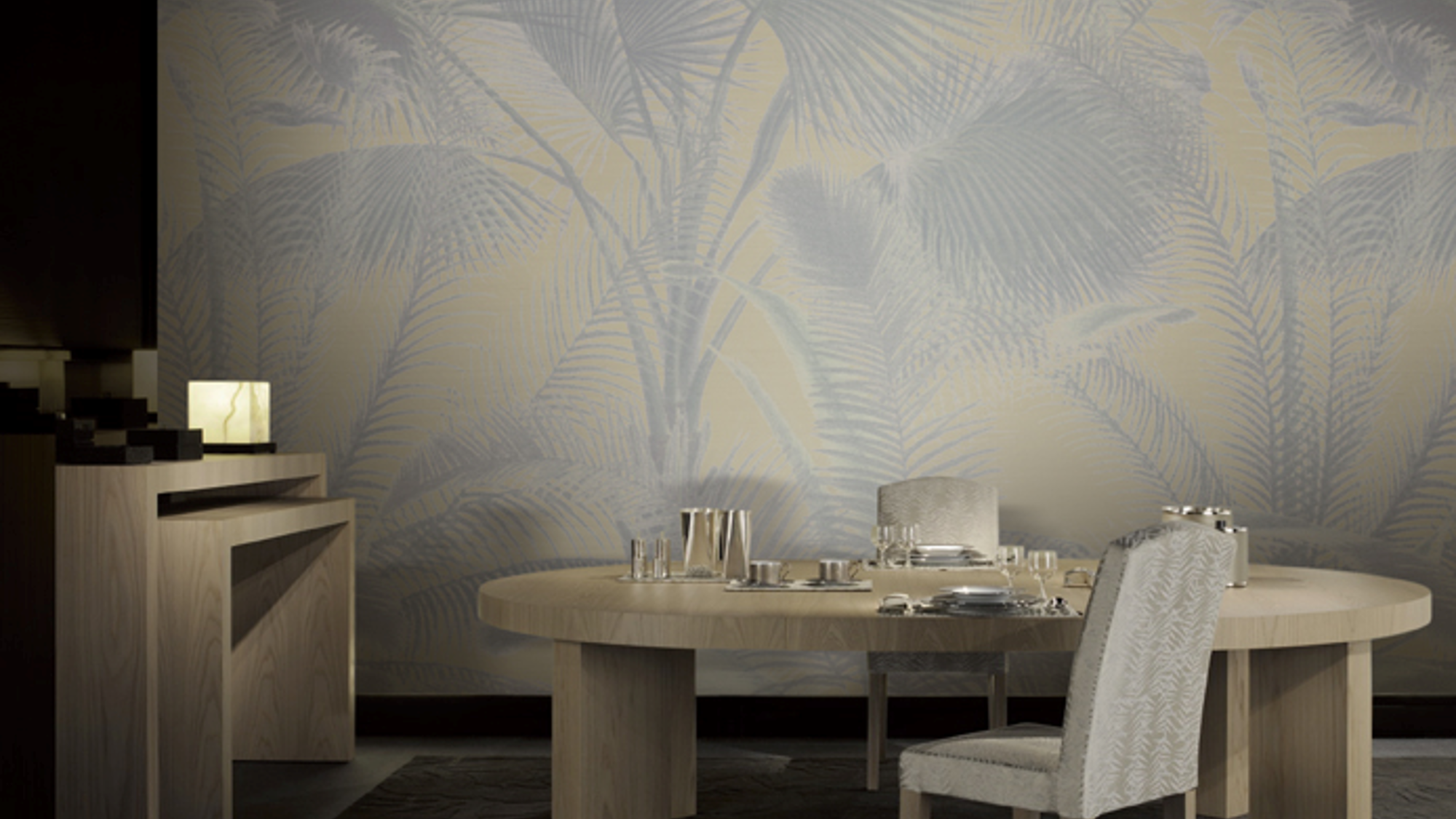
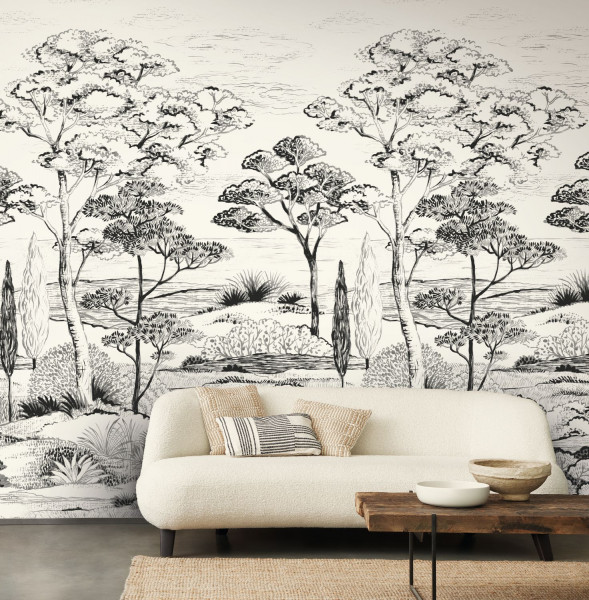
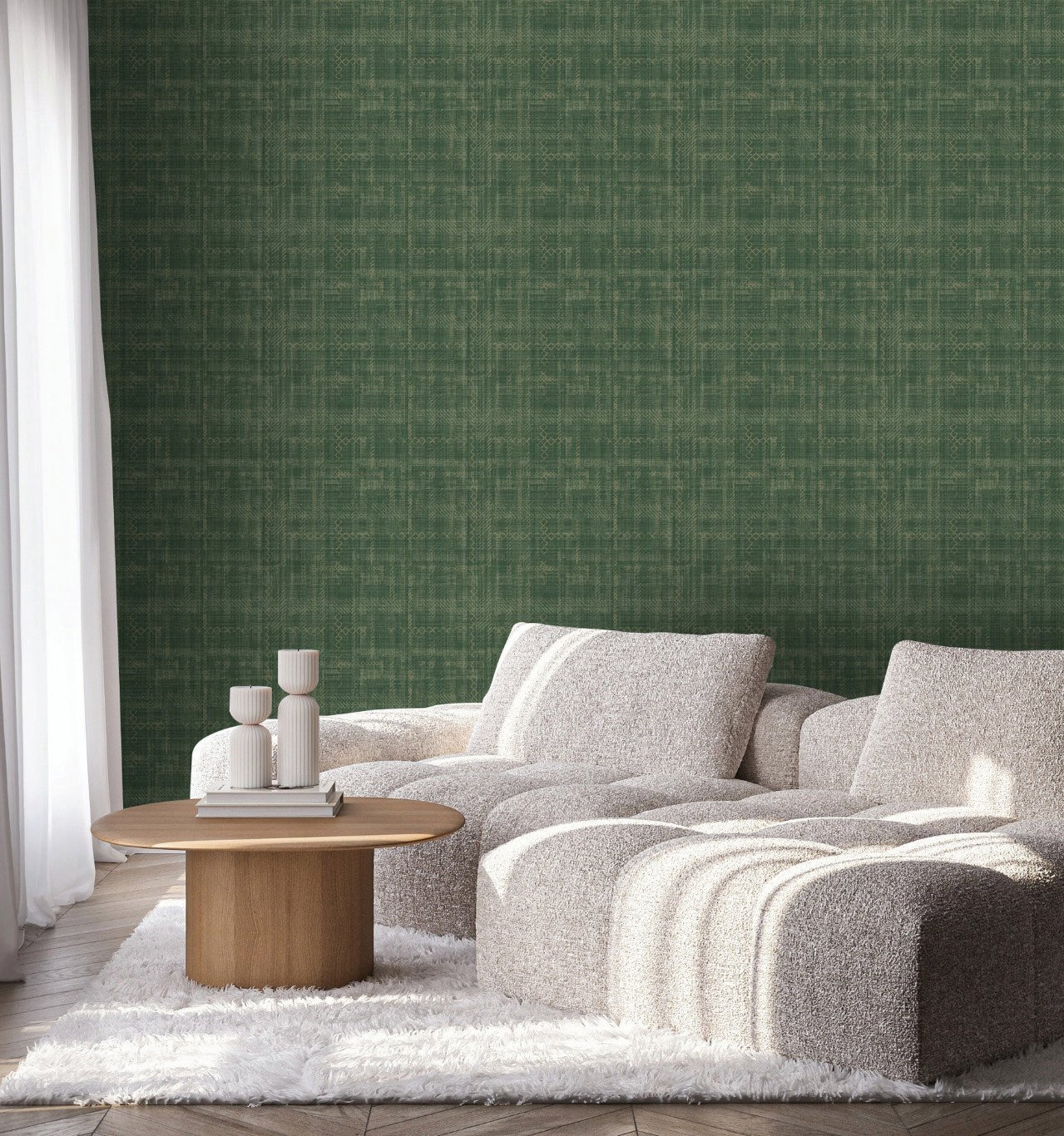
Vinyl wallcoverings are specifically engineered for hospitality environments. They resist staining, scuffing, and moisture, and they can be wiped clean with standard housekeeping products. Available in textures ranging from linen effects to subtle geometrics, they add depth and warmth that flat paint simply cannot achieve.
For feature walls in lobbies and common areas, Goodrich Global’s wallcovering range includes designs from leading Japanese and European manufacturers that suit both contemporary and classic serviced apartment aesthetics.
Furniture Layout and Space Planning
Effective space planning is the backbone of successful service apartment interior design. Most units range from studios of 30 square metres to two-bedroom apartments of 80 to 100 square metres. Every square metre must serve a purpose.
The Living and Dining Zone
An open-plan living and dining layout maximises perceived space. A compact dining table for two to four guests should sit near the kitchenette, while the sofa and entertainment unit occupy the opposite end. Avoid L-shaped sofas in studios; they consume too much floor area.
The Workspace
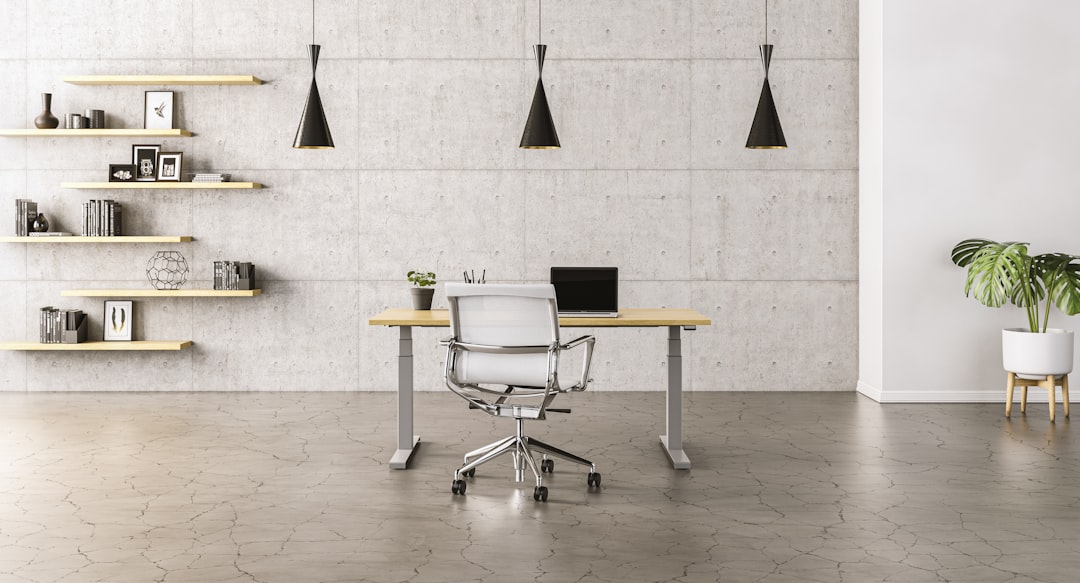
A dedicated work desk with task lighting and accessible power outlets is no longer optional. Corporate guests increasingly expect a comfortable workspace. Position the desk near a window for natural light, and ensure the chair is ergonomic rather than decorative.
The Kitchenette
Even a compact kitchenette benefits from considered design. Upper cabinetry maximises storage, a pull-out pantry organiser keeps provisions accessible, and under-cabinet lighting improves visibility for food preparation.
Fabric Selection for Soft Furnishings
Upholstery, curtains, and bed linens define the tactile experience of a serviced apartment. Guests notice quality fabrics immediately, and poor-quality textiles are a common complaint in guest reviews.
For sofas and armchairs, specify commercial-grade upholstery fabrics with high abrasion resistance (at least 30,000 Martindale cycles for heavy-use seating). Stain-resistant finishes are essential, particularly for lighter colourways.
Drapery should provide effective blackout capability for bedrooms while offering sheer options for living areas that allow natural light. Dual-track curtain systems give guests control over privacy and light levels.
All soft furnishings should meet fire safety standards mandated by the Singapore Civil Defence Force (SCDF) for commercial accommodation. Specify fabrics that carry relevant fire-retardant certifications to ensure compliance.
Creating a Sense of Place
The most successful serviced apartments feel rooted in their location rather than generic. In Singapore, this might mean incorporating local design references: Peranakan-inspired colour palettes, tropical botanical prints, or textures that nod to Southeast Asian craft traditions.
Artwork and decorative objects should feel curated rather than mass-produced. Even small touches, such as a locally designed cushion cover or a framed print from a Singapore artist, help guests feel connected to the city they are visiting.
Material palettes that reference Singapore’s natural environment, think warm timbers, rattan textures, and lush greens, create a welcoming atmosphere that transcends cultural backgrounds. This is particularly important for serviced apartments that host a diverse international clientele.
Final Thoughts
Service apartment interior design succeeds when it serves the guest’s practical needs without sacrificing visual appeal. Durable flooring, low-maintenance wall finishes, functional layouts, and quality soft furnishings are the foundations of a unit that guests want to return to and recommend.
Get a free quote for your project today. Goodrich Global supplies flooring, wallcovering, and fabric solutions for serviced apartment operators across Singapore.