Articles / Carpet & Flooring / Healthcare Interiors
Slip Resistant Vinyl Flooring for Hospitals and Long-Term Fall Prevention

Introduction: Why Slip Resistance Is a Hospital Safety Priority
Slip and fall incidents remain one of the most persistent safety challenges in healthcare environments. Hospitals operate around the clock, with constant movement of patients, staff, visitors, and equipment across floors that are frequently wet due to cleaning, spills, or clinical activity. In this setting, flooring performance is not a background consideration but a core safety control. This is where slip resistant vinyl flooring for hospitals becomes a critical component of risk management.
Falls in hospitals rarely result from a single factor. They emerge from the interaction between vulnerable patients, fast-paced workflows, and environmental conditions that leave little margin for error. Flooring that fails to provide consistent traction increases the likelihood of injuries, staff downtime, and liability exposure.
Treating slip resistant vinyl flooring as infrastructure rather than a design choice reframes flooring decisions as part of a broader patient safety strategy. Reliable slip resistance supports safer movement, reduces preventable incidents, and reinforces a hospital’s responsibility to protect everyone within its care environment.
Falls in Hospitals: Scope, Causes, and Consequences
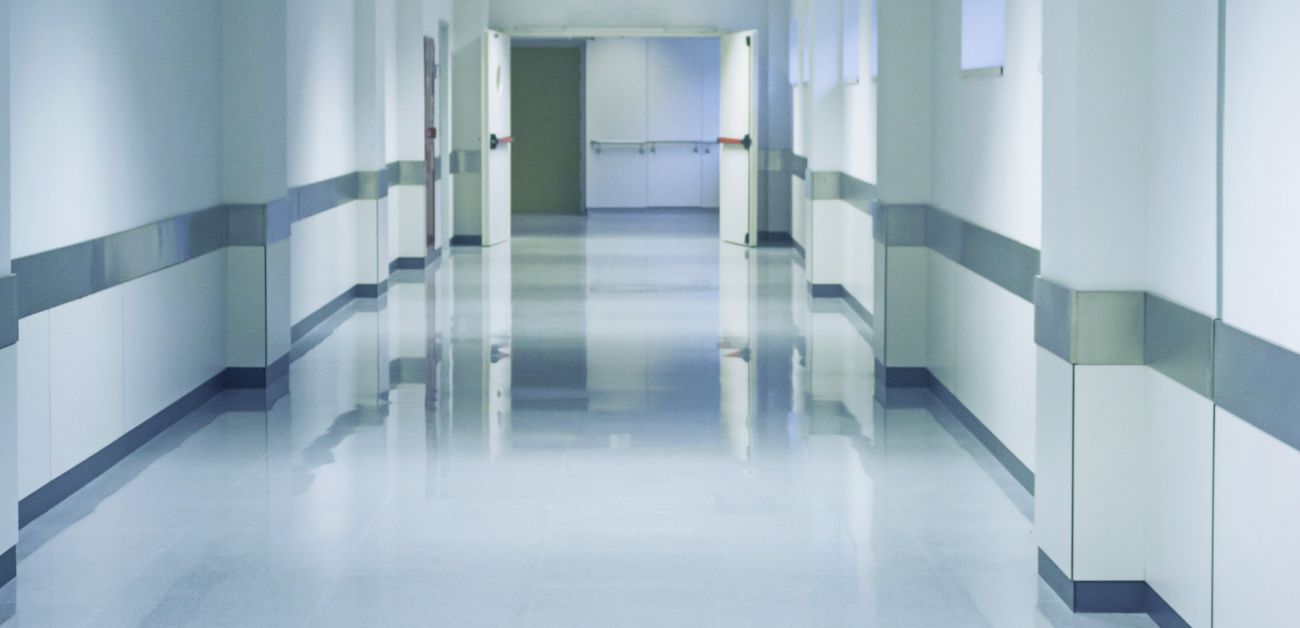
Slips and falls are among the most frequently reported safety incidents in hospitals, affecting both patients and healthcare workers. Patients recovering from surgery, managing mobility limitations, or under the influence of medication are especially vulnerable to balance loss. Staff members also face risk as they move quickly between tasks, transport patients, or handle equipment in demanding conditions. These incidents often result in injuries, extended recovery times, and increased operational strain.
The consequences extend beyond physical harm. Falls can lead to longer hospital stays, reduced patient confidence, and significant legal and financial exposure for healthcare institutions. Staff injuries contribute to absenteeism, increased workload for remaining teams, and higher insurance costs. Over time, repeated incidents can signal systemic safety issues rather than isolated accidents.
Environmental factors play a decisive role. Wet floors, uneven surfaces, worn materials, and inadequate traction increase risk. Addressing these factors through slip resistant vinyl flooring helps reduce preventable incidents by creating safer conditions across patient-care and operational areas.
Flooring Performance Under Real Hospital Conditions

Hospital floors are exposed to conditions that differ significantly from those in commercial or residential settings. Routine cleaning cycles leave surfaces damp multiple times a day, while spills from liquids, bodily fluids, and cleaning agents occur unpredictably. These conditions create ongoing slip hazards, particularly in corridors, patient rooms, and treatment areas where activity cannot pause for drying time.
High foot traffic compounds this challenge. Staff, patients, and visitors move continuously across the same surfaces, often while pushing beds, wheelchairs, and medical equipment. This movement accelerates surface wear and can reduce traction over time if flooring materials are not designed to retain slip resistance under stress. Traditional flooring systems may perform well initially but degrade as wear accumulates.
Slip resistant vinyl flooring is engineered to perform differently under these real-world conditions. They are designed to maintain consistent traction even when wet and after repeated cleaning. This sustained performance supports safer movement throughout the facility, reducing reliance on temporary controls and minimising fall risk during daily operations.
Understanding Slip Resistance in Clinical Flooring
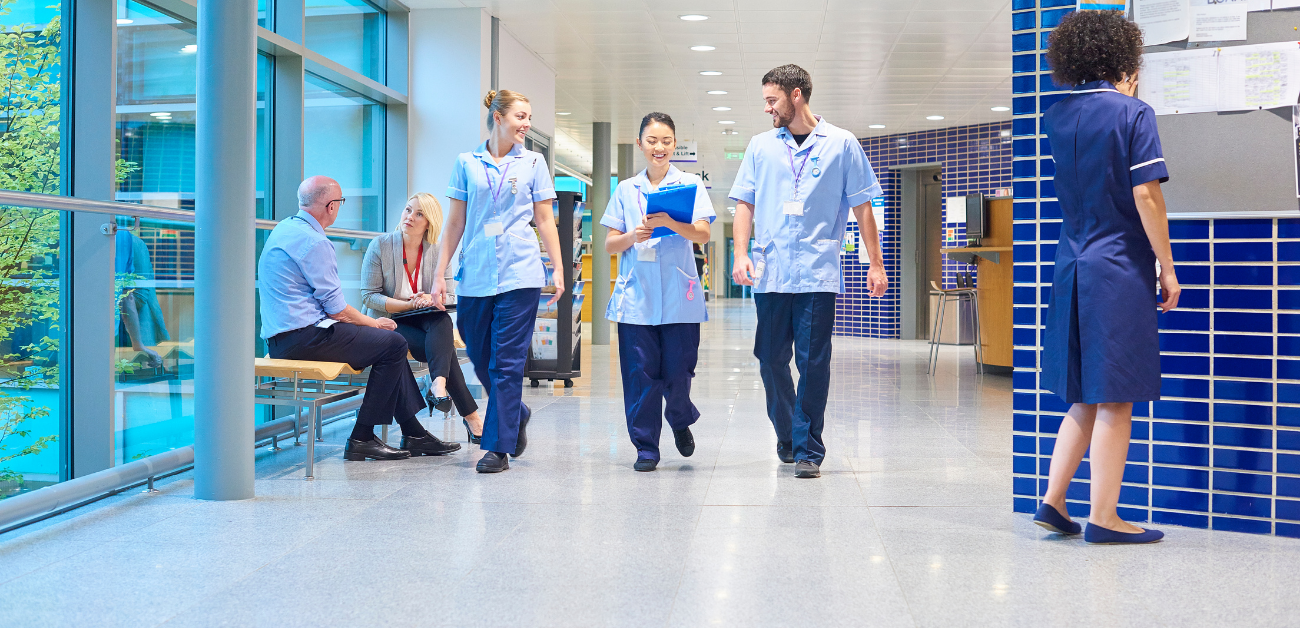
Slip resistance in hospital flooring is measured using the coefficient of friction, which indicates how much traction a surface provides under specific conditions. Higher coefficients generally correspond to better resistance against slipping, particularly on wet surfaces. Healthcare facilities rely on established safety thresholds to evaluate whether flooring materials provide adequate traction for patient and staff movement.
Surface texture plays a key role in achieving slip resistance, but it must be carefully balanced with cleanability. Highly textured surfaces may improve traction but can also trap dirt and moisture, making thorough cleaning more difficult. In clinical environments, flooring must support both safety and hygiene without compromising either requirement.
For slip resistant vinyl flooring in hospitals, performance expectations extend beyond initial testing. The flooring must maintain safe friction levels after repeated cleaning, exposure to disinfectants, and constant traffic. Reliable slip resistance over time ensures that safety benefits persist throughout the product’s lifespan, supporting consistent fall prevention in demanding healthcare settings.
Mobility, Accessibility, and Patient Movement
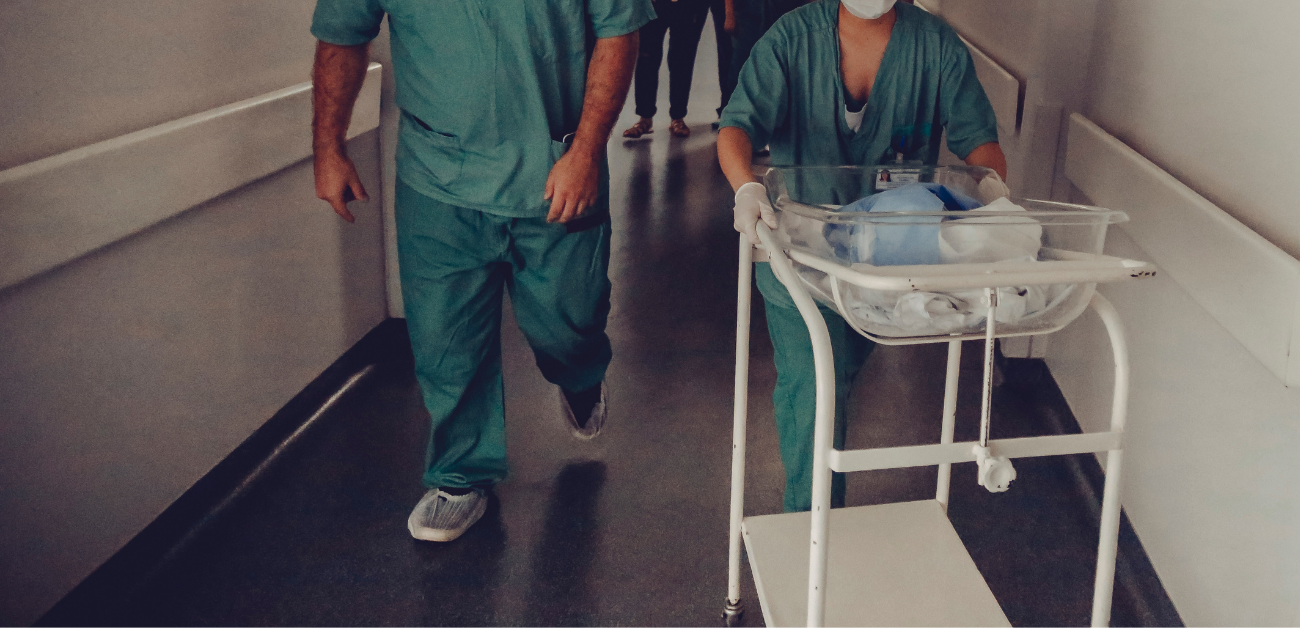
Mobility within hospitals depends on flooring that supports both stability and ease of movement. Patients frequently rely on wheelchairs, walkers, crutches, or assisted transport, while staff manoeuvre beds and equipment through corridors and treatment areas. Flooring that is too slick increases fall risk, while surfaces that create excessive resistance can hinder movement and strain caregivers.
Achieving the right balance between traction and smooth mobility is essential. Floors must provide enough grip to prevent slipping underfoot, yet remain uniform and smooth enough to allow wheels and mobility aids to move without obstruction. Inconsistent surfaces or abrupt transitions can disrupt balance and complicate assisted transport.
Slip resistant vinyl flooring addresses these requirements by delivering controlled traction without sacrificing mobility. Their consistent surface characteristics support safe patient movement, reduce physical effort for staff, and improve accessibility across diverse clinical environments, contributing to safer and more inclusive healthcare spaces.
Compliance, Liability, and Risk Management
Hospitals operate within strict safety and accessibility frameworks designed to reduce preventable injuries. Slip and fall prevention is a core focus of these standards, as falls remain a leading cause of patient harm and staff injury. During inspections and audits, flooring is evaluated for traction, condition, and suitability for high-risk environments. Surfaces that appear worn, overly smooth, or inconsistent can raise concerns about compliance and prompt corrective actions.
Liability exposure is closely tied to environmental safety. When slips and falls occur, flooring conditions are often scrutinised as part of incident investigations. If materials are found to be inadequate for wet or high-traffic conditions, institutions may face legal claims, insurance implications, and reputational damage. These risks persist even when staff follow established safety protocols.
Implementing slip resistant vinyl flooring in hospitals supports proactive risk management by aligning flooring performance with regulatory expectations. Reliable traction, durability, and consistent performance help reduce fall incidents, strengthen compliance posture, and demonstrate institutional commitment to patient and staff safety.
Durability, Maintenance, and Long-Term Safety Performance

Slip resistance must be sustained over time to remain effective in hospital environments. Continuous foot traffic, rolling equipment, and routine cleaning gradually wear down flooring surfaces, which can reduce traction if materials are not engineered for long-term use. As surfaces polish or degrade, the risk of slips increases despite initial performance ratings.
Cleaning chemicals introduce additional stress. Disinfectants and detergents used in hospitals are often harsh, and repeated exposure can break down surface treatments or alter texture. Flooring that relies on temporary coatings may lose slip resistance as these layers wear away, creating hidden safety risks.
Evaluating slip resistant vinyl flooring for longevity requires examining how well traction is maintained after repeated cleaning and extended use. Durable materials designed for clinical conditions help preserve safety performance, reduce maintenance interventions, and support consistent fall prevention throughout the flooring’s service life.
Ethical Responsibility in Preventing Hospital Falls

Hospital flooring should be recognised as foundational infrastructure rather than a background design feature. Its performance influences infection control, fall prevention, maintenance efficiency, and regulatory compliance on a daily basis. Seamless construction, durability, and cleanability elevate flooring from a surface choice to a safety system.
Across clinical environments, seamless vinyl flooring solutions help reduce contamination pathways, support consistent cleaning, and maintain safe movement for patients and staff. These outcomes reinforce both operational stability and ethical accountability in care delivery.
Within this framework, Goodrich Global operates as a performance-driven partner in healthcare interior solutions, with an emphasis on materials that respond to real clinical demands. Its approach invites healthcare decision-makers to look more closely at how flooring specifications contribute to long-term safety, compliance, and the overall integrity of healthcare environments.
Conclusion: Slip Resistance as Healthcare Infrastructure
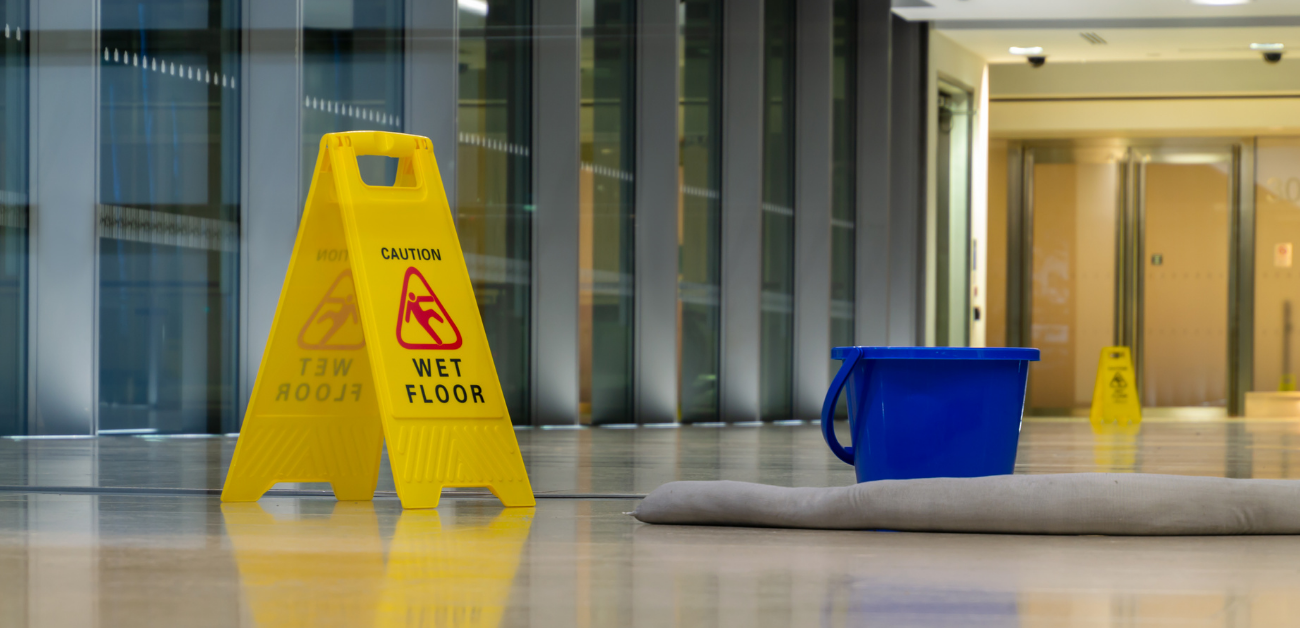
Slip resistance in hospitals should be understood as a foundational element of healthcare safety rather than a secondary design feature. Floors influence how patients move, how staff perform under pressure, and how effectively facilities manage everyday risks. When traction is inconsistent or degrades over time, the consequences surface quickly through preventable falls, injuries, and operational disruption.
Safety performance, regulatory compliance, and ethical responsibility converge in flooring decisions. Durable materials that retain traction support inspection readiness, reduce liability exposure, and protect vulnerable patients and staff. These outcomes elevate flooring from a maintenance concern to an integral part of hospital risk management systems.
Within this context, Goodrich Global operates as a performance-driven partner focused on healthcare interior solutions that address real-world safety challenges. Attention to materials such as vinyl flooring in hospitals reflects a broader commitment to environments designed around protection, reliability, and long-term care quality.