Carpet & Flooring
Turkish Carpet Styling: Anatolian Elegance for Homes
The Enduring Appeal of Turkish Carpets
Turkish carpets — also called Anatolian carpets — represent one of the oldest and most refined textile traditions in the world. Woven for centuries across the regions of modern-day Turkey, these carpets are prized for their intricate patterns, rich colours, and exceptional craftsmanship.
What makes a Turkish carpet distinct is not just its beauty but its construction. Traditional Turkish carpets use the Ghiordes (symmetrical) knot, which creates a denser, more durable pile than the asymmetrical knots used in some other weaving traditions. This structural difference gives Turkish carpets their characteristic firmness and longevity.
Understanding Turkish Carpet Motifs
Every pattern on a Turkish carpet carries meaning. Understanding these motifs enriches your appreciation and helps you select a piece that resonates beyond pure aesthetics.
| Motif | Meaning | Visual Description |
|---|---|---|
| Elibelinde (hands on hips) | Fertility and motherhood | Stylised female figure with arms akimbo |
| Ram’s horn | Power and masculinity | Curling spiral forms |
| Tree of life | Immortality and connection | Central trunk with branching forms |
| Evil eye (Nazar) | Protection from harm | Concentric circles in blue and white |
| Running water | Life and continuity | Wavy parallel lines |
| Chest motif | Dowry, hope for marriage | Small diamond or rectangular shapes |
Regional variations also play a role. Carpets from Hereke are known for their silk content and fine knotting. Kilims from the Konya region feature bold geometric designs. Oushak carpets are celebrated for their softer, more muted colour palettes — making them particularly popular in contemporary interiors.
Turkish Carpet Materials
The fibre composition affects a carpet’s appearance, feel, and durability:
- Wool: The most common material, naturally resilient, warm, and stain-resistant. Wool carpets age beautifully, developing a soft patina over decades.
- Silk: Used for fine, high-knot-count carpets with luminous surfaces. Silk carpets are delicate and best suited to low-traffic areas or wall display.
- Wool-silk blend: Combines wool’s durability with silk’s sheen. Silk is used for detailing and highlights within a wool foundation.
- Cotton: Typically used for the carpet’s foundation (warp and weft) rather than the pile. Some flat-weave kilims use cotton for the entire construction.
Styling Turkish Carpets in Modern Interiors
The Maximalist Approach
Turkish carpets are inherently decorative. In a maximalist setting, lean into their richness. Layer a Turkish carpet over a neutral base, surround it with colourful cushions, brass accents, and textured fabrics. The carpet becomes the room’s centrepiece, with other elements supporting its visual narrative.
The Minimalist Contrast
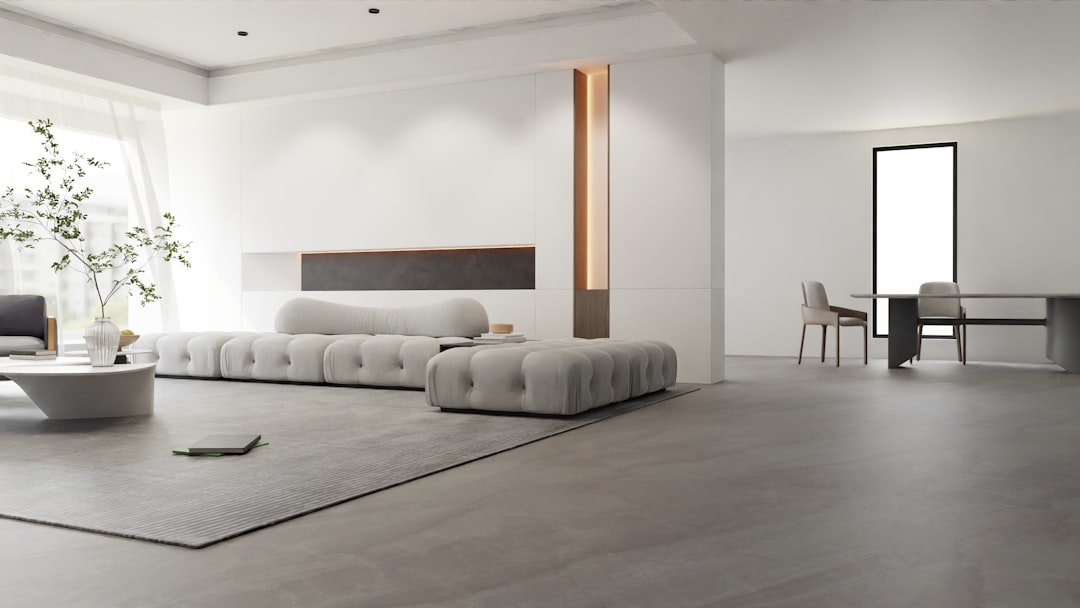
Paradoxically, Turkish carpets can shine brightest in minimalist spaces. A richly patterned Oushak carpet in a room of white walls, clean-lined furniture, and restrained decor creates a striking focal point. The carpet provides all the colour and pattern the room needs.
This approach works exceptionally well in modern Singapore condos, where interiors often lean toward the minimal. A single Turkish carpet on pale flooring transforms a stark room into a warm, characterful space.
Mid-Century Modern Pairing
The warm tones and geometric patterns of many Turkish carpets complement mid-century modern furniture beautifully. Teak sideboards, Eames-style chairs, and walnut tables sit naturally alongside the earthy reds, blues, and golds of Anatolian weaving.
Eclectic and Bohemian
Turkish carpets are foundational to bohemian decor. Mix them with Moroccan poufs, Indian textiles, and Southeast Asian accessories. The key to avoiding visual chaos is to maintain a consistent colour temperature — warm with warm, cool with cool.
Placement Tips for Different Rooms
Living Room
The living room is the natural home for a Turkish carpet. Size is critical — the carpet should be large enough to anchor the seating arrangement. Ideally, all furniture legs rest on the carpet, or at minimum, the front legs of sofas and chairs.
Bedroom
Place a Turkish carpet partially under the bed, extending from the foot and sides. This creates a luxurious landing when you step out of bed. Smaller Turkish rugs also work as bedside pieces flanking the bed.
Dining Room
A Turkish carpet under a dining table adds formality and warmth. Ensure the carpet extends at least 60 cm beyond the table on all sides so chairs remain on the carpet when pulled back. Be mindful of food spills — wool’s natural lanolin provides some stain resistance, but prompt cleaning is essential.
Hallway
Turkish runners transform a plain corridor into a gallery-worthy passage. Look for long, narrow pieces specifically woven as runners. HDB and condo corridors suit runners of 60 to 80 cm width and 200 to 300 cm length.
Wall Display
Fine Turkish carpets — particularly silk pieces — can be mounted on walls as textile art. Use a carpet rod or Velcro mounting system that distributes the weight evenly without damaging the weave. This protects delicate pieces from foot traffic while showcasing their artistry.
Colour Palettes and Coordination
Turkish carpets typically fall into several colour families:
- Warm reds and terracotta: Classic Anatolian colours that suit warm-toned interiors
- Blue and ivory: Cooler palette common in Ushak and Kula carpets, pairs well with coastal or contemporary decor
- Muted and faded tones: Vintage or intentionally softened carpets in sage, dusty rose, and cream — highly versatile
- Bold jewel tones: Deep indigo, emerald, and burgundy for dramatic, formal spaces
When coordinating with your flooring, use the carpet as your colour source. Pull accent colours from the carpet’s secondary tones for cushions, curtains, and accessories. This creates a layered, intentional look.
Caring for a Turkish Carpet
Quality Turkish carpets can last for generations with proper care.
- Vacuum regularly: Use a suction-only vacuum without beater bars. Vacuum in the direction of the pile.
- Rotate seasonally: Turn the carpet 180 degrees every three to six months to even out wear and sun exposure.
- Address spills immediately: Blot with a clean white cloth. Never rub — this pushes the stain deeper into the fibres.
- Professional cleaning: Have the carpet professionally cleaned every two to three years by a specialist experienced with handmade rugs.
- Avoid direct sunlight: Prolonged UV exposure fades natural dyes. Use curtains or drapery to filter light in sun-drenched rooms.
- Use a rug pad: A quality pad prevents slipping, reduces wear, and allows air circulation underneath — important in Singapore’s humidity.
Turkish Carpets in Singapore’s Climate
Singapore’s humidity poses specific challenges for natural fibre carpets. Wool — the primary material in most Turkish carpets — is naturally hygroscopic, meaning it absorbs and releases moisture. In moderate humidity, this is beneficial. In Singapore’s consistently high humidity, it requires management.
Keep the room where your Turkish carpet is displayed well-ventilated or air-conditioned. A dehumidifier helps in rooms without air conditioning. Periodically lift the carpet and check the underside and floor beneath for any moisture accumulation or mould growth. A breathable rug pad creates an air gap that promotes circulation and reduces moisture trapping.
Bring Anatolian Craft Into Your Home
A Turkish carpet is more than a floor covering — it is a piece of cultural heritage that adds warmth, colour, and story to any interior. Whether you choose a bold traditional piece or a subtle vintage-wash carpet, it will anchor your room with timeless character.
Book an appointment with our design consultants to explore carpet options that complement your home’s style and proportions.