Carpet & Flooring
Vinyl Flooring for HDB Toilets: Waterproof Options
Vinyl flooring for HDB toilet spaces has become one of the most practical upgrades Singapore homeowners can make during a renovation. Traditional ceramic tiles remain the default, but modern vinyl alternatives now offer genuine waterproof performance, easier installation, and a far wider range of design options suited to compact bathroom layouts.
Whether you are renovating a resale flat or customising a new BTO unit, understanding how vinyl flooring performs in wet areas will help you make a confident decision.
Why Consider Vinyl Flooring for HDB Toilets?
HDB toilets in Singapore present a specific set of challenges. They are compact, frequently exposed to water, and subject to high humidity year-round. Conventional ceramic or porcelain tiles handle moisture well but can crack over time, develop discoloured grout lines, and feel cold underfoot.
Vinyl flooring addresses several of these pain points. Modern luxury vinyl tiles (LVT) and SPC (stone polymer composite) planks are engineered with waterproof cores that resist moisture penetration entirely. Unlike laminate or hardwood, there is no risk of swelling or warping when water sits on the surface.
Vinyl is also softer and warmer underfoot than ceramic, which is a noticeable comfort improvement in a room you use barefoot every day. Installation is faster, and the material can often be laid directly over existing tiles, reducing the mess and cost of hacking.
Types of Vinyl Flooring Suitable for Wet Areas
Not all vinyl flooring is created equal, and not every type is appropriate for a toilet or bathroom environment. Here is a breakdown of the main options.
Luxury Vinyl Tiles (LVT)
LVT consists of multiple layers including a waterproof PVC core, a photographic design layer, and a protective wear layer on top. It is available in tile and plank formats and can convincingly replicate stone, marble, or wood grain. For HDB toilets, LVT with a wear layer of at least 0.3 mm is recommended to handle foot traffic and occasional contact with cleaning chemicals.
SPC (Stone Polymer Composite) Flooring
SPC flooring uses a rigid core made from limestone and PVC, making it dimensionally stable and completely waterproof. It is denser and more impact-resistant than standard LVT, which is advantageous in a small space where items might be dropped. SPC also resists temperature fluctuations, so it will not expand or contract in the warm, humid conditions typical of Singapore bathrooms.
Vinyl Sheet Flooring
Sheet vinyl comes in large rolls and can be cut to fit the toilet floor with minimal seams. Fewer seams mean fewer potential entry points for water. This makes sheet vinyl a practical choice for HDB toilets, particularly older units where the floor may not be perfectly level.
Key Features to Look For
When selecting vinyl flooring for an HDB toilet, prioritise the following performance characteristics.
- Slip resistance: Look for products rated R10 or higher on the slip resistance scale. Wet bathroom floors are a safety concern, especially in households with elderly residents or young children.
- Waterproof core: Ensure the product has a fully waterproof core, not merely a water-resistant surface. SPC and LVT with waterproof cores are your safest options.
- Wear layer thickness: A minimum of 0.3 mm is suitable for residential bathrooms. For higher durability, consider 0.5 mm or above.
- Antimicrobial treatment: Some vinyl flooring products include antimicrobial surface treatments that inhibit mould and bacteria growth, a valuable feature in a consistently damp environment.
- Dimensional stability: SPC flooring scores particularly well here, maintaining its shape and size despite humidity and temperature changes.
Installation Considerations for HDB Bathrooms
Installing vinyl flooring in an HDB toilet requires careful preparation. The subfloor must be clean, dry, and level. If you are overlaying existing tiles, ensure there are no loose or cracked tiles that could telegraph through the vinyl surface.
For most HDB toilets, a glue-down installation method is preferred over click-lock systems. Glue-down vinyl adheres directly to the subfloor, eliminating any gaps where water could seep underneath. This is especially important near the shower area and around the toilet base where water exposure is highest.
Waterproof sealant should be applied along the edges where the vinyl meets the walls and around fixtures. While the vinyl itself is waterproof, the seams and perimeter joints need proper sealing to prevent moisture from reaching the subfloor.
Professional installation is recommended for bathroom applications. A qualified installer will ensure proper waterproofing, correct adhesive selection, and appropriate expansion gaps that account for Singapore’s tropical conditions.
Vinyl Flooring vs Ceramic Tiles for HDB Toilets
Both materials work well in wet areas, but they differ in several important ways.
| Feature | Vinyl Flooring | Ceramic Tiles |
|---|---|---|
| Waterproof | Yes (with waterproof core) | Yes (but grout can absorb moisture) |
| Slip resistance | Good (textured options available) | Varies (depends on finish) |
| Comfort underfoot | Warm and soft | Cold and hard |
| Installation time | 1-2 days (can overlay tiles) | 3-5 days (hacking + laying) |
| Grout maintenance | None | Regular cleaning required |
| Design options | Wide range (wood, stone, marble looks) | Wide range |
| Lifespan | 10-20 years | 20-30 years |
| Cost | Generally more affordable | Higher (including hacking costs) |
One of the biggest practical advantages of vinyl is that it can be installed over existing tiles. For HDB homeowners, this means avoiding the noisy, dusty, and expensive process of hacking out old tiles. It also shortens the overall renovation timeline considerably.
Design Options for Small HDB Bathrooms
Compact HDB toilets benefit from thoughtful design choices. Light-coloured vinyl flooring in marble or limestone patterns can make a small bathroom feel more spacious. Large-format vinyl tiles with minimal grout lines create a cleaner, more seamless appearance.
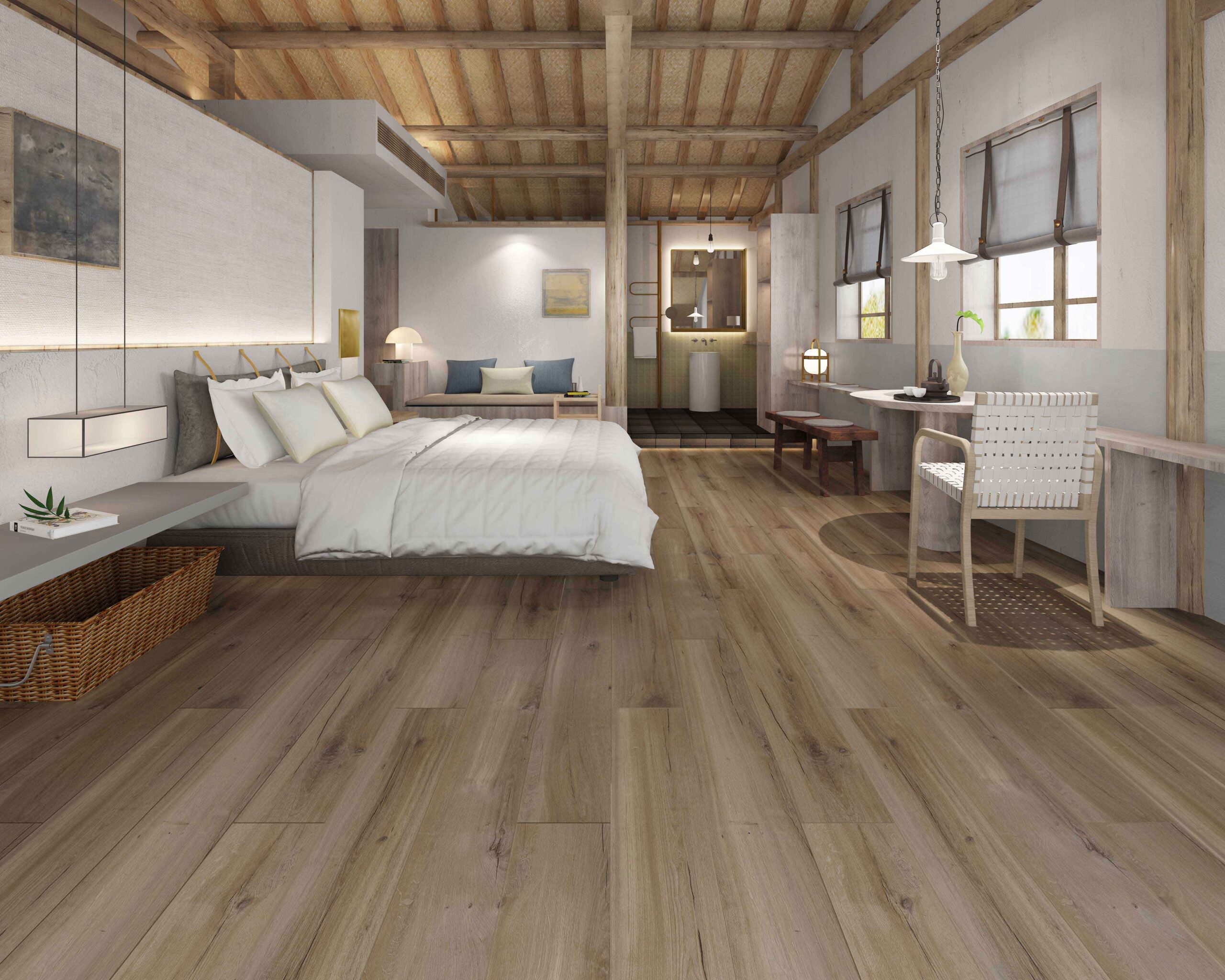
Wood-look vinyl planks are increasingly popular in bathroom designs, offering warmth and character that traditional tiles cannot match. In Singapore, teak and oak finishes are particularly sought after for their natural, spa-like aesthetic.
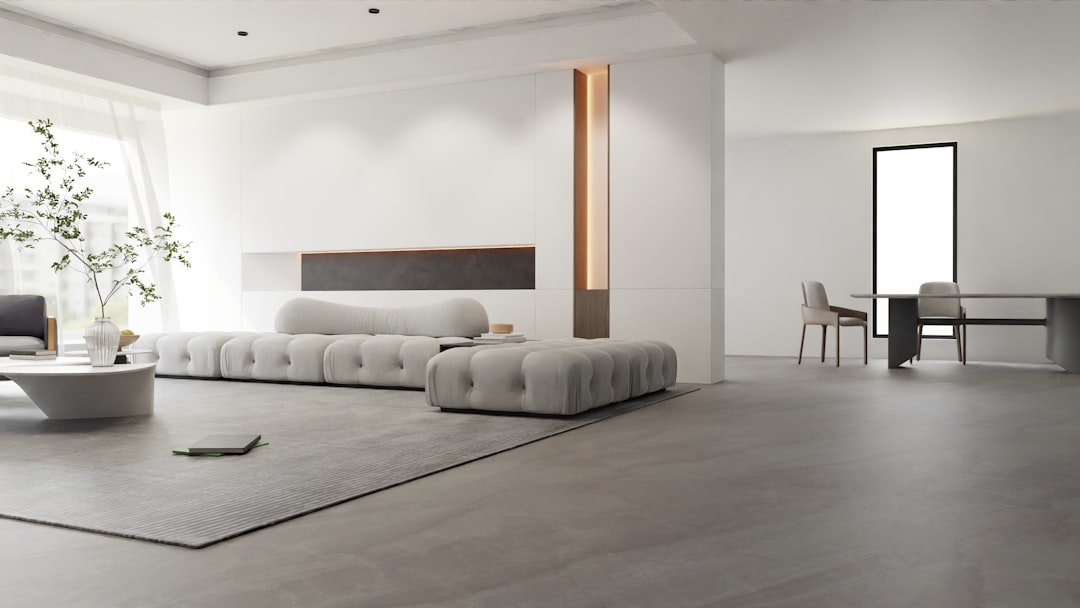
For a cohesive look, consider extending the same luxury vinyl flooring from the main living areas into the bathroom. This creates visual continuity and makes the overall flat feel larger and more unified.
Maintenance and Longevity
Vinyl flooring in a toilet environment requires minimal maintenance compared to grouted tiles. Regular sweeping and mopping with a pH-neutral cleaner is sufficient. Avoid abrasive scrubbing pads and harsh chemical cleaners, which can damage the wear layer over time.
Standing water should be wiped up promptly, not because it will damage a waterproof vinyl floor, but because prolonged pooling near edges and seams is best avoided as a precaution. With proper care, quality vinyl flooring in a bathroom setting can last 10 to 20 years.
If a section does become damaged, individual LVT tiles or planks can be replaced without disturbing the rest of the floor. This is a significant advantage over ceramic tiles, where replacing a single cracked tile often damages adjacent ones.
Final Thoughts
Vinyl flooring for HDB toilet spaces offers a compelling combination of waterproof performance, comfort, and design flexibility. For Singapore homeowners looking to upgrade their bathroom without the disruption of a full tile replacement, it is a solution well worth considering.
Consult a flooring specialist to assess your specific bathroom layout and subfloor condition before making a final decision.
Request free samples from our Singapore showroom to see and feel the options for yourself.