Carpet & Flooring
Vinyl Flooring vs Ceramic Tiles: Full Singapore Comparison
Two Popular Flooring Choices for Singapore Homes
Ceramic tiles and vinyl flooring are the two most common flooring materials found in Singapore residences. Ceramic tiles have been the standard in HDB flats and condominiums for decades, while vinyl flooring has risen rapidly in popularity over the past ten years. Each material has clear strengths and limitations, and the right choice depends on your specific needs, room type, and lifestyle.
This guide provides a comprehensive comparison to help homeowners in Singapore make an informed decision. We examine both materials across the factors that matter most in daily living — durability, comfort, maintenance, installation, cost, and design.
Durability and Wear Resistance
Ceramic tiles are exceptionally hard and resistant to scratches. They do not dent, and their surface finish is highly resistant to abrasion. A quality ceramic tile can last the lifetime of the home with minimal wear. However, tiles are brittle — dropping a heavy object can cause a chip or crack that is difficult to repair without replacing the entire tile.
Luxury vinyl flooring is engineered for residential durability. The wear layer — a transparent protective coating on the surface — resists scratches, scuffs, and staining. Vinyl is more forgiving than tiles when objects are dropped, as its slight flexibility absorbs impact rather than cracking. However, very heavy furniture or sharp objects can dent or gouge the surface if not managed carefully.
In high-traffic areas, both materials perform well. For rooms where heavy impacts are likely — such as kitchens where pots and pans might be dropped — the resilience of vinyl can be an advantage over the brittleness of tiles.
Comfort and Noise
This is where the two materials diverge most significantly.
| Factor | Ceramic Tiles | Vinyl Flooring |
|---|---|---|
| Feel underfoot | Hard and cold, especially with air conditioning | Warmer and slightly yielding |
| Impact on joints | Unforgiving on feet, knees and back over time | Gentler, particularly with underlay |
| Noise | Hard surface reflects sound; footsteps are audible | Softer surface absorbs sound; quieter |
| Slip resistance | Can be slippery when wet (varies by tile finish) | Generally good grip, even when damp |
In Singapore’s air-conditioned homes, ceramic tiles can feel uncomfortably cold underfoot, particularly in bedrooms where occupants walk barefoot. Vinyl provides a noticeably warmer, softer surface that many homeowners find more comfortable for daily living.
The acoustic difference is also notable. In HDB flats, where noise transmission between units is a common complaint, vinyl flooring — especially when installed with an acoustic underlay — reduces impact noise significantly compared to bare tiles.
Water Resistance and Wet Areas
Ceramic tiles are the traditional choice for wet areas — bathrooms, kitchens, and service yards — for good reason. The tile surface is impervious to water, and when properly grouted and sealed, the overall floor system handles moisture effectively.
Vinyl flooring is also highly water-resistant. Modern SPC (stone polymer composite) vinyl is waterproof at the plank level, meaning water sitting on the surface will not damage the material. However, in areas with standing water or frequent flooding — such as bathrooms with floor drains — the seams between vinyl planks can potentially allow water to reach the subfloor below.
For bathrooms and dedicated wet areas, ceramic tiles remain the more conventional and safer choice. For kitchens, living areas, and bedrooms where occasional spills are the main moisture concern, vinyl performs extremely well.
Installation Process
The installation methods differ substantially, affecting renovation timelines, disruption, and cost.
Ceramic tiles require a prepared subfloor, tile adhesive, precise cutting, grouting, and curing time. The process is labour-intensive, generates significant dust and noise, and typically takes several days for a standard-sized room. Tiles are heavy, adding to transportation and handling costs.
Vinyl flooring can be installed much more quickly. Click-lock vinyl planks snap together and float over the existing subfloor — including existing tiles — without the need for adhesive. A typical bedroom can be completed in a few hours. Glue-down vinyl takes slightly longer but is still faster than tile installation.
One of the most significant advantages of vinyl flooring is the ability to install it directly over existing tiles. This eliminates the need for hacking, which saves time, money, and the considerable mess and noise associated with tile removal. For renovation projects in occupied HDB blocks, where noise restrictions apply, this is a major practical benefit.
Design Range and Aesthetics
Both materials offer extensive design options, though the character of each is distinct.
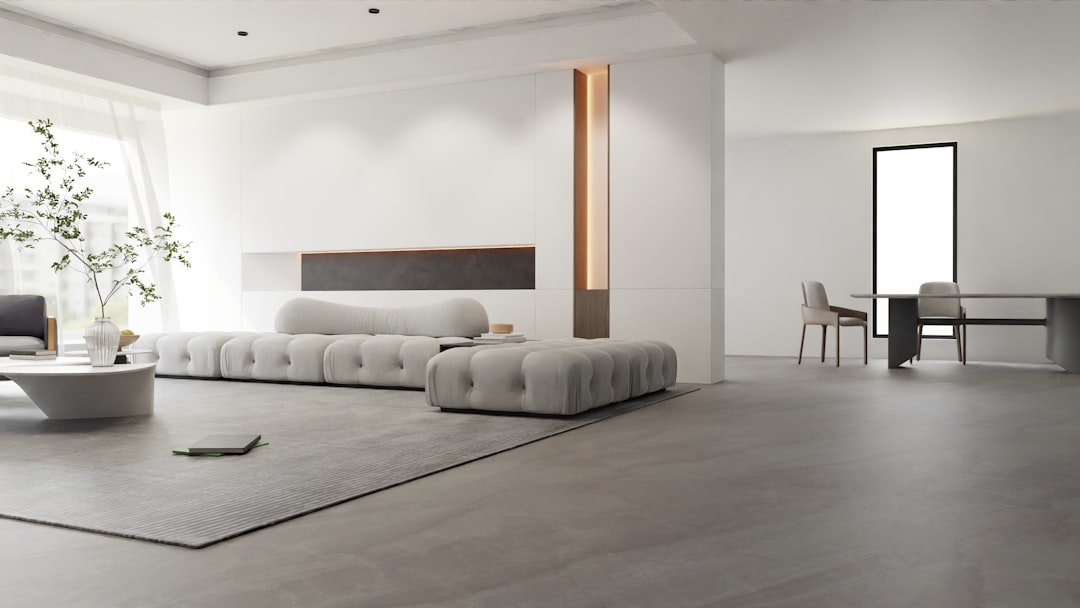
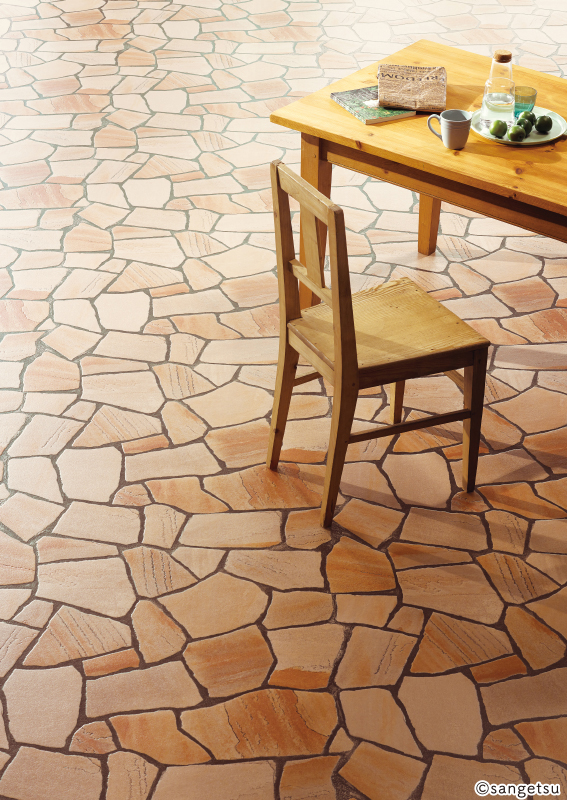
Ceramic tiles are available in a wide range of sizes, colours, patterns, and finishes. Large-format tiles create a sleek, seamless look, while smaller formats and mosaics allow for intricate patterns. Tiles can replicate the appearance of natural stone, timber, and concrete, though the hard, glossy surface still reads as “tile” in most cases.
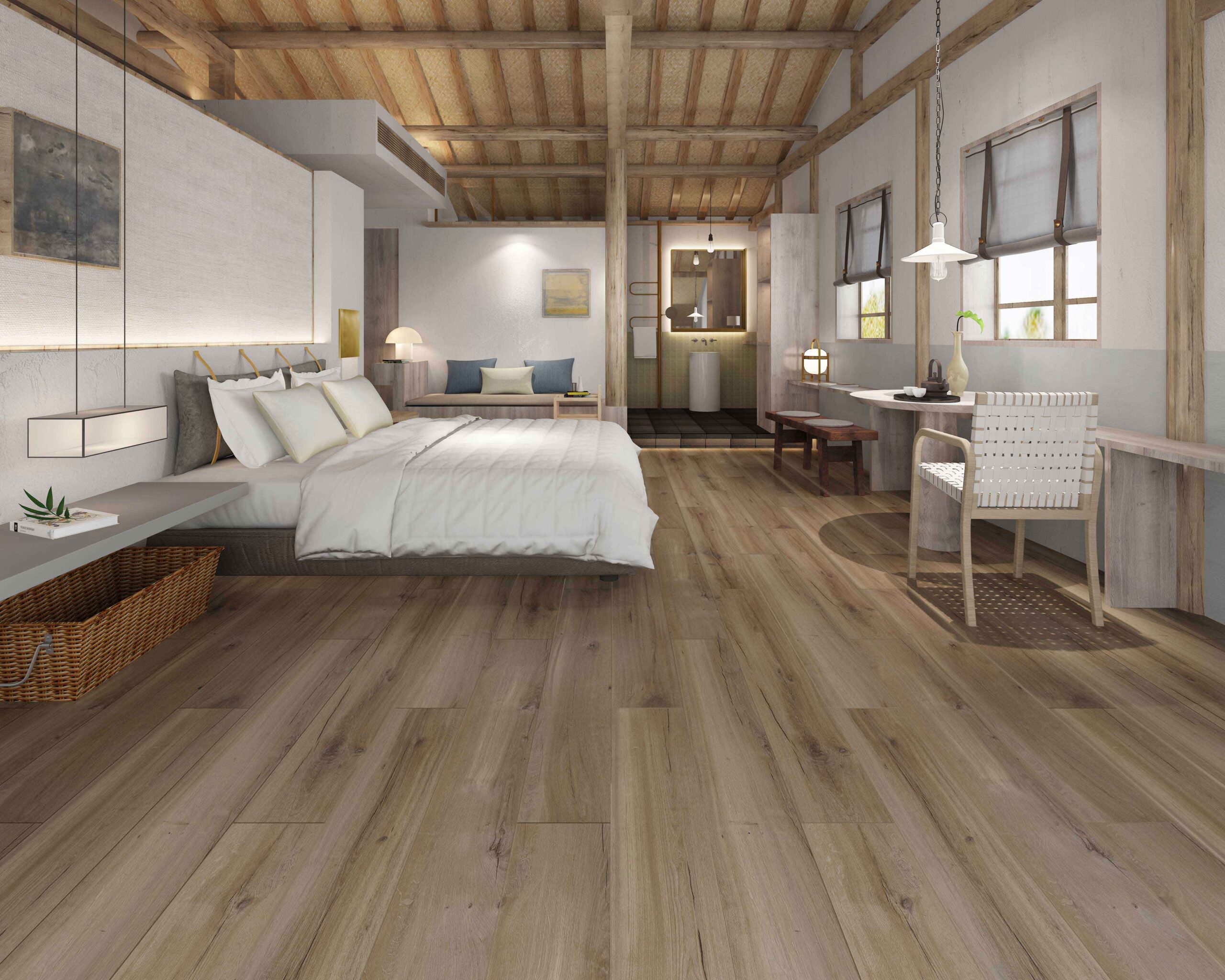
Vinyl flooring has made remarkable advances in visual realism. Today’s luxury vinyl planks feature photographic print layers and textured surfaces that convincingly replicate timber grain, stone veining, and other natural materials. The embossed-in-register technique aligns the surface texture with the printed design, creating planks that look and feel remarkably like real wood.
For homeowners who want the appearance of timber without the maintenance demands or moisture sensitivity of real wood, vinyl is an excellent solution. For those who prefer a classic, hard-surface aesthetic, ceramic tiles deliver beautifully.
Cost Comparison
Cost comparisons should consider not just the material price but also installation, maintenance, and longevity.
| Cost Factor | Ceramic Tiles | Vinyl Flooring |
|---|---|---|
| Material cost per sqm | Moderate to high (varies widely by tile type) | Moderate (varies by product tier) |
| Installation cost | Higher (labour-intensive, requires skilled tiler) | Lower (faster installation, especially click-lock) |
| Subfloor preparation | Standard screeding required | Can overlay existing tiles (saves hacking cost) |
| Maintenance cost | Low (occasional re-grouting) | Very low (simple cleaning) |
| Replacement cost | High (hacking required for full replacement) | Moderate (can be lifted and replaced more easily) |
When vinyl is installed as an overlay on existing tiles, the total project cost is often significantly lower than a full tile replacement, which requires hacking, disposal, screeding, and new tile installation. For resale flat renovations where the existing tiles are in reasonable condition, vinyl overlay represents excellent value.
Which Is Right for Your Home
The choice between vinyl flooring and ceramic tiles ultimately depends on the specific requirements of each room and your personal priorities.
Consider ceramic tiles for dedicated wet areas, outdoor-adjacent spaces, and situations where maximum hardness and heat resistance are needed. Tiles are a proven, long-lasting solution that suits Singapore’s climate well.
Consider vinyl flooring for living areas, bedrooms, corridors, and kitchens where comfort, noise reduction, and easy installation are priorities. Vinyl is particularly compelling for resale flat renovations where overlay installation can transform the home without the disruption of hacking.
Many homeowners opt for a combination — tiles in the bathrooms and vinyl throughout the rest of the home — to get the best of both materials. This hybrid approach is particularly common in new BTO flats, where homeowners select tiles for the bathroom during the HDB selection process and then overlay the remaining rooms with vinyl after receiving the keys.
Environmental impact is another consideration gaining importance among homeowners. Vinyl flooring is lighter than ceramic tiles, reducing transportation energy. It can also be installed over existing surfaces, avoiding the waste generated by demolishing and disposing of old tiles. Some vinyl products are recyclable at the end of their useful life, though recycling infrastructure varies by region.
When making your final decision, request samples of both materials and place them in the actual rooms where they will be installed. Observe how each material looks under different lighting conditions — daylight, evening light, and artificial light — and walk on them in bare feet to experience the comfort difference firsthand. These practical tests are far more informative than any specification sheet.
Get a free quote for your project today. Contact Goodrich Global for expert guidance on the best flooring solution for every room in your Singapore home.