Carpet & Flooring
Vinyl Flooring vs Epoxy for Commercial Areas – Goodrich
Vinyl flooring vs epoxy is a comparison that arises frequently when specifying floors for commercial areas in Singapore. Both materials offer distinct strengths — vinyl excels in comfort, design flexibility, and speed of installation, while epoxy delivers seamless chemical resistance and industrial-grade hardness. Understanding where each material performs best helps project managers and designers make informed decisions.
This guide breaks down the key differences between vinyl flooring and epoxy coatings for commercial applications, from office lobbies to light industrial facilities.
Understanding the Two Materials
Vinyl Flooring
Commercial vinyl flooring encompasses luxury vinyl tiles (LVT), stone polymer composite (SPC) planks, and vinyl sheet products. These are pre-manufactured flooring materials installed on top of a prepared subfloor. They consist of multiple layers — a backing layer, a core (flexible PVC or rigid SPC), a printed design layer, and a protective wear layer.
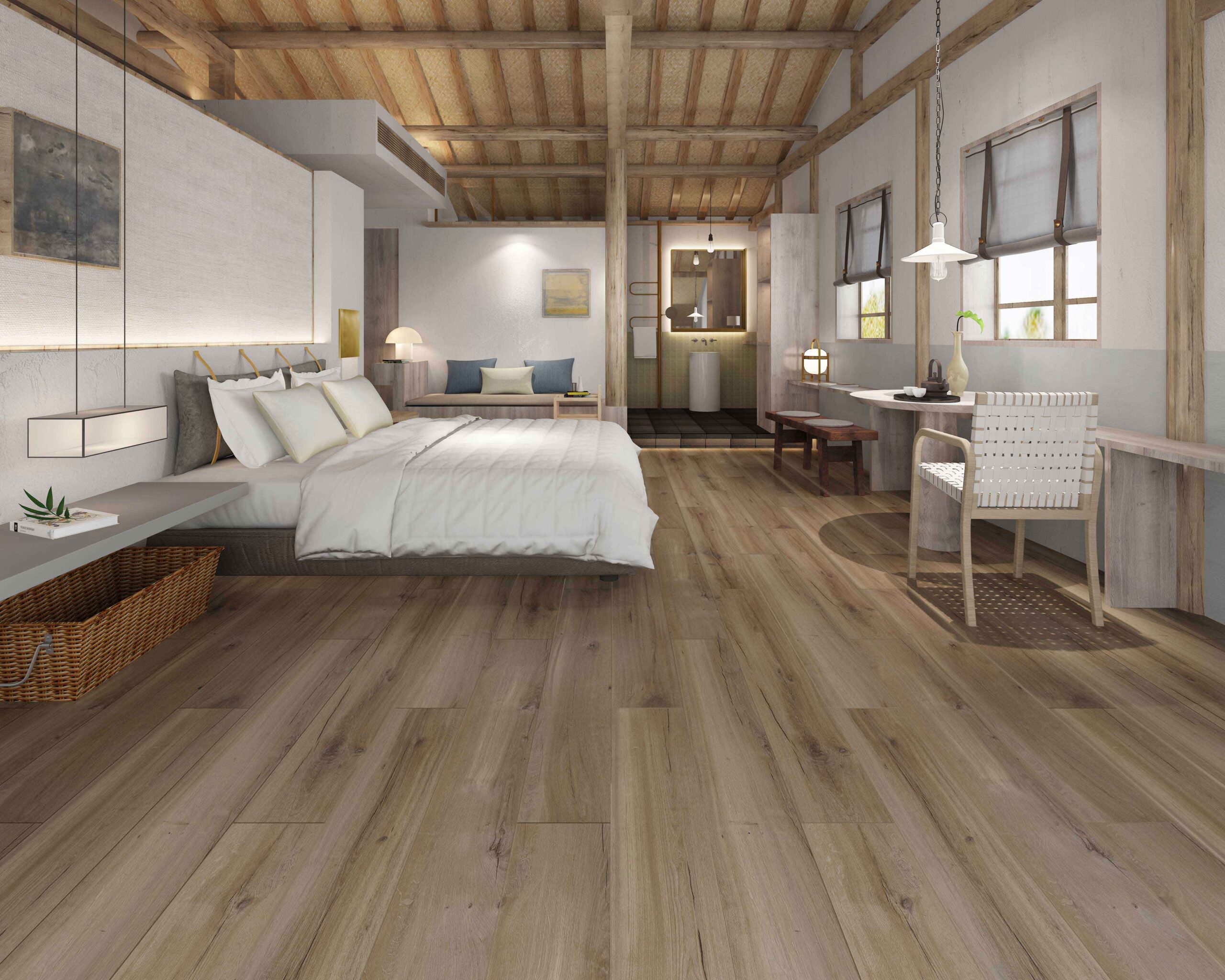
Commercial-grade products feature wear layers of 0.55mm to 0.7mm, providing strong resistance to foot traffic, rolling loads, and surface scratches. The printed design layer allows vinyl to replicate wood, stone, concrete, and abstract patterns with photographic realism.
Epoxy Flooring
Epoxy flooring is a resinous coating system applied directly to a concrete substrate. It consists of a two-part formulation — an epoxide resin and a hardening agent — that chemically bonds with the concrete to create a monolithic, seamless surface. Commercial epoxy systems are typically 2mm to 5mm thick, though self-levelling systems can be applied at greater depths.
Once cured, epoxy forms an extremely hard, non-porous surface that resists chemicals, staining, and heavy mechanical loads. It is available in a range of solid colours, metallic effects, and decorative flake finishes.
Head-to-Head Comparison
| Criterion | Vinyl Flooring | Epoxy Flooring |
|---|---|---|
| Durability | 10-20 years (commercial grade) | 10-20 years (depends on traffic) |
| Water resistance | 100% waterproof | Seamless and waterproof |
| Chemical resistance | Moderate (resists common cleaners) | High (resists solvents, acids, oils) |
| Design options | Extensive (wood, stone, patterns) | Limited (solid colours, flakes, metallic) |
| Comfort underfoot | Cushioned, warm | Hard, cold |
| Acoustic performance | Sound-absorbing | Sound-reflecting |
| Installation time | 1-3 days (typical commercial space) | 5-7 days (including curing) |
| Subfloor preparation | Moderate | Extensive (shot-blasting, grinding) |
| Maintenance | Damp mop, periodic polish | Damp mop, periodic recoating |
| Repairability | Individual tiles replaceable | Patch repairs visible |
| Slip resistance | Good (textured options available) | Variable (depends on finish/additives) |
| Cost (installed) | Moderate | Moderate to high |
Where Vinyl Flooring Wins
Vinyl flooring is the stronger choice for commercial environments where aesthetics, comfort, and speed of installation are priorities.
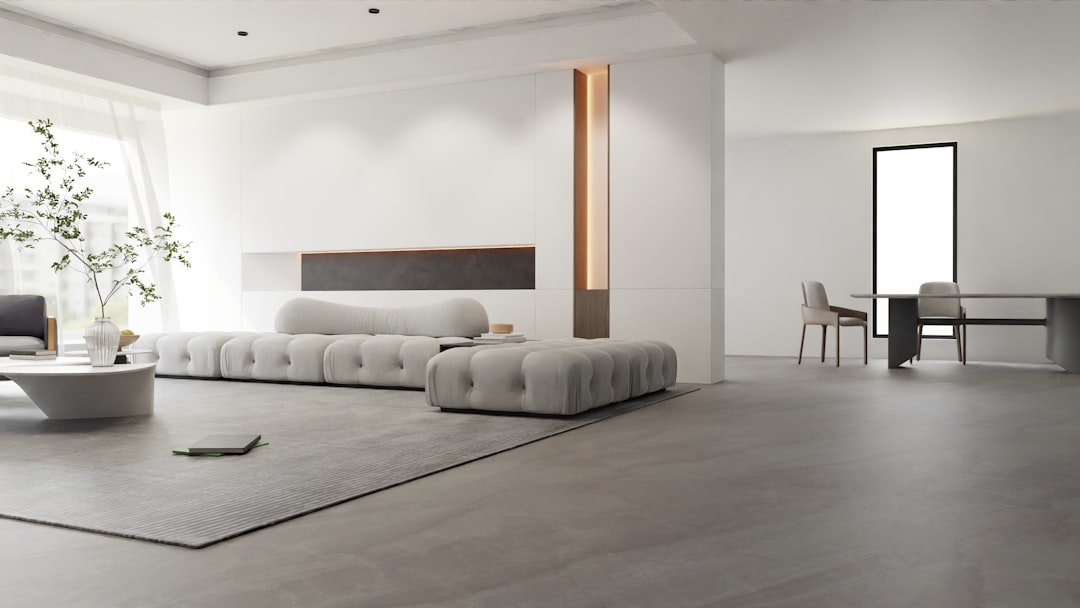
Office spaces: The design versatility of luxury vinyl flooring allows office fit-outs to achieve sophisticated wood or stone looks that create a welcoming, professional atmosphere. The cushioned surface reduces fatigue for employees who are on their feet, and the acoustic properties help manage noise levels in open-plan offices.
Retail environments: Vinyl’s rapid installation minimises closure time for retail tenants, while its extensive design range allows precise brand alignment. Individual damaged tiles can be swapped without disrupting the entire floor — a practical advantage for busy shops.
Healthcare facilities: Vinyl sheet and LVT are widely specified in clinics, dental surgeries, and medical offices. Their seamless or tight-jointed installation inhibits bacterial growth, and the cushioned surface is comfortable for staff who stand for extended periods. Cleaning and disinfection are straightforward with standard commercial cleaning products.
Hospitality: Hotels, restaurants, and event spaces benefit from vinyl’s ability to create warm, inviting environments. Wood-effect planks in a hotel lobby or marble-effect tiles in a restaurant entrance deliver the desired aesthetic without the cost or maintenance burden of natural materials.
Where Epoxy Flooring Wins
Epoxy is the superior choice for environments where chemical resistance, seamless hygiene, and heavy-duty performance are non-negotiable.
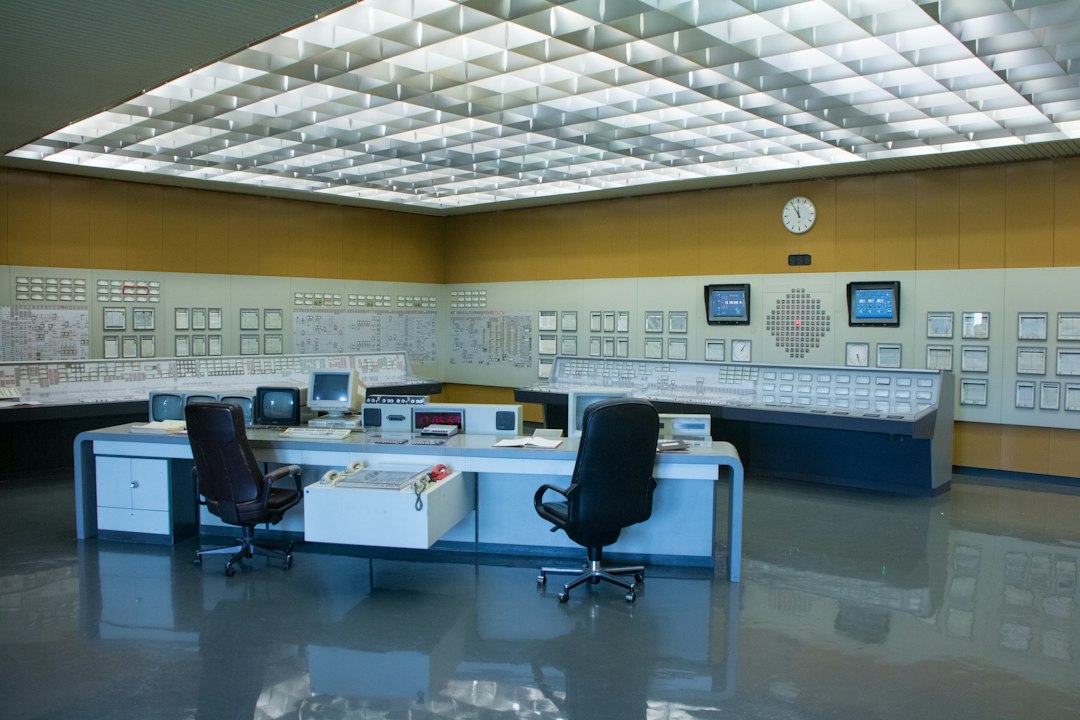
Manufacturing and industrial: Factories, workshops, and production areas subject to chemical spills, heavy equipment, and forklift traffic demand the hardness and chemical resistance that epoxy provides. The seamless surface eliminates joints where contaminants could accumulate.
Commercial kitchens: The seamless, non-porous nature of epoxy makes it ideal for food preparation areas where hygiene standards are stringent. It resists grease, acids, and aggressive cleaning chemicals used in commercial kitchen cleaning protocols.
Car parks and loading docks: These areas require flooring that withstands tyre marks, oil drips, and the abrasion of constant vehicle traffic. Epoxy with anti-slip aggregates provides the necessary durability and safety performance.
Laboratories and cleanrooms: Environments requiring absolute cleanliness benefit from epoxy’s seamless, dust-free surface. Chemical resistance is critical in these settings, and epoxy’s ability to withstand a broad spectrum of reagents and solvents makes it the natural choice.
Practical Considerations for Singapore Projects
Several factors specific to Singapore’s commercial environment should influence your decision between vinyl and epoxy.
Downtime tolerance: Epoxy requires 48 to 72 hours of curing time before the floor can accept traffic, with full chemical resistance developing over seven days. For businesses that cannot afford extended closures, vinyl’s same-day or next-day trafficability is a significant advantage.
Humidity and moisture: Singapore’s high humidity can affect epoxy application. Moisture in the concrete substrate — common in ground-floor commercial units — can cause epoxy to delaminate if not properly addressed with moisture barriers. Vinyl flooring products with click-lock installation are less sensitive to substrate moisture, though proper damp-proof membranes are still recommended.
Tenancy duration: For short-term retail tenancies or pop-up spaces, vinyl’s ease of removal and potential for reuse makes it more economical than epoxy, which becomes a permanent part of the concrete substrate. Vinyl can be uplifted at the end of a lease and, depending on the product and installation method, potentially reinstalled in a new location.
Building management requirements: Some Singapore commercial buildings restrict certain installation processes. Epoxy application involves strong chemical odours during mixing and application, which may not be permitted in occupied multi-tenant buildings. Vinyl installation, by contrast, is largely odour-free and generates minimal dust or disruption.
Final Thoughts
The vinyl flooring vs epoxy decision ultimately depends on your specific commercial application. Vinyl delivers superior aesthetics, comfort, and installation speed for offices, retail, and hospitality. Epoxy provides unmatched chemical resistance and seamless durability for industrial, kitchen, and laboratory environments. In many commercial projects, using both materials in their respective zones delivers the best overall outcome.
Get a free quote for your commercial flooring project from Goodrich Global today.