Interior Design
Wabi Sabi Interior Design: Embrace Imperfection | Goodrich
Wabi sabi interior design offers a refreshing counter-narrative to the polished perfection that dominates many Singapore homes. Rooted in Japanese philosophy, wabi sabi finds beauty in imperfection, impermanence, and incompleteness. Translated into interior design, it produces spaces that feel calm, authentic, and deeply human — qualities that resonate strongly with homeowners seeking an antidote to the sleek, uniform finishes of typical modern renovations.
Understanding Wabi Sabi Philosophy
Wabi sabi is a Japanese aesthetic concept with roots in Zen Buddhism. “Wabi” refers to rustic simplicity and understated elegance — finding richness in austerity. “Sabi” refers to the beauty that emerges with the passage of time — the patina on aged materials, the weathering of natural surfaces, the graceful acceptance of impermanence.
In interior design, wabi sabi manifests as a preference for natural materials that age visibly, handmade objects with slight irregularities, muted earth-toned colour palettes, and a deliberate absence of excess. It is not about poverty or neglect — it is about intentional simplicity and an appreciation for things as they are, rather than as idealised versions of themselves.
This philosophy aligns well with growing interest in sustainability and mindful consumption in Singapore. Rather than replacing furnishings frequently to maintain a “new” appearance, wabi sabi encourages choosing materials that develop character over time.
Key Design Elements of Wabi Sabi Interiors
Raw and Natural Materials
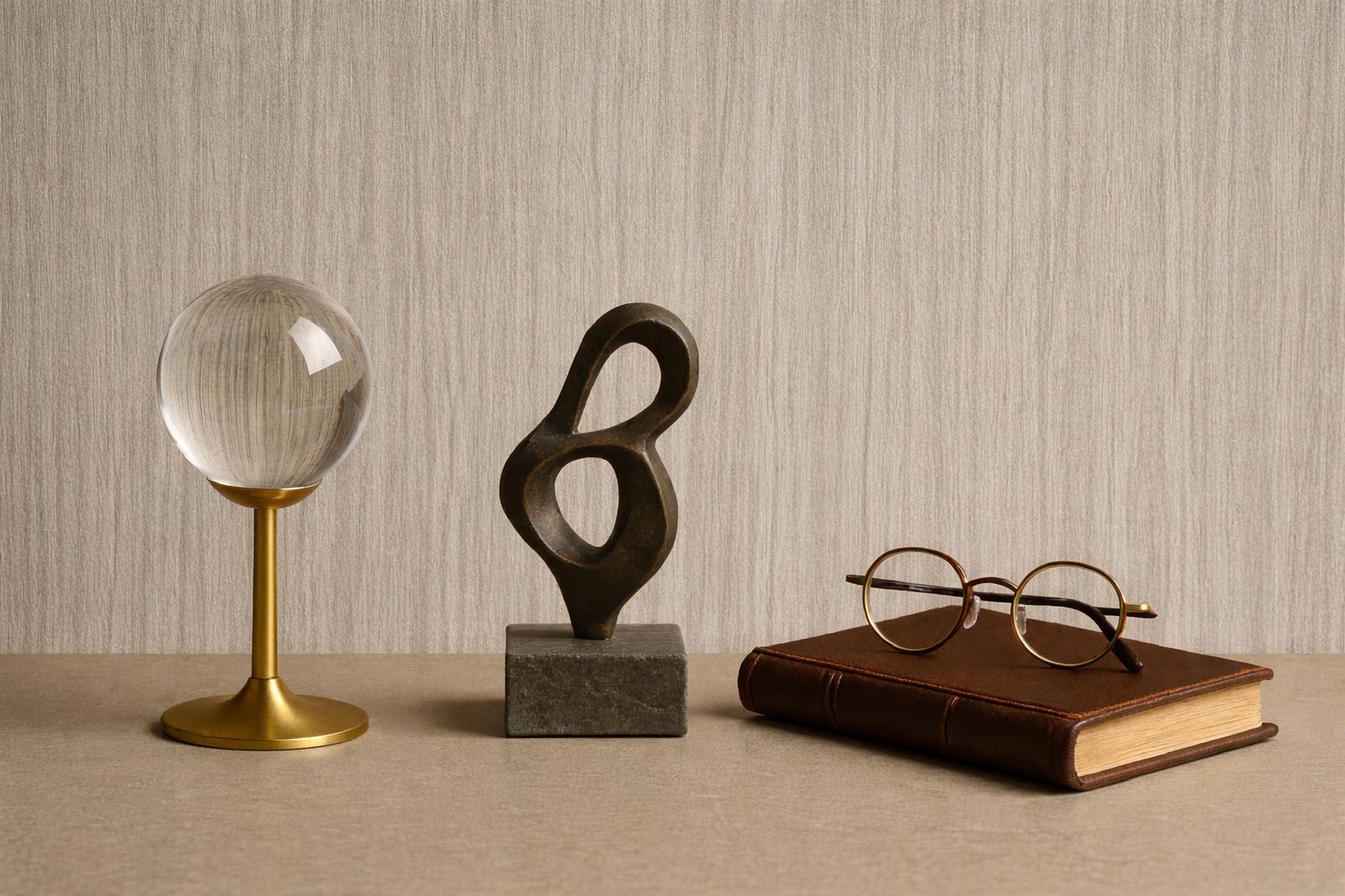
Materials that reveal their true nature — unfinished wood, raw stone, hand-thrown ceramics, woven fibres, and plaster with visible trowel marks — are the foundation of wabi sabi interiors. These materials carry the marks of their making and their material origin. A timber dining table with visible grain, knots, and colour variation embodies wabi sabi in a way that a glossy laminate surface never could.
In Singapore, incorporating raw materials requires some climate adaptation. Untreated wood is vulnerable to humidity-related warping and termite damage. Choose naturally durable timber species or apply minimal protective finishes that preserve the raw appearance while managing moisture. Stone and ceramic elements are naturally well-suited to Singapore’s tropical environment.
Imperfect Textures
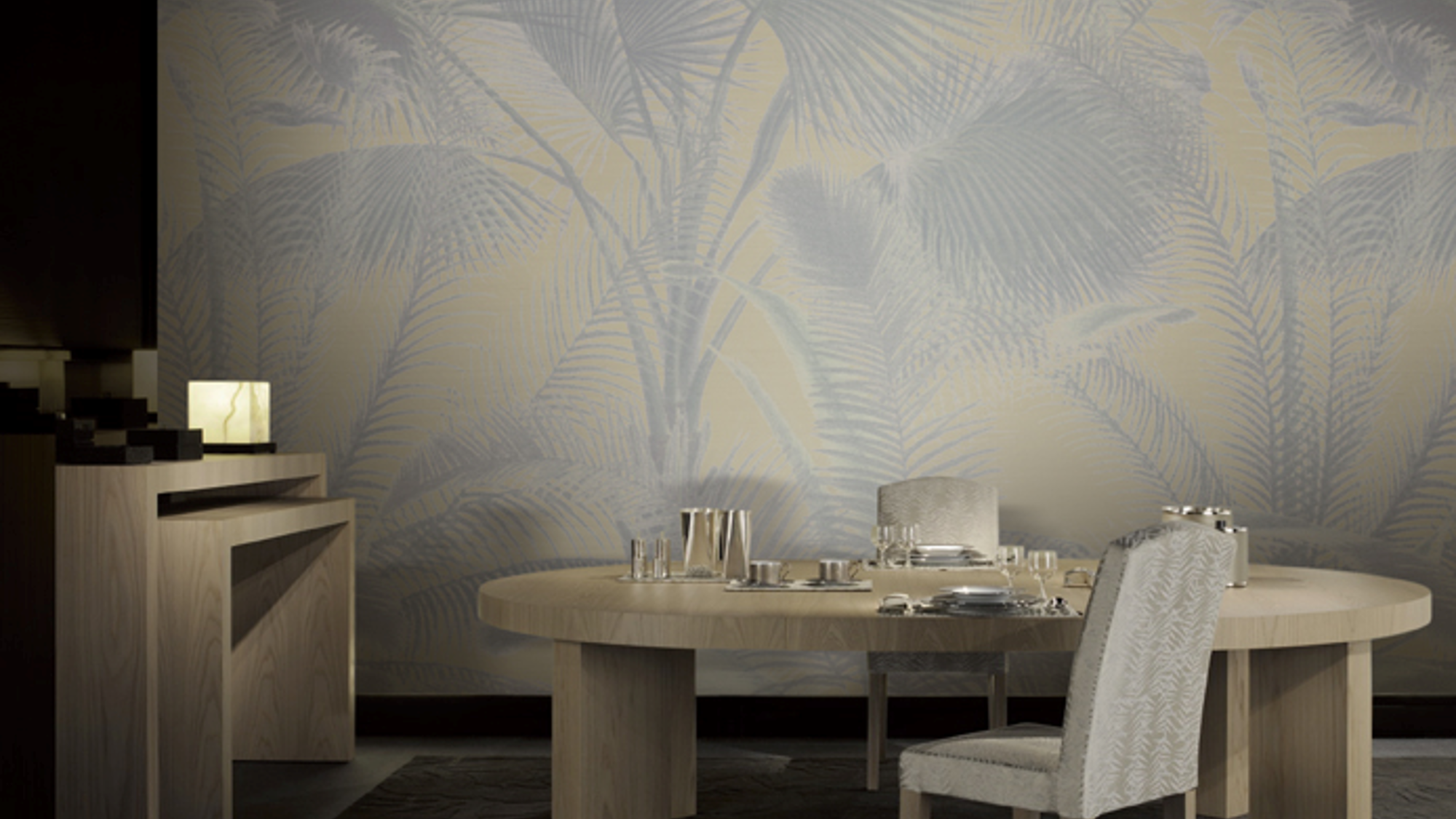
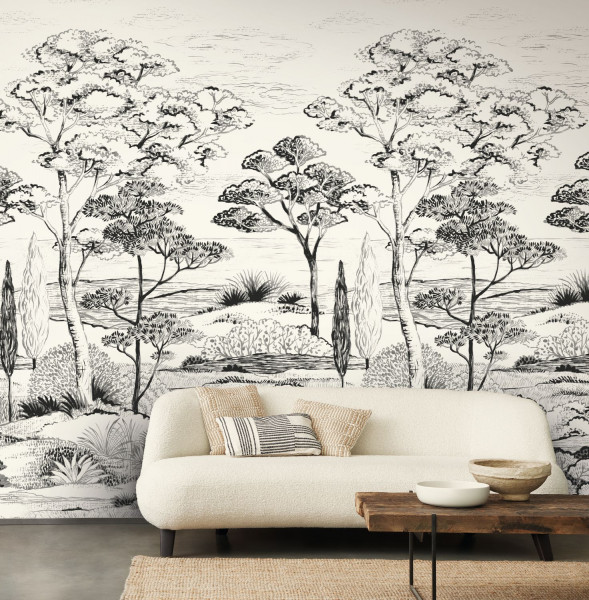
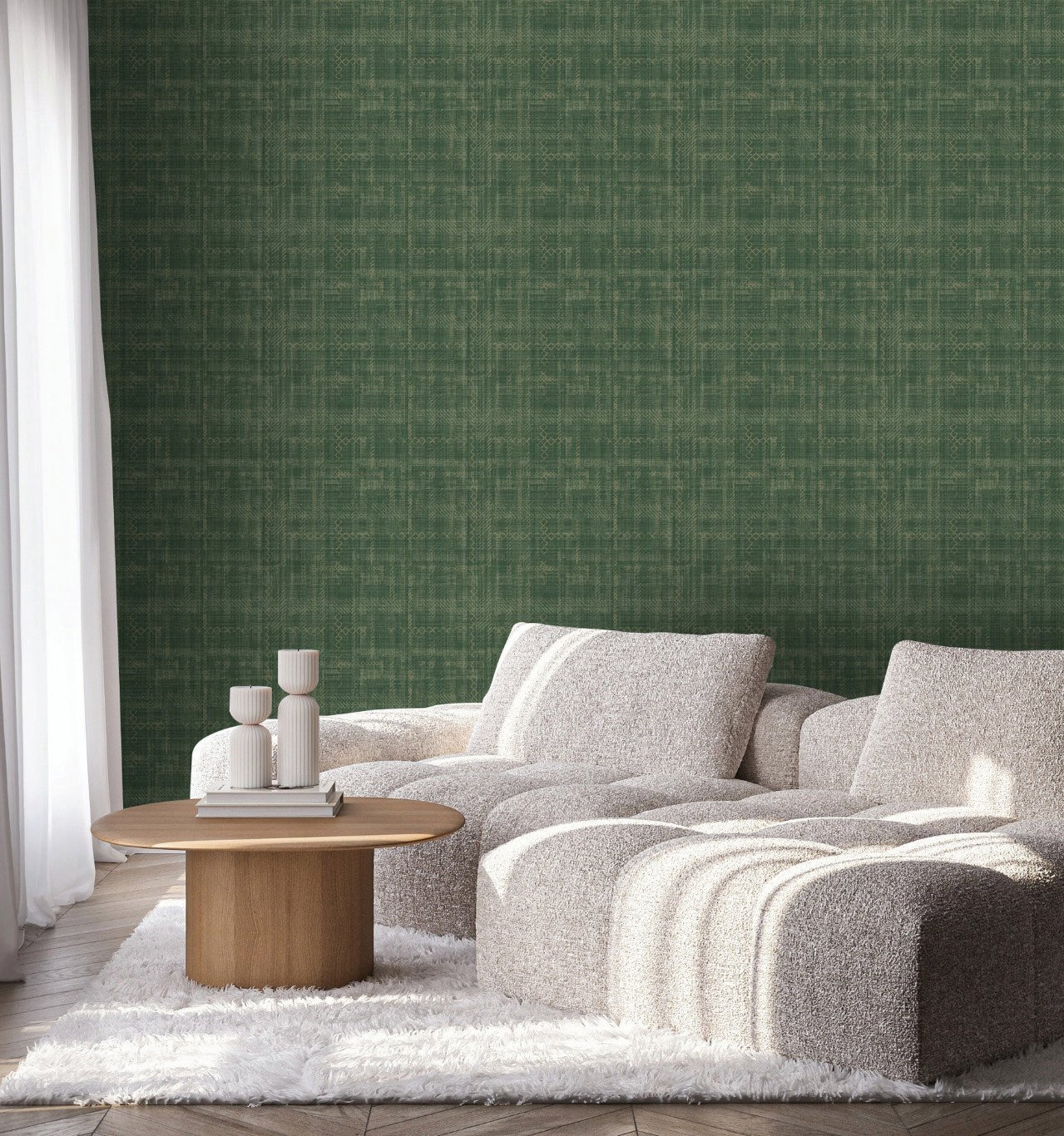
Wabi sabi celebrates surface imperfection. Walls with visible plaster texture, wallpaper with organic irregularity, wallcoverings that replicate hand-finished surfaces — these textural choices communicate authenticity and handcraft. The goal is surfaces that look made, not manufactured.
Micro cement and lime plaster wall finishes are popular choices for wabi sabi interiors in Singapore. For a simpler approach, textured wallpapers that replicate raw plaster, aged concrete, or weathered stone effects deliver a similar aesthetic without the specialist application process.
Earth-Toned Colour Palette
Wabi sabi colour palettes draw from the natural world — earth, clay, stone, dried leaves, bark, and unbleached fabric. The tones are muted, warm, and unsaturated. A typical wabi sabi palette includes warm whites, sand, clay, putty, mushroom, soft grey-brown, and muted sage.
These colours create a calm, grounding atmosphere that suits Singapore’s function as a dense, fast-paced urban environment. Coming home to a wabi sabi interior offers a genuine sensory contrast to the intensity of the city outside.
Asymmetry and Organic Forms
Wabi sabi interiors avoid rigid symmetry. Furniture arrangements, decorative objects, and spatial compositions feel natural and uncontrived. A single handmade ceramic vase placed off-centre on a shelf is more aligned with wabi sabi than a perfectly balanced pair of identical objects.
Organic furniture forms — rounded edges, irregular shapes, hand-carved details — complement the philosophy. Avoid furniture that looks machine-perfect; seek pieces that show the hand of their maker.
Applying Wabi Sabi in Singapore Homes
HDB Flats
The compact, standardised layout of HDB flats provides a surprisingly effective canvas for wabi sabi design. The philosophy’s emphasis on simplicity means less furniture and fewer decorative objects — which naturally suits smaller spaces. A 4-room HDB living room can feel spacious and serene with a minimal arrangement of well-chosen, characterful pieces against textured neutral walls.
For BTO renovations, resist the temptation to fill every surface with built-in carpentry. Wabi sabi favours open space, visible wall surfaces, and freestanding furniture that can be moved and replaced over time. Simple, textured wall finishes replace the need for elaborate feature walls.
Condominiums
Condo interiors with larger floor areas and higher ceilings can express wabi sabi through grander material choices — a raw stone feature wall, exposed concrete ceiling elements, or large-format timber furniture with visible grain character. The contrast between the condo’s modern architecture and wabi sabi’s organic, aged materials creates a compelling tension.
Landed Properties
Landed homes offer the most scope for a complete wabi sabi expression. Garden integration, natural stone pathways, weathered outdoor timber, and indoor-outdoor flow all align with the philosophy. Internal courtyard gardens — possible in semi-detached and bungalow layouts — bring nature into the heart of the home, a profoundly wabi sabi gesture.
Wabi Sabi Wall and Floor Treatments
Walls and floors are the largest surfaces in any room, and their treatment sets the fundamental tone for a wabi sabi interior.
Walls
Textured plaster, lime wash, and micro cement create authentic wabi sabi wall finishes with visible surface variation and tonal shifts. For a simpler, more accessible approach, wallpapers that replicate these finishes — raw plaster effects, concrete textures, aged stone patterns — deliver a convincing result at lower cost and effort.
Avoid perfectly smooth, uniformly painted walls. Even in a painted scheme, choosing a plaster-effect or suede-finish paint creates the slight irregularity that wabi sabi demands.
Floors
Natural timber flooring with visible grain, knots, and colour variation is the ideal wabi sabi floor. For Singapore homes where solid timber may be impractical, luxury vinyl flooring with realistic wood textures in muted, aged-oak tones provides a durable alternative that captures the visual essence. Explore Goodrich Global’s flooring collection for options with natural, organic aesthetics.
Concrete-effect flooring, natural stone tiles in muted tones, and terrazzo with earthy aggregate all support a wabi sabi floor scheme. The key is surfaces that look naturally aged or inherently imperfect, not polished to a mirror sheen.
Common Misconceptions About Wabi Sabi
Several misunderstandings about wabi sabi interior design lead to poor interpretations.
Wabi sabi is not messy or unkempt. The philosophy values simplicity and intentionality. Clutter contradicts wabi sabi. Spaces should be edited and considered, with every object present for a reason.
Wabi sabi is not about buying “distressed” furniture. Artificially aged or factory-distressed pieces miss the point. Genuine wabi sabi prefers objects that have aged naturally through use, or new objects made by hand with visible craft marks.
Wabi sabi is not a decorating style you can buy off the shelf. It is an approach and a mindset. You cannot achieve it by purchasing a curated set of products. It develops through thoughtful material choices, restraint, and an appreciation for imperfection in the things around you.
Final Thoughts
Wabi sabi interior design offers Singapore homeowners a path to interiors that feel genuinely calm, authentic, and personal. By choosing natural materials that age with grace, embracing textural imperfection, and exercising restraint in furnishing and decoration, you create spaces that improve with time rather than degrading from a peak of newness. It is a philosophy that values the journey of a home as much as its initial reveal.
Book an appointment with our design consultants to explore textured wallcoverings and natural flooring options for your wabi sabi interior.