Interior Design
Wall Cladding in Singapore: Materials & Styles Guide
What Is Wall Cladding?
Wall cladding is the application of a secondary material layer over an existing wall surface for decorative or protective purposes. Unlike paint or wallpaper, cladding adds physical dimension to a wall — it projects from the surface, creating depth, shadow, and tactile interest that flat treatments cannot achieve.
In Singapore, wall cladding has become a popular finishing option for both residential and commercial interiors. It addresses two needs simultaneously: it transforms plain concrete or plastered walls into design features, and it protects underlying surfaces from moisture, impact, and wear.
Cladding materials range from natural stone and timber to engineered composites, vinyl panels, and 3D-textured boards. The choice depends on the setting, the budget, the desired aesthetic, and — critically in Singapore — how well the material handles humidity and temperature.
Wall Cladding Materials Compared
Each cladding material brings distinct properties. This comparison covers the most common options available in Singapore:
| Material | Appearance | Moisture Resistance | Weight | Cost (per sq m) | Maintenance |
|---|---|---|---|---|---|
| Natural stone | Premium, unique | Good (sealed) | Heavy | $80–$300 | Moderate |
| Engineered stone | Consistent, refined | Good | Moderate | $60–$200 | Low |
| Timber | Warm, organic | Poor (untreated) | Light–moderate | $50–$180 | Moderate |
| WPC (wood-plastic composite) | Wood-like | Excellent | Light | $40–$120 | Low |
| PVC panels | Various finishes | Excellent | Very light | $20–$60 | Very low |
| 3D gypsum panels | Textured, sculptural | Poor | Moderate | $30–$80 | Low |
| Brick slips | Industrial, character | Good (sealed) | Moderate | $40–$100 | Low |
Natural Stone and Engineered Stone Cladding
Stone cladding delivers a premium aesthetic that few other materials can match. Natural stone — including marble, travertine, slate, and granite — offers unique patterning where no two panels are identical. This natural variation is the material’s greatest appeal and its most significant consideration: you must be comfortable with inconsistency.
In Singapore’s humid climate, natural stone cladding requires sealing to prevent moisture absorption and the growth of mould in the stone’s natural pores. A penetrating sealant applied every two to three years maintains the stone’s appearance and protects it from staining.
Engineered stone — manufactured from crushed natural stone bound with resins — offers greater consistency in colour and pattern. It is lighter than solid stone, easier to install, and more resistant to moisture without sealing. For homeowners who want the look of stone with lower maintenance, engineered stone is the pragmatic choice.
Both options add significant weight to a wall. Before installing stone cladding in an HDB flat, verify that the wall can support the load. Partition walls (non-structural walls that can be knocked down) may not be suitable for heavy stone cladding without reinforcement.
Timber and Wood-Effect Cladding
Timber wall cladding introduces warmth and organic character. The grain patterns, colour variation, and physical texture of wood create feature walls that feel inviting and grounded.
Solid timber cladding options popular in Singapore include teak, oak, and walnut, available as planks, slats, or battens. The challenge in Singapore’s tropical climate is dimensional stability — solid wood expands and contracts with humidity changes, potentially causing gaps, warping, or cracking over time.
To mitigate this, engineered timber cladding (a thin wood veneer bonded to a stable substrate) provides the real-wood surface with better dimensional stability. Wood-plastic composite (WPC) panels offer another alternative, combining wood fibre with polymer for a material that looks like wood, resists moisture completely, and does not warp or crack.
For interior feature walls in air-conditioned rooms, solid timber performs reasonably well because the controlled environment limits humidity fluctuation. For walls in kitchens, bathrooms, or non-air-conditioned spaces, WPC or engineered timber is the safer choice.
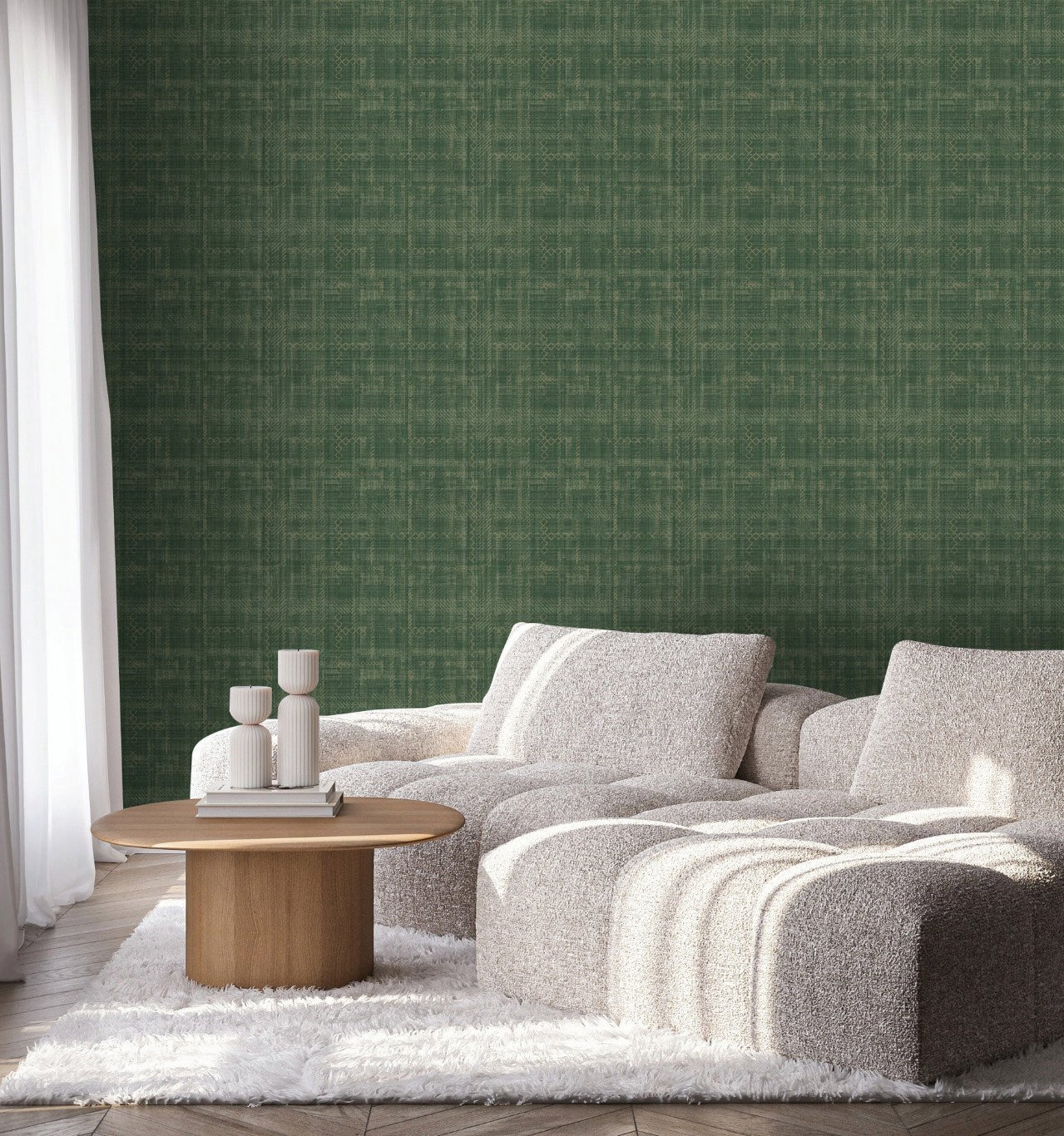
The wall covering collection includes wood-effect options that deliver the visual warmth of timber without the material limitations.
Installation Methods and Considerations
Wall cladding installation in Singapore varies by material and substrate. The three main methods are:
Adhesive bonding: Lightweight panels (PVC, thin stone veneers, wallpaper-backed options) can be adhered directly to clean, level walls using construction adhesive. This is the least invasive method and works well for HDB and condo walls that are generally flat.
Mechanical fixing: Heavier cladding (solid stone, thick timber planks) requires screws, clips, or brackets fixed into the wall. This provides the strongest hold but involves drilling into the wall substrate. In HDB flats, avoid drilling into structural beams or columns without professional guidance.
Batten framework: A grid of timber or aluminium battens is first fixed to the wall, and the cladding panels are then attached to the battens. This method accommodates uneven walls, allows for cable routing behind the cladding, and creates an air gap that helps manage moisture. It is the standard method for timber slat feature walls and 3D panel installations.
Key installation considerations for Singapore properties:
- Check for concealed wiring and water pipes before drilling. Use a stud finder with wire detection capability.
- Leave a 5 to 10 mm expansion gap at the edges for timber and WPC cladding to accommodate humidity-related movement.
- For bathroom cladding, ensure the underlying wall is waterproofed before installing any cladding material.
- Air-conditioned rooms with cladding on exterior walls should have a vapour barrier to prevent condensation between the cladding and the cold wall surface.
Choosing the Right Cladding for Your Space
The best cladding material depends on the specific room and its conditions:
Living rooms: The widest range of options. Stone, timber, 3D panels, and brick slips all work well in climate-controlled living spaces. Choose based on your preferred aesthetic and budget.
Bedrooms: Timber or fabric-effect wall coverings create warmth and softness. Avoid hard, reflective materials like polished stone that can feel cold and impersonal in sleeping spaces.
Kitchens: Moisture-resistant materials only — WPC, PVC, sealed stone, or engineered composites. Ensure the cladding can be cleaned easily, as kitchen walls accumulate grease and splatter.
Bathrooms: Waterproof materials are essential. PVC panels, porcelain tile cladding, and sealed natural stone are the appropriate choices. Timber and gypsum panels are not suitable for wet environments.
Commercial spaces: Durability and fire rating are primary concerns. Specify materials that meet Singapore’s fire safety requirements for commercial interiors. Commercial-grade wall coverings offer an efficient alternative to heavy cladding for large surface areas.
Cost and Long-Term Value
Wall cladding costs vary enormously depending on the material and scope. For a single feature wall in an HDB living room (approximately 8 square metres), here is what to expect:
| Material | Estimated Total Cost (SGD) |
|---|---|
| PVC panels | $300–$600 |
| WPC fluted panels | $500–$1,200 |
| Brick slips | $500–$1,000 |
| Engineered stone veneer | $800–$2,000 |
| Natural stone (thin-cut) | $1,200–$3,000 |
These figures include materials and professional installation. DIY installation for lightweight materials like PVC can reduce costs by up to 40%.
Unlike paint, which needs refreshing every three to five years, and wallpaper, which may need replacing after seven to ten years, quality wall cladding can last the lifetime of the property with minimal maintenance. Natural stone and porcelain cladding are virtually permanent. Timber and WPC cladding last 15 to 25 years in air-conditioned environments. Even PVC panels typically last 10 to 15 years before showing wear.
This longevity makes cladding a sound investment despite the higher upfront cost compared to paint or wallpaper. When spread over its expected lifespan, the annual cost of wall cladding often compares favourably with repeated repainting cycles.
Visit the Goodrich Gallery to see cladding-effect wall coverings and textured surfaces in person. Request free samples to test materials against your existing interior before making a final decision.