Articles / Carpet & Flooring / Healthcare Interiors
Why Seamless Vinyl Flooring Hospital Outperforms Traditional Flooring in Hospital Settings

Introduction: Why Hospital Flooring Is a Safety System
In healthcare environments, flooring is one of the most continuously used surfaces, yet it is often discussed as a design element rather than a safety system. Every patient transfer, staff movement, and equipment rollout depends on the reliability of the floor beneath it. In this context, seamless vinyl flooring plays a critical role in maintaining hygiene, safety, and operational efficiency across clinical spaces.
Hospital floors are exposed to constant foot traffic, rolling equipment, spills, and aggressive cleaning agents. When flooring systems include joints, seams, or surface irregularities, they create points where contaminants can accumulate and persist despite routine cleaning. These vulnerabilities directly affect infection-control efforts and increase maintenance burden.
By eliminating seams and gaps, seamless vinyl flooring installations support more effective cleaning, reduces contamination risk, and provides a stable foundation for daily clinical operations. Flooring decisions, therefore, should be treated as infrastructure choices that influence patient safety and care quality throughout the facility.
Floors as High-Risk Surfaces in Healthcare Environments
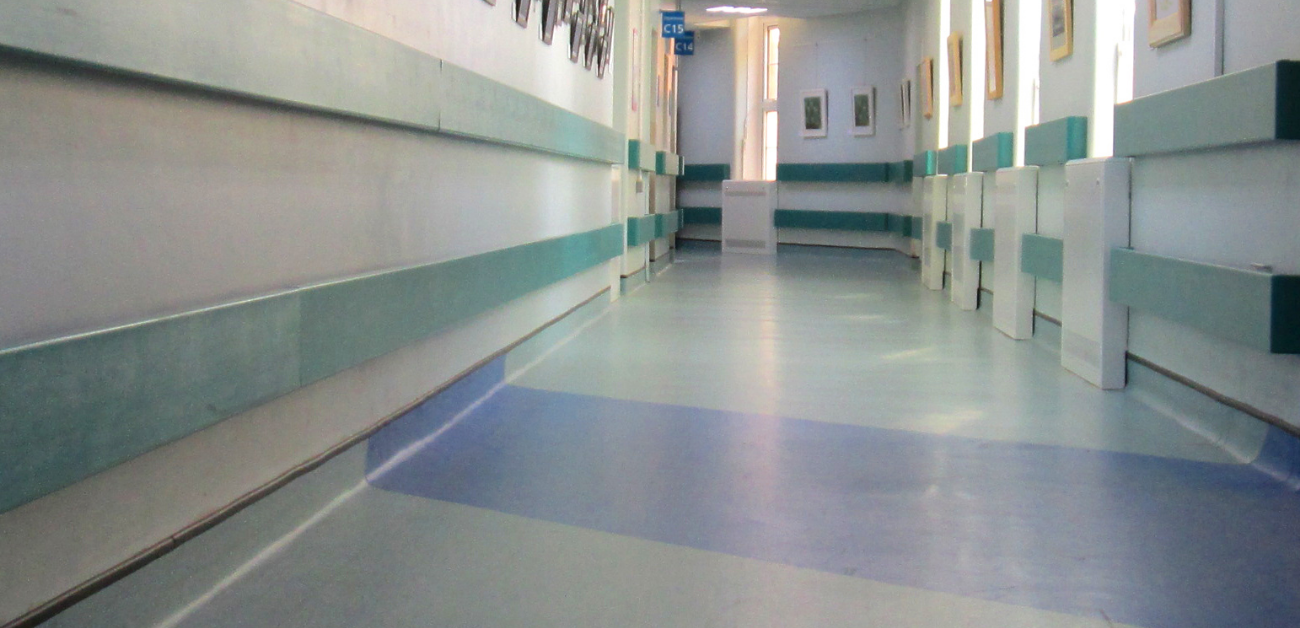
Hospital floors experience constant and varied contact throughout every operational hour. Staff move between patient rooms and departments, patients are transported on beds and wheelchairs, and equipment is rolled continuously across surfaces. At the same time, floors are exposed to spills, bodily fluids, cleaning solutions, and debris. This combination of traffic and exposure makes flooring a critical vector for contamination if not properly designed and maintained.
Contaminants do not remain confined to a single space. Footwear, wheels, and mobile equipment can carry microorganisms from isolation rooms into shared corridors, treatment areas, and waiting spaces. When flooring systems include seams, cracks, or porous materials, these features become collection points that are difficult to disinfect consistently, allowing contaminants to persist and spread.
By minimising joints and eliminating gaps, seamless vinyl flooring reduces these exposure points. Smooth, continuous surfaces support more effective cleaning and limit the pathways through which contaminants travel, strengthening infection-control efforts across interconnected healthcare environments.
The Hygiene Advantage of Seamless Construction
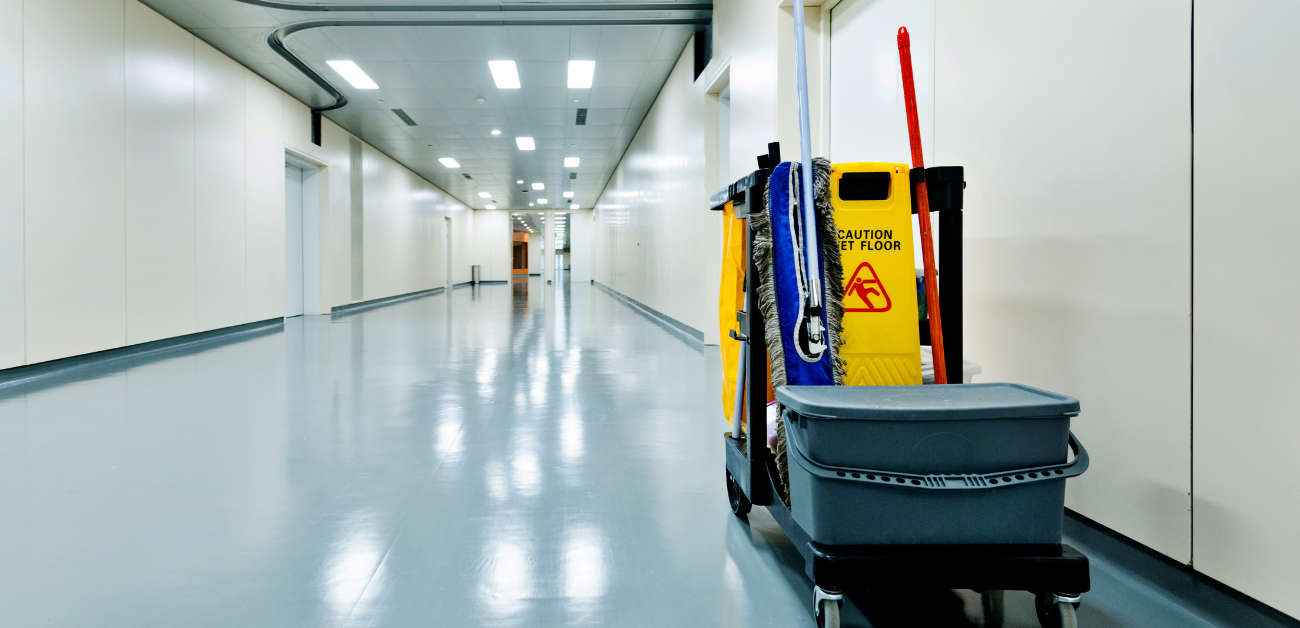
In healthcare settings, small structural details can have outsized effects on hygiene outcomes. Joints, seams, and gaps in traditional flooring systems create spaces where moisture, dirt, and microorganisms can accumulate. These areas are difficult to access during routine cleaning and can remain contaminated even when surface disinfection is performed regularly. Over time, such reservoirs undermine infection-control efforts and increase the risk of cross-contamination.
Seamless installation fundamentally changes how floors can be cleaned and maintained. Without breaks in the surface, cleaning solutions can be applied evenly, and mechanical cleaning equipment can operate more effectively. The absence of seams reduces the likelihood of residue buildup and supports faster, more consistent disinfection across large areas. This efficiency is particularly important in high-acuity zones where rapid turnover and strict hygiene standards are required.
The infection-control relevance of seamless vinyl flooring hospital systems lies in their ability to support reliable, repeatable cleaning processes. By eliminating structural vulnerabilities, these floors help healthcare facilities maintain higher hygiene standards with greater consistency and control.
Slip Resistance, Mobility, and Patient Safety
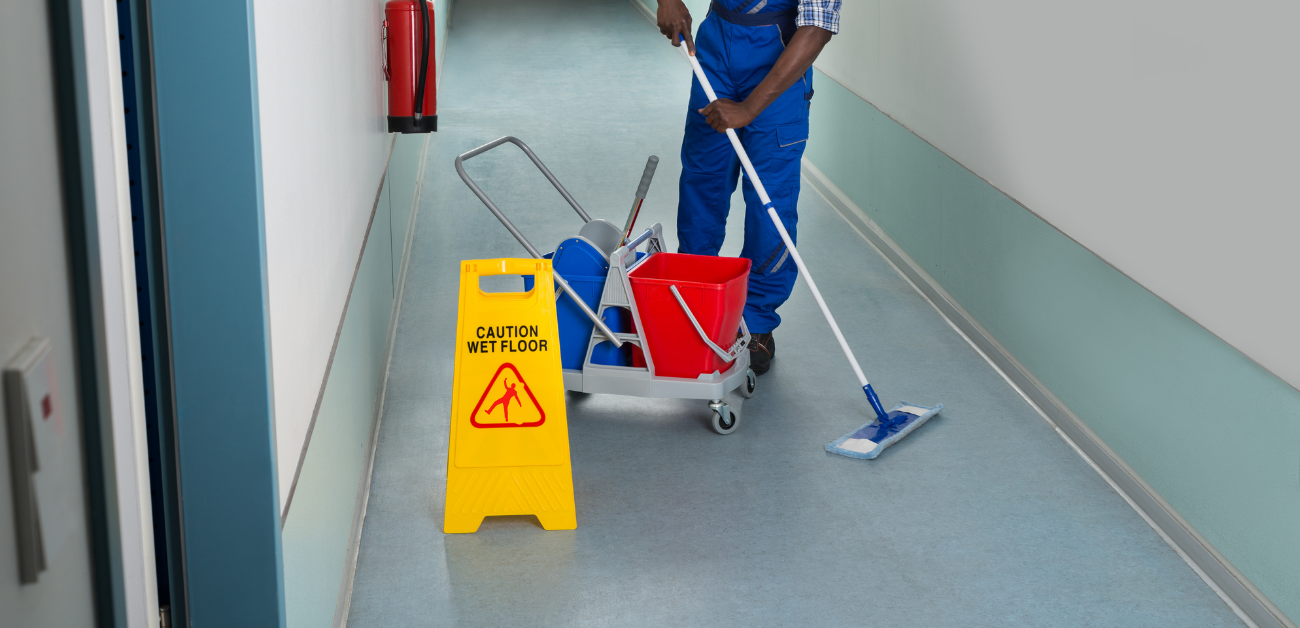
Patient and staff falls remain one of the most common safety incidents in healthcare facilities, often resulting in injury, extended hospital stays, and increased liability. Flooring performance plays a direct role in fall prevention, particularly in environments where spills, cleaning activities, and high foot traffic are routine. Surfaces that become slippery when wet or worn can significantly increase risk.
Hospital floors must perform consistently under demanding conditions. Cleaning processes frequently leave residual moisture, while constant movement of people and equipment accelerates surface wear. Flooring that loses traction over time undermines safety efforts and complicates mobility for patients using walkers, wheelchairs, or assistance devices.
Seamless vinyl flooring in hospital systems are designed to balance smooth mobility with controlled slip resistance. By maintaining uniform surface texture and eliminating transitions that can catch wheels or feet, these floors support safer movement. Reliable traction under both dry and wet conditions helps protect patients, staff, and visitors throughout daily operations.
Compliance, Regulations, and Audit Readiness
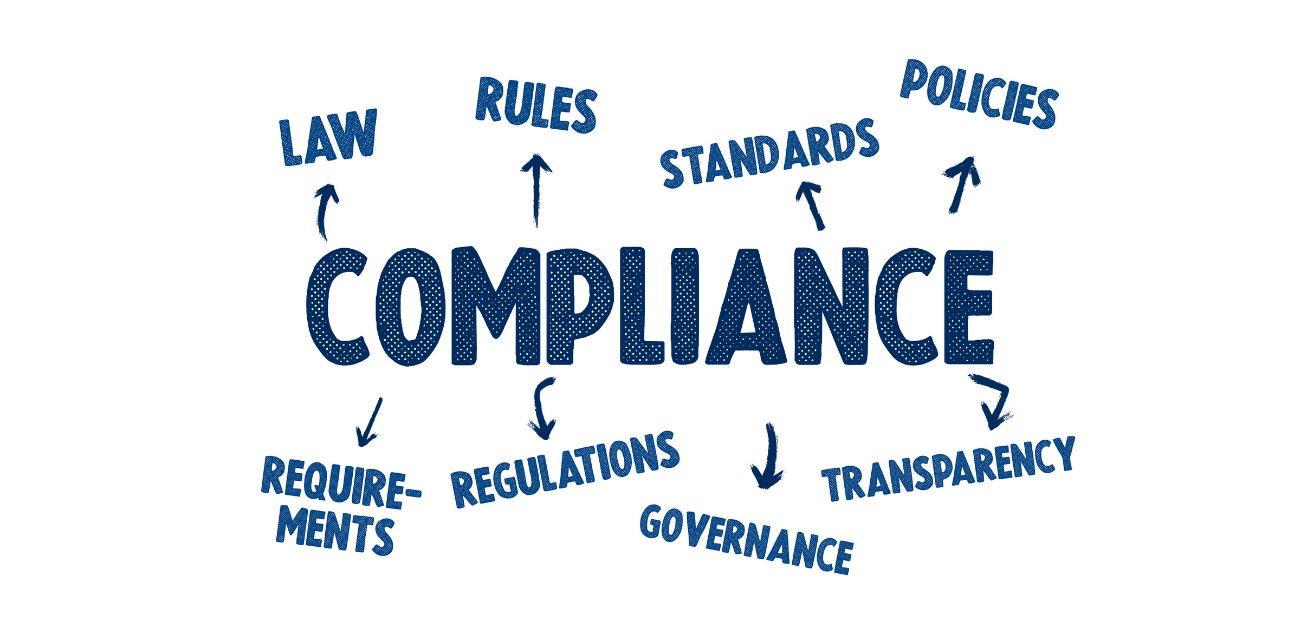
Healthcare facilities must comply with a range of hygiene, safety, and accessibility standards that directly affect flooring specifications. Regulations often address cleanability, slip resistance, and suitability for patients with limited mobility. Flooring that fails to meet these requirements can lead to citations, corrective actions, or restrictions on facility use, particularly in patient-care areas.
During inspections and audits, flooring is evaluated both visually and functionally. Inspectors look for signs of damage, gaps, or wear that could compromise hygiene or safety. Floors that are difficult to clean or show evidence of contamination buildup may trigger broader reviews of maintenance practices and material selection decisions.
Using seamless vinyl flooring helps reduce compliance risk by aligning floor design with regulatory expectations. Continuous surfaces support consistent cleaning, reduce trip hazards, and demonstrate proactive risk management. This alignment strengthens audit readiness and reinforces institutional accountability across clinical environments.
Durability, Maintenance, and Lifecycle Cost
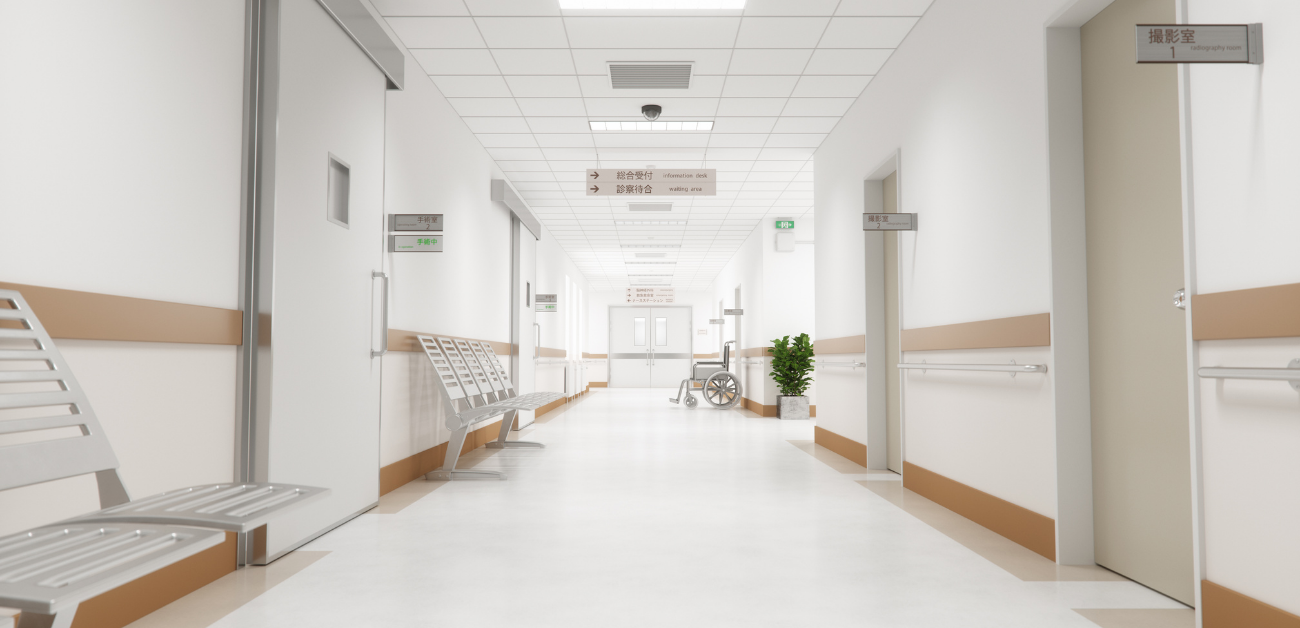
Hospital flooring must withstand aggressive cleaning chemicals, frequent disinfection, and constant mechanical stress from foot traffic and wheeled equipment. Over time, inferior materials can crack, delaminate, or lose surface integrity, creating hygiene and safety concerns that require intervention. These failures increase maintenance demands and accelerate replacement cycles.
Replacing flooring in active healthcare environments presents significant challenges. Sections often need to be closed, furniture and equipment relocated, and workflows disrupted to accommodate repairs or installation. Even short periods of downtime can affect patient flow and operational efficiency, particularly in high-use areas.
Investing in seamless vinyl flooring offers long-term value by reducing these disruptions. Durable materials designed for clinical conditions maintain performance over extended periods, minimizing repairs and extending service life. This stability lowers the total cost of ownership and supports more predictable facility management over time.
Ethical Responsibility in Healthcare Flooring Choices
Flooring decisions in healthcare environments carry ethical implications because they directly affect patient safety, dignity, and accessibility. Patients often move through hospitals while injured, sedated, or dependent on mobility aids, which places an obligation on institutions to provide surfaces that reduce risk rather than introduce it. Staff members also rely on safe flooring to perform physically demanding tasks without unnecessary hazards.
Material selection reflects institutional priorities. Choosing flooring that degrades quickly, harbors contaminants, or increases fall risk places operational convenience above human well-being. In contrast, durable and hygienic flooring supports equitable access, safer movement, and consistent standards of care across departments.
Specifying seamless vinyl flooring systems aligns design decisions with ethical responsibility. These floors support infection control, mobility, and long-term reliability, demonstrating a commitment to environments that protect vulnerable patients and enable staff to deliver care safely and effectively.
Conclusion: Flooring as Healthcare Infrastructure
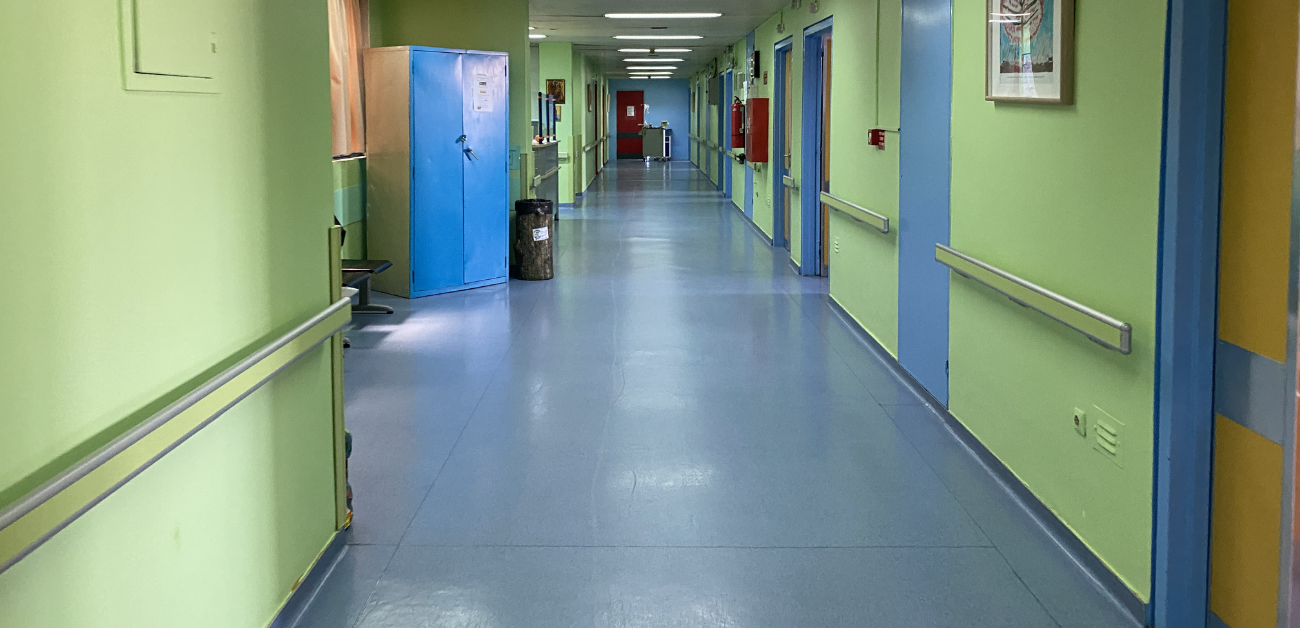
Hospital flooring should be recognised as foundational infrastructure rather than a background design feature. Its performance influences infection control, fall prevention, maintenance efficiency, and regulatory compliance on a daily basis. Seamless construction, durability, and cleanability elevate flooring from a surface choice to a safety system.
Across clinical environments, seamless vinyl flooring solutions help reduce contamination pathways, support consistent cleaning, and maintain safe movement for patients and staff. These outcomes reinforce both operational stability and ethical accountability in care delivery.
Within this framework, Goodrich Global operates as a performance-driven partner in healthcare interior solutions, with an emphasis on materials that respond to real clinical demands. Its approach invites healthcare decision-makers to look more closely at how flooring specifications contribute to long-term safety, compliance, and the overall integrity of healthcare environments.