Carpet & Flooring
Staircase Carpet Runner Ideas and Installation
A staircase carpet runner adds visual warmth, reduces noise, and improves grip on one of the most functional elements of a multi-storey home. In Singapore’s landed properties, maisonette HDB flats, and duplex condos, the staircase is often a prominent architectural feature — and dressing it with the right runner can elevate the entire interior.
This guide covers design ideas, material options, sizing considerations, and installation methods for staircase carpet runners in Singapore homes.
Why Install a Staircase Carpet Runner
Bare timber, stone, or tiled staircases can look beautiful but come with practical drawbacks. They are noisy underfoot, can be slippery (especially in socks or bare feet), and transmit every footstep to rooms below. A carpet runner addresses all three issues while adding a design element that ties the staircase into the broader interior scheme.
Staircase carpet runners are particularly valuable in households with children and elderly family members. The textured fibre surface provides traction that reduces the risk of slipping, while the cushioned layer softens the impact of a stumble — an important safety consideration on any staircase.
From an acoustic perspective, a runner significantly reduces the noise generated by foot traffic on stairs. In maisonette HDB flats and multi-storey condos, where staircases are close to living and sleeping areas, this noise reduction is immediately noticeable.
Design Ideas for Staircase Runners
Classic Solid Colours
A solid-colour runner in a neutral tone — charcoal, taupe, navy, or cream — creates a clean, elegant look that complements a wide range of interior styles. Solid runners work particularly well on staircases with decorative balustrades or distinctive timber treads, where the runner should enhance rather than compete with existing features.
Striped Patterns
Stripes running along the length of the runner draw the eye upward and create a sense of height and formality. Narrow stripes in tonal variations of a single colour are sophisticated and understated. Wider, contrasting stripes make a bolder statement suited to contemporary and maximalist interiors.
Geometric and Modern Patterns
For modern homes, geometric patterns — chevrons, Greek key borders, lattice, and abstract motifs — add visual interest and a contemporary edge. These patterns work well in landed properties and penthouses where the staircase is a feature element of the design.
Traditional and Oriental Patterns
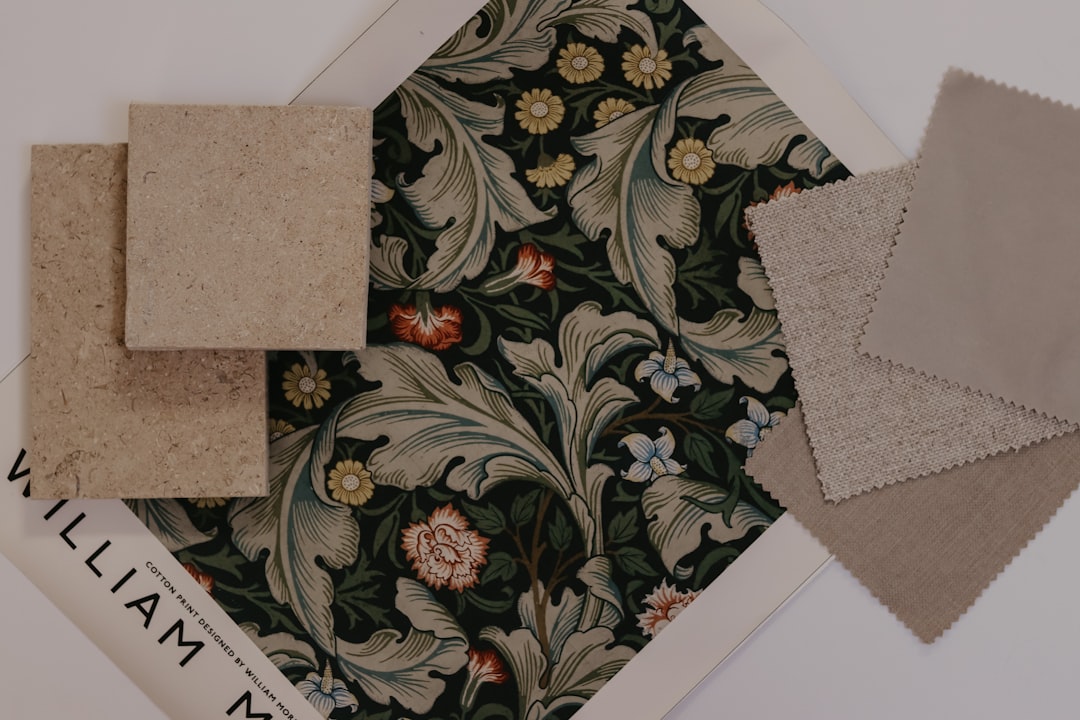
Ornate floral and medallion patterns suit heritage properties, Peranakan-inspired interiors, and formal living spaces. A traditional runner on a timber staircase creates a timeless look that resonates with Singapore’s rich cultural heritage.
Natural Fibre Textures
Runners in sisal, jute, or seagrass provide an organic, textured look suited to tropical and Scandinavian-inspired interiors. Note that natural fibres are less soft underfoot than wool or synthetic options and may require more care in Singapore’s humid climate.
Choosing the Right Material
The staircase is one of the highest-traffic areas in any home, so durability is paramount when selecting a runner material.
| Material | Durability | Softness | Humidity Tolerance | Price Range |
|---|---|---|---|---|
| Wool | Excellent | Very soft | Moderate (needs ventilation) | Premium |
| Nylon | Excellent | Soft | Excellent | Mid to premium |
| Polypropylene | Good | Moderate | Excellent | Affordable |
| Sisal/jute | Good | Firm | Poor (can absorb moisture) | Mid-range |
| Polyester blend | Moderate | Very soft | Good | Affordable to mid |
For most Singapore homes, nylon or wool runners offer the best combination of durability, comfort, and appearance retention. Nylon is the more practical choice for households with children and pets, while wool appeals to those prioritising a natural, premium feel.
Sizing and Proportions
Getting the runner width right is essential for a polished look. The standard approach is to leave 50 mm to 100 mm of the stair tread exposed on each side. This border of exposed timber or stone frames the runner and prevents a wall-to-wall fitted look that can appear heavy on a staircase.
For a standard Singapore staircase with treads approximately 900 mm wide, a runner width of 700 mm to 800 mm is proportionate. Wider staircases in landed properties may use runners up to 900 mm wide, while narrower service stairs suit 600 mm runners.
The runner should extend from the top of the staircase to the bottom landing. On return staircases (L-shaped or U-shaped), the runner can be mitred at the landing corner for a seamless turn, or a separate landing piece can be cut and joined.
Installation Methods
There are two primary methods for installing staircase carpet runners, each with distinct advantages.
Stair Rods
Stair rods are metal bars that hold the runner in place at the back of each tread. They are a traditional installation method that adds decorative value — available in brass, chrome, antique bronze, and blackened steel finishes. Stair rods allow the runner to be removed for cleaning or replacement without damaging the staircase beneath.
Fitted (Glued or Tacked)
The runner is secured directly to each tread and riser using gripper rods (tack strips), adhesive, or a combination of both. This method produces a smooth, taut finish that hugs the contour of each step closely. It is the most secure option and is recommended for households with young children or elderly residents who need maximum grip.
Professional installation is strongly recommended for staircase runners. The cutting, fitting, and securing of carpet on stairs requires precision — poorly fitted runners can create trip hazards and will not lie flat over time.
Maintenance and Care
Staircase runners receive concentrated foot traffic along a narrow path, so regular maintenance is essential to maintain their appearance.
- Vacuum weekly: Use a handheld or cordless vacuum to clean the runner at least once a week. Pay attention to the nosing area where the tread meets the riser, as dirt accumulates in this crease.
- Rotate if possible: If the runner is held by stair rods, consider shifting it slightly (5–10 cm) every six months to distribute wear more evenly across the fibre.
- Spot clean promptly: Address spills and stains immediately. Blot with a clean cloth and apply a carpet spot cleaner as needed.
- Professional cleaning: Have the runner professionally cleaned annually to remove embedded dirt and restore fibre resilience.
Explore Goodrich Global’s carpet collection for materials suited to staircase runner applications.
Final Thoughts
A well-chosen staircase carpet runner combines safety, sound reduction, and design impact in a single element. Whether you prefer a classic solid colour, a contemporary geometric pattern, or a natural fibre texture, the right runner transforms your staircase from a purely functional feature into a design highlight. Consider your household’s traffic patterns, safety needs, and interior style, then invest in quality material and professional installation for a result that lasts.
Request free samples from our Singapore showroom to compare carpet runner materials, colours, and textures for your staircase project.