Interior Design
City in Nature: Biophilic Surfaces for Singapore Interiors
Biophilic surfaces are how the city-in-nature idea reaches the interiors people actually inhabit. Singapore’s Design 2035 Masterplan holds up the nation’s standing as a high-density city that has grown greener as it has grown denser, and it calls for regenerative design that learns from nature through biophilic and biomimicry principles. Much of that ambition, indoors, is delivered through material choice.
This article looks at how wallcovering, carpet, flooring, and fabric translate the city-in-nature concept into real rooms — and why surfaces, not just planting, do much of the work in connecting occupants to nature within dense urban buildings.
Why Surfaces Carry Biophilic Design
Biophilic design is often pictured as living walls and indoor planting. Those help, but they are maintenance-heavy and impractical in many spaces. The quieter, more durable route to a nature-connected interior runs through its surfaces: the textures underfoot, the patterns on the walls, the grain of the materials, and the palette that surrounds people all day.
Research into biophilic environments consistently links natural materials, patterns, and tones to lower stress and better focus. The Masterplan’s interest in this is not decorative — it ties biophilic and regenerative design to healthier environments and Singapore’s emerging green economy. For interiors, that means treating natural references as a wellbeing strategy, delivered substantially through what is specified on floors and walls. The workplace evidence for this is strong, as our piece on biophilic office design and productivity details.
Three Ways Materials Evoke Nature
Biophilic surfaces work through a few distinct mechanisms, and the strongest schemes combine them rather than relying on one.
Natural Materials And Textures
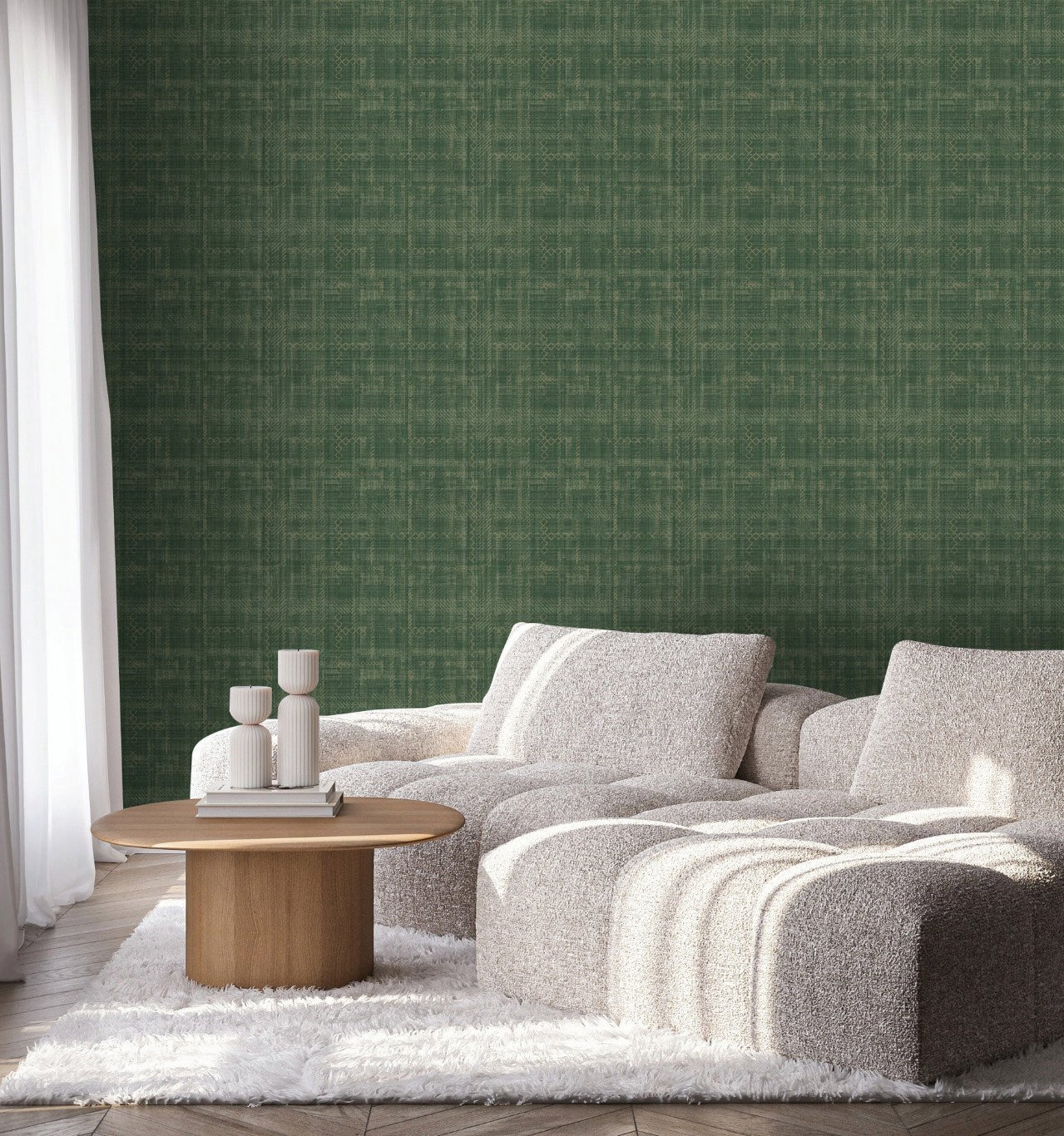
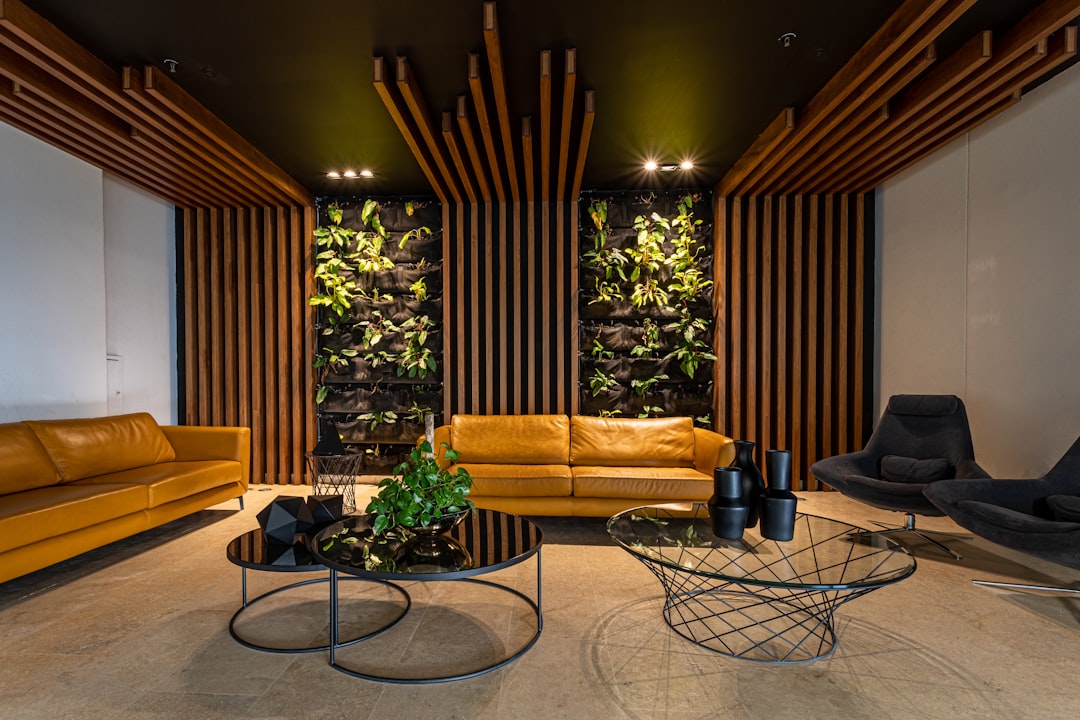
Surfaces that are genuinely natural, or that faithfully reproduce natural texture, give the most direct connection. Grasscloth, raffia, and other natural-fibre wallcoverings bring tactile, organic surfaces to walls. Timber-look flooring carries the grain and warmth of wood. Wool-rich and natural-fibre carpets add softness and acoustic comfort that read as organic underfoot.
Organic Patterns And Forms
Where natural materials are impractical, pattern does the work. Botanical motifs, leaf and foliage prints, water and stone textures, and the irregular, non-repeating rhythms found in nature all trigger a biophilic response. Wallcoverings are especially effective here, carrying detailed natural imagery across large surfaces without structural change — see our round-up of nature-inspired wallpaper designs for the range available.
Nature-Derived Palettes
Colour anchors the scheme. Greens, earth tones, sky and water blues, and warm neutrals echo the natural world and tie the textures and patterns together. A nature-derived palette across wallcovering and soft furnishings can make even a material-neutral room feel connected to the outdoors.
Biophilic Surfaces By Setting
| Setting | Surface approach |
|---|---|
| Workplace | Nature-toned carpet, botanical feature walls, timber-look zones to aid focus and calm |
| Hospitality | Textured natural wallcoverings and organic palettes for restorative guest experiences |
| Healthcare and care | Calming nature imagery and warm flooring to reduce stress in clinical spaces |
| Residential | Grasscloth, foliage prints, and earth tones for a grounded, restful home |
From Biophilic To Regenerative
The Masterplan pushes beyond biophilic design toward regeneration — not just connecting to nature, but giving back to it. For surfaces, the bridge between the two ideas is honesty of material: a biophilic interior is most credible when its natural references are matched by responsible sourcing and recycled or renewable content. A foliage-printed wallcovering on a high-recycled-content substrate, or a nature-toned carpet built from recycled yarn, satisfies both the aesthetic and the ecological intent at once.
That pairing matters because clients and occupants increasingly notice the gap between looking natural and being responsible. Specifying biophilic surfaces that are also genuinely sustainable closes it.
Texture, Light, And The Tropical Context
Singapore’s climate gives biophilic design a particular character. Strong, consistent daylight and a lush outdoor environment mean interiors can borrow generously from what is just beyond the glass. Surfaces that respond to natural light — matte textures that catch it softly, layered weaves that cast subtle shadow, palettes that shift through the day — feel alive in a way flat, uniform finishes do not.
Texture is doing more work here than colour alone. A grasscloth wall reads differently at every hour because its fibres interact with changing light, and a cut-and-loop carpet creates gentle variation underfoot that mirrors the irregularity of natural ground. These tactile qualities are part of why natural and natural-look surfaces feel restorative: they reintroduce the small imperfections and movement that uniform manufactured surfaces strip away. In the tropics, leaning into texture rather than relying on imagery alone keeps a biophilic scheme feeling authentic rather than applied.
Pairing Surfaces With Soft Furnishings
A biophilic interior rarely succeeds on walls and floors alone; the soft layer completes it. Upholstery and drapery in natural fibres or nature-derived tones tie the scheme together and add the tactile warmth that makes a space feel grounded. Linen-look weaves, earthy upholstery, and curtains in sky or foliage tones extend the palette from the architecture into the furniture, so the connection to nature is felt at every scale. Coordinating fabric with the wall and floor selection — rather than choosing each in isolation — is what turns individual natural elements into a coherent, immersive whole.
Specifying Biophilic Surfaces Well
A few principles keep a biophilic scheme from tipping into theme-park literalism:
- Layer the three mechanisms — material, pattern, and palette — rather than relying on one heavy gesture.
- Favour irregular, non-repeating natural patterns over mechanical repeats, which read as artificial.
- Maximise the relationship with daylight; biophilic surfaces work best where natural light reaches them.
- Keep performance intact — slip resistance, durability, and cleanability still govern the final choice.
The Wellbeing Case Behind The Aesthetic
Biophilic surfaces earn their place on more than appearance. The Masterplan connects regenerative and biophilic design to healthier environments, and that link is what makes the approach worth specifying deliberately rather than treating it as a passing style. Contact with natural materials, patterns, and tones is associated with lower stress, improved concentration, and a greater sense of calm — benefits that compound in the settings where people spend the most time.
For a workplace, that can translate into better focus and a more restorative environment; for hospitality, into guest experiences that feel genuinely relaxing; for care and residential settings, into spaces that soothe rather than agitate. Framing biophilic surfaces as a wellbeing investment, not just a decorative choice, also makes them easier to justify to a client who needs a reason beyond taste. To compare textures and palettes against a specific scheme, it is worth requesting samples so the natural quality of each surface can be judged in the project’s own light.
Common Mistakes To Avoid
Biophilic schemes fail in predictable ways, and most are avoidable. Over-literal imagery — oversized photographic murals of forests, for instance — can read as kitsch rather than calming. Mechanical, obviously repeating patterns undercut the natural effect they are meant to create. And a heavy reliance on a single gesture, such as one feature wall, leaves the rest of the space feeling disconnected from it. The antidote in each case is restraint and layering: subtle, abstracted natural references distributed across material, pattern, and palette will almost always outperform one loud statement.
Final Thoughts
The city-in-nature idea at the heart of Design 2035 does not stop at the building envelope. Through natural textures, organic patterns, and nature-derived palettes — ideally on responsibly sourced materials — biophilic surfaces bring that ambition indoors, supporting wellbeing in exactly the dense urban settings where people need it most.
Book an Appointment with Our Team
Meet our consultants at the Goodrich Gallery to see materials in person and discuss your project.