Industry Insights
Adaptive Reuse: Specifying Interiors for Old Buildings
Adaptive reuse, the practice of giving an existing building a new function rather than demolishing it, is reshaping how Singapore approaches development on a land-scarce, carbon-conscious island. From conserved shophouses turned boutique offices to former industrial blocks reborn as creative studios, the opportunity is significant. For architects and specifiers, the hardest decisions often sit at the surface, where new interior finishes meet old structure.
Why Adaptive Reuse Matters in Singapore
Singapore has limited land and a mature building stock, so the question is increasingly whether to reuse rather than rebuild. Retaining an existing structure preserves the embodied carbon already locked into its concrete, steel, and masonry, avoiding the large emissions spike that comes with demolition and new construction.
The Urban Redevelopment Authority’s conservation framework reinforces this. Gazetted shophouses, civic buildings, and selected industrial estates carry conservation requirements that protect facades and significant interior fabric, pushing project teams toward sensitive intervention rather than wholesale replacement.
The result is a steady pipeline of conversions: old schools and civic blocks becoming offices and retail, warehouses turning into F&B and co-working space, and shophouse interiors hosting clinics, studios, and showrooms. Each one inherits a structure that was never designed for its new use.
There is also a commercial logic that runs alongside the environmental one. A converted building can reach occupancy faster than ground-up construction, and a distinctive heritage envelope often commands a rental premium that a generic new shell cannot. For developers, the interior fit-out is where that character is either realised or lost.
The Material Challenges Unique to Old Buildings
Old shells rarely offer the clean, level, predictable conditions of new construction. Specifiers walking a reuse site typically confront a familiar set of problems before a single finish is chosen.
- Uneven, cracked, or multi-layered substrates from decades of previous fit-outs and patch repairs.
- Residual moisture in old slabs and walls, often with no functioning damp-proof membrane.
- Retained heritage fabric, such as original timber, tiles, or plaster, that must be protected and left reversible.
- Modern services, including data, mechanical ventilation, and sprinklers, that must be threaded through structure not built to receive them.
- Acoustic and fire performance that no longer meets current code and must be upgraded within a fixed shell.
These constraints mean the finish is rarely just decorative. It frequently has to perform a remedial or protective role at the same time, and that dual demand should shape the specification from the outset.
How Surface Finishes Solve Old-Building Problems
This is where considered finish selection earns its place. The right surface system can absorb imperfection, refresh appearance, and add performance without disturbing what matters in the original building.
Resilient vinyl and engineered flooring are forgiving over imperfect subfloors. Paired with a suitable screed or self-levelling compound and a moisture management layer, they bridge minor unevenness and tolerate the residual damp that old slabs carry. Loose-lay and modular formats also lift cleanly for future access to services routed below.
Wallcovering does similar work vertically. A durable commercial wallcovering can refresh tired or patched walls while still respecting the character of a space, and it can be specified to leave protected heritage surfaces untouched behind reversible substrates. Acoustic-backed and textile finishes retrofit sound control into hard old shells that were never designed for occupancy comfort.
Reversibility is the principle that ties these solutions together. In a conserved interior, the ability to remove a finish later without damaging the original fabric is often a planning condition, not just good practice. Mechanically fixed panels, free-standing partitions, and dry-laid floor systems let a tenant fit out and a future tenant strip back, all while the protected structure remains as found.
Performance layering matters too. A single wall build-up might combine a moisture-tolerant lining, an acoustic backing, and a hard-wearing decorative face, each chosen to address a specific shortcoming of the old shell. Reading the finish as a system rather than a single product is what allows one detail to solve several problems at once.
Old-Building Challenge and Finish-Led Solution
The table below maps the most common reuse constraints to a finish-led response specifiers can build into a material schedule.
| Old-Building Challenge | Finish-Led Solution |
|---|---|
| Uneven or multi-layered subfloor | Self-levelling base plus resilient vinyl or modular flooring that tolerates tolerance variation |
| Residual moisture in old slabs | Surface damp-proof membrane with moisture-tolerant flooring system |
| Patched, tired walls of mixed substrate | Durable commercial wallcovering over a sound lining to unify the surface |
| Protected heritage fabric | Reversible, mechanically fixed or free-standing finishes that leave original material intact |
| Poor acoustics in hard shells | Acoustic wallcovering, textile panels, and carpet to retrofit sound absorption |
| Fire performance below current code | Finishes specified to required reaction-to-fire classifications |
Balancing Old and New Aesthetically
Successful reuse interiors read as a deliberate conversation between eras rather than a disguise. The strongest schemes let the original fabric, exposed brick, weathered timber, or board-marked concrete, remain legible, and use new finishes as a calm, contemporary counterpoint.
Restraint usually wins. A limited palette of new materials, chosen for texture and tone rather than novelty, allows retained features to lead while modern surfaces handle the floors, working walls, and acoustic zones. The same principle that guides commercial interior material selection applies here: specify fewer materials, but specify them well.
Contrast is a useful tool when handled with intent. Matte modern surfaces beside aged, tactile originals; clean detailing meeting irregular old geometry; warm textiles softening raw concrete. These pairings signal that the new work is contemporary and confident rather than a pastiche of the past, which is usually what conservation officers and end users respond to best.
Sustainability and Certification
Adaptive reuse already delivers a sustainability story by keeping a structure standing, and the interior specification can extend it. Selecting finishes with credible environmental product declarations, recycled content, and low-emission profiles supports both the project narrative and formal assessment.
For teams targeting Green Mark or similar frameworks, material choices around indoor air quality and responsibly sourced products contribute directly to the rating. Treating the finish schedule as part of the certification strategy, rather than an afterthought, keeps documentation clean and avoids late substitutions.
Specifier Takeaways and Process
Reuse projects reward early investigation. The surveys and decisions below tend to separate smooth fit-outs from costly surprises on site.
- Survey substrates and test for moisture before locking in floor and wall finishes.
- Agree which heritage elements are retained, and specify reversible details around them.
- Coordinate finish build-ups with services routing so access stays possible.
- Confirm fire and acoustic targets early, then select finishes to meet them.
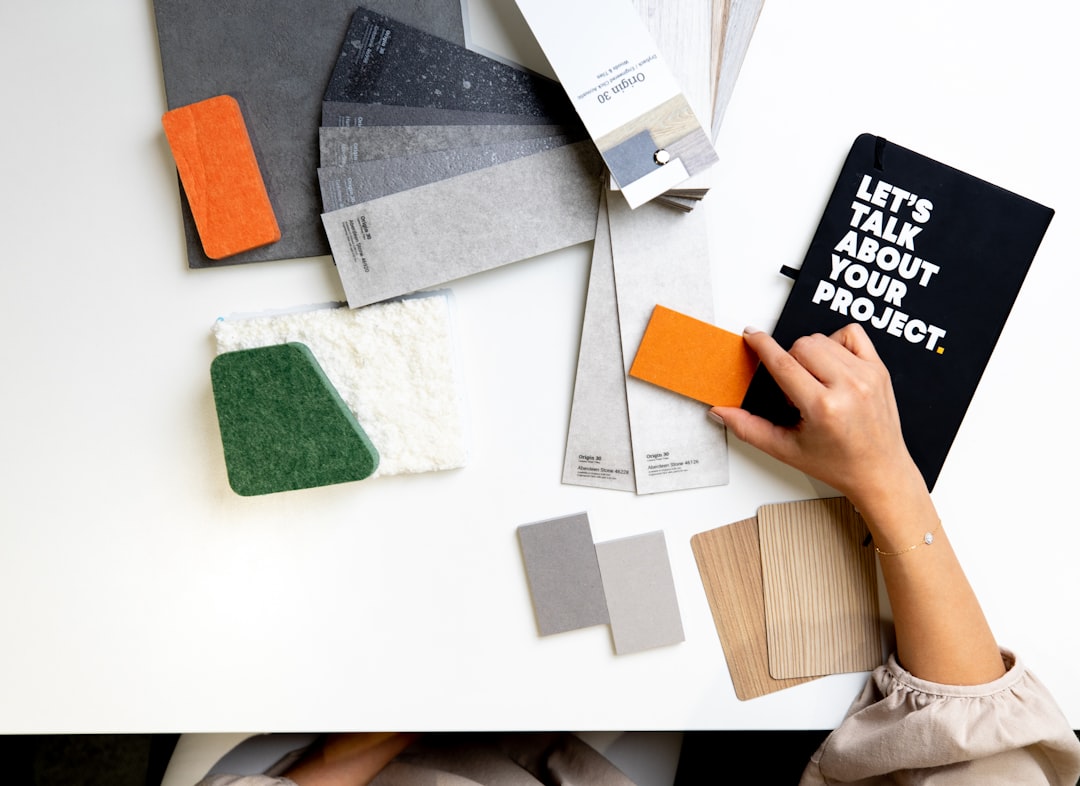
- Request samples and technical data against real site conditions, not idealised ones.
Engaging a finishes partner during design, rather than at procurement, lets these checks shape the specification while there is still flexibility to adjust. It is far cheaper to choose a moisture-tolerant system on paper than to discover the need after installation.
Allow contingency in both programme and budget. Old buildings reveal their surprises once the work starts, and a finish schedule that anticipates variation, with compatible alternates already identified, keeps the project moving when conditions on site differ from the survey. The aim is a specification that is robust enough to absorb the unexpected without compromising the design intent, and that gives the client confidence that the conversion will land on time and on brief.
Final Thoughts
Adaptive reuse asks interiors to do more than decorate; they must remediate, protect, and perform within an inherited shell. With the right finishes specified early, an old building can carry its character forward while meeting every modern expectation.
Speak to our commercial team about specifying interior finishes for your adaptive reuse project.