Industry Insights
Liveable, Loveable, Limitless: Design 2035 and Interiors
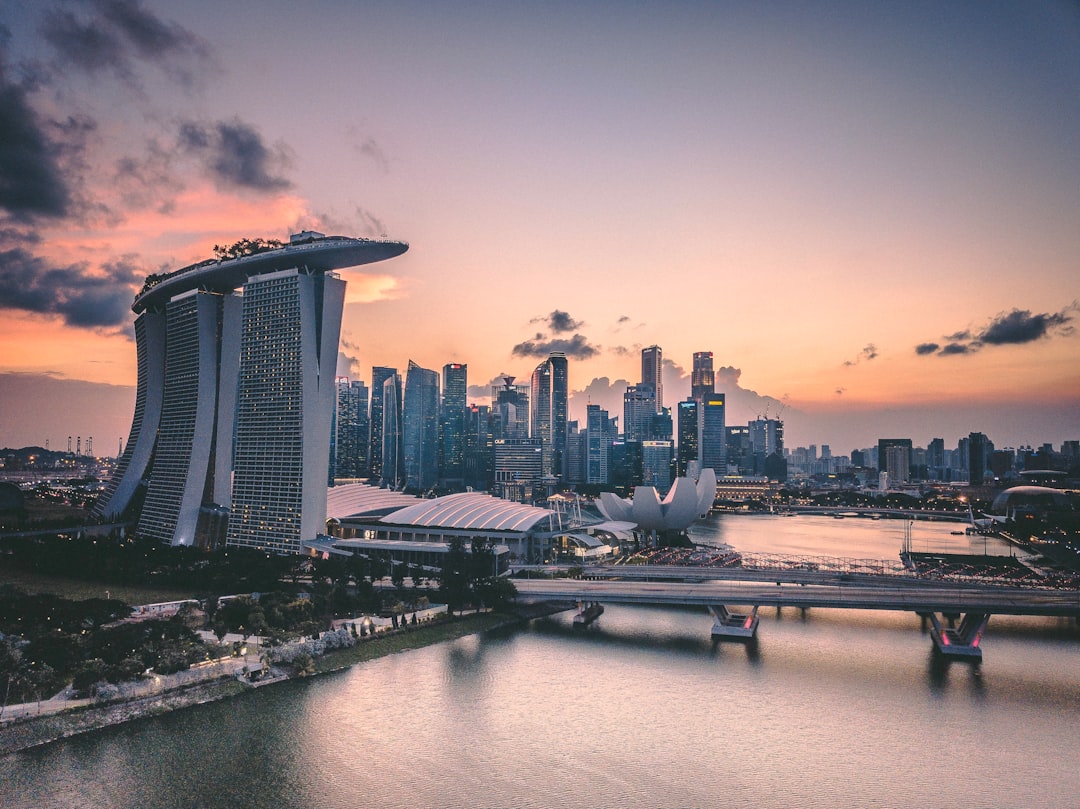
Liveable, loveable, limitless is the three-word vision at the heart of Singapore’s Design 2035 Masterplan — a city that works reliably for everyone, that inspires pride and belonging, and that keeps reimagining what is possible. It is a national design ambition, not an interiors brief, yet each of these three ideas has a direct counterpart in the materials that shape the spaces Singaporeans live, work, and play in. This article reads the vision through the lens of interior surfaces.
It builds on our overview of what the Design 2035 Masterplan means for interior materials, narrowing in on the vision statement itself. The Masterplan defines each term precisely, and each translates into a distinct way of thinking about floors, walls, and fabric.
Liveable: The Function Of Design
The Masterplan describes a liveable city as one where systems, services, and environments are intentionally shaped to work reliably and effectively for everyone, every day — balancing the material needs of people and firms with the planet. It is a strikingly material-centred definition, and it puts performance and responsibility at the core of liveability.
For interiors, liveable means materials that simply work, day in and day out: durable floors that withstand real use, slip-resistant surfaces that keep people safe, acoustic treatments that make spaces usable, and finishes that are easy to maintain. It also means balancing those needs with the planet — choosing responsibly sourced, durable materials that do not cost the environment to deliver everyday function. Liveability, in material terms, is reliability plus responsibility.
Loveable: The Resonance Of Design
A loveable city, in the Masterplan’s words, is one where shared spaces and experiences evoke deep pride and a strong sense of identity, helping people feel included, connected, and empowered. This is the emotional dimension of design — and surfaces carry a surprising amount of it.
Materials shape how a space feels and whether it expresses a sense of place. Wallcoverings and textiles that reference local culture and craft, palettes that evoke Singapore’s character, and tactile, characterful surfaces all contribute to spaces people feel something for rather than merely pass through. The same heritage and cultural sensibility runs through our work on heritage hospitality materials. Loveable, in material terms, is identity and emotional resonance — the difference between a generic interior and one that belongs to its place.
Limitless: The Possibilities Of Design
Limitlessness is the newest dimension in the Masterplan, describing a city where people feel inspired to continuously reimagine what could be, with design catalysing creativity and innovation. For interiors, this points to materials that enable possibility rather than constrain it.
Modular and flexible systems let spaces be reconfigured as needs change; a wide design range frees creativity rather than limiting it to a few safe options; and new material technologies open possibilities that did not exist a decade ago. Limitless, in material terms, is flexibility and creative range — surfaces that adapt and inspire rather than lock a space into a single fixed state.
The Three Together
The power of the vision is in holding all three at once. A material decision that serves only one falls short of the ambition.
| Vision | Material expression |
|---|---|
| Liveable | Durable, safe, maintainable, responsibly sourced surfaces |
| Loveable | Materials with identity, cultural resonance, and tactile character |
| Limitless | Flexible, modular, design-rich surfaces that enable possibility |
The strongest specifications satisfy all three: a floor that is durable and responsible (liveable), warm and characterful (loveable), and modular enough to be reconfigured (limitless). Drawing across a full flooring and wallcovering range makes it possible to hit all three rather than trading one for another.
The Vision Across Different Spaces
The three-part vision reads differently depending on the setting, which is part of what makes it a useful lens rather than a slogan. A workplace, a hotel, a care facility, and a home each weight liveable, loveable, and limitless differently, and good specification responds to that balance.
| Setting | Where the emphasis falls |
|---|---|
| Workplace | Liveable function and limitless flexibility for changing teams |
| Hospitality | Loveable identity and sense of place, on a liveable durable base |
| Care and healthcare | Liveable safety and hygiene, made loveable through warmth and dignity |
| Home | Loveable personal character, with liveable everyday durability |
Recognising which dimension a given space most needs helps a specifier prioritise without losing the other two. A care home cannot sacrifice safety for beauty, but it should not be cold either; a hotel must express identity, but not at the cost of a floor that fails under traffic. The vision works precisely because it insists all three are held together, while allowing the balance to shift by context. It is worth booking a consultation to work through that balance for a specific project.
From National Vision To Daily Reality
What makes the liveable, loveable, limitless framing valuable is that it scales all the way down from a national ambition to a single material decision. The Masterplan sets the direction at the level of the city; specifiers realise it at the level of the floor and the wall. Every considered material choice — durable and responsible, characterful and rooted, flexible and inspiring — is a small contribution to the city the vision describes. That continuity, from the grandest statement of intent to the most practical specification, is what turns a slogan into something that actually shapes the spaces people use.
Why The Vision Helps Specifiers
A three-part vision is more useful to a specifier than it might first appear. It offers a simple test for material decisions: does this choice make the space work better, feel better, and stay adaptable? Materials that pass all three are almost always the considered, future-ready choices the Masterplan is encouraging. The framing also helps make the case to clients, giving a shared language for why a material matters beyond cost — because it contributes to a space that is liveable, loveable, and limitless at once.
A Vision That Raises Expectations
One quiet effect of the liveable, loveable, limitless vision is that it raises the bar for what an interior is expected to deliver. A floor that is merely durable is no longer enough if it does nothing for the feel of the space or its adaptability; a beautiful surface that fails under use does not serve a liveable city. By holding three demands together, the vision pushes specification away from single-attribute thinking and toward materials that perform on several fronts at once.
This is a higher standard, but a productive one. It aligns interior specification with the direction Singapore design is heading over the coming decade, and it gives clients a richer way to value materials — not as a line-item cost, but as a contribution to spaces that work, resonate, and adapt. Specifiers who internalise the vision are, in effect, anticipating the expectations the next ten years will bring. And because the three ideas reinforce rather than compete with one another in the best designs, meeting the higher bar rarely means spending more — it means choosing more thoughtfully.
Final Thoughts
The Design 2035 vision of a liveable, loveable, limitless Singapore reaches all the way down to the surfaces in a room. Liveable asks materials to work reliably and responsibly; loveable asks them to carry identity and feeling; limitless asks them to stay flexible and inspiring. Specifiers who weigh all three turn an abstract national vision into the everyday reality of better spaces.
Speak to our team about specifying materials that make your spaces work, resonate, and adapt.
Book an Appointment with Our Team
Meet our consultants at the Goodrich Gallery to see materials in person and discuss your project.