Carpet & Flooring
Oak Flooring in Singapore: White Oak, Engineered and Vinyl Looks
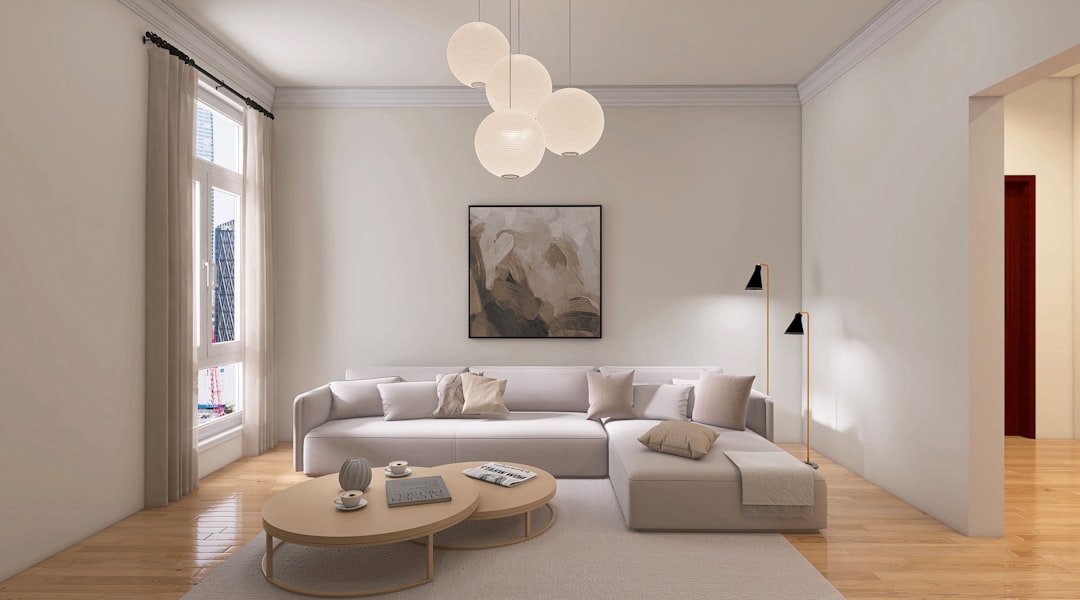
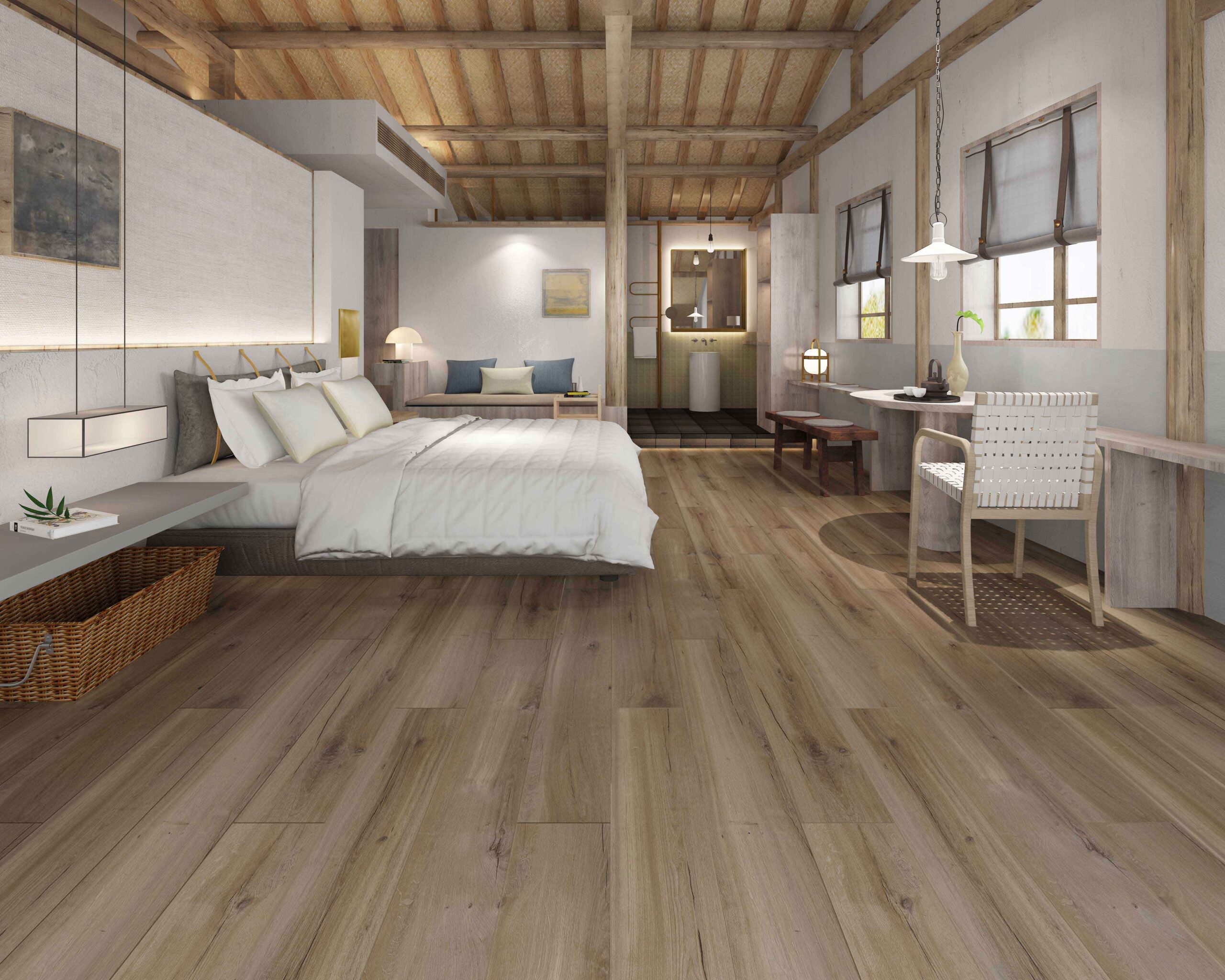
Open any Singapore interior designer’s moodboard and oak flooring is somewhere on it. Pale Scandi-style white oak under a linen sofa, warm honey-toned planks in a Japandi bedroom, smoked oak herringbone in a shophouse office — oak has become shorthand for calm, expensive-looking interiors across almost every current style.
The complication is that Singapore’s climate is genuinely hostile to solid oak, and the workable timber alternatives carry costs and maintenance limits worth understanding before you commit. This guide covers how solid and engineered oak are built, how each behaves in tropical humidity, the differences between white, red and European oak, and the vinyl route that captures the look without the risk.
Goodrich Global does not supply solid oak timber flooring. Our range covers oak-tone wood-look vinyl flooring that delivers the same pale-to-warm oak palette in waterproof, HDB-friendly plank and herringbone formats.
Why Oak Dominates the Moodboard
Oak earns its popularity on two properties: grain and tonal range. Its open, linear grain with occasional cathedral figuring reads as natural without being busy, which is why it photographs well and pairs with nearly any wall colour. And oak spans a wider tone range than most species — from near-white limed and Nordic finishes through natural blonde to caramel, smoked and almost-black fumed treatments — so the same species serves a Scandinavian flat and a dark, clubby office equally well.
That versatility means “oak” is often what clients actually mean when they say they want “wood flooring”. The real decision is not whether to have the oak look, but which construction can survive delivering it here.
Solid Oak vs Engineered Oak: How They Are Built
Solid oak is exactly that — a single piece of hardwood, typically 18 to 20 millimetres thick, machined with tongue and groove. Engineered oak bonds a real oak wear layer of 2 to 6 millimetres onto a plywood or multi-ply core, so the visible surface is genuine timber while the body is dimensionally stable cross-laminated construction.
Why solid oak struggles in Singapore
Wood moves with moisture, and solid oak moves the most. Singapore’s ambient relative humidity sits around 80 per cent, then air-conditioning drags indoor air far drier for hours at a time — a daily swing that cycles the timber through absorption and release. In solid boards this produces cupping (edges rising into a washboard profile), gapping between boards in heavily air-conditioned rooms, and in bad cases crowning or buckling. Even flawless installation cannot exempt a solid board from physics; it can only slow it down. This is why almost no reputable installer recommends solid oak for Singapore homes, and why HDB and most condo managements effectively rule it out with their renovation constraints anyway.
Engineered Oak: The Realities
Engineered oak solves most of the movement problem — the cross-ply core restrains the wear layer — and it is the legitimate way to own real oak in Singapore. But three realities should shape the buying decision.
First, the wear layer determines lifespan. A 2-millimetre veneer cannot be meaningfully sanded; a 4 to 6-millimetre layer allows one or two refinishes over the floor’s life. Second, refinishing in Singapore is disruptive and not cheap, so most engineered floors are in practice replaced rather than restored. Third, cost: quality engineered oak typically lands between S$90 and S$180 per square metre supplied and installed, with premium European brands and herringbone formats pushing higher. It also remains real wood — scratches from grit and chair legs, stains from standing water, and fading in strong direct sun all still apply. Our engineered wood flooring guide for Singapore covers the construction grades and buying checklist in full detail.
White Oak, Red Oak and European Oak
Species and origin matter less than marketing suggests, but the differences are real.
| Type | Tone and grain | Notes for Singapore buyers |
|---|---|---|
| American white oak | Cool beige-brown, straight grain | The default for pale Scandi looks; takes lime and natural finishes well |
| American red oak | Pinkish undertone, coarser grain | Cheaper; the pink cast fights grey and cool palettes |
| European oak | Warm golden brown, wavier grain with more character | Premium pricing; suits rustic, brushed and smoked finishes |
If the moodboard shows pale, grey-washed or Nordic floors, specify white or European oak and avoid red oak, whose warmth resurfaces under most light stains. Grading matters as much as species: prime or select grades give clean, knot-free boards for minimalist schemes, while rustic grades carry knots, mineral streaks and colour variation that suit character-led interiors — and usually cost less for the same construction.
Finish choices: lacquer versus oil
Engineered oak arrives either lacquered or oiled, and the choice changes the ownership experience. Lacquered boards seal the surface and only need routine cleaning, but a deep scratch shows white and cannot be spot-repaired. Oiled boards feel more natural and can be locally re-oiled where worn, but they demand periodic maintenance oiling — a discipline many Singapore households quietly abandon after the first year.
The Practical Route: Oak-Look Luxury Vinyl
For most Singapore homes — and virtually all BTO and HDB projects — the pragmatic way to the oak aesthetic is oak-look luxury vinyl. Current generations are difficult to distinguish from timber at eye level: registered embossing aligns the surface texture with the printed grain, so your foot feels the plank where the eye sees it, and matt low-gloss finishes have retired the plasticky sheen of older products.
The functional case is stronger still. Vinyl is fully waterproof, so kitchens, entryways and the splash zone outside a bathroom stop being anxieties. It is unaffected by humidity swings and air-conditioning cycling, installs over existing tiles without hacking, and comes in the same plank and herringbone formats as the timber it references — pale white-oak tones through warm honey to smoked. Typical supplied-and-installed pricing of S$40 to S$90 per square metre undercuts engineered oak by half or more, and with acoustic-backed options available, upper-floor condo units can meet inter-floor noise expectations without a separate underlay decision. Maintenance amounts to sweeping and damp mopping — no oiling calendar, no refinishing fund. Our wood-look vinyl flooring guide explains how to judge realism, and if you are still weighing timber against resilient options overall, the wood flooring Singapore guide maps the whole field.
Final Thoughts
Oak flooring is worth wanting — the grain and tonal range genuinely elevate a space. In Singapore the honest hierarchy is: solid oak is a maintenance liability, engineered oak is the real-timber option for those who accept the cost and care it demands, and oak-look luxury vinyl is the format that delivers the moodboard for the way this climate and these homes actually work.
Book an appointment at our showroom to compare oak-tone vinyl planks and herringbone formats side by side under real lighting.