Industry Insights
Rethinking Growth: A Guide to Smarter Material Selection
Growth in the built environment is no longer measured by how much we build. Increasingly, it is measured by how well our spaces perform over time — and that begins with how we choose our materials. Drawing on Goodrich Global’s “Rethinking Growth” session at CONNECT-X 2026, here are five considerations that separate a material that simply looks right from one that keeps delivering value long after opening day.
Rethinking Growth: Building Better, Not Simply More
At CONNECT-X 2026 — an executive built-environment forum in Singapore that gathered leaders across development, architecture, design, technology and sustainability — a single question framed much of the day: how do we build better, work smarter and create more value with less?
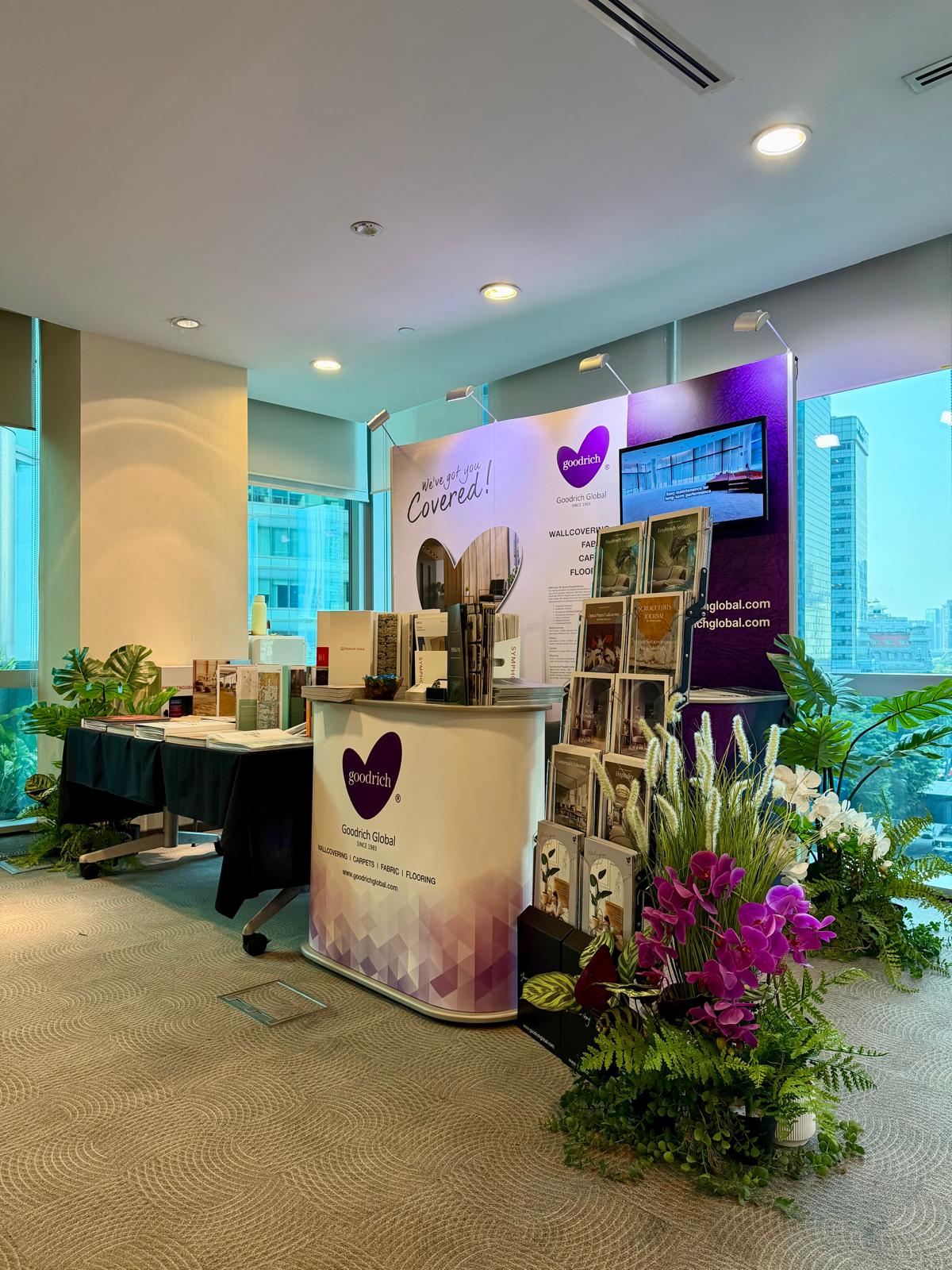
Representing Goodrich Global, Jean Leong, Regional Head of Marketing, Branding & Communications, brought the perspective of interior finishes and surface solutions into that wider conversation. The message was straightforward: growth today is not about building more, but about building better — creating spaces that are more sustainable, more adaptable, better performing and able to deliver greater value throughout their lifecycle.
From wallcoverings and flooring to carpets, fabric, leather, acoustic solutions and digitally printed surfaces, the materials we specify do far more than complete the look of an interior. They influence maintenance, comfort, wellbeing, user experience and long-term performance. Below are the five material selection considerations at the heart of that thinking.
1. Think Lifecycle, Not Just Upfront Cost
A material may look perfect when a project first opens. The more useful question is what happens five or ten years later.
Consider a hospitality corridor. Every day, its flooring and wall finishes have to withstand luggage, housekeeping trolleys, constant foot traffic and frequent cleaning. The question therefore should not simply be, “What does this material cost today?” but “How will this material perform over the next ten years?”
Durability, maintenance, appearance retention and performance requirements all contribute to the true value of a space. Smart material selection looks beyond the opening-day impression to the whole lifecycle behind it.
2. Choose the Right Material for the Right Application
Different spaces have different jobs to do, and they should not always be answered with the same material.
Within the same hotel, two very different carpet constructions may be specified for good reason. A ballroom, where design impact and creative freedom matter most, might call for a hand-tufted broadloom carpet. The adjoining circulation routes, which must withstand concentrated footfall and constant event traffic, may be better served by a hard-wearing Axminster construction.
One project. Two different requirements. Two different material decisions. The lesson is not about which material is “best” everywhere — it is about which material is right for its particular application.
3. Make Sustainability Perform
Sustainability is now part of every project conversation. But for architects, interior designers and specifiers, it cannot be considered in isolation.
The most credible sustainable choice is one that also delivers on aesthetics, durability, indoor wellbeing and commercial reality. A responsibly produced material that wears out quickly, underperforms or has to be replaced early rarely serves the planet — or the project budget — well. As the forum’s sustainability discussions underscored, the cost of a decision is always paid; the real questions are by whom, and when. Sustainability that performs is sustainability that lasts.
4. Let Technology Serve the Material
Innovation in interior surfaces is increasingly embedded in the material itself — through digital printing, acoustic engineering, advanced fibre technologies, performance finishes and manufacturing advances.
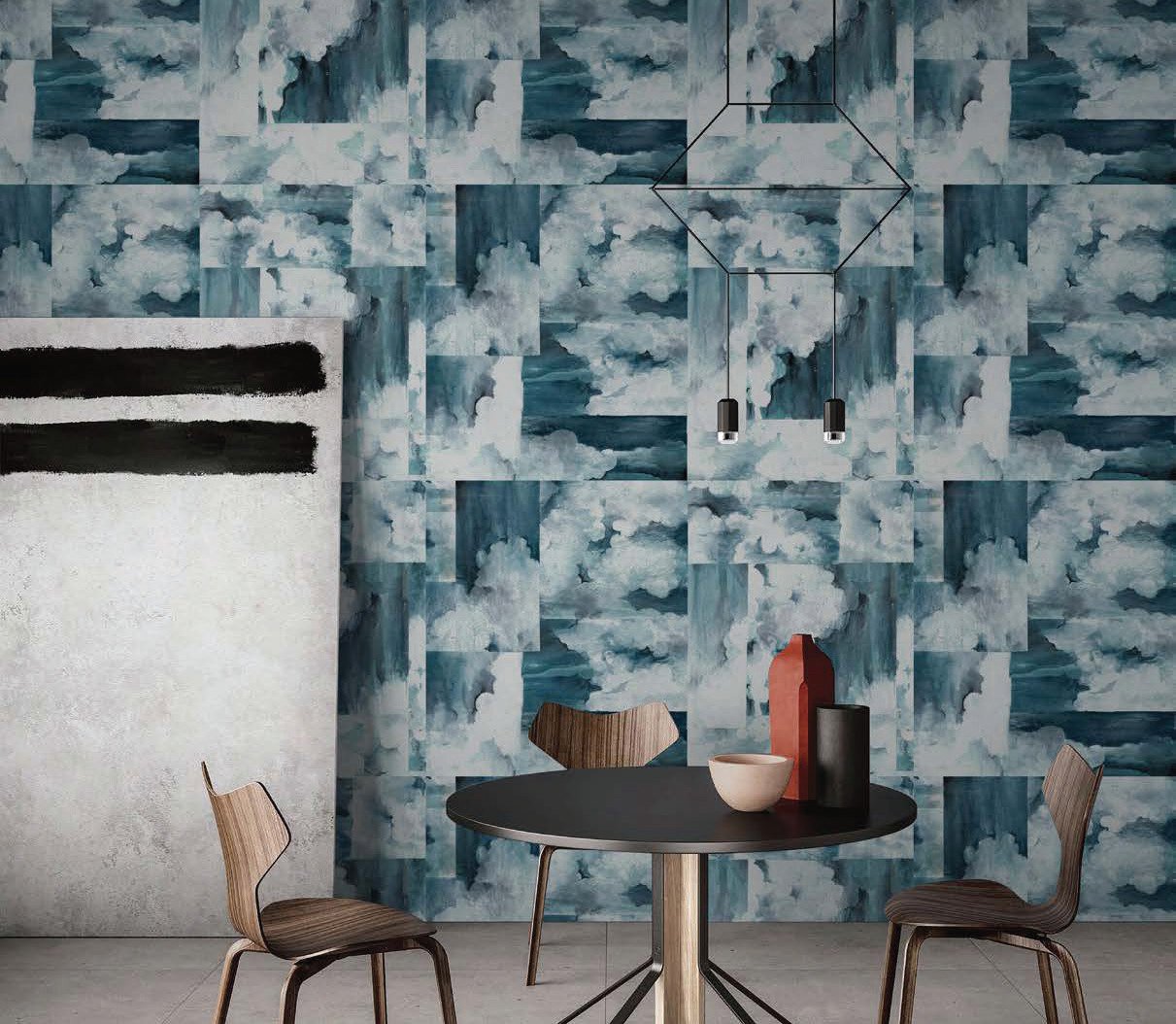
The point CONNECT-X kept returning to is that technology works best when it answers a real problem rather than being adopted for its own sake. The sequence matters: start with the problem, improve the process, then decide on the technology. Applied to materials, that means digitally printed wallcoverings that solve for bespoke scale and storytelling, or acoustic solutions that manage reverberation while becoming part of the design language — innovation in service of the space, not a feature list.
5. Think in Integrated Surfaces, Not Isolated Products
A building or interior project looks different to every member of the project team. The architect considers wider building objectives; the interior designer focuses on experience and expression; the specifier weighs suitability, performance and compliance; the owner or operator looks at durability, maintenance and long-term value.
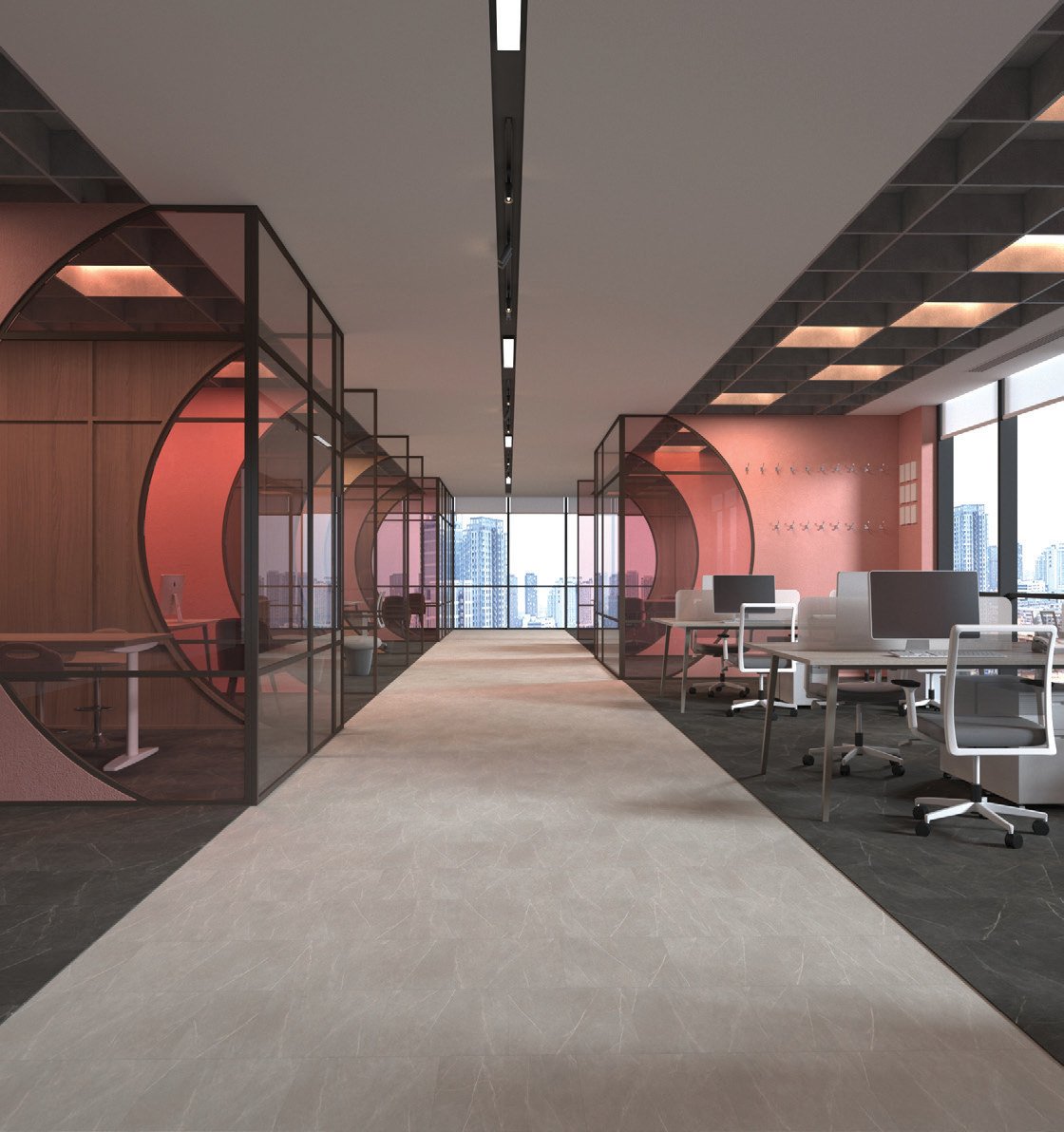
Yet the person using the space does not experience those decisions separately. They experience one environment. This is why Goodrich Global advocates an integrated approach — bringing wallcoverings, carpets, flooring, fabrics, leather, acoustic solutions and digital surfaces together around the needs of the space and the people who use it, rather than treating them as isolated product categories.
One Conversation, Many Perspectives
CONNECT-X 2026 brought together developers, architects, designers, technologists and sustainability specialists to examine how sustainability, technology and business transformation are reshaping the built environment. Goodrich Global’s contribution was to ground those big themes in a practical truth about materials.
Better growth starts with better decisions. For everyone who shapes a space, that means thinking carefully not only about what a material looks like, but where it is used, how it will perform, how it will be maintained and what value it will keep delivering over time. Every material decision, in the end, is more than a design decision — it is a business decision.