Industry Insights
Southeast Asia Construction Outlook 2027: Market by Market
Southeast Asia will enter 2027 with steady headline growth. The Asian Development Bank (ADB) forecasts regional GDP growth of around 4.7 percent in 2026 and 4.8 percent in 2027. That near-flat figure hides six very different construction markets. Each is driven by its own mix of public spending, industrial investment, housing, tourism and digital infrastructure, and each carries its own approval, payment and supply risks.
For developers, architects, interior designers and suppliers planning next year’s pipeline, national averages are not much use. This outlook looks at where the work is likely to come from in each market and what it means for interior fit-out.
The short version: Vietnam offers the broadest mix of demand, Indonesia the greatest scale, Malaysia and Thailand concentrated opportunities in data centres and manufacturing, and Singapore high-value, technically demanding public and institutional work. The Philippines enters 2027 from a weaker base after a sharp fall in public construction. Across the region, energy costs, supply security and early specification will separate profitable projects from difficult ones.
Singapore: High Value, High Standards
The Building and Construction Authority (BCA) projects total construction demand of S$47 billion to S$53 billion in 2026, with output rising to between S$43 billion and S$46 billion. Public-sector institutional and civil engineering work makes up a large share, and BCA expects demand to average S$39 billion to S$46 billion a year from 2027 to 2030. Changi Airport Terminal 5, public housing, healthcare and education projects will sustain demand for specialist building systems and interiors.
For interiors, Singapore means compliance: Green Mark, fire codes, documented product performance and whole-life thinking. Our Singapore construction outlook and healthcare construction boom guide cover the local pipeline in more depth.
Malaysia: Data Centres and Manufacturing
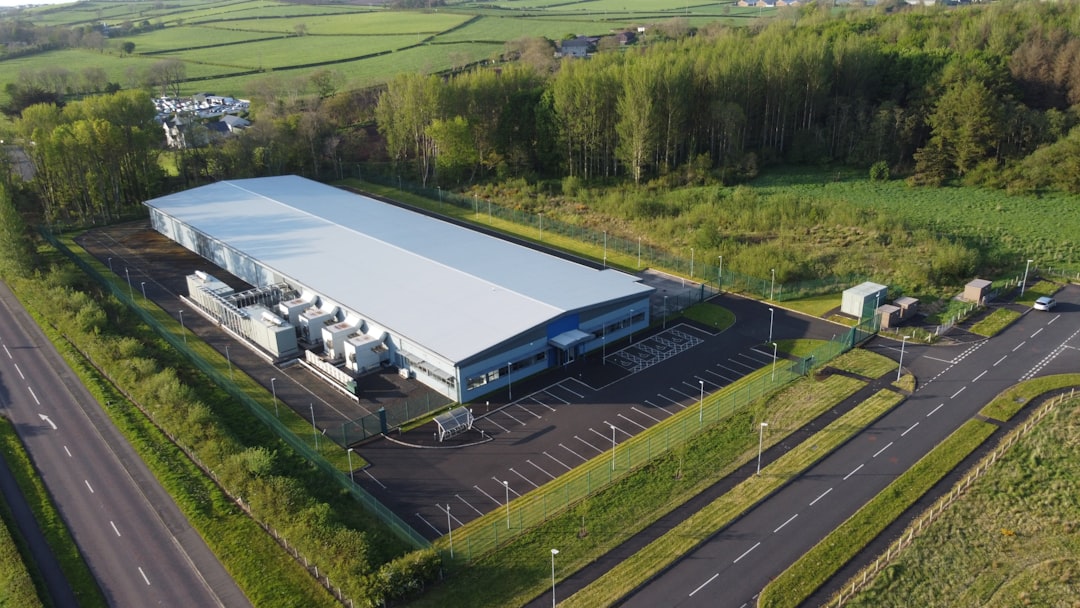
Malaysia approved RM218.5 billion in investments in the first half of 2026, up 11.7 percent year on year. Data centre and cloud projects made up about RM95.8 billion of that, and manufacturing also attracted strong commitments. New facilities and expansions of existing plants received similar levels of investment, pointing to demand for both greenfield builds and upgrades of operating sites. Selangor and Johor account for close to half of the country’s construction work done.
The key constraint is utilities. Power and water availability now shape which data centre projects are approved, as we explain in our guide to the Johor and Thailand data centre boom.
Vietnam: The Broadest Opportunity
Vietnam combines growth, breadth and timing. ADB forecasts GDP growth of around 7 percent in 2027, and realised investment rose about 13 percent year on year in the first half of 2026, with manufacturing and processing dominating foreign investment. Demand comes from three directions at once:
- Transport and public works: airports, expressways, metro lines and urban water systems.
- Industrial and digital capacity: electronics, semiconductor supply chains, logistics and data centres.
- Deadline-driven delivery: Phu Quoc is preparing to host APEC 2027, with a programme of transport, water, hotel and event facilities on a fixed timetable.
For interiors, Phu Quoc’s hospitality and event work is the clearest near-term opportunity, alongside offices and staff facilities in new industrial parks. Our guide to hotel and hospitality flooring trends in Southeast Asia covers specification for the region’s resort markets.
Indonesia: Scale, With Complexity
Indonesia recorded more than Rp1,000 trillion in realised investment in the first half of 2026, up around 7 percent year on year. Downstream mineral processing and industrial estates drive demand, not only for plants but for the power, water, ports, warehouses and housing around them. Greater Jakarta is also one of the region’s fastest-growing data centre markets.
Indonesia rewards patience. Provincial approvals, local content requirements, currency movements and inter-island logistics vary widely. Our article on interior opportunities in Indonesia and Nusantara looks at how suppliers can navigate them.
Thailand: Investment Strong, Construction Uneven
Thailand’s Board of Investment received THB 1.47 trillion of investment applications in the first half of 2026, led by the digital sector and followed by electronics. Physical construction has been slower: sector growth slowed sharply between the first and second quarters, and public construction contracted. A national review of data centre criteria, launched in September 2026, adds uncertainty to part of the pipeline. Industrial projects in Rayong and Chonburi, tourism and targeted transport investment remain the main sources of work.
The Philippines: Waiting for Public Works to Recover
The Philippines has had a difficult 2026. Construction contracted by 14.8 percent year on year in the second quarter, after a 4.3 percent fall in the first, as government construction dropped sharply following a flood-control spending scandal. The proposed 2027 budget raises transport funding significantly. How quickly procurement resumes will decide whether 2027 becomes a recovery year.
Four Forces Shaping 2027 Across the Region
1. Energy and commodity costs
Conflict in the Middle East raised energy, freight and commodity costs across Asia in 2026, and ADB has raised its regional inflation forecasts. Fixed-price contracts can push these increases onto contractors and suppliers unless they include price adjustment or substitution clauses. Our guide to managing rising costs in interior fit-out covers practical protections.
2. Power and water
The International Energy Agency expects Southeast Asia’s electricity demand to grow around 4 percent a year to 2035, with data centres a fast-growing share. Grid capacity and water availability increasingly decide where and when large projects proceed.
3. Trade and supply chains
Tariffs and export controls are shifting manufacturing across Asia. Vietnam, Malaysia, Thailand and Indonesia may gain new facilities, but electronics projects in particular remain exposed to equipment controls and imported components.
4. Early specification
Suppliers who enter a project late often end up competing on price alone. Engaging at design stage, with samples, test reports, environmental data and mock-ups, is how technical quality gets specified rather than value-engineered out. Our tender and BOQ specification guide explains how.
What It Means for Interior Fit-Out
| Market | Strongest interior opportunities in 2027 |
|---|---|
| Singapore | Healthcare, education, airport, public housing, office upgrades |
| Malaysia | Data centre support spaces, industrial offices, Klang Valley commercial |
| Vietnam | Phu Quoc hospitality and events, industrial park facilities |
| Indonesia | Industrial estate housing and offices, Jakarta commercial and data centres |
| Thailand | Industrial facilities, tourism and hospitality refurbishment |
| Philippines | Selective private commercial work pending public recovery |
Across all six markets, clients are asking for the same things: durable materials that reduce replacement, documented sustainability credentials, and suppliers who can support specification in one country and delivery in another. Our guide to procurement across Southeast Asian corridors looks at how to structure regional supply.
Final Thoughts
The 2027 outlook calls for disciplined project selection rather than chasing every announcement. Funding, utility capacity, procurement stage and payment terms matter more than headline investment numbers. Market strategies also need to work at corridor level: Greater Jakarta is not Batam, and Johor is not Penang. For the interiors sector, the winners will be teams that engage early, document performance and deliver consistently across borders.
Goodrich Global supports projects across Singapore, Malaysia, Indonesia, Thailand and wider Asia. Book an appointment to discuss specification for your next regional project.
Frequently Asked Questions
Which Southeast Asian country has the strongest construction outlook for 2027?
Vietnam offers the broadest opportunity, with strong GDP growth forecasts and simultaneous demand from transport, manufacturing, data centres and Phu Quoc’s APEC 2027 programme. Indonesia offers the greatest scale, while Singapore offers high-value, technically demanding public and institutional work.
What is Singapore’s construction demand forecast?
BCA projects total construction demand of S$47 billion to S$53 billion in 2026, similar to 2025, with output of S$43 billion to S$46 billion. From 2027 to 2030, demand is expected to average S$39 billion to S$46 billion a year, supported by Changi Terminal 5, housing, healthcare and education projects.
What are the main risks to Southeast Asian construction in 2027?
The main risks are energy and commodity price rises, grid and water constraints for large projects, trade restrictions affecting manufacturing investment, higher borrowing costs and currency movements. Fixed-price contracts without price adjustment clauses leave contractors and suppliers most exposed.
How are data centres affecting construction in Southeast Asia?
Data centres are a major source of private construction demand in Malaysia, Thailand and Indonesia, driving work in power, cooling, civil works and fit-out. Governments are now screening projects more closely on power, water, sustainability and local economic contribution.