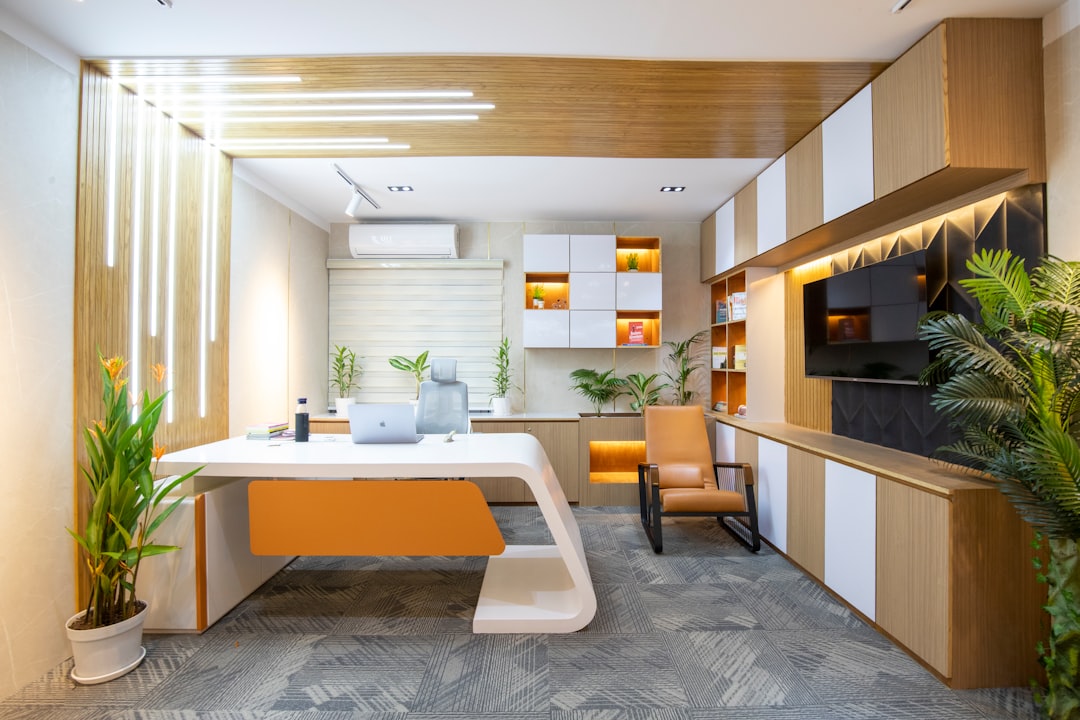
Commercial Interiors
Acoustic Meeting Room Design in Singapore: A Material Guide
A meeting room is where a workplace does its most important talking, yet it is often the space where acoustics are treated as an afterthought. Good acoustic meeting room design is what separates a room people can actually concentrate in from one where every call echoes and confidential conversations carry into the corridor. The fix is rarely a single product — it is a coordinated set of finishes working together to manage sound.
This guide walks through the materials that transform a meeting room: how each one tackles a different part of the noise problem, and how they combine to create a calmer, more productive space.
Why Meeting Rooms Are an Acoustic Challenge
The typical meeting room is a small, enclosed box of hard surfaces — glass partitions, plasterboard, a solid table and a hard floor. Those surfaces reflect sound rather than absorb it, so voices bounce around and build up. The result is reverberation that makes speech harder to follow, video calls tiring, and the room feel louder than its size suggests.
There are two distinct problems to solve. The first is reverberation inside the room, which degrades speech clarity for the people in it. The second is sound transfer out of the room, which undermines privacy and disturbs the workspace beyond. A complete acoustic specification addresses both, layering treatments across walls, ceiling, floor and glazing.

Acoustic Wall and Ceiling Panels
Wall and ceiling panels are the workhorses of meeting-room acoustics. By introducing absorptive surface area where there was only hard reflection, they soak up sound energy and cut reverberation, so speech stays clear and the room feels noticeably calmer. Ceiling treatment is particularly effective because the ceiling is usually the largest uninterrupted hard surface in the room.
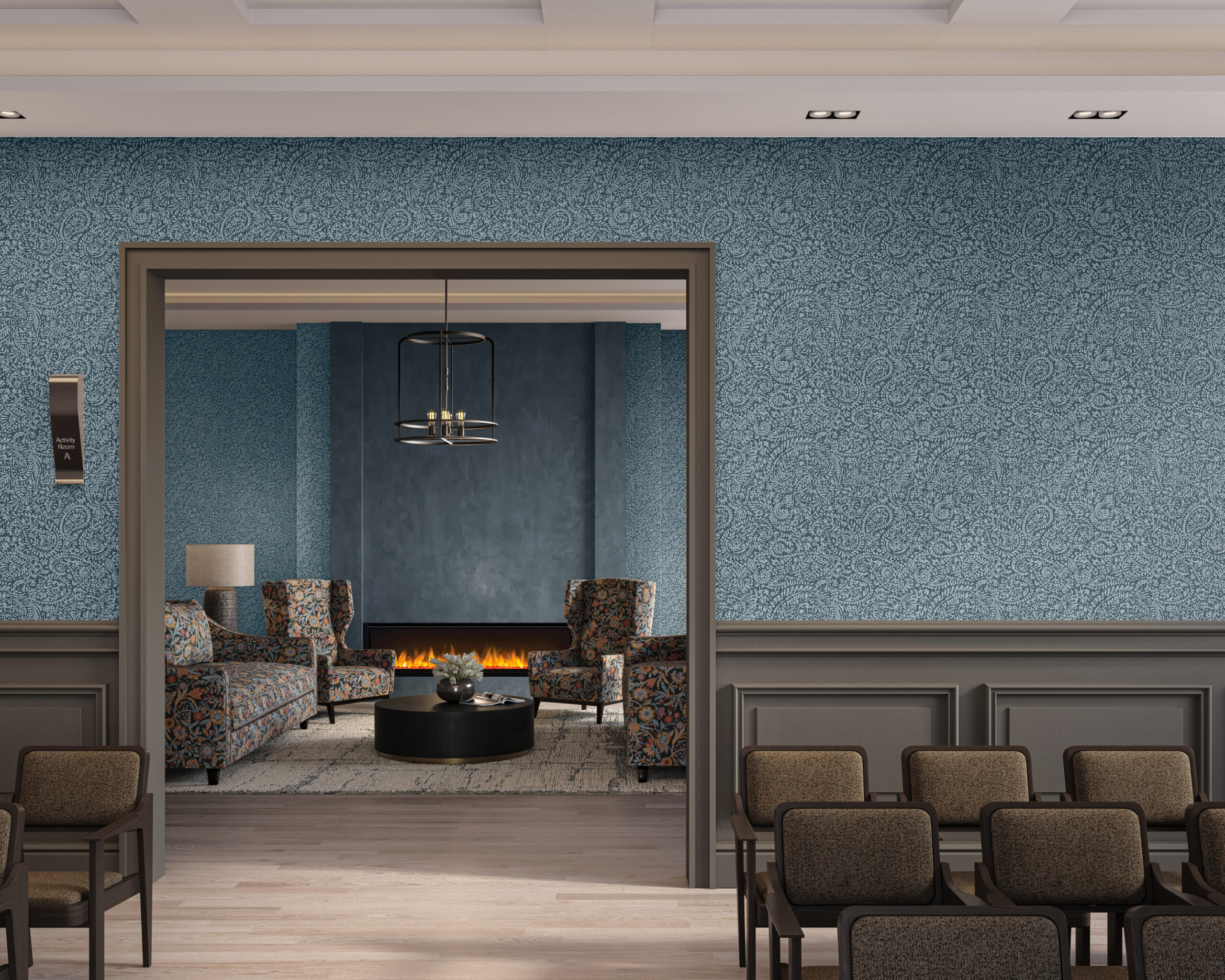
Acoustic wallcoverings and panels also carry the design. Modern acoustic finishes come in textures and colours that double as a feature wall, so the room gains both performance and character from one specification rather than bolting on utilitarian foam.
Carpet: Softening Sound Underfoot
The floor is a major reflective surface, and a hard floor in a meeting room adds measurably to the noise. Carpet and carpet tile absorb sound within the room and dampen the impact noise of chairs and footsteps, both of which improve the experience for everyone at the table. Carpet tile is the practical choice for workplaces, combining the acoustic benefit with the ability to replace individual tiles over time.
Glass Film, Upholstery and Finishes
Two more layers complete the room. Glass partitions give a meeting room daylight and openness, but bare glass offers no privacy and reflects sound. Applied glass film restores visual privacy without blocking natural light — a simple intervention that makes the room usable for sensitive conversations while keeping it bright.
Soft finishes do the rest. Upholstered seating adds absorptive surface exactly where people sit, while textured wallpapers and warm material finishes take the edge off a clinical space and make it somewhere people actually want to meet. Specified together, these finishes turn a hard, echoey box into a room that supports clear communication and focused collaboration. The same layered approach applies across the wider workplace — our guide to acoustic solutions for shared spaces shows how the principles scale beyond a single room.
Designing for the Hybrid-Work Meeting Room
The way meeting rooms are used has changed, and acoustics have to keep up. Most meetings now mix people in the room with colleagues dialling in, which raises the acoustic bar considerably. Microphones pick up every reflection and stray noise, so a room that sounds merely tolerable to those present can be exhausting for remote participants on the call.
Reverberation is the main culprit. A hard, reflective room makes voices arrive at the microphone smeared and indistinct, and adds a hollow quality that fatigues listeners over a long call. Bringing reverberation down with absorptive walls, ceilings and flooring directly improves how the room sounds to people who are not even in it — clearer audio, less listener fatigue, and meetings that run more smoothly. In a hybrid workplace, acoustic treatment is no longer a comfort upgrade; it is core to whether the room works for the meetings actually held in it.
Common Acoustic Mistakes to Avoid
A few recurring errors undermine otherwise good rooms. The most common is treating only one surface — adding wall panels but leaving a hard floor and bare ceiling still reflecting sound. Another is prioritising appearance over coverage, specifying too little absorptive area to make a real difference. A third is ignoring sound transfer out of the room, so confidential discussions carry into the open office despite a comfortable interior. Addressing walls, ceiling, floor and glazing together, with enough absorptive area to matter, is what avoids each of these.
A Meeting Room Acoustic Checklist
When specifying a meeting room, work through the surfaces methodically:
- Ceiling: acoustic panels on the largest reflective plane for the biggest single gain.
- Walls: acoustic wallcovering or panels, doubling as the feature finish.
- Floor: carpet or carpet tile to absorb sound and impact noise.
- Glazing: glass film for privacy without losing daylight.
- Furniture: upholstered seating to add absorption at the table.
Final Thoughts
Acoustic meeting room design is a layering exercise, not a single purchase. Combine absorptive walls and ceilings, soft flooring, privacy film and upholstered finishes, and a noisy, echoey room becomes a calm, productive space — one where meetings are easier to run and easier to hear.