Wallpaper & Wallcovering
White Wallpaper: Clean and Bright Designs for Every Room
Why White Wallpaper Remains a Design Staple
White wallpaper offers far more than a blank canvas. It brings depth, texture, and visual interest to walls in ways that plain white paint simply cannot achieve. For Singapore homeowners working with compact HDB flats or BTO units, white wallpaper creates an immediate sense of openness and light.
Unlike a flat coat of emulsion, white wallpaper can incorporate subtle patterns, embossed textures, and tonal variations that give walls a refined, layered appearance. The result is a space that feels considered and complete rather than unfinished.
White also serves as the most versatile backdrop in interior design. It pairs effortlessly with bold furniture, colourful artwork, and statement lighting without competing for attention. This makes it particularly useful in open-plan living and dining areas common in Singapore condominiums.
Types of White Wallpaper and Their Effects
Not all white wallpapers are created equal. The finish, pattern, and material all influence how the wallpaper reads in a room. Understanding these differences helps you choose the right option for your space.
Textured White Wallpaper
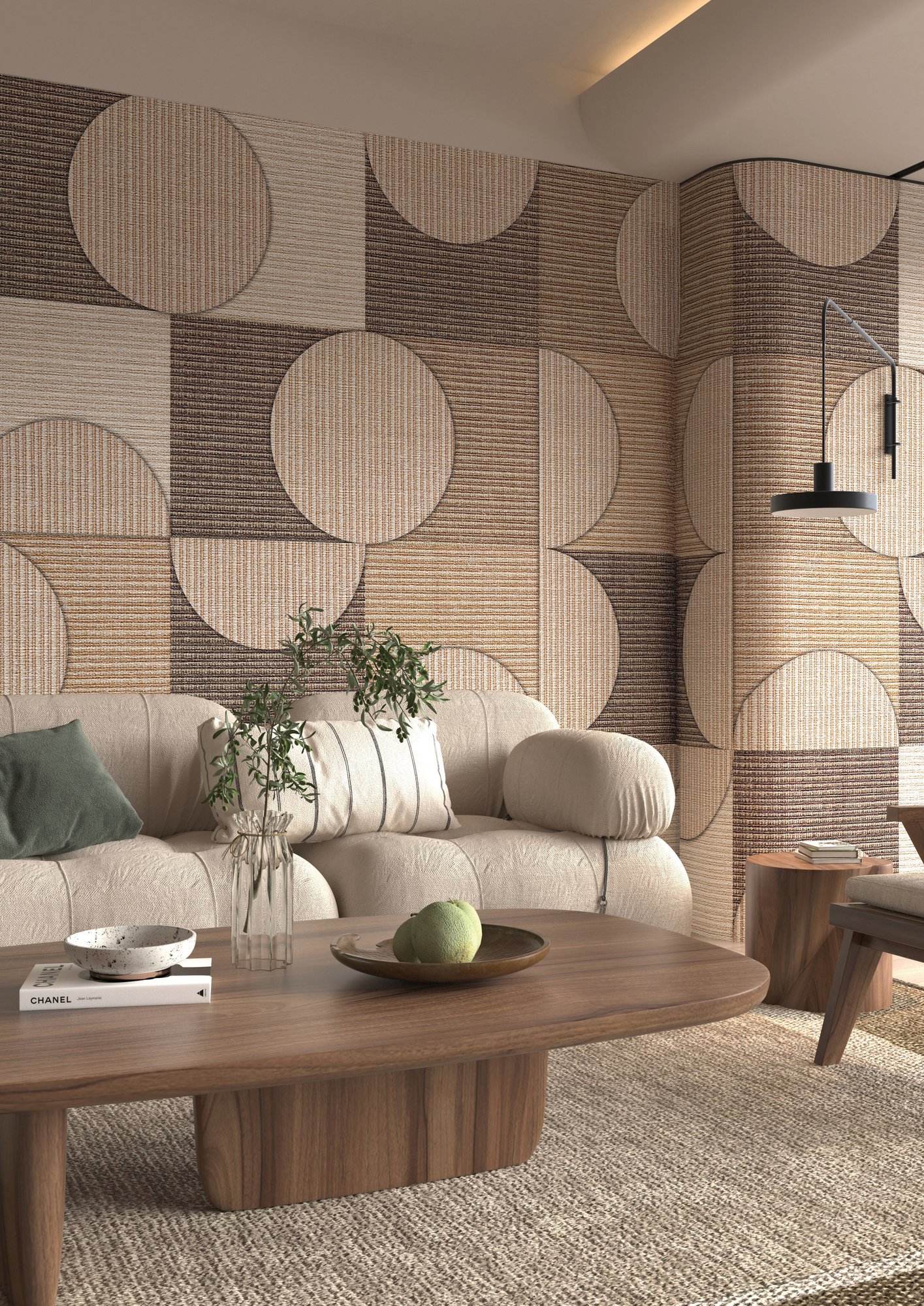
Textured white wallpapers use raised surfaces to create visual depth. Linen-effect, grasscloth-look, and stucco textures add warmth and tactile interest without introducing colour. These work particularly well in living rooms and master bedrooms where you want understated sophistication.
Patterned White Wallpaper
White-on-white patterns use tonal contrast to create subtle motifs. Damask, geometric, and floral patterns in matte and gloss finishes catch light differently throughout the day, giving walls a dynamic quality. This approach suits formal dining areas and feature walls.
Off-White and Warm White Variations
Pure white can feel clinical under certain lighting conditions. Off-white, ivory, and cream wallpapers offer the same brightness with a warmer undertone. In north-facing rooms with limited natural light, these warmer tones prevent the space from feeling cold.
| White Wallpaper Type | Best For | Effect |
|---|---|---|
| Pure white textured | Modern minimalist interiors | Clean, crisp, spacious |
| White-on-white pattern | Feature walls, formal rooms | Subtle elegance |
| Off-white / ivory | Bedrooms, north-facing rooms | Warm, inviting |
| White with metallic accent | Dining rooms, entryways | Glamorous, reflective |
Room-by-Room Guide to Using White Wallpaper
Living Room
In open-concept HDB and condo living rooms, white wallpaper on all walls creates a cohesive, airy feel. Choose a subtle texture to prevent the space from looking flat. Pair with timber flooring and natural fabric furnishings for a Scandinavian-inspired look that suits Singapore’s preference for clean-lined interiors.
Bedroom
White wallpaper behind the headboard creates a calming focal point. Embossed or quilted patterns add a sense of luxury without overwhelming a restful space. For HDB master bedrooms, which tend to be compact, white wallpaper makes the room feel larger than it is.
Kitchen and Dining
Select vinyl-based white wallpapers for kitchens, as they resist moisture and are easy to wipe clean. In dining areas, a white damask or botanical pattern sets a refined tone for entertaining. Browse the full wallpaper collection to see moisture-resistant options suitable for these spaces.
Children’s Rooms
White wallpaper provides a neutral base that grows with your child. Rather than committing to a themed wallpaper that may need replacing in a few years, white walls allow you to update the room’s personality through bedding, artwork, and accessories.
Pairing White Wallpaper with Other Design Elements
White wallpaper gains its character from what surrounds it. The furniture, flooring, and soft furnishings you choose will determine whether the final look is warm, cool, modern, or traditional.
For a contemporary aesthetic, pair white textured wallpaper with concrete-effect flooring, black metal accents, and linen curtains. This combination works well in newer condominiums with high ceilings and large windows.
For a warmer, more traditional feel, combine off-white wallpaper with timber furniture, woven rugs, and rich drapery fabrics in earthy tones. This approach suits landed properties and larger HDB executive flats.
Consider these pairing principles:
- Use contrasting textures to prevent an all-white scheme from feeling monotonous
- Introduce warmth through natural materials like wood, rattan, and linen
- Add depth with layered lighting, including wall sconces that highlight wallpaper texture
- Ground the scheme with darker flooring or a statement rug
Practical Considerations for Singapore Homes
Singapore’s tropical climate presents specific considerations when choosing white wallpaper. High humidity can affect certain wallpaper types, so material selection matters.
Vinyl wallpapers perform best in humid conditions. They resist moisture absorption, are less prone to peeling, and can be wiped clean when needed. Non-woven wallpapers also handle humidity well and are easier to install and remove than traditional paper-backed options.
White wallpaper does show marks more readily than darker colours. In high-traffic areas such as hallways and children’s rooms, choose washable or scrubbable finishes. Many modern wallpapers carry durability ratings that indicate their suitability for different areas of the home.
For residential wallcoverings designed to withstand Singapore conditions, look for products specifically rated for tropical environments. These undergo testing for humidity resistance, colorfastness, and washability.
Making White Wallpaper Work in Small Spaces
One of the greatest advantages of white wallpaper in Singapore is its ability to make compact spaces feel larger. In a typical 4-room BTO flat, strategic use of white wallpaper can transform the sense of space throughout the home.
Reflective or subtly metallic white wallpapers bounce light around a room, amplifying both natural and artificial light sources. In windowless bathrooms or narrow corridors, this effect is particularly valuable.
Vertical stripe patterns in white-on-white draw the eye upward, making standard 2.6-metre HDB ceilings feel taller. Horizontal patterns, conversely, can make a narrow room feel wider. Choose the pattern direction based on the proportions you want to adjust.
When using white wallpaper throughout multiple rooms, vary the texture or pattern from space to space. This creates subtle differentiation while maintaining a cohesive, flowing aesthetic across the home.
Installation and Maintenance Tips for White Wallpaper
White wallpaper demands careful installation to achieve a flawless result. Any imperfections in surface preparation, adhesive application, or seam alignment are more visible on a white surface than on patterned or darker wallpapers.
Prepare walls thoroughly before installation. Fill any cracks, holes, or imperfections and sand the surface smooth. Apply a suitable primer or wall liner to create a uniform base. On older HDB walls, where the surface may be uneven, a lining paper beneath the wallpaper provides a smoother foundation.
Use the adhesive type recommended by the wallpaper manufacturer. Excess adhesive that seeps through seams or onto the face of white wallpaper can leave visible marks. Work carefully and wipe any adhesive residue immediately with a clean, damp sponge.
For ongoing maintenance, dust white wallpaper monthly with a soft, dry cloth or a vacuum with a brush attachment set to low suction. Address marks and scuffs promptly using a slightly damp white cloth. For stubborn marks on vinyl wallpaper, a mild solution of warm water and gentle detergent can be effective. Always test cleaning methods in an inconspicuous area first.
Avoid placing furniture directly against white wallpaper where possible. Chair backs, cabinet edges, and bed headboards can transfer oils and create marks over time. Leave a small gap or use felt bumpers to protect the wallpaper surface.
Ready to explore white wallpaper options for your home? Request free samples from our Singapore showroom and see how different textures and tones look in your own lighting conditions.