Wallpaper & Wallcovering
Minimalist Wallpaper Ideas for Clean, Modern Spaces | Goodrich
Minimalist wallpaper design proves that less truly can be more when it comes to wall finishes. In Singapore’s compact residential spaces, where visual clutter quickly overwhelms, subtle wallpaper textures and restrained patterns add sophistication without competing with furniture and decor. The right minimalist wallpaper elevates a room’s atmosphere through quiet refinement rather than loud statement.
What Makes Wallpaper Minimalist?
Minimalist wallpaper is defined by restraint — in colour, pattern, and visual complexity. Rather than bold motifs or dramatic prints, minimalist wallpapers rely on texture, subtle tonal variation, and material quality to create their effect.
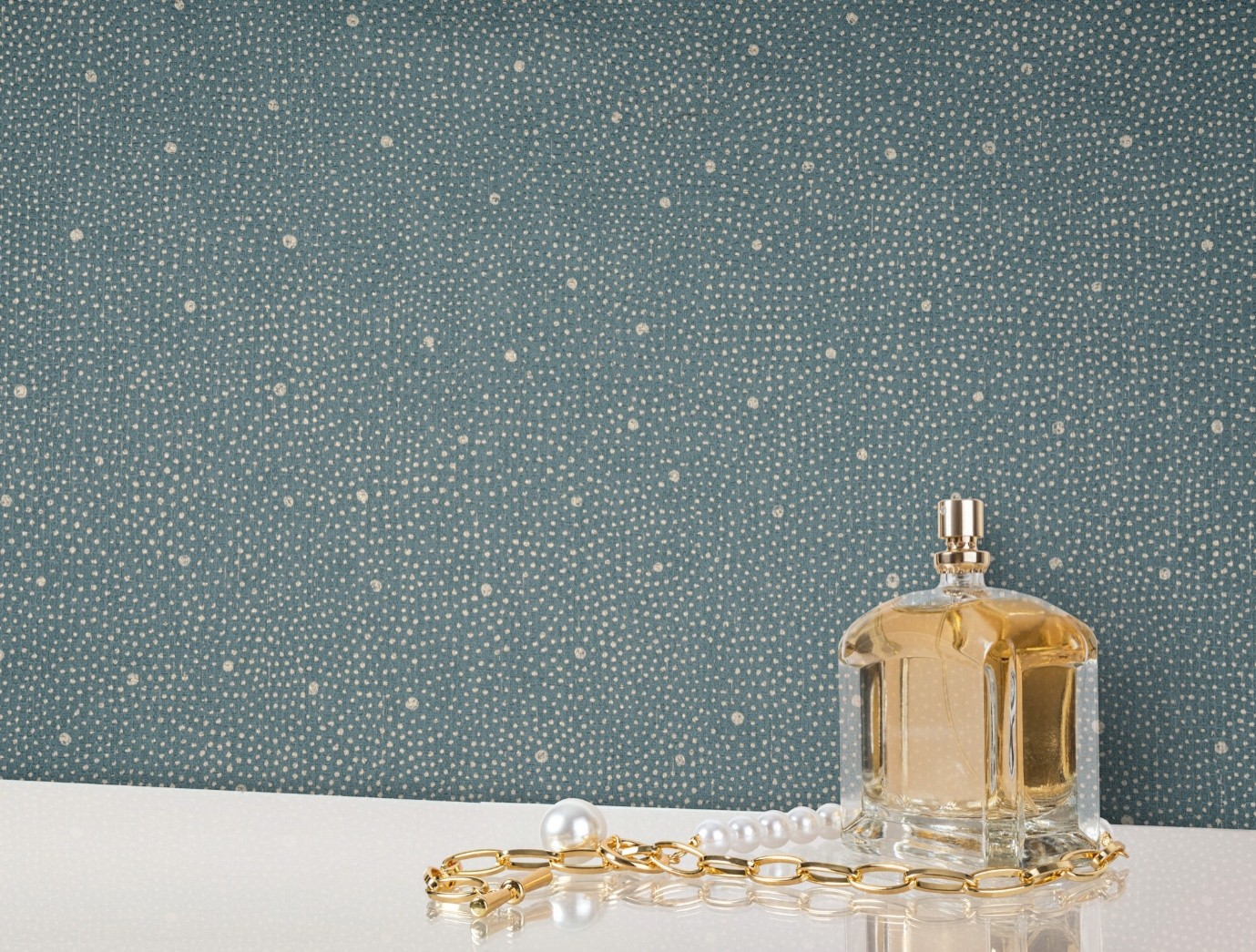
Common characteristics include monochromatic or tightly limited colour palettes (whites, greys, beiges, soft taupes), tone-on-tone patterns that are visible only at close range, natural material textures such as linen, grasscloth, and raw silk effects, and clean geometric patterns in muted tones. The result is a wall surface that feels considered and refined without demanding attention.
This approach aligns naturally with the interior design styles most popular in Singapore today — Scandinavian, Japandi, modern contemporary, and new minimalism. These styles share an emphasis on clean lines, natural materials, and calm, uncluttered spaces.
Textured Minimalist Wallpapers
Texture is the defining element of most minimalist wallpapers. When colour and pattern are deliberately pared back, surface texture becomes the primary source of visual interest.
Linen and Fabric Effects
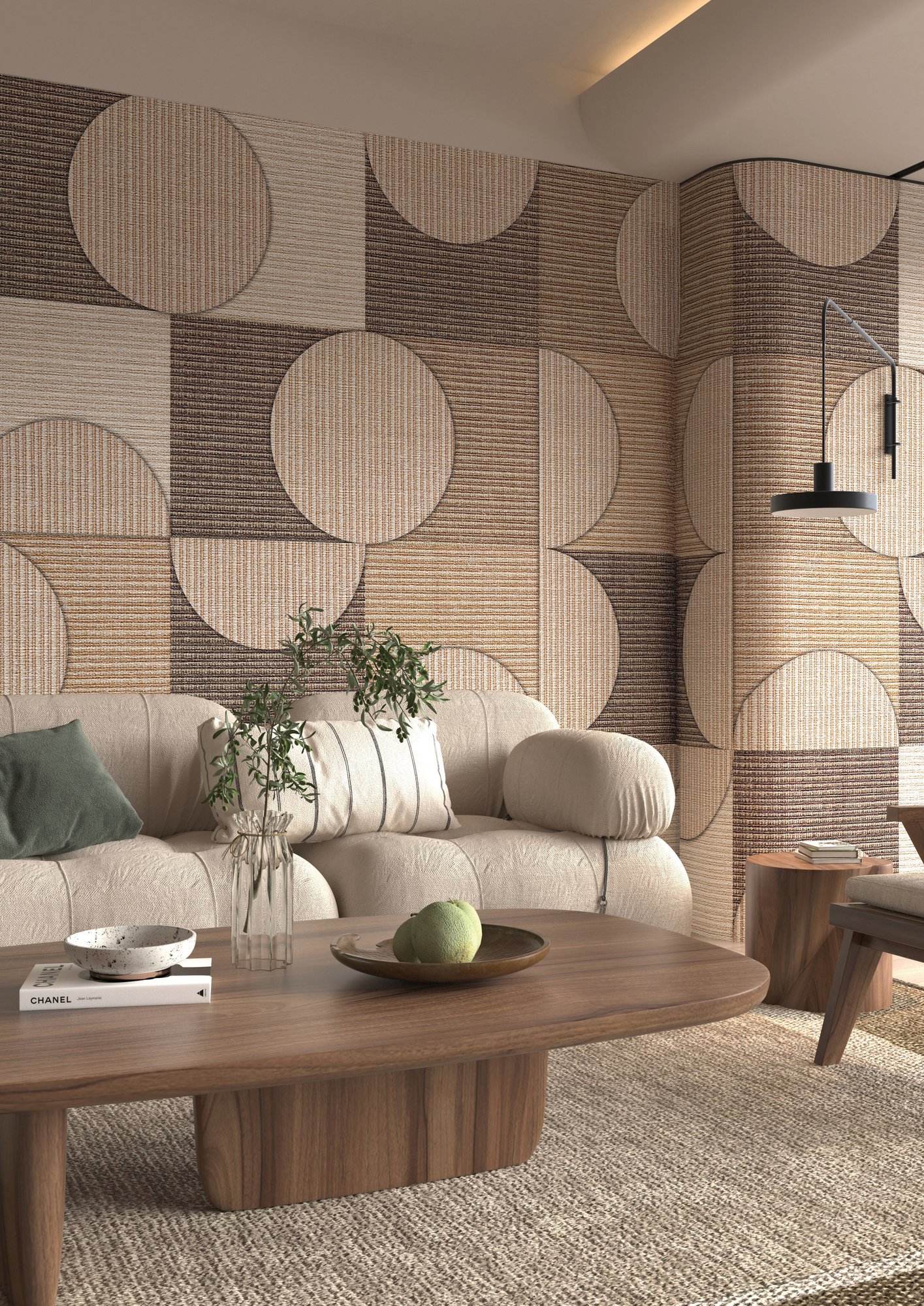
Wallpapers that replicate the weave and grain of natural linen, cotton, or raw silk add warmth and tactile quality to walls. These textures are subtle enough for full-room application, creating a cohesive, enveloping atmosphere. They photograph beautifully in neutral tones and complement both light timber and dark wood furniture.
Grasscloth Effects
Grasscloth-effect wallpaper brings organic texture with visible fibre direction and natural colour variation. While genuine grasscloth is made from real plant fibres, many modern alternatives use printed or embossed vinyl and non-woven substrates that capture the look with improved consistency and durability — an important consideration in Singapore’s humid climate.
Concrete and Plaster Effects
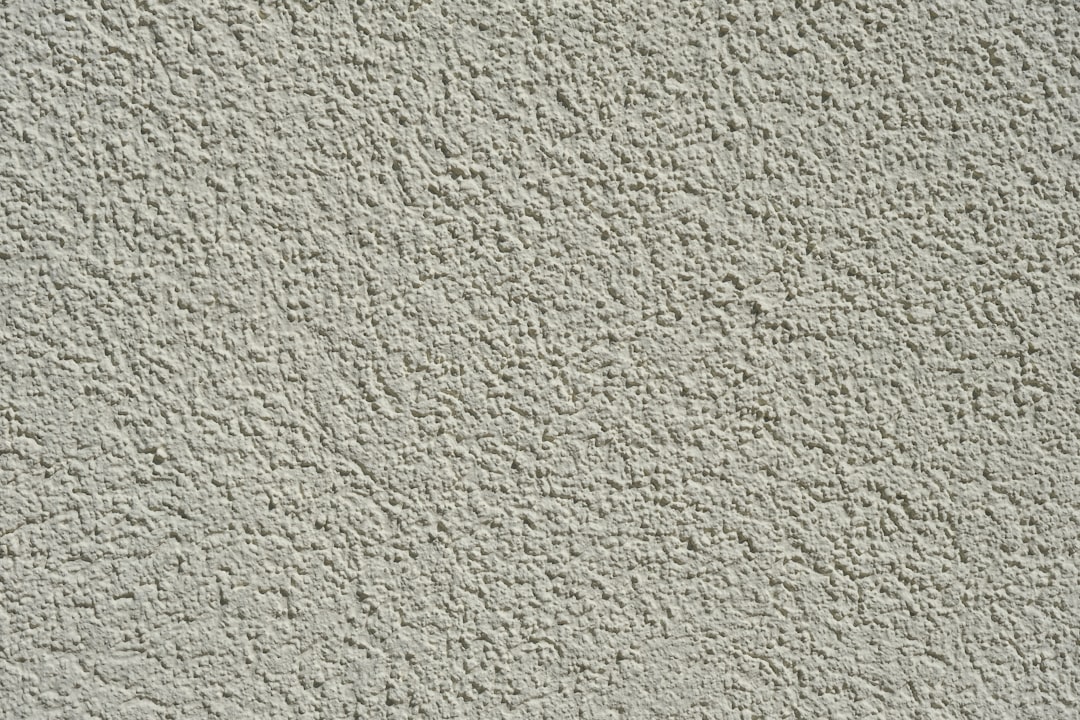
For industrial-minimalist and wabi-sabi-inspired interiors, wallpapers that replicate the raw texture of concrete, lime plaster, or micro cement deliver an authentic material feel without the mess and unpredictability of actual applied finishes. These designs feature subtle tonal variation and surface irregularity that add character to otherwise stark spaces.
Fine Ribbed and Woven Textures
Delicate ribbed textures — reminiscent of fine corduroy or woven reed — create directional interest on the wall surface. Applied vertically, they subtly emphasise ceiling height. These textures work particularly well in HDB bedrooms and corridors where a hint of visual interest is welcome without any sense of visual busyness.
Colour Palettes for Minimalist Wallpaper
Minimalist wallpaper design favours neutral and earth-toned palettes that create calm, grounding environments. The most effective palettes for Singapore homes include the following groupings.
- Warm whites and off-whites: Ivory, cream, and warm white wallpapers brighten spaces while avoiding the clinical feel of pure white paint. Texture becomes especially visible in these light tones.
- Greiges and taupes: The grey-beige spectrum is the backbone of minimalist wallpaper design. These versatile mid-tones work with virtually any furniture style and adapt to both warm and cool lighting conditions.
- Soft greys: Light to medium greys provide a contemporary, sophisticated base. Pair with white trim and black accents for a modern monochromatic scheme.
- Sand and clay tones: Earthy warm neutrals — sand, clay, terracotta undertones — connect interiors to natural materials and suit the organic minimalism trend.
- Muted sage and olive: Quiet green-grey tones add a subtle natural colour without breaking the minimalist restraint. These work well in bedrooms and study rooms.
Goodrich Global’s residential wallpaper collection includes extensive options in these neutral and earth-toned palettes from Japanese manufacturers known for their refined, minimalist aesthetic.
Room Applications in Singapore Homes
Living Room
In minimalist living rooms, wallpaper often covers all four walls rather than appearing as a single feature wall. This creates an even, enveloping texture that serves as a quiet backdrop for furniture and art. Linen-effect and fine-weave wallpapers are ideal for this full-room approach. In HDB living rooms, the uniform texture makes the space feel larger and more cohesive than walls with visible paint roller marks or patchwork repairs.
Bedroom
Minimalist bedrooms benefit from wallpapers that promote calm — soft textures, muted tones, and no busy patterns. A grasscloth or fabric-effect wallpaper on the headboard wall, with matching or complementary painted walls elsewhere, creates a serene focal point. For BTO master bedrooms, this approach adds sophistication without the cost of extensive carpentry.
Corridors and Hallways
The narrow corridors of HDB flats and condominiums are often overlooked in design planning. A subtle textured wallpaper in these transitional spaces adds polish and continuity. Light-toned ribbed or linen-effect wallpapers prevent corridors from feeling like dark, featureless tunnels.
Home Office
A calm, distraction-free wallpaper creates a focused work environment. Concrete-effect or fine-texture wallpapers in grey or taupe provide visual interest during video calls without being distracting. This is a practical consideration for Singapore’s hybrid workforce.
Pairing Minimalist Wallpaper with Other Elements
Minimalist wallpaper achieves its full potential when paired thoughtfully with complementary elements throughout the room.
Natural wood furniture in light oak, ash, or birch tones creates a warm Scandinavian or Japandi pairing with textured neutral wallpapers. Darker walnut and teak work equally well for a more grounded, earthy feel. The key is selecting wood tones that share the same warmth or coolness as the wallpaper’s base tone.
Window treatments should continue the restrained palette. Sheer linen curtains in neutral drapery fabrics layer beautifully with textured wallpaper, diffusing Singapore’s strong sunlight while maintaining the room’s calm atmosphere.
Flooring in natural or light-toned materials — pale timber-look vinyl, light stone-effect tiles, or bleached hardwood — completes the minimalist foundation. The combination of textured walls, natural flooring, and simple furnishings creates interiors that feel both designed and effortless.
Final Thoughts
Minimalist wallpaper design is about adding quality and texture without adding visual noise. In Singapore’s compact homes, this restrained approach creates spaces that feel larger, calmer, and more intentionally designed. Textured neutrals, tone-on-tone patterns, and natural material effects deliver the depth that flat paint cannot, while maintaining the clean aesthetic that defines modern minimalist living.
Request free samples from our Singapore showroom to experience the texture and colour of minimalist wallpapers before making your selection.