Wallpaper & Wallcovering
Wallpaper on Ceilings: A Bold Design Statement
Wallpaper for ceiling applications is a design move that instantly elevates a room from ordinary to extraordinary. Often called the “fifth wall,” the ceiling is the largest uninterrupted surface in most rooms, yet it is routinely left plain white. Applying wallpaper overhead adds pattern, colour, texture, or visual depth to a surface that most people overlook, creating interiors that feel complete, considered, and distinctly individual.
In Singapore’s compact HDB flats and condos, where wall space is often consumed by built-in cabinetry, windows, and doorways, the ceiling offers a generous, unobstructed canvas for design expression.
Why Consider Wallpaper on the Ceiling
The ceiling influences the perceived proportions, mood, and character of a room more than most people realise. A plain white ceiling recedes, which is sometimes desirable, but it can also make a room feel incomplete when the walls and floor have been carefully designed.
A wallpapered ceiling draws the eye upward, adding a layer of visual interest that transforms the spatial experience. In rooms with low ceilings, which are common in standard HDB flats with ceiling heights of approximately 2.6 metres, certain wallpaper treatments can actually make the room feel more dynamic and engaging rather than lower.
Ceiling wallpaper also creates continuity in open-plan layouts. In a combined living and dining area, different ceiling treatments can subtly zone the space overhead without physical partitions, guiding the eye and defining functional areas.
For heritage properties, landed houses, and conservation shophouses with high ceilings, decorative ceiling wallpaper restores a sense of grandeur that these spaces were originally designed to convey.
Design Ideas for Residential Ceilings
Subtle Texture for Quiet Sophistication
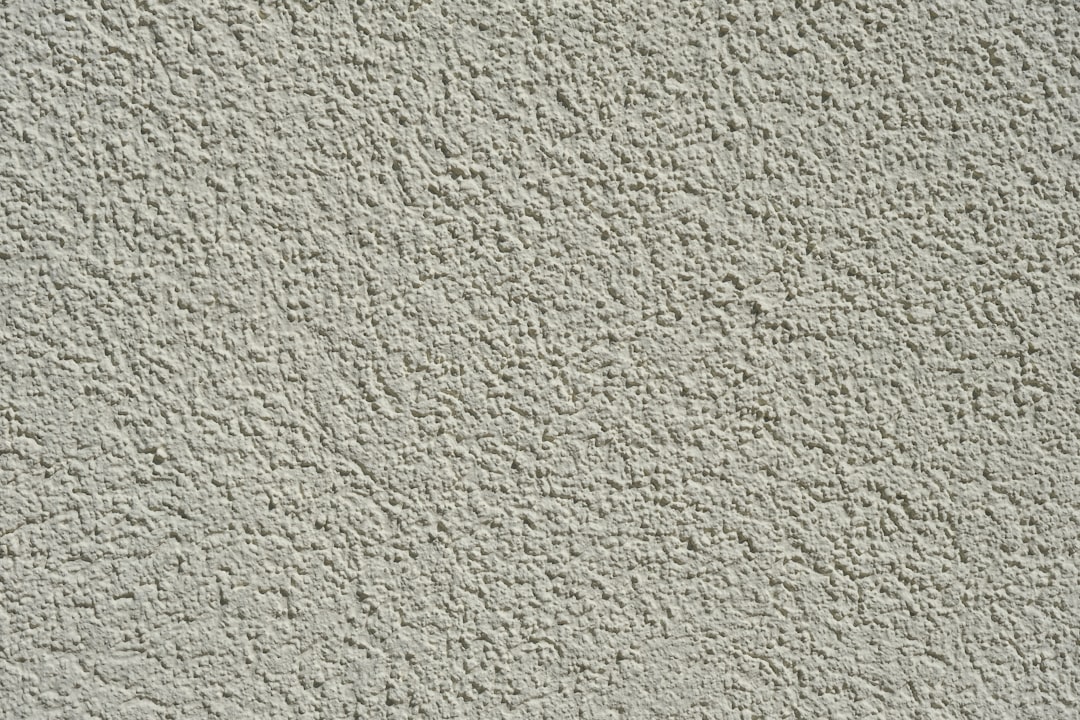
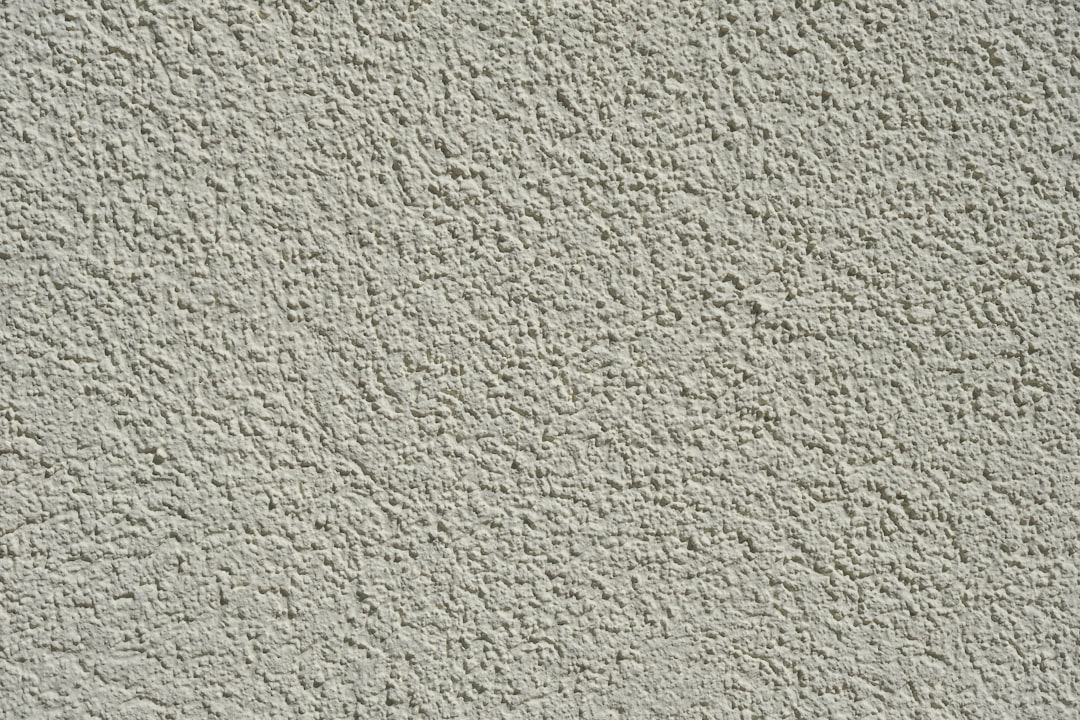
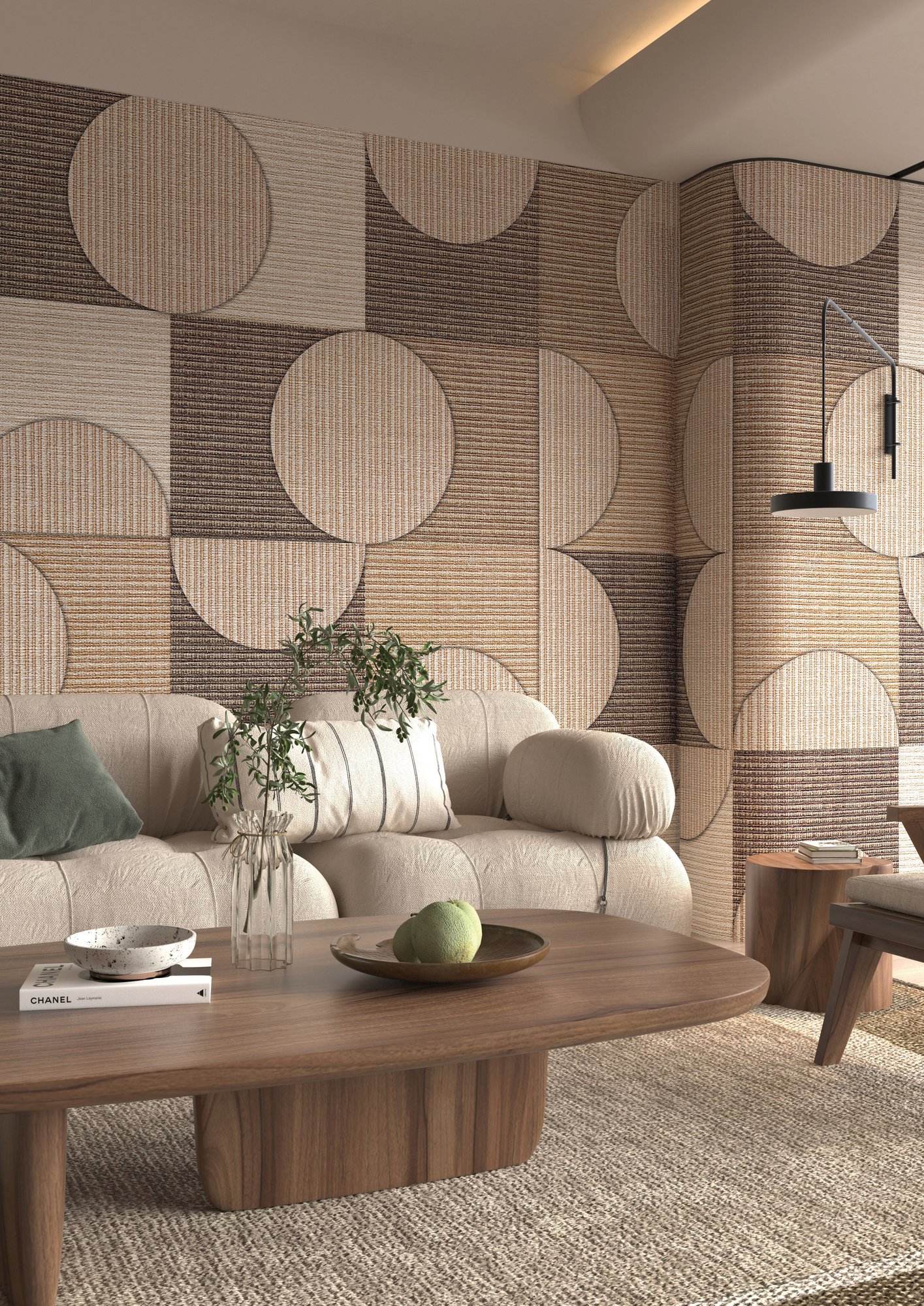
A textured wallpaper in a tone close to white or the wall colour adds understated depth without visual drama. Linen-effect, plaster-effect, or fine geometric textures catch light in ways that flat paint cannot, creating a ceiling that feels refined without demanding attention. This approach works well in bedrooms and living rooms where calm is the priority.
Bold Pattern for Maximum Impact
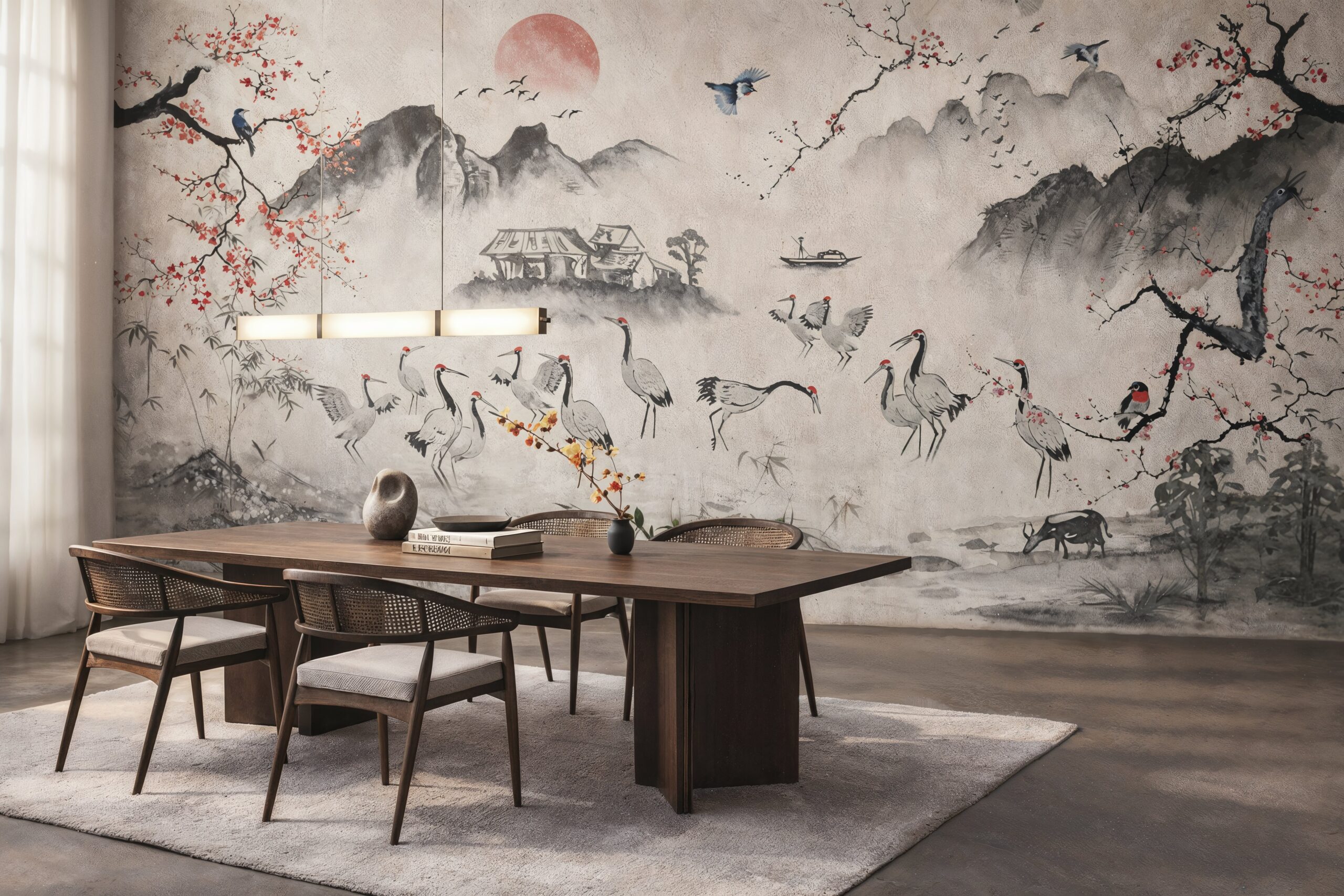
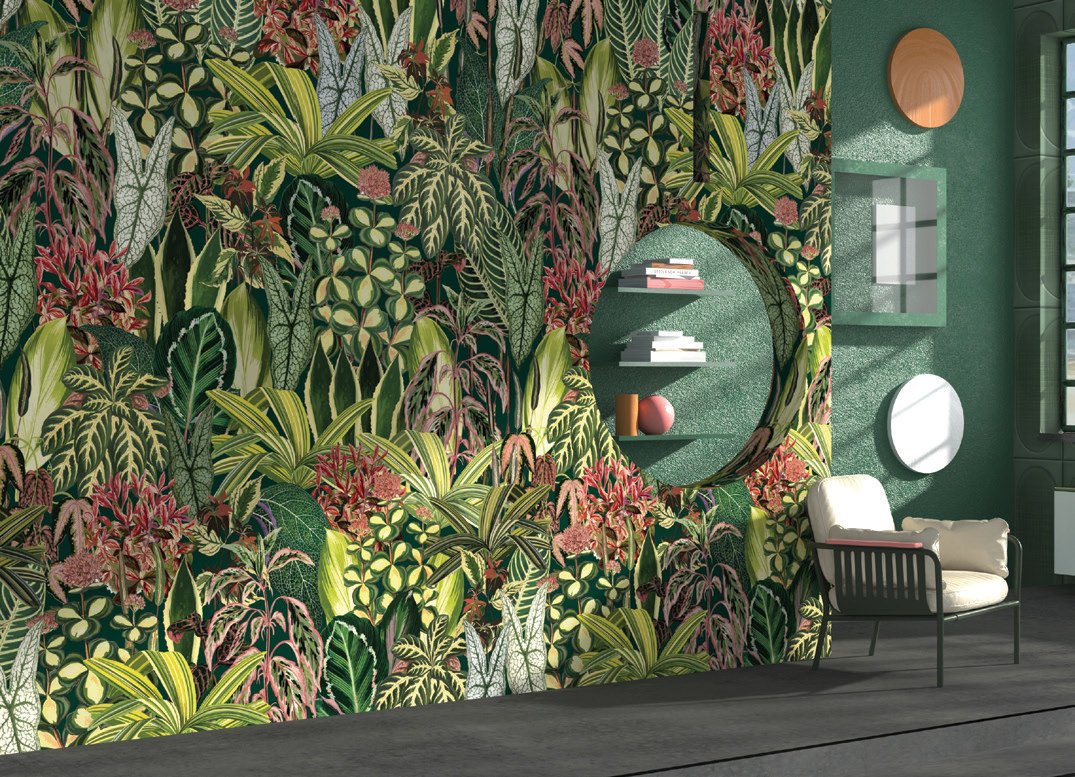
Applying a strongly patterned wallpaper to the ceiling while keeping walls plain creates a striking inversion of the conventional approach. Botanical prints, geometric patterns, or chinoiserie designs overhead become a room’s defining feature. This works particularly well in bedrooms, where the ceiling is the primary view when lying in bed.
Sky and Nature Murals
Photographic or illustrated sky murals, cloud patterns, or canopy-of-trees imagery on the ceiling create an immersive experience that brings a sense of the outdoors inside. In children’s rooms, a night sky mural with constellation patterns sparks imagination. In living rooms, a cloud-scape mural adds serene depth.
Continuous Wall-to-Ceiling Application
Wrapping the same wallpaper from the feature wall onto the ceiling creates an enveloping, cocoon-like effect. This technique works best with medium-scale patterns and muted colour palettes. It is particularly effective in small rooms such as studies, powder rooms, and compact bedrooms in HDB flats, where it creates an intimate, jewel-box atmosphere.
Commercial and Hospitality Ceiling Applications
Commercial interiors use ceiling wallpaper to create memorable overhead experiences that surprise and delight occupants.
Restaurants and bars benefit enormously from wallpapered ceilings. Diners naturally look upward while seated, making the ceiling a prime surface for design impact. A richly patterned or textured ceiling adds intimacy and warmth to dining spaces, particularly those with high ceilings that might otherwise feel cold and cavernous.
Hotel guest rooms use ceiling wallpaper to create a sense of luxury that guests notice immediately upon lying on the bed. A subtle metallic or textured wallcovering overhead catches light from bedside lamps and creates a cocooning effect that enhances the sense of retreat.
Retail stores use ceiling wallpaper to extend brand environments overhead, creating fully immersive spaces. When the floor, walls, and ceiling all contribute to the brand narrative, the environment feels cohesive and deliberately crafted.
Browse the wallpaper and wallcovering collection at Goodrich Global for products suitable for both wall and ceiling applications.
Practical Considerations for Ceiling Installation
Installing wallpaper on a ceiling is more physically demanding than wall application, but the principles are the same. Several practical factors warrant attention.
Weight matters. Heavy wallcoverings with thick substrates or dense textures are more difficult to apply overhead and may be more prone to peeling if adhesion is not perfect. Lightweight non-woven wallpapers are the best choice for ceiling applications. They are easier to handle overhead, and the paste-the-wall application method eliminates the need to manage a wet, heavy strip while working above head height.
Surface preparation is critical. Any imperfection in the ceiling surface is amplified when covered with wallpaper, as the material bridges unevenly over bumps and depressions. The ceiling must be clean, smooth, dry, and primed. In older HDB flats with textured plaster ceilings, skim coating may be necessary before wallpaper application.
Professional installation is strongly recommended. Ceiling wallpapering requires working on scaffolding or platforms, managing gravity-resistant adhesion, and ensuring pattern alignment across a horizontal plane. Misaligned seams and bubbles are far more visible on a ceiling than on walls because the surface is viewed at a consistent angle from below.
Lighting interacts differently overhead. Ceiling-mounted light fixtures, downlights, and air-conditioning vents create interruptions that must be planned for. The wallpaper installer needs to cut precisely around these penetrations. Consider how the wallpaper pattern will interact with the layout of ceiling fixtures before committing to a design.
Patterns and Colours That Work Best Overhead
Not every wallpaper that works on walls translates successfully to the ceiling. Orientation, viewing angle, and psychological perception of “overhead weight” all influence the appropriate choice.
Lighter colours and softer patterns generally work best for full-ceiling applications. Dark, heavy patterns on the ceiling can create a sense of the room pressing downward, which is uncomfortable in rooms with standard ceiling heights. Reserve dramatic dark wallpapers for ceilings in rooms with generous height, typically 3 metres or more.
Non-directional patterns, such as organic textures, abstract forms, and scattered motifs, avoid the orientation confusion that directional patterns can create on a horizontal surface. A wallpaper with a clear “up” and “down” can feel disorienting when viewed overhead.
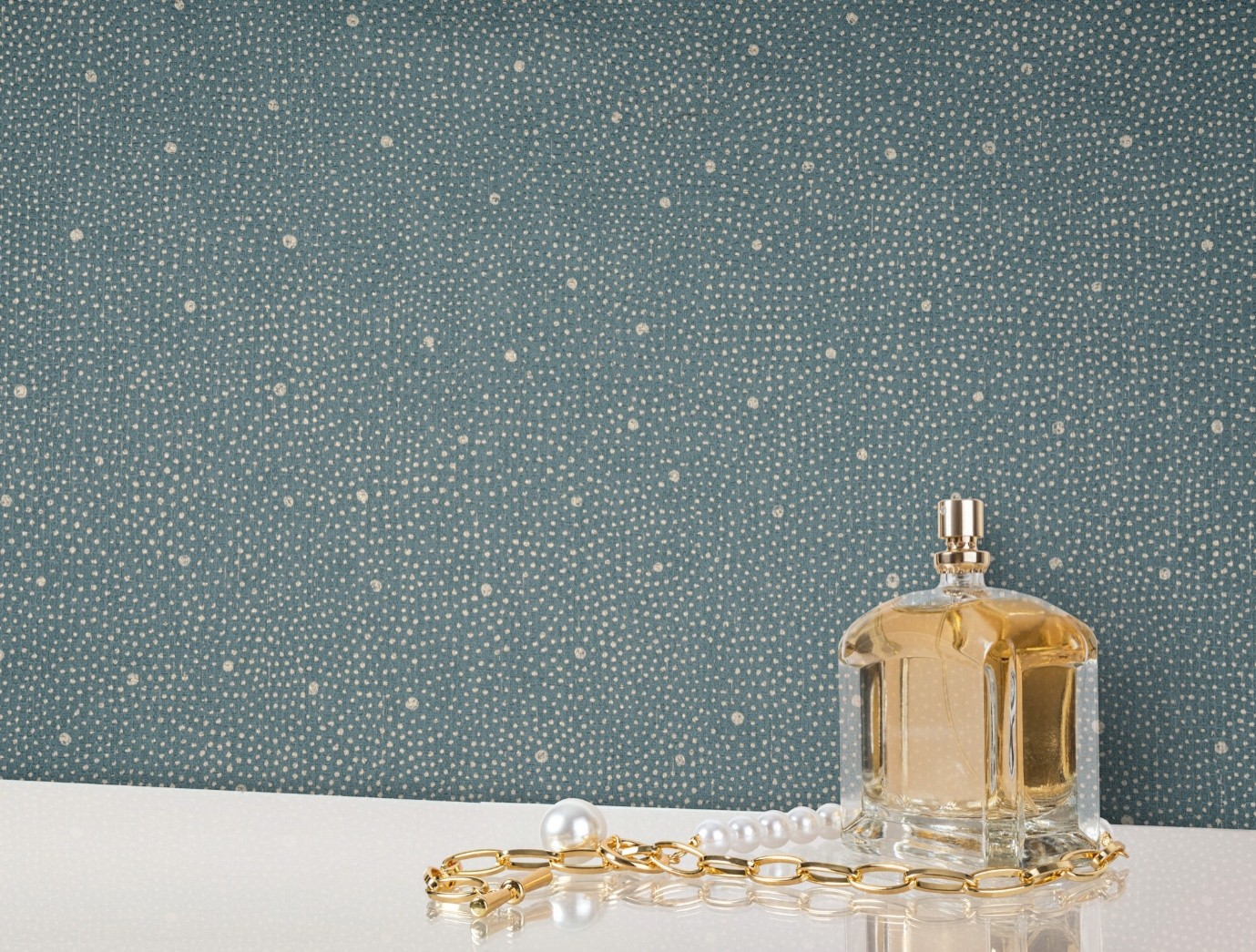
Metallic and pearlescent wallpapers are especially effective on ceilings. They catch and reflect light from multiple sources throughout the day, creating a gentle luminosity that makes the ceiling feel further away while adding subtle glamour.
To see how different textures and patterns look in person, visit the Goodrich Gallery in Singapore where design consultants can advise on ceiling-appropriate options.
Final Thoughts
The ceiling is the most underutilised surface in interior design. Applying wallpaper overhead transforms it from a forgotten plane into a defining feature of the room. Whether you choose a subtle texture that adds quiet refinement or a bold pattern that becomes the centrepiece of the space, ceiling wallpaper creates interiors that feel complete, intentional, and distinctly memorable.
Book an appointment with our design consultants to discuss wallpaper options for your ceiling project.