Fabric & Upholstery
How to Choose Curtain Fabric: A Complete Guide
Knowing how to choose curtain fabric is essential for any successful interior scheme. Curtains are not merely functional window coverings; they influence light quality, acoustic comfort, thermal regulation, and the overall character of a room.
In Singapore, where intense sunlight, high humidity, and air-conditioning are daily realities, fabric selection demands careful consideration of both aesthetics and performance.
Understanding Fabric Types for Curtains
The fabric you choose determines how your curtains drape, filter light, and perform over time. Each fabric type has distinct characteristics suited to different applications.
Sheer Fabrics
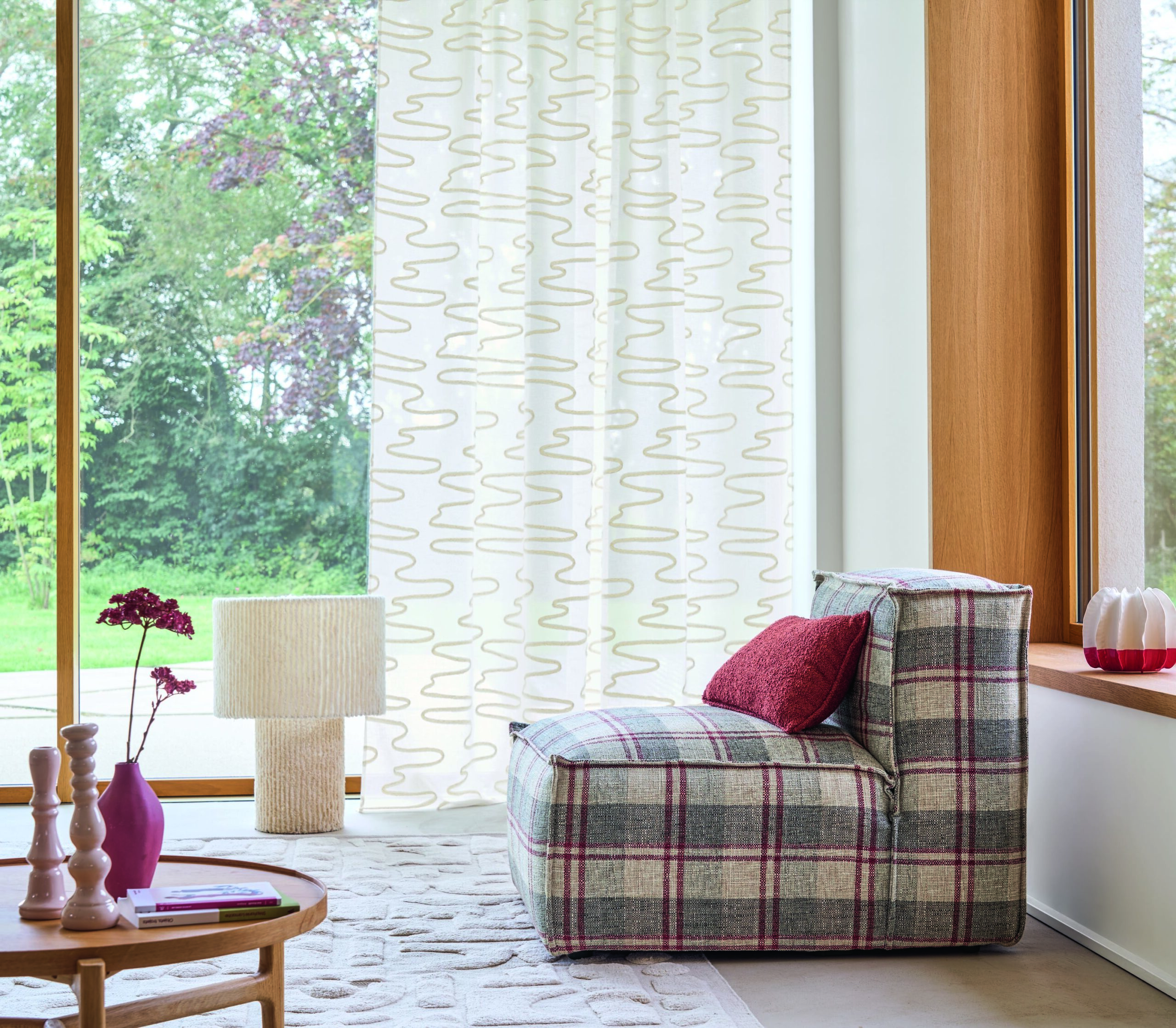
Voile, organza, and sheer linen allow diffused natural light to enter while providing daytime privacy. Sheers work beautifully in living rooms and dining areas where you want to soften harsh tropical sunlight without blocking it entirely. They create an airy, elegant atmosphere and pair well with heavier curtains in a layered configuration.
Linen and Linen Blends
Linen curtains offer a relaxed, natural aesthetic that suits contemporary, Scandinavian, and coastal interior styles. Pure linen wrinkles easily, which some homeowners appreciate as part of its character. Linen-polyester blends retain the natural look while resisting creasing and holding their shape better over time.
Cotton and Cotton Blends
Cotton is versatile, affordable, and available in an enormous range of prints and weaves. Lined cotton curtains provide reasonable light blocking and insulation. However, pure cotton can fade in direct sunlight, making it better suited to rooms with less intense sun exposure or when used with UV-protective lining.
Velvet
Velvet curtains deliver exceptional light blocking, sound absorption, and thermal insulation. They add a sense of luxury and weight to bedrooms, home theatres, and formal living rooms. In Singapore, velvet curtains are most practical in air-conditioned spaces where their insulating properties help maintain cool temperatures.
Polyester and Performance Fabrics
Synthetic fabrics resist fading, mildew, and wrinkling, making them highly practical for Singapore’s climate. Modern polyester curtain fabrics replicate the look of natural materials convincingly while requiring minimal maintenance. Performance fabrics with stain-resistant finishes are ideal for family homes with young children.
Matching Fabric to Room Function
Different rooms have different requirements. A fabric that works perfectly in the living room may be entirely wrong for the bedroom.
Bedrooms
Prioritise light blocking for quality sleep. Blackout-lined curtains in medium to heavyweight fabrics such as velvet, lined cotton, or dense polyester prevent early morning light from disrupting rest. In master bedrooms, a double-track system with sheers behind blockout curtains offers flexibility throughout the day.
Living and Dining Rooms
Balance light control with aesthetics. Sheer curtains maintain brightness and visual connection to the outdoors, while lined curtains in linen or cotton blends offer more control. Consider how the fabric looks both with natural daylight streaming through and under artificial evening lighting.
Kitchens
Choose easy-care, washable fabrics that resist grease and moisture. Lightweight polyester or polyester-cotton blends in simple styles such as cafe curtains or Roman blinds work best. Avoid floor-length curtains near cooking areas for safety reasons.
Home Offices
Glare control is the priority. Fabrics that filter light without darkening the room, such as light-filtering sheers or semi-opaque weaves, reduce screen glare while maintaining a pleasant working environment.
Key Factors for Singapore’s Climate
Singapore’s tropical environment places specific demands on curtain fabrics that differ from temperate climates.
- UV resistance: West-facing windows receive intense afternoon sun that fades unprotected fabrics within months. Choose fabrics with UV-resistant treatments or use a separate UV-blocking lining layer.
- Humidity tolerance: Fabrics prone to mildew, such as untreated natural fibres, require extra care in humid environments. Synthetic blends or fabrics with anti-microbial treatments perform more reliably.
- Air-conditioning compatibility: Heavy curtains help insulate air-conditioned rooms, reducing energy consumption. Properly fitted curtains that seal the window area prevent cooled air from warming against hot glass.
- Dust resistance: Singapore’s urban environment means dust accumulates on curtain surfaces. Smooth, tightly woven fabrics resist dust buildup and are easier to clean than textured or open-weave materials.
Fabric Weight and Drape
The weight of a curtain fabric directly affects how it hangs and moves.
Lightweight fabrics (under 150 gsm) float and billow, creating a soft, ethereal look suited to sheers and casual living spaces. Medium-weight fabrics (150 to 300 gsm) offer a balanced drape with enough body to hold pleats and folds neatly. Heavyweight fabrics (above 300 gsm) hang in deep, structured folds that convey formality and substance.
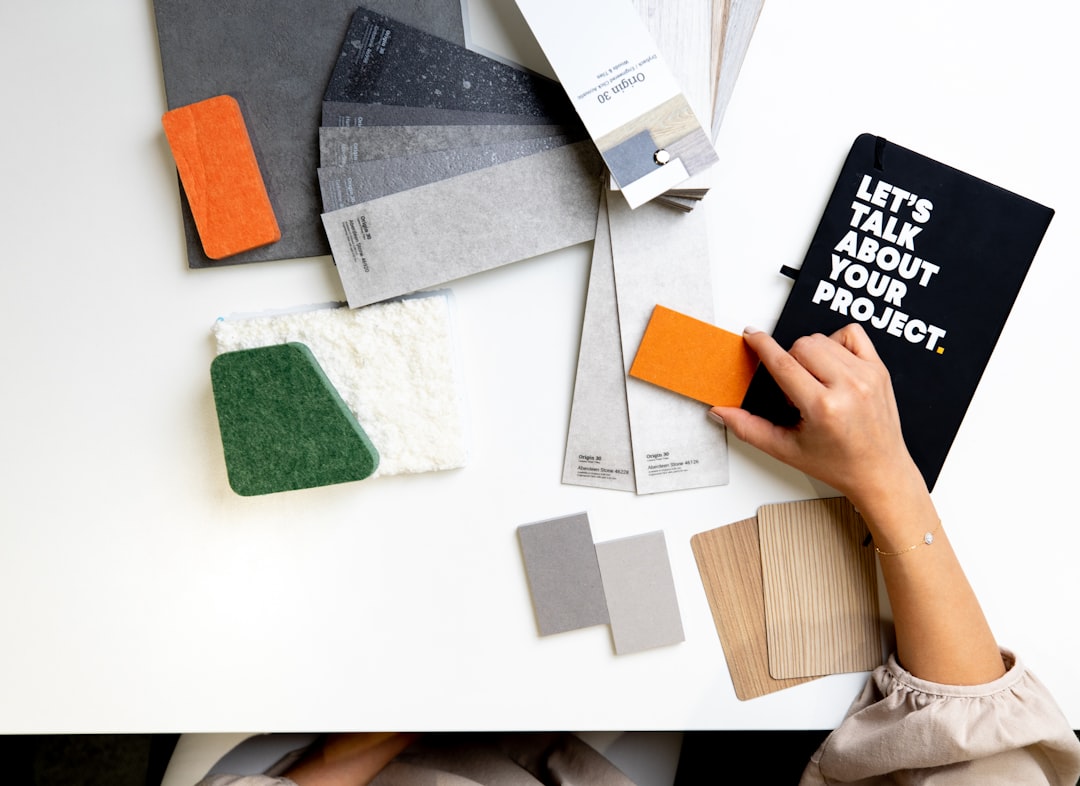
Always request fabric samples before committing to a selection. A small swatch viewed flat on a table behaves very differently from a full curtain hanging in folds. Goodrich Global’s drapery fabric collection is available for sampling so you can assess weight, drape, and colour in your own space.
Lining Options and Their Benefits
The lining behind your curtain fabric is as important as the face fabric itself.
| Lining Type | Benefits | Best For |
|---|---|---|
| Standard cotton lining | Protects face fabric from sun damage, improves drape | Living rooms, dining rooms |
| Blackout lining | Blocks 95-100% of light, insulates | Bedrooms, home theatres |
| Thermal lining | Reflects heat, reduces energy costs | West-facing windows, large glass walls |
| Interlining | Adds weight and luxury feel, enhances drape | Formal rooms, premium installations |
Unlined curtains are an option for sheers and casual cotton curtains in low-sun rooms, but lining is generally recommended in Singapore to protect fabric investment and improve performance.
Final Thoughts
Choosing the right curtain fabric involves balancing aesthetics, function, and the practical demands of Singapore’s tropical climate. Consider each room’s lighting needs, usage patterns, and design direction, then select a fabric that performs across all three dimensions.
The best way to assess any curtain fabric is to see and feel it in person. Request free samples to compare textures, weights, and colours before making your final selection.
Request free samples from our Singapore showroom to find the perfect curtain fabric for your home.