Fabric & Upholstery
Outdoor Roller Blinds for Singapore Balconies & Patios
Why Outdoor Roller Blinds Suit Singapore Living
Balconies and patios in Singapore face a unique set of challenges: intense sun exposure, sudden tropical downpours, high humidity year-round, and occasional strong winds. Outdoor roller blinds address all of these, transforming exposed outdoor areas into usable living spaces.
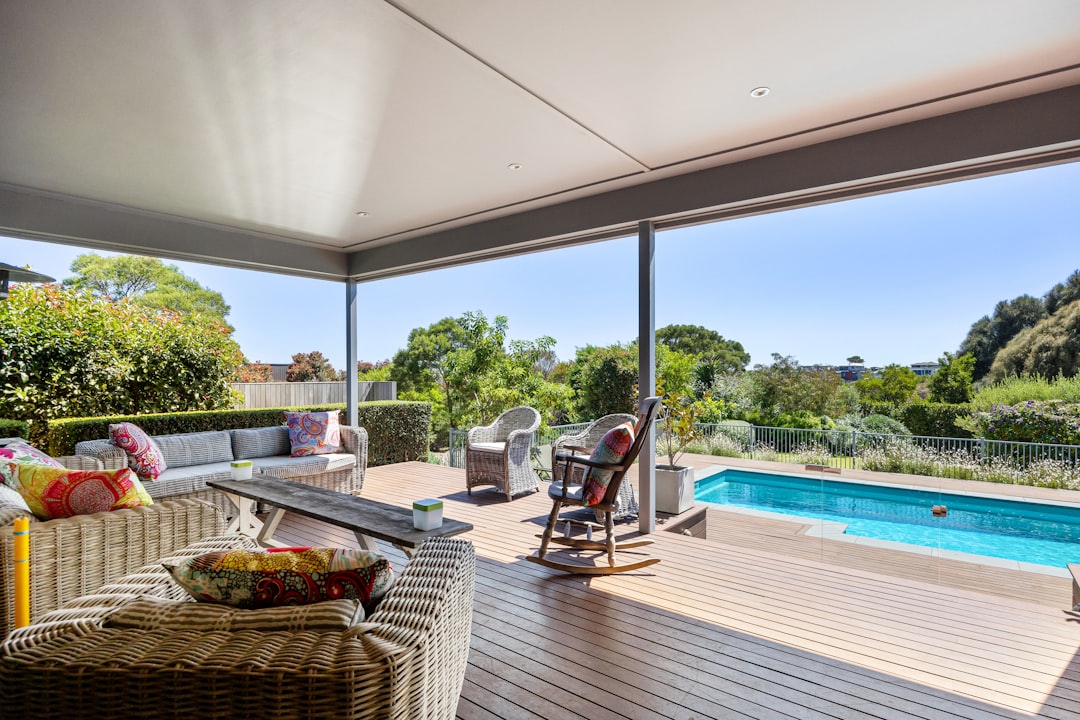
For HDB homeowners, a balcony fitted with outdoor roller blinds becomes a sheltered extension of the living room — a space for morning coffee, a small herb garden, or a reading nook protected from rain splatter. Condo residents with larger terraces gain functional entertaining space that remains comfortable even during the hottest part of the day.
The appeal is straightforward: outdoor roller blinds are retractable, so you deploy them only when needed. On cool, overcast mornings, roll them up and enjoy the open air. When the afternoon sun bears down or rain sweeps in, lower them for instant protection.
Materials Built for Tropical Conditions
Not all blind fabrics survive outdoors in Singapore. The combination of UV radiation, moisture, and heat demands materials specifically engineered for exterior use.
PVC-coated polyester is the most common material for outdoor roller blinds in Singapore. It is waterproof, easy to clean, and blocks both sun and rain effectively. Available in opaque or translucent options, PVC-coated fabrics suit balconies where full weather protection is the priority.
Outdoor mesh fabrics (also called screen or shade fabrics) are woven from vinyl-coated polyester or fibreglass yarns. They block a percentage of sunlight — typically 70% to 95% depending on the weave density — while maintaining outward visibility and airflow. These are ideal for spaces where you want shade without feeling enclosed.
Acrylic canvas offers a more textile appearance and is commonly used in cafe-style blinds. It is water-resistant rather than waterproof, making it better suited for sheltered patios than fully exposed balconies. Acrylic performs well against UV fading.
| Material | Waterproof | UV Block | Airflow | Visibility | Best For |
|---|---|---|---|---|---|
| PVC-coated polyester | Yes | High | None | None (opaque) | Full weather protection |
| Outdoor mesh/screen | No | Moderate–High | Good | Good | Sun and glare control |
| Acrylic canvas | Water-resistant | Moderate | Minimal | None | Sheltered patios, cafes |
Wind Resistance and Mounting Considerations
Singapore experiences occasional strong gusts, particularly during the monsoon seasons and thunderstorms. Outdoor roller blinds must be secured against wind to prevent damage and safety hazards.
Side channel guides — aluminium tracks mounted on either side of the blind — are the most effective wind-resistance feature. The blind fabric sits within these channels, preventing it from flapping or blowing out. For high-rise HDB and condo balconies, side channels are not optional; they are essential.
Bottom bars with locking mechanisms add further stability. Some systems use magnetic locks, while others employ pin-and-socket connections that secure the bar to the floor or railing. For ground-level patios, weighted bottom bars may suffice.
When mounting outdoor roller blinds on HDB balconies, note that drilling into structural beams or the building facade typically requires HDB approval. Ceiling-mounted brackets within the balcony recess are usually the simplest compliant option. For condominiums, check your management corporation’s by-laws regarding external installations — many condos have specific colour and material requirements for visible exterior fittings.
Sizing for Common Singapore Balcony Types
Balcony dimensions vary across Singapore property types, and outdoor roller blinds need to be sized accordingly:
- HDB balconies (newer BTO): Typically 1.5 to 2.5 metres wide and 2.4 to 2.7 metres tall. A single blind panel usually covers the opening. Some newer BTO designs feature L-shaped or curved balconies that may need two or more panels.
- Condo balconies: Widths range from 2 to 5 metres. Larger openings often require multiple blind panels with minimal gaps between them. Full-height glazing up to 3 metres may need extra-long drops.
- Landed property patios: These vary enormously. Multi-panel systems with a continuous headbox create a seamless look across wide openings. Motorised operation becomes almost necessary for spans exceeding 3 metres.
For openings wider than 3 metres, a single roller blind becomes impractical — the fabric sags under its own weight and the mechanism strains. Two or more blinds with a shared headbox is the standard solution.
Motorised vs Manual Outdoor Blinds
Manual outdoor roller blinds use a spring-loaded mechanism or crank handle. They are affordable and have no electrical requirements. For a single HDB balcony blind, manual operation is perfectly adequate.
Motorised outdoor blinds are worth considering when you have multiple panels, high-mounted installations that are difficult to reach by hand, or when you want to integrate with rain or wind sensors. Pairing motorised outdoor blinds with quality drapery fabrics on interior windows creates a cohesive indoor-outdoor window treatment scheme. Sensor-equipped systems can automatically lower blinds when rain is detected and retract them when wind speeds exceed a safe threshold — particularly useful for homeowners who are frequently away from home.
Motorised systems do require either a power outlet near the installation point or a battery/solar power source. Factor in the electrical work during your renovation planning, especially for new BTO flats where wiring can be run before walls are finished.
Maintenance in Singapore’s Climate
Outdoor roller blinds in Singapore accumulate dirt, pollen, and algae faster than indoor window treatments. A regular cleaning routine keeps them functional and presentable:
- Hose down PVC and mesh blinds monthly with plain water to remove surface grime.
- For stubborn stains or green algae patches, use a mild soap solution and a soft brush. Avoid abrasive cleaners that can damage the fabric coating.
- Lubricate the roller mechanism and side channel guides twice a year with silicone spray to ensure smooth operation.
- Inspect mounting brackets and fixings annually, especially after the monsoon season. Salt-laden air in coastal areas can accelerate corrosion on steel components.
- Retract blinds during severe weather warnings. Even well-secured blinds can sustain damage in extreme wind conditions.
With proper care, quality outdoor roller blinds last five to eight years in Singapore’s climate before the fabric needs replacement. The hardware — roller mechanism, brackets, and channels — typically lasts much longer.
Cost Guide and What to Expect
Outdoor roller blind pricing in Singapore depends on the material, size, and operating mechanism. Here is a general cost framework:
| Configuration | Estimated Cost (SGD per panel) |
|---|---|
| Manual PVC blind (standard HDB balcony) | $200–$500 |
| Manual mesh/screen blind (standard HDB balcony) | $250–$600 |
| Motorised outdoor blind (per panel) | $500–$1,200 |
| Side channel guides (per pair) | $80–$200 |
| Rain/wind sensor system | $200–$500 |
For a typical HDB balcony requiring a single panel with side channels, expect to spend $350 to $800 for a manual system. Condominium balconies with two or three panels and motorised operation typically cost $1,500 to $3,500 installed.
When obtaining quotes, confirm whether the price includes the headbox (the housing that conceals the rolled blind), side channels, and installation. Some suppliers quote the fabric panel only, with hardware and fitting as separate line items. A comprehensive quote avoids surprises.
It is also worth asking about fabric replacement costs. Since the fabric wears out before the hardware, knowing the cost of a fabric swap in five to seven years helps you plan for long-term maintenance. Most suppliers can replace the fabric within the existing hardware at roughly 40% to 60% of the original installed cost.
If you are also considering outdoor decking for your patio or balcony, coordinating the decking material and blind colour creates a cohesive outdoor living area. For tailored advice on your specific space, book an appointment with our design team to discuss outdoor solutions for your home.