Wallpaper & Wallcovering
Retro Wallpaper Designs: Nostalgic Patterns for Homes
Why Retro Wallpaper Is Back in Fashion
Retro wallpaper has cycled back into mainstream interior design with surprising momentum. What was once dismissed as dated — bold geometrics, oversized florals, psychedelic colour combinations — is now embraced as expressive, characterful and unapologetically fun.
The revival is not about recreating a period room. Modern retro wallpaper takes vintage patterns and reinterprets them for contemporary spaces, sometimes faithfully reproducing classic designs and sometimes updating them with new colourways and scales. The result is wallpaper that nods to the past while feeling entirely current.
For Singapore homeowners seeking to break away from the minimalist grey-and-white interiors that have dominated local design, retro wallpaper offers personality without requiring a complete renovation.
Retro Wallpaper by Decade
Different decades produced distinctive wallpaper styles. Understanding the origins helps you choose a look that resonates with your design vision.
1950s: Mid-Century Modern
The 1950s brought atomic-age optimism to wall design. Expect boomerang shapes, starburst motifs, abstract organics and space-age patterns. Colour palettes featured turquoise, mustard, coral and olive green on neutral grounds.
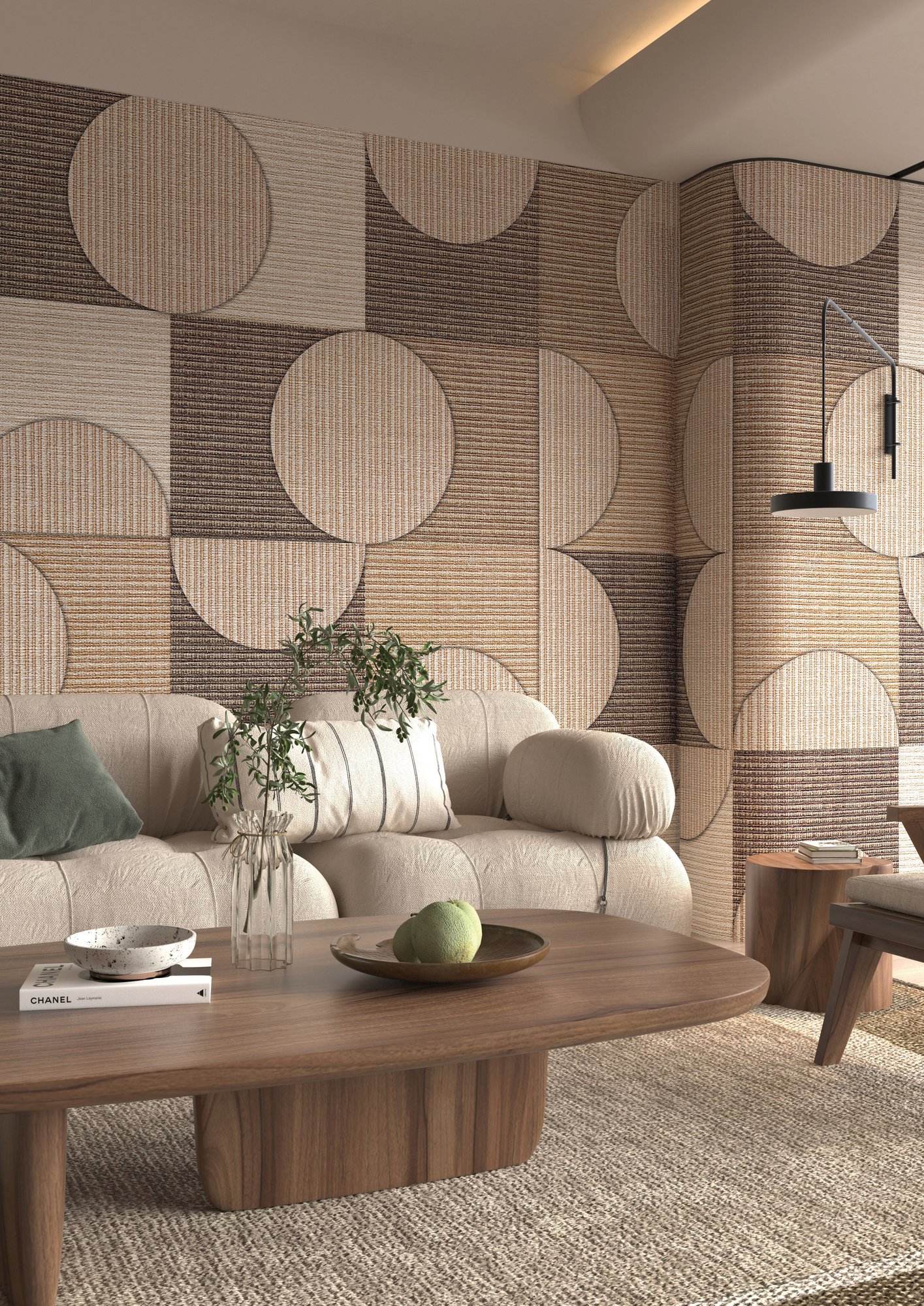
Mid-century wallpapers work exceptionally well in Singapore homes furnished with teak sideboards, Scandinavian-inspired dining sets and iconic mid-century chair designs — all of which are popular in local interiors.
1960s: Pop Art and Op Art
The 1960s pushed wallpaper in bolder directions. Oversized daisies, concentric circles, op-art illusions and graphic colour blocks defined the era. Colours were bright and unapologetic — orange, hot pink, electric blue and lime green.
Used sparingly, 1960s-inspired wallpaper creates eye-catching feature walls in modern apartments. A single wall of pop-art florals in a powder room or study adds instant character.
1970s: Earth Tones and Maximalism
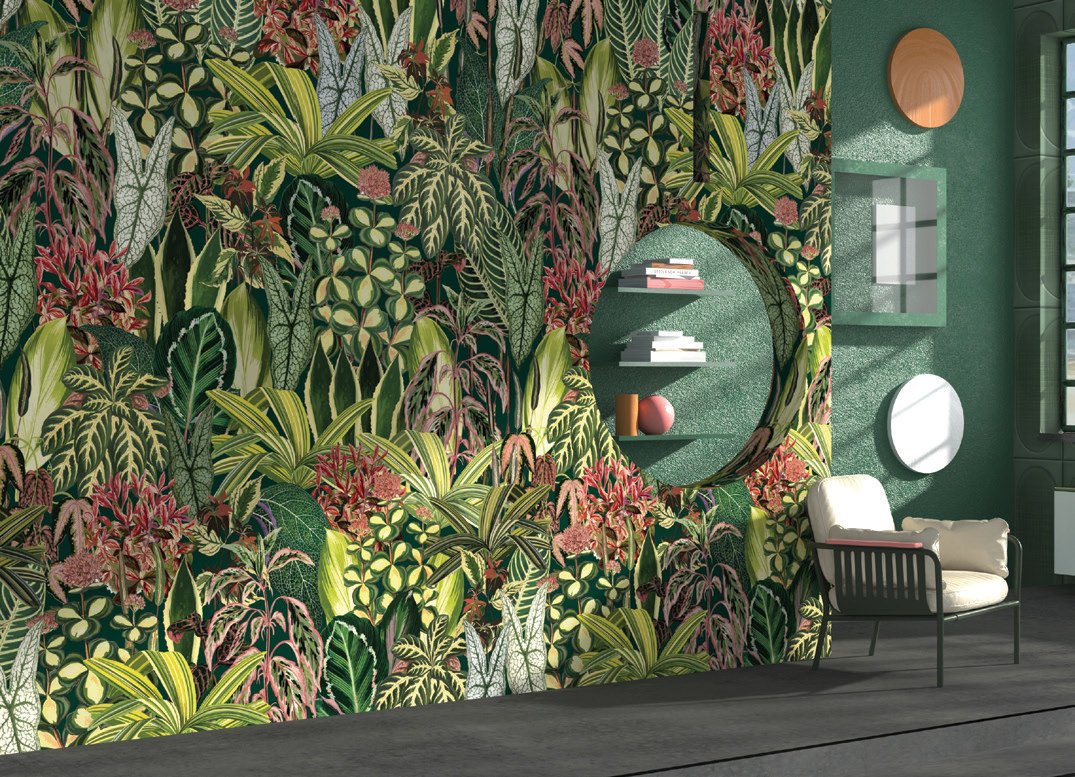
The 1970s are arguably the most recognisable era for retro wallpaper. Large-scale geometric patterns, mushroom and fern motifs, textured grasscloth and earthy colour palettes — burnt orange, avocado green, chocolate brown and harvest gold — define the decade.
The current revival of 1970s aesthetics aligns well with Singapore’s growing appreciation for warm, earthy interiors. Terracotta tones, natural materials and organic shapes are already trending in local design.
1980s: Art Deco Revival and Memphis
The 1980s saw two competing wallpaper trends: the glamorous revival of Art Deco patterns (fan shapes, ziggurats, metallic accents) and the avant-garde Memphis movement (squiggles, clashing colours, deliberately playful geometry).
Art Deco-inspired retro wallpaper suits sophisticated spaces — dining rooms, master bedrooms and hallways in landed properties. Memphis-style patterns are more niche but can inject energy into creative studios and youth bedrooms.
How to Use Retro Wallpaper Without Overdoing It
The biggest risk with retro wallpaper is creating a space that feels like a costume rather than a home. These guidelines help you integrate vintage patterns into a balanced, liveable interior.
The feature wall rule: Unless you are deliberately creating an immersive retro environment, limit bold retro wallpaper to one wall per room. This gives the pattern impact without overwhelming the space. Paint the remaining walls in a colour pulled from the wallpaper design.
Mix eras carefully: Combining wallpaper from one decade with furniture from another creates an eclectic look, but too many competing eras creates chaos. Pick one dominant decade for your wallpaper and let other periods appear through accessories and smaller pieces.
Balance pattern with plain: Retro wallpaper demands visual breathing room. Pair patterned walls with solid-coloured furniture, plain curtains and simple rugs. The wallpaper should be the centrepiece, not one of many competing patterns.
Scale to your space: Large-scale 1970s patterns need generous wall space to read properly. In compact HDB bedrooms, oversized prints can feel claustrophobic. Choose smaller-scale retro patterns for smaller rooms, saving the big, bold designs for living areas with more wall space.
Best Rooms for Retro Wallpaper in Singapore
Some rooms are natural candidates for retro wallpaper; others require more careful consideration.
| Room | Suitability | Recommended Style |
|---|---|---|
| Living room feature wall | Excellent | Mid-century geometric, 70s earth tones |
| Powder room / guest WC | Excellent | Bold 60s florals, Art Deco metallic |
| Study / home office | Good | Mid-century abstract, subtle geometric |
| Dining room | Good | Art Deco, 70s botanical, damask revival |
| Bedroom | Use with care | Muted 70s florals, soft mid-century patterns |
| Kitchen | Good for accent areas | 60s fruit/vegetable motifs, retro tiles |
| Children’s room | Good | Playful 60s patterns, bright retro colours |
Powder rooms deserve special mention. These small spaces are perfect for bold retro wallpaper because the limited square footage makes even dramatic patterns feel intentional. A guest powder room with full-coverage 1960s floral wallpaper creates a memorable moment without the commitment of wallpapering a larger room.
Colour Palettes That Define Retro Wallpaper
Colour is what makes retro wallpaper instantly recognisable. Each decade had its signature palette, and understanding these helps you choose a retro wallpaper that resonates with the right era.
1950s palette: Turquoise, coral, mustard yellow, mint green and charcoal. These colours feel optimistic and fresh, and they pair surprisingly well with modern Scandinavian-inspired furniture common in Singapore homes.
1960s palette: Orange, hot pink, acid green, electric blue and black. Bold and uncompromising, these colours work best in small doses — a feature wall or powder room — unless you are fully committed to the era.
1970s palette: Burnt orange, avocado green, chocolate brown, harvest gold and rust. These earthy, warm tones align perfectly with the current trend toward natural, grounded interiors. They are the easiest retro colours to integrate into contemporary Singapore homes.
1980s palette: Teal, mauve, peach, black and metallic gold. The Art Deco revival colours — black, gold and deep jewel tones — bring glamour and sophistication that suit formal dining rooms and master bedrooms.
When selecting a retro wallpaper, consider whether you want the colour palette to be the throwback element or the pattern. Sometimes a vintage pattern recoloured in modern neutrals delivers the retro character without the era-specific colour commitment.
Sourcing Retro Wallpaper in Singapore
Finding quality retro wallpaper in Singapore is easier than you might expect. Several approaches are available.
Reissued collections: Many wallpaper manufacturers periodically reissue vintage designs from their archives, often with updated colourways. These offer authentic patterns on modern substrates with current safety and performance standards.
Retro-inspired contemporary designs: New collections that reference vintage aesthetics without directly copying historic patterns. These tend to feel more current and integrate more easily into modern Singapore interiors.
Custom reproduction: If you have a specific vintage pattern in mind, custom printing can reproduce it on modern wallpaper substrate. This is useful when you want a pattern from a particular era that is no longer commercially available.
Explore the wallpaper and wallcovering collection for designs spanning classic to contemporary aesthetics, including patterns with retro influences and vintage character.
Complement your retro wallpaper with coordinating fabrics — vintage-inspired upholstery and curtain textiles complete the look and tie retro feature walls into the broader room scheme.
Browse our e-catalogue for the latest designs and discover wallpaper patterns that bring nostalgic charm to your Singapore home.