Wallpaper & Wallcovering
Wallpaper for Study Rooms: Focus-Friendly Design Ideas
How Your Study Room Walls Affect Focus
The walls of your study room do more than define the space — they influence your ability to concentrate, think clearly and sustain productivity. Research in environmental psychology has long established that our surroundings affect cognitive performance, and the colours, patterns and textures we see every day play a measurable role.
For Singapore homeowners setting up a home office or children’s study room, wallpaper offers a powerful way to shape the atmosphere of the space. The right choice promotes focus and calm. The wrong choice creates visual noise that competes for attention. This guide helps you make the right call.
Colours That Support Concentration
Colour is the single most influential design element for focus. Different colours affect mood and cognitive function in distinct ways.
Blues and blue-greys are widely considered the best colours for concentration. Blue tones promote calm, reduce anxiety and help sustain attention over long periods. They are ideal for spaces where extended reading, writing or analytical work takes place. Light to medium blues work well in compact Singapore study rooms without making the space feel dark.
Greens and sage tones are associated with balance and reduced eye strain. Green is the easiest colour for the eyes to process, making it an excellent choice for study rooms where screen time is high. Muted sage, olive and eucalyptus tones create a natural, restful backdrop.
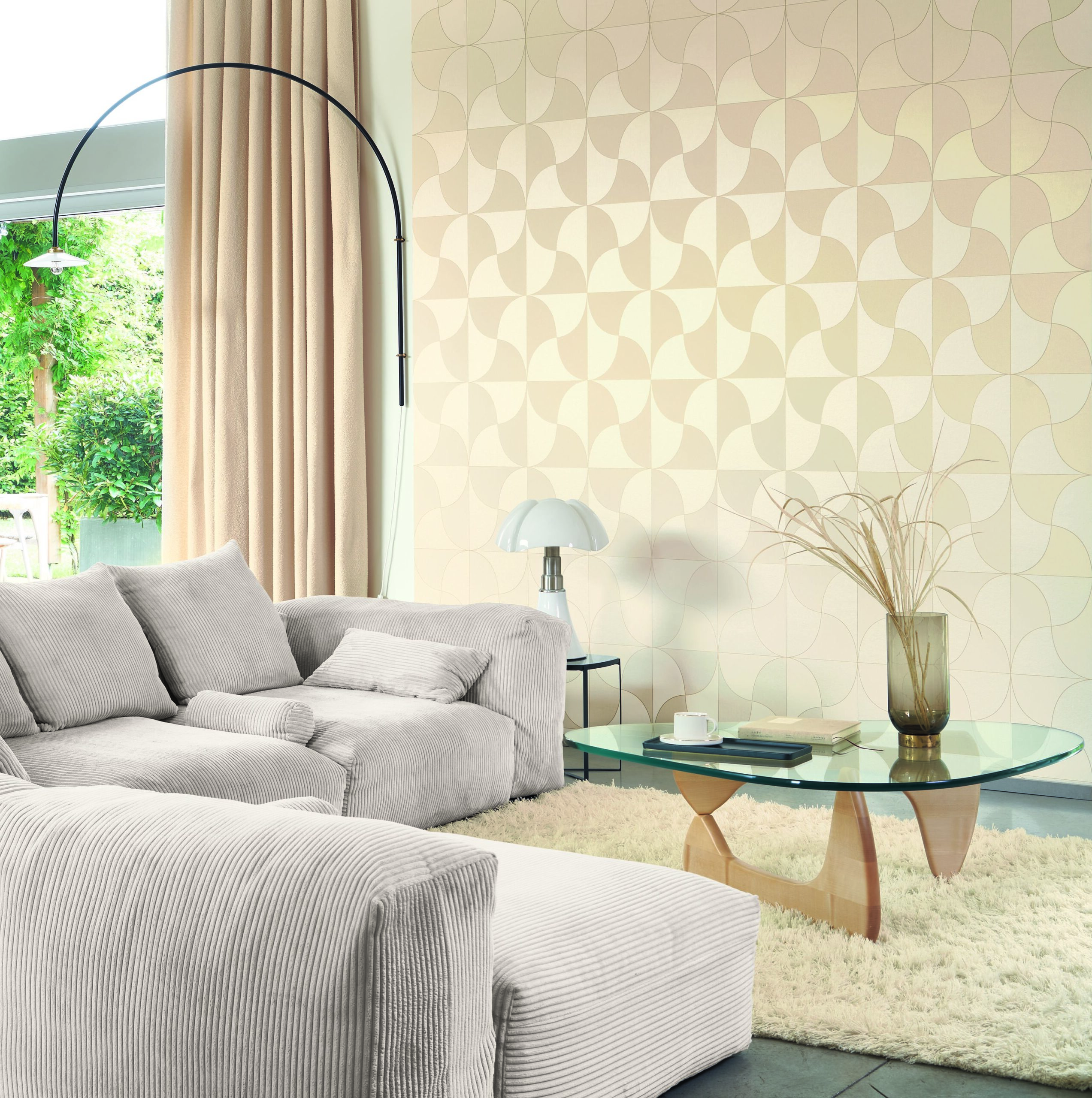
Warm neutrals — soft beiges, warm greys and greige tones — provide a calming, non-distracting background. They are versatile enough to work with any furniture style and create a professional atmosphere for video calls and online meetings.
Colours to approach with caution in study rooms include bright reds and oranges, which can increase restlessness, and stark white, which can feel sterile and cause glare. Very dark colours may feel oppressive in small rooms, though a single dark accent wall can add depth and character.
Patterns for Productivity
The pattern on your wallpaper matters just as much as the colour. The goal is to choose patterns that add visual interest without creating distraction.
Subtle textures: Linen weaves, grasscloth effects and fine plaster textures add warmth and dimension without demanding attention. These understated patterns work beautifully as full-room treatments, wrapping all four walls in a consistent, calming texture.
Fine geometrics: Small-scale geometric patterns — herringbone, pinstripes, subtle checks — create a structured, professional atmosphere. They add visual sophistication without the busyness of larger patterns. These suit home offices where video calls are a regular occurrence.
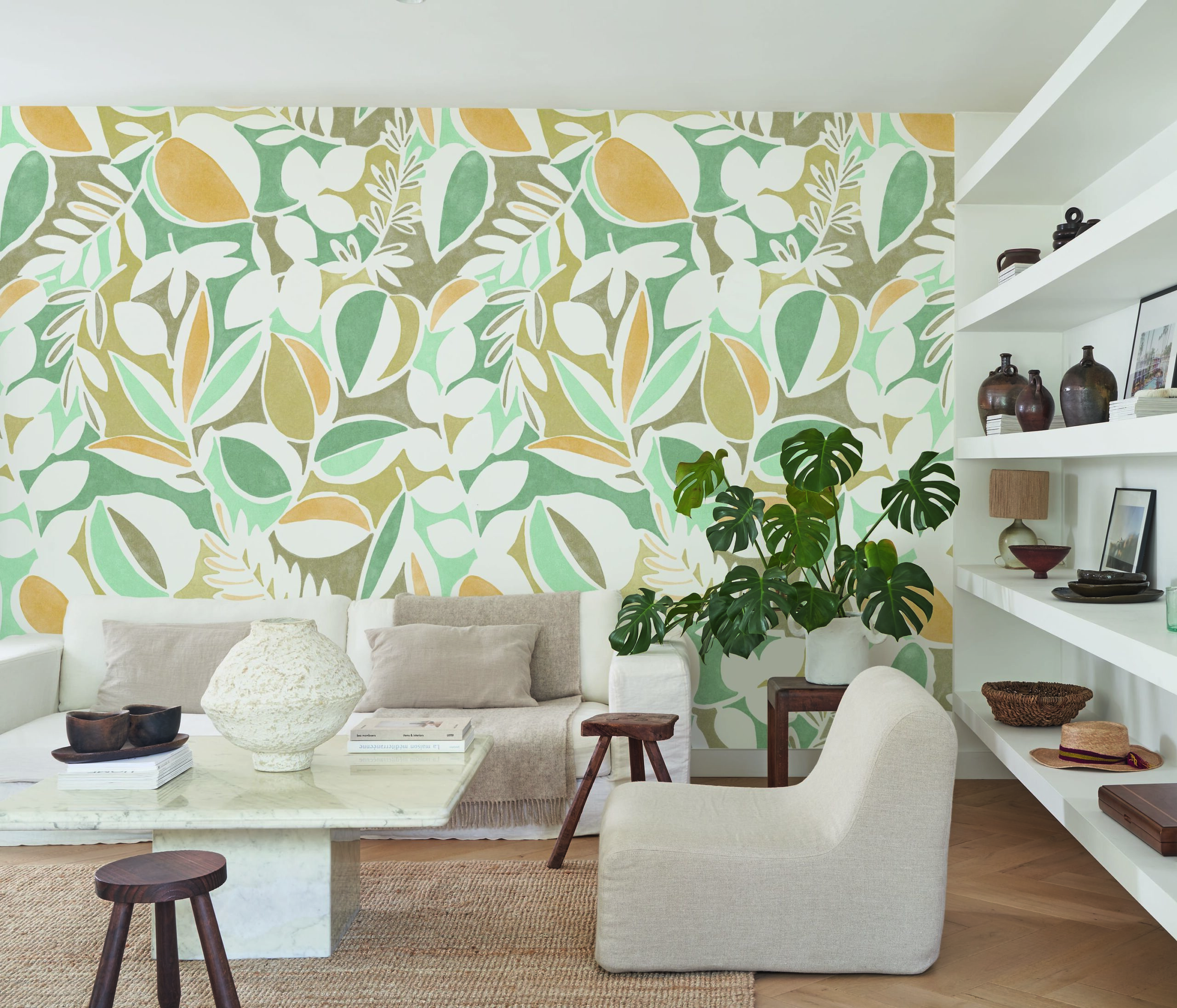
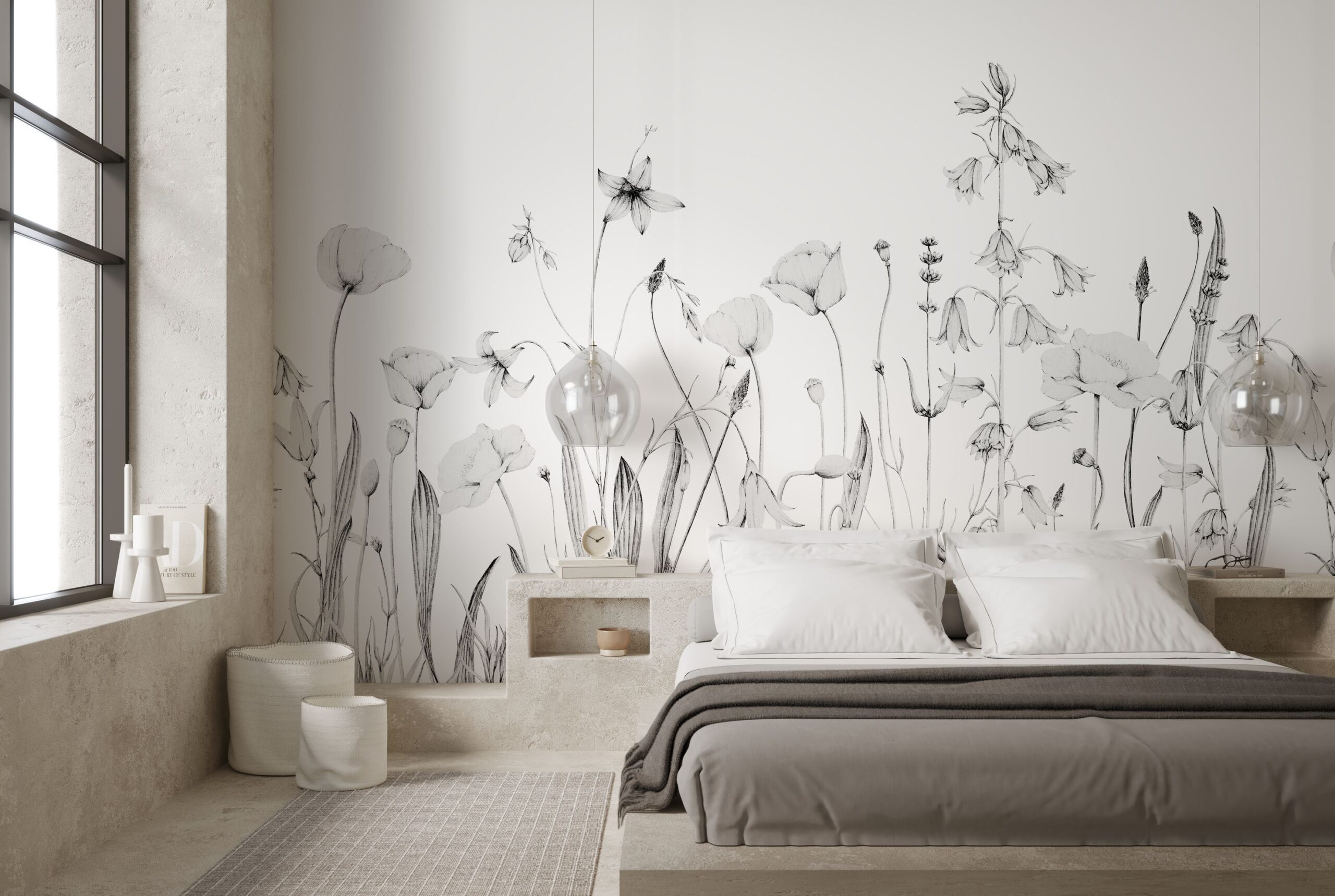
Nature-inspired prints: Delicate botanical prints, leaf motifs and abstract organic patterns bring life to a study room without overwhelming the senses. Studies suggest that nature-inspired environments improve cognitive function and reduce mental fatigue.
Patterns to avoid in study rooms include large-scale bold prints, busy florals and high-contrast graphic designs. These patterns compete with reading material and screen content for visual attention, making sustained focus more difficult.
Feature Wall vs Full Room
One of the key design decisions is whether to wallpaper all four walls or create a single feature wall. Both approaches work for study rooms, but they serve different purposes.
Full-room wallpaper works best with subtle textures and quiet patterns. A linen-textured wallpaper in a muted blue or warm neutral creates an enveloping, cocoon-like atmosphere that is particularly effective for concentration. This approach suits study rooms used primarily by adults for focused work.
Feature wall wallpaper allows you to use a bolder pattern or colour without overwhelming the space. Position the feature wall behind your desk, so it forms the background for video calls rather than a distraction in your line of sight. The remaining walls can be painted in a complementary solid colour.
For children’s study rooms, a feature wall approach is usually preferable. It allows for a more playful or stimulating design on one wall while keeping the wall behind the study desk calm and distraction-free. As children grow, the feature wall can be updated without redecorating the entire room.
Study Room Wallpaper for Children
Designing a study space for children requires balancing stimulation with focus. Young learners need an environment that feels engaging enough to want to spend time in, but calm enough to support concentration on homework and reading.
Effective wallpaper choices for children’s study rooms include:
- Map or atlas prints that inspire curiosity without being visually noisy
- Soft pastel geometrics that add colour without distraction
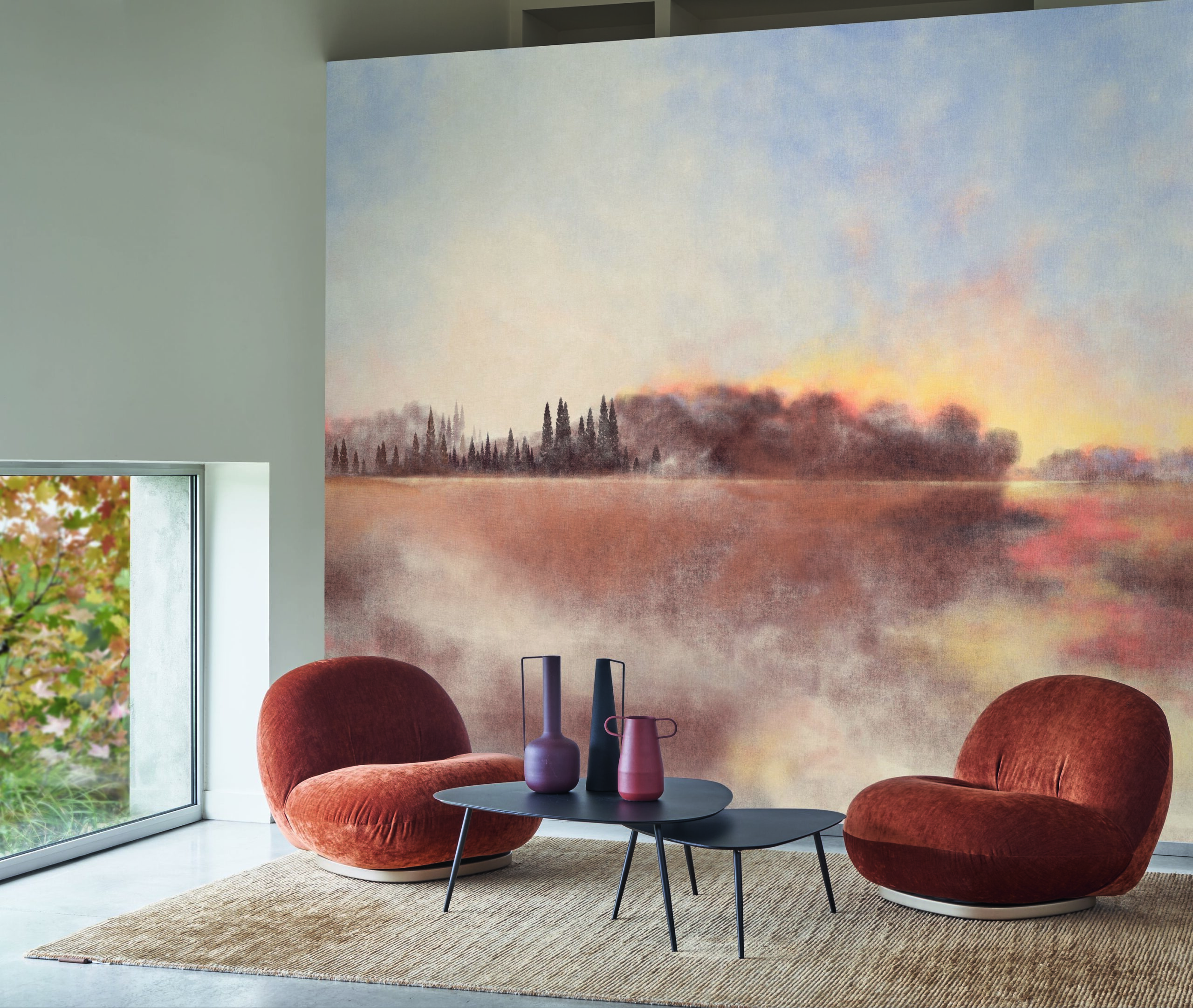
- Abstract watercolour effects in calming blues and greens
- Simple star or dot patterns in neutral palettes
- Chalkboard-effect wallpaper for a designated drawing and note-taking wall
Avoid character-themed wallpapers in study areas. While popular with young children, they become distractions during study time and are quickly outgrown. Save character themes for bedrooms and play areas, and keep the study space more timeless.
Practical Wallpaper Selection Tips
Beyond colour and pattern, several practical factors should influence your study room wallpaper choice.
Durability: Study rooms see more wall contact than most rooms — chairs pushed back against walls, hands resting on surfaces and objects occasionally bumping into wall finishes. Choose a wallpaper with a durable, scuff-resistant surface. Vinyl-coated wallpapers offer the best wear resistance and can be wiped clean when marks appear.
Acoustic properties: Thick, textured wallpapers provide a modest acoustic benefit, absorbing some sound reflections within the room. While not a substitute for dedicated acoustic treatment, this can help reduce echo during video calls and create a quieter, more focused environment.
Pinboard alternatives: If the study room user needs to pin notes, timetables or reference materials to the wall, consider dedicating one section of wall to cork or pinboard-style wall covering. This provides a functional surface without damaging wallpaper elsewhere in the room. Some wallpapers are also designed to be magnetic, allowing notes to be attached with magnets rather than pins.
Sample viewing: Always view wallpaper samples in the actual study room before committing. Study rooms are often used in the evening under artificial light, which changes how colours appear compared to daylight. A colour that looks calming in daylight may appear dull or cold under warm LED lighting.
Complementary Design Elements
Wallpaper works best when supported by complementary design choices throughout the study room.
Flooring: Choose a floor that is quiet and comfortable for extended sitting. Vinyl flooring in a wood or stone look creates a warm, professional base. Carpet is also effective, particularly for sound absorption during video calls and online lessons.
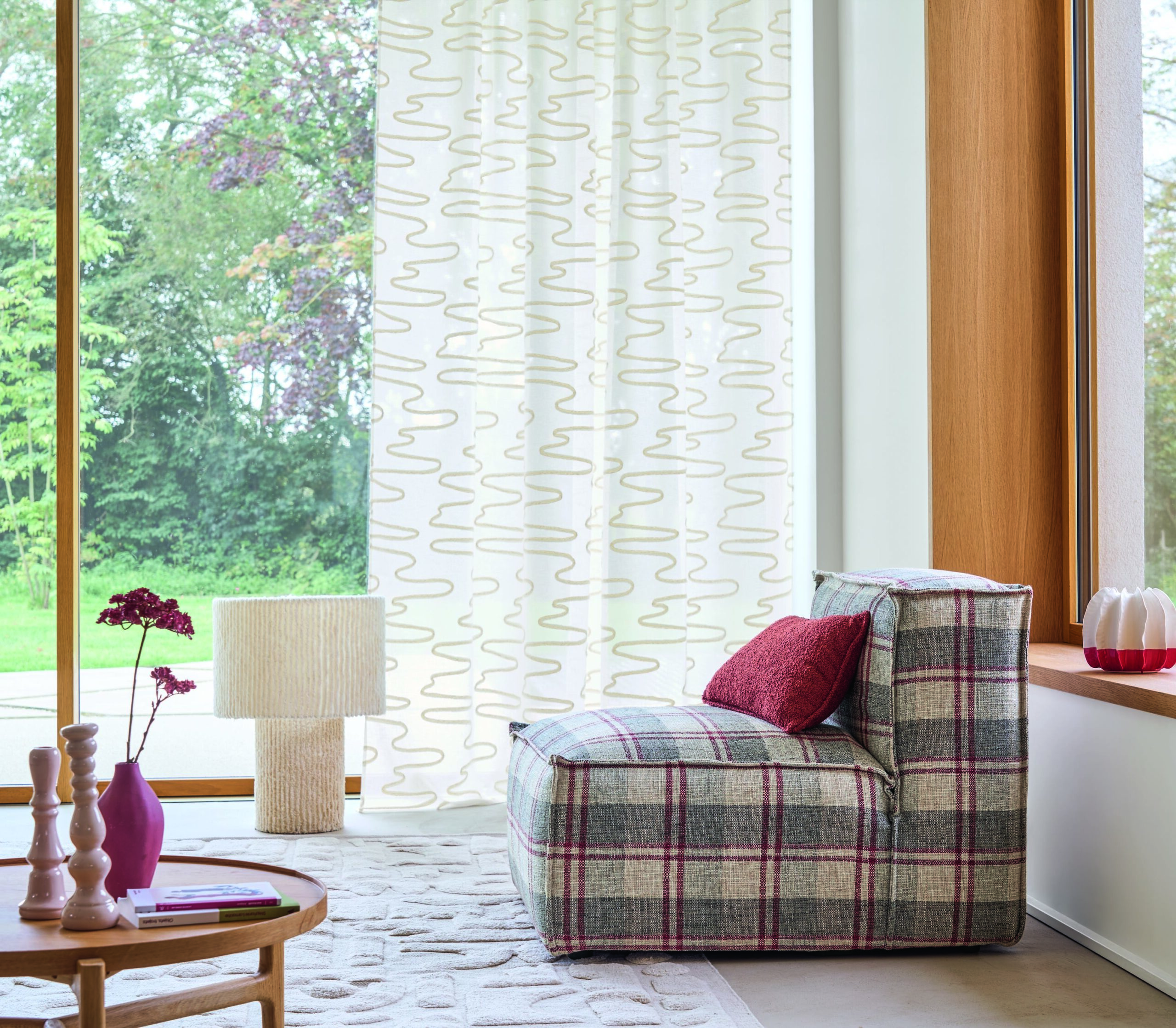
Curtains: Window treatments should control glare on screens without blocking all natural light. Dimout curtains in colours that coordinate with your wallpaper provide adjustable light control while maintaining visual harmony.
Lighting: Task lighting at the desk is essential. A good desk lamp with adjustable brightness and colour temperature reduces eye strain during evening study sessions. Ambient lighting should be warm and even, avoiding harsh fluorescent sources.
Desk placement: Position the desk facing a wall rather than a window to minimise distractions from outside. If your feature wallpaper is behind the desk, keep it subdued — the wall you face while working should be the calmest surface in the room.
Getting Started
The study room may be one of the smaller rooms in your home, but its design has a disproportionate impact on daily productivity and your children’s study habits. Choosing the right wallpaper is one of the simplest and most effective ways to shape this environment for success.
Start by identifying the primary user and function of the room. Then select a colour palette that supports focus, choose a pattern scale appropriate for the room size and decide between a feature wall or full-room application. With these decisions made, the rest of the room’s design falls into place naturally.
Explore wallpaper options for your study room by visiting our showroom. Request free samples from our Singapore showroom to see how different colours and textures look under your own study room lighting.