Interior Design
PVC & SPC Wall Panels in Singapore: Waterproof Wall Options
Rigid wall panels have become a popular way to finish wet areas and feature walls quickly, and a PVC wall panel is often the first option homeowners in Singapore encounter. Alongside SPC (stone plastic composite) panels, these sheet products promise a waterproof, low-maintenance surface that installs faster than traditional tiling — a real advantage in humid conditions and tight renovation timelines.
This guide explains what PVC and SPC wall panels are, where they suit, and how they compare to tiles and laminate, so you can decide whether rigid panels or a decorative wallcovering is the right finish for your space.
Note: confirm supply scope with Goodrich Global — this guide covers rigid PVC and SPC wall panels for comparison; Goodrich’s core wall range is wallcovering and decorative panels.
What PVC & SPC Wall Panels Are
PVC wall panels are sheets or planks made from polyvinyl chloride, usually with a hollow, ribbed or foamed core to keep them light. The surface carries a printed decorative layer — plain colours, marble effects, wood grain or textured finishes — sealed under a protective film. Because PVC is a plastic, the panels are inherently water-resistant and do not absorb moisture.
SPC wall panels use a denser stone plastic composite core, the same base material found in SPC click flooring. The core blends limestone powder with PVC and stabilisers to produce a rigid, dimensionally stable board that resists warping and impact better than hollow PVC. SPC panels typically carry a printed decor layer and a wear layer on top.
Both are marketed as waterproof cladding, but they differ in feel and strength. PVC is lighter and more economical; SPC is heavier, more solid underfoot when tapped, and generally more resistant to dents and temperature movement.
Where They Suit: Wet Areas, Feature Walls and Quick Renovations
Rigid waterproof panels earn their place in situations where speed, moisture resistance or a dry installation matter more than the depth of a natural material.
- Wet and humid areas: Bathrooms, shower surrounds, wet kitchens and laundry zones benefit from a non-absorbent surface. Panels shed water and resist the mould that can gather in tile grout lines.
- Feature and accent walls: A single wall in a living room, bedroom or retail unit can be clad in a marble-effect or fluted panel to create a focal point without a full renovation.
- Quick renovations: Panels can often be fixed over an existing sound wall, reducing hacking, dust and downtime — useful for tenanted units or short reno windows.
- Ceilings and pillars: Lightweight PVC panels are sometimes used on ceilings and box-ups where tiling would be impractical.
They are less suited to walls where a designer wants genuine texture, acoustic softness or a premium tactile finish — areas where wallcovering or decorative panelling usually reads better.
PVC vs SPC vs Tiles vs Laminate
Each of these wall finishes solves a slightly different problem. The table below compares them on the factors that matter most in Singapore homes and commercial fit-outs.
| Feature | PVC Panel | SPC Panel | Ceramic Tiles | Laminate |
|---|---|---|---|---|
| Water resistance | Excellent | Excellent | Excellent (grout is the weak point) | Moderate (edges vulnerable) |
| Rigidity / feel | Light, hollow | Dense, solid | Hard, rigid | Rigid when bonded |
| Installation speed | Fast, dry fix | Fast, dry fix | Slow, wet trade | Moderate |
| Grout lines | None | None | Many | Minimal |
| Impact resistance | Lower | Higher | High (can chip) | Moderate |
| Typical cost | Affordable | Mid-range | Mid to premium | Affordable to mid |
| Best use | Budget wet areas, ceilings | Durable wet areas, feature walls | Bathrooms, splashbacks | Dry cabinetry, joinery |
Tiles remain the benchmark for full wet-area durability but bring grout maintenance and a slower wet installation. Laminate excels on joinery and dry surfaces but is not intended for constant water exposure. PVC and SPC sit in between — fast, seamless and waterproof, with SPC offering the greater robustness of the two.
Waterproofing & Installation Basics
The waterproof performance of any panel system depends as much on the joints and substrate as on the board itself. A panel can be non-absorbent yet still allow water behind it if the perimeter and seams are not sealed.
- Sound substrate: Panels need a flat, dry and stable backing — a rendered wall, cement board or existing tiling in good condition. Uneven walls telegraph through thin panels.
- Fixing method: Depending on the product, panels are bonded with construction adhesive, mechanically fixed to battens, or clicked together. Follow the manufacturer’s recommended method.
- Sealed joints: Tongue-and-groove or overlapping edges reduce seams, but internal corners, floor junctions and penetrations should be sealed with a suitable silicone to keep water out of the cavity.
- Ventilation: In enclosed shower zones, adequate ventilation still matters to manage the humidity that Singapore’s climate produces year-round.
For full shower enclosures and heavy wet zones, confirm the product’s rating and the installer’s warranty. Some panel systems are rated for splash zones rather than continuous submersion or direct spray.
Look & Finish Options
Modern panels are printed digitally, so the range of looks is wide. Common finishes include:
- Stone and marble effects: High-gloss marble patterns are the most popular, giving a luxe look without natural stone’s cost or weight.
- Wood grain: Warm timber-look planks for feature walls and headboards, without the moisture concerns of real wood.
- Fluted and 3D textures: Vertical ribbed and slatted panels add shadow and depth, a current favourite for accent walls.
- Solid and matte colours: Clean, uniform finishes for minimalist and commercial interiors.
Gloss finishes amplify light in compact HDB and condo spaces but show fingerprints and surface scratches more readily. Matte and textured finishes hide marks better and feel more contemporary. Whichever you choose, the decorative layer is printed rather than solid, so deep scratches can expose the core.
When Wallcovering or Decorative Panels Fit Better
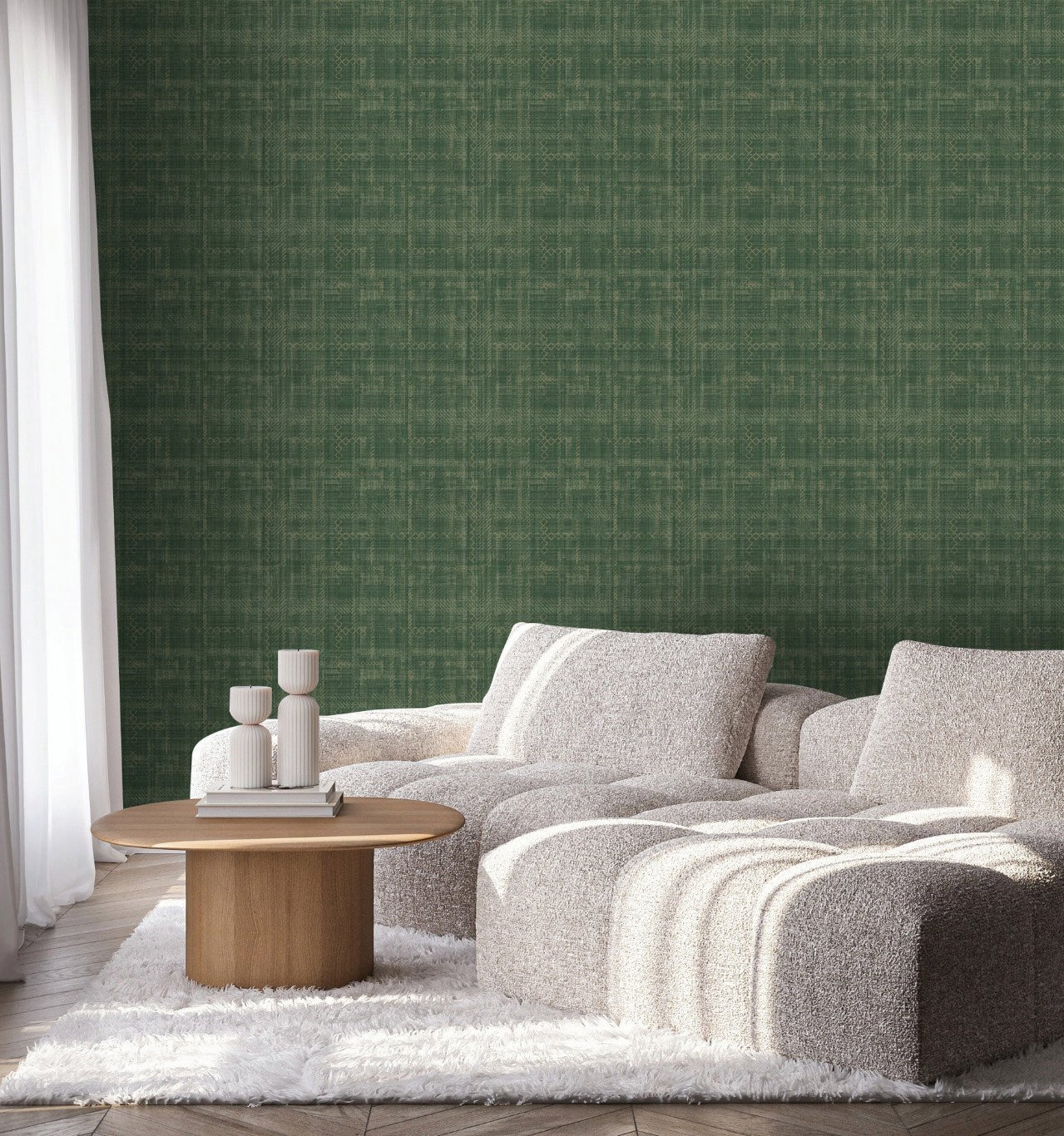
Rigid PVC and SPC panels are built for water, not for atmosphere. On dry decorative walls — living rooms, bedrooms, hospitality lobbies, offices and retail interiors — a wallcovering or a purpose-made decorative wall panel usually delivers a richer, more designed result.
Goodrich Global’s core wall range sits precisely here. Our wallcovering collections offer genuine texture, pattern depth and specification-grade durability that printed plastic panels cannot match, while our decorative panels bring dimensional, tactile feature walls to life. For a fuller comparison of rigid versus decorative wall finishes, see our guides to wall cladding options and decorative wall panels.
A practical rule of thumb: reach for waterproof PVC or SPC where water is constant, and reach for wallcovering or decorative panels where the wall’s job is to set the mood of the room.
Final Thoughts
PVC and SPC wall panels are a sensible, fast and waterproof answer for wet areas and quick renovations, with SPC offering the sturdier core of the two. Against tiles they trade some durability for speed and seamlessness; against laminate they offer far better water resistance. But for the many walls that never get wet, the finish that defines a space is usually a well-chosen wallcovering or decorative panel — where design, texture and longevity carry more weight than raw waterproofing.
Book an appointment with our consultants to explore Goodrich Global’s wallcovering and decorative wall panel range for your project.