Wallpaper & Wallcovering
Wallpaper for Hotel Rooms: Hospitality Design Guide
Wallpaper for hotel rooms does far more than decorate — it sets the mood, communicates brand identity, and must withstand the demands of high-occupancy hospitality environments. For hotel operators and interior designers in Singapore’s competitive hospitality market, selecting the right wallcovering is a strategic decision that affects guest satisfaction, maintenance costs, and long-term return on investment.
This guide covers the practical and aesthetic considerations that shape wallpaper selection for hotel interiors, from boutique properties in Kampong Glam to five-star resorts on Sentosa.
Why Hotels Choose Wallpaper Over Paint
Paint has its place in hospitality, but wallpaper offers several advantages that make it the preferred choice for guest rooms, corridors, and public areas in well-designed hotels.
First, wallpaper hides surface imperfections far more effectively than paint. Hotel walls endure constant contact from luggage, furniture, and guests. Minor dents and scuffs that would require repainting can be concealed beneath a well-chosen wallcovering.
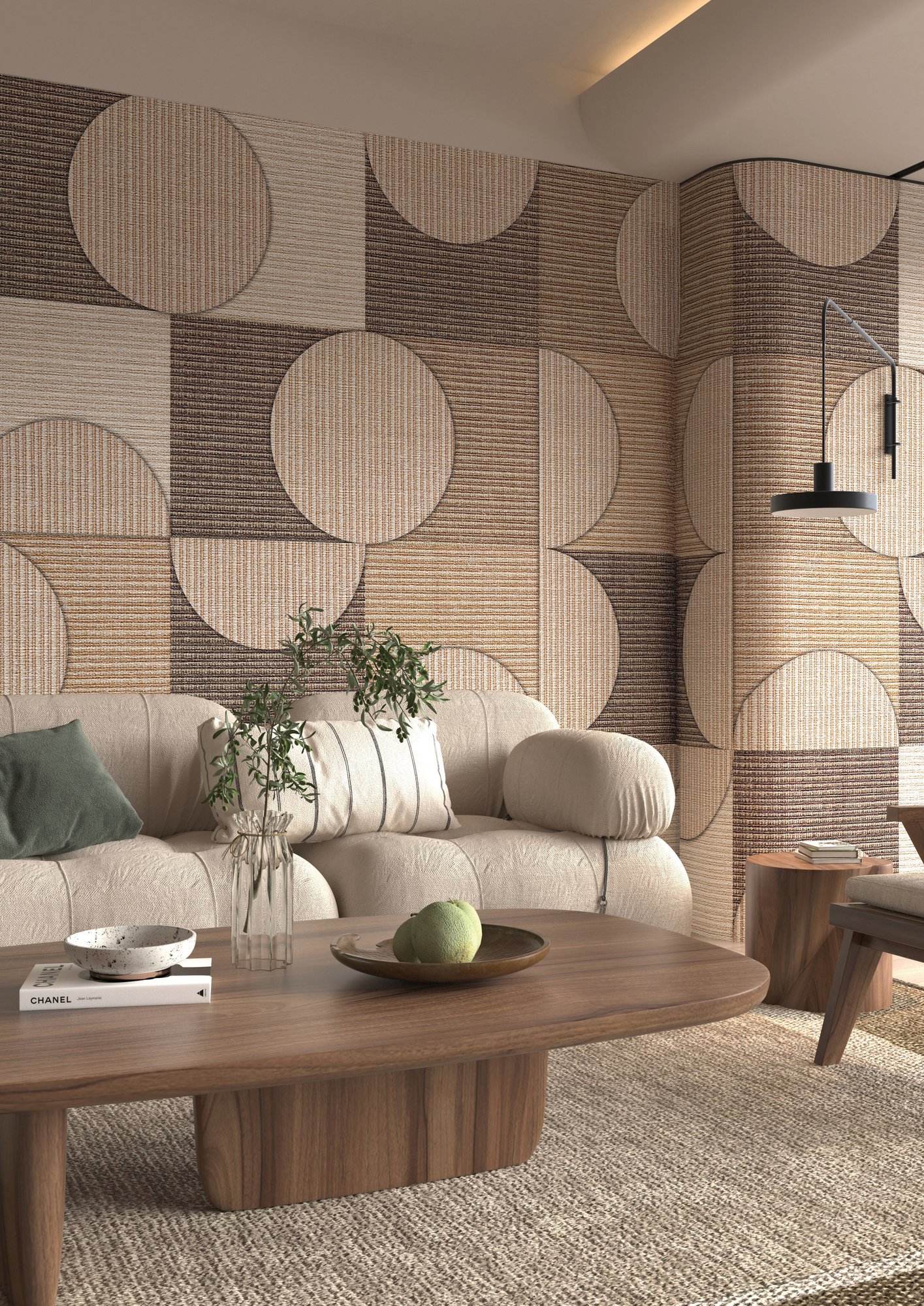
Second, wallpaper delivers texture, pattern, and visual complexity that paint simply cannot replicate. A single roll of wallpaper can introduce the warmth of linen, the depth of embossing, or the shimmer of metallic accents — elements that would require multiple paint techniques and significantly more labour to achieve.
Third, commercial-grade wallcoverings are engineered for durability. With proper selection, hotel wallpaper can maintain its appearance for seven to ten years, compared to paint that may need refreshing every two to three years in high-traffic rooms.
Performance Requirements for Hospitality Wallcoverings
Hotel wallpaper must meet performance standards that go well beyond residential applications. Understanding these requirements is essential for specifiers and procurement teams.
Fire Rating
All wallcoverings installed in Singapore hotels must comply with the Singapore Civil Defence Force (SCDF) fire safety requirements. Look for products that meet Class 0 or Class 1 fire ratings under BS 476, or that have been tested to ASTM E84 with a Class A rating. Commercial vinyl wallcoverings from reputable manufacturers typically carry these certifications.
Scrub Resistance
Hotel housekeeping teams clean walls regularly with disinfectants and cleaning agents. The wallcovering must withstand repeated scrubbing without colour fading or surface damage. Type II commercial wallcoverings, as defined by ASTM F793, are the minimum standard for hotel guest rooms, offering at least 100 Wyzenbeek abrasion cycles.
Mould and Moisture Resistance
Singapore’s tropical humidity makes mould resistance non-negotiable. Vinyl wallcoverings with antimicrobial treatments and breathable backings help prevent mould growth between the wallpaper and the wall substrate. Proper wall preparation and climate control further reduce risk.
Colorfastness
Guest rooms with large windows expose wallpaper to sustained sunlight. High-quality hospitality wallcoverings are rated for UV resistance to prevent fading, ensuring that the room closest to the pool looks as fresh as the one in the building’s interior.
Design Strategies for Different Hotel Zones
Each area of a hotel has distinct functional and aesthetic requirements. A one-size-fits-all approach to wallpaper selection will result in either underperformance or overspend.
Guest Rooms
The guest room is where wallpaper has the greatest emotional impact. Soft textures, muted patterns, and calming colour palettes support rest and relaxation. A feature wall behind the headboard is the most common placement, with complementary plain or lightly textured wallpaper on the remaining walls.
Neutral tones — warm greys, soft beiges, dusty blues — remain popular for their broad appeal across guest demographics. Boutique hotels may opt for bolder patterns to reinforce a distinctive brand personality.
Corridors and Hallways
Corridors experience heavy foot traffic and constant contact from luggage trolleys and housekeeping carts. Wall protection is critical here. Many hotel designers specify a combination of vinyl wallcovering on the upper wall and wall protection panels on the lower portion, creating a practical yet visually cohesive scheme.
Pattern selection for corridors should aid wayfinding. Directional patterns or gradual colour transitions can subtly guide guests toward their rooms, while overly busy patterns can cause disorientation, particularly in long, uniform hallways.
Lobby and Public Areas
The lobby sets the first impression. Statement wallpapers — large-scale murals, textured grasscloths, or custom-printed designs — are frequently used behind reception desks or on feature walls in lounge areas. These installations must be visually striking at a distance while standing up to close inspection.
Popular Wallpaper Styles in Singapore Hotels
Singapore’s hotel design scene draws from global trends while reflecting the city’s unique cultural and environmental context. Several wallpaper styles have proven particularly effective in local hospitality projects.
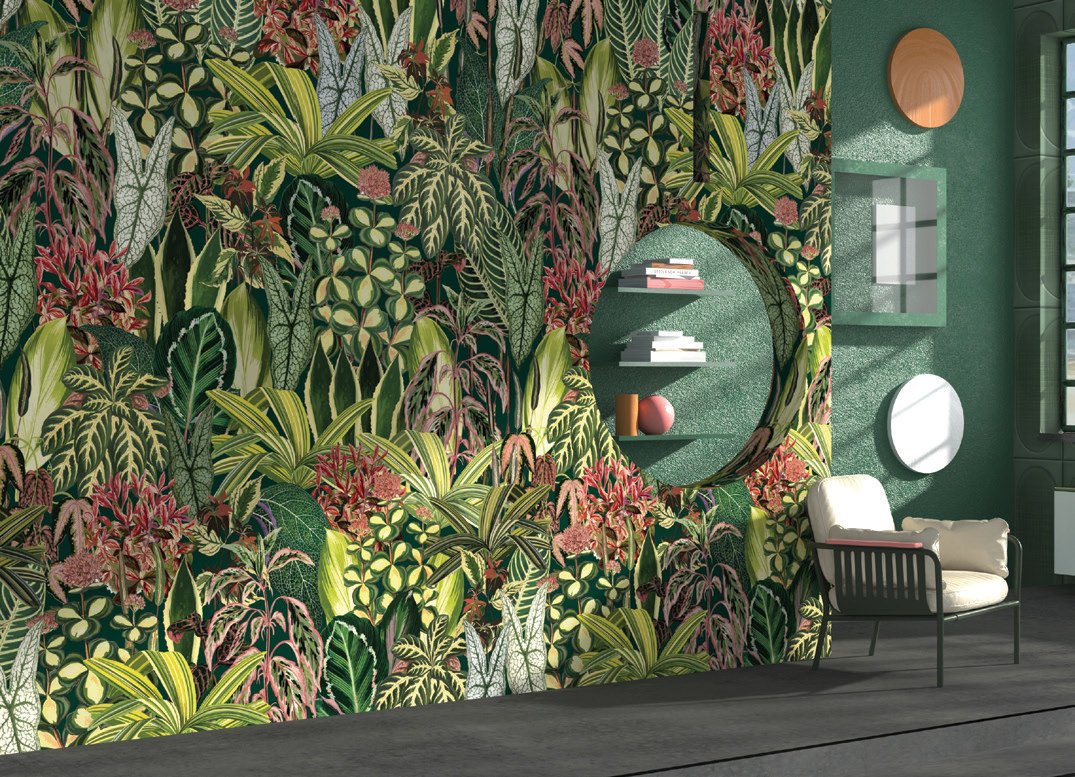
- Tropical botanical: Palm fronds, orchid motifs, and lush greenery echo Singapore’s garden city identity. These work especially well in resort-style properties and serviced apartments.
- Peranakan-inspired: Geometric tile patterns and rich colour palettes pay homage to Singapore’s Straits Chinese heritage. Boutique hotels in conservation shophouses often draw on these motifs.
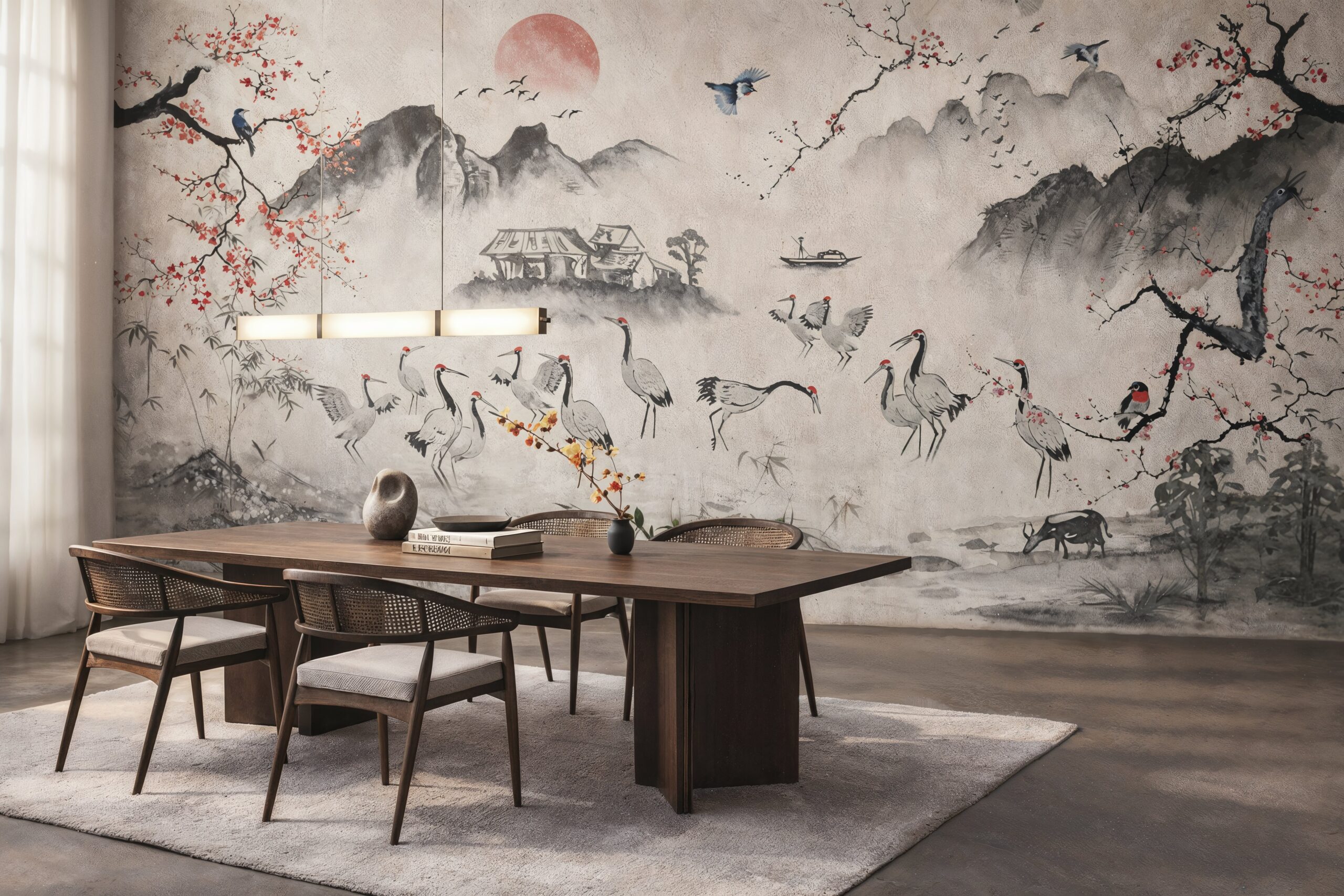
- Japanese minimalism: Clean lines, subtle textures, and muted palettes reflect the influence of Japanese design philosophy. As a subsidiary of Sangetsu, Goodrich Global offers an extensive range of Japanese wallcoverings particularly suited to this aesthetic.
- Industrial chic: Faux concrete, exposed brick, and weathered metal effects appeal to lifestyle hotels targeting younger travellers. These finishes deliver the industrial look without the structural complications of actual raw materials.
- Art deco revival: Geometric patterns with metallic accents are appearing in luxury hotels that want to evoke a sense of timeless glamour.
Specification and Procurement Considerations
Specifying wallpaper for a hotel project involves coordination between interior designers, contractors, and suppliers. Several practical factors influence the process.
Quantity and Lead Time
Hotel projects require significant wallpaper quantities, often hundreds of rolls for a single property. Ensure your supplier can fulfil the order from a single dye lot to maintain colour consistency across all rooms. Lead times for custom or imported wallcoverings can range from four to twelve weeks, so early specification is essential.
Sample Evaluation
Always evaluate wallpaper samples in situ — under the actual lighting conditions of the hotel room, against the planned furniture and soft furnishings. Colours and textures look markedly different under warm LED downlights compared to the cool fluorescents of a supplier’s showroom. Goodrich Global’s sample request service allows designers to evaluate materials in their intended environment before committing to a specification.
Installation Expertise
Commercial wallpaper installation demands skilled tradespeople familiar with hospitality specifications. Improper installation leads to peeling seams, pattern misalignment, and premature failure — all of which reflect poorly on the hotel and increase lifecycle costs.
Sustainability in Hospitality Wallcoverings
Sustainability is increasingly important in hotel design, driven by both environmental responsibility and guest expectations. Green building certifications such as BCA Green Mark, common in Singapore’s hotel sector, may award credits for responsibly sourced interior materials.
Look for wallcoverings with low VOC emissions, recycled content, and responsible manufacturing certifications. PVC-free options are available for projects that require the highest environmental standards. Goodrich Global’s wallpaper and wallcovering range includes products that meet multiple sustainability benchmarks without compromising on performance or aesthetics.
Final Thoughts
Selecting wallpaper for hotel rooms is a balance of aesthetics, performance, and practicality. The right wallcovering elevates the guest experience, reinforces brand identity, and delivers lasting value over years of daily use.
For hospitality projects in Singapore and across the region, working with a supplier that understands both the creative and technical demands of the sector is essential.
Book an appointment with our design consultants to discuss wallcovering solutions for your next hotel project.