Carpet & Flooring
Sintered Stone Flooring: The New Contender vs Luxury Vinyl
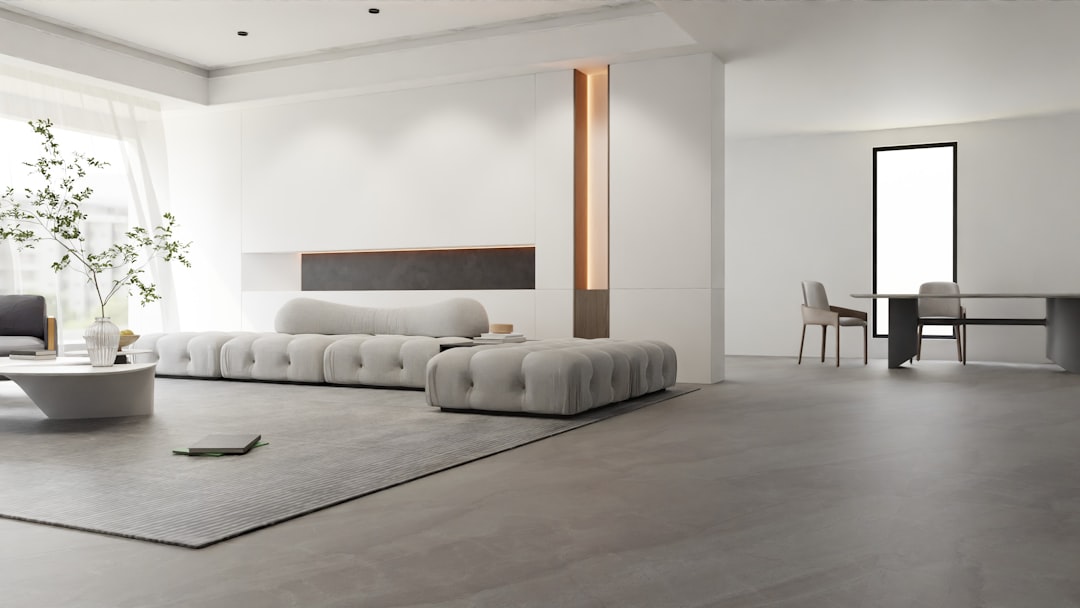
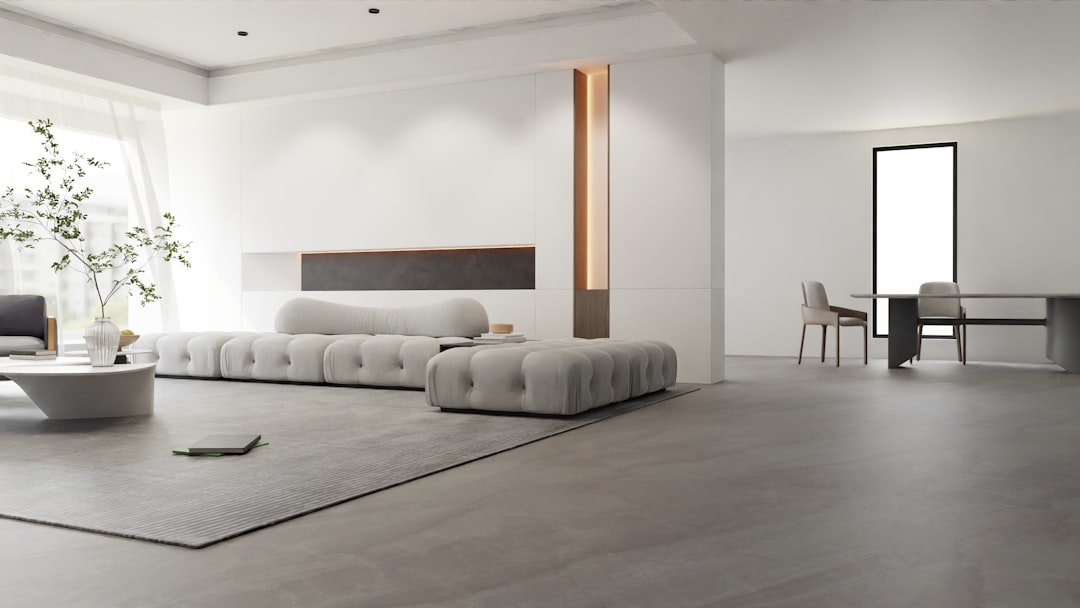
Sintered stone has moved fast. Five years ago it was a countertop material discussed mainly by kitchen designers; today Singapore showrooms pitch it for feature walls, facades and, increasingly, floors. The pitch is seductive — a slab that looks like marble, shrugs off heat and scratches, and comes in formats large enough to floor a living room with barely a joint line.
As with every material that migrates from worktops to floors, the story underfoot is more complicated than the brochure. This guide explains what sintered stone actually is, where it genuinely excels, what it demands in cost and comfort when used as flooring, and when a stone-look resilient floor delivers the same visual with far fewer compromises.
Goodrich Global does not supply sintered stone. Our range covers stone-look luxury vinyl that delivers the same large-format mineral aesthetic with warmth underfoot, quieter rooms and installation in days rather than weeks.
What Sintered Stone Actually Is
Sintered stone is an engineered ultra-compact surface. Mineral powders — the same clays, feldspars and silicas found in natural stone and porcelain — are compacted under enormous pressure, then fired at temperatures around 1,200°C. The process, called sintering, fuses the particles into a dense, near-zero-porosity slab without resins or bonding agents.
The result sits at the extreme end of the hard-surface spectrum. Slabs come in very large formats, commonly around 1.6m by 3.2m, and in remarkably thin profiles — 3mm to 12mm is typical, versus 18–20mm for natural stone. Surface decoration is printed and fired in, which is how manufacturers achieve convincing marble veining, concrete textures and terrazzo patterns with consistency no quarry can match. It is closely related to porcelain; sintered stone is essentially porcelain technology pushed to larger formats, higher densities and thinner bodies.
The Genuine Strengths
On paper, sintered stone reads like the perfect surface. It is extremely scratch resistant — harder than granite in most formulations — so grit, pet claws and dragged furniture leave little trace. It is unaffected by heat, so a dropped iron or hot pan does no damage, and it is UV stable, which makes it one of the few decorative surfaces that will not fade on a west-facing balcony or in a sun-drenched living room.
Near-zero porosity means it never needs sealing and will not stain from wine, oil or curry — a real advantage over marble and granite in a Singapore kitchen. And the large formats are transformative visually: a floor laid in 1.6m panels has a monolithic, gallery-like quality, with grout lines reduced to fine shadow gaps. For wet areas, textured finishes achieve respectable slip ratings, and because the decoration is manufactured rather than quarried, every panel in an order matches — no colour lot lottery, no hunting for a slab with acceptable veining.
The Honest Realities on Floors
The difficulties begin the moment sintered stone leaves the wall and meets your feet. It is among the hardest, coldest surfaces you can walk on — noticeably harder than porcelain tile — and in an air-conditioned Singapore home it stays cold. Standing on it for long cooking sessions is tiring, dropped glasses and crockery rarely survive, and a toddler’s fall lands harder than on any resilient floor. Acoustically it is unforgiving: footsteps, chairs and voices reflect sharply, and in condominiums the impact noise transmitted to units below can breach house rules without an acoustic underlay, which adds cost and negates some of the thin-profile advantage.
Installation is specialist work. The slabs’ hardness makes them difficult to cut and drill; fabricators need diamond tooling and experience, and on-site modifications are slow and risky. Large thin panels are also fragile in handling — the material’s weakness is impact on edges and corners, where chips are hard to repair invisibly. A chipped sintered floor panel usually means replacing the whole panel, and cutting one out of a bonded floor is a serious job.
Then there is cost. Supply pricing in Singapore commonly runs S$15–S$30 per square foot for flooring-grade slabs, with installation adding S$8–S$15 depending on format and substrate preparation — comfortably above good porcelain, and several multiples of resilient flooring. For most HDB and condo renovations, flooring an entire home in sintered stone is a five-figure line item before wet works.
Sintered Stone vs Porcelain vs Stone-Look Vinyl
| Factor | Sintered stone | Porcelain tile | Stone-look luxury vinyl |
|---|---|---|---|
| Installed cost (S$ per sq ft) | S$23–S$45 | S$10–S$18 | S$5–S$10 |
| Scratch and heat resistance | Exceptional | Very good | Good (0.3–0.55mm wear layer) |
| Comfort underfoot | Hard and cold | Hard and cold | Warm, slightly cushioned |
| Acoustics | Loud, reflective | Loud, reflective | Quiet, absorbs impact sound |
| Installation | Specialist, wet works, weeks | Wet works, weeks | Dry lay or glue-down, days |
| Damage repair | Full panel replacement, difficult | Tile replacement, moderate | Single plank or tile swap, easy |
| Maximum format | Approx. 1.6m x 3.2m | Commonly up to 1.2m x 2.4m | Large tiles approx. 0.9m x 0.5m and planks |
Where Each Option Makes Sense
Sintered stone earns its premium where its unique properties are actually needed: kitchen worktops and backsplashes, outdoor and balcony surfaces in direct sun, facade cladding, and statement feature walls. On floors, it suits low-traffic showpiece spaces in landed homes where budget is secondary and the monolithic large-format look is the entire point. Porcelain remains the sensible middle ground for bathrooms and wet kitchens, where a fully waterproof hard surface is non-negotiable and standard tile formats keep fabrication simple.
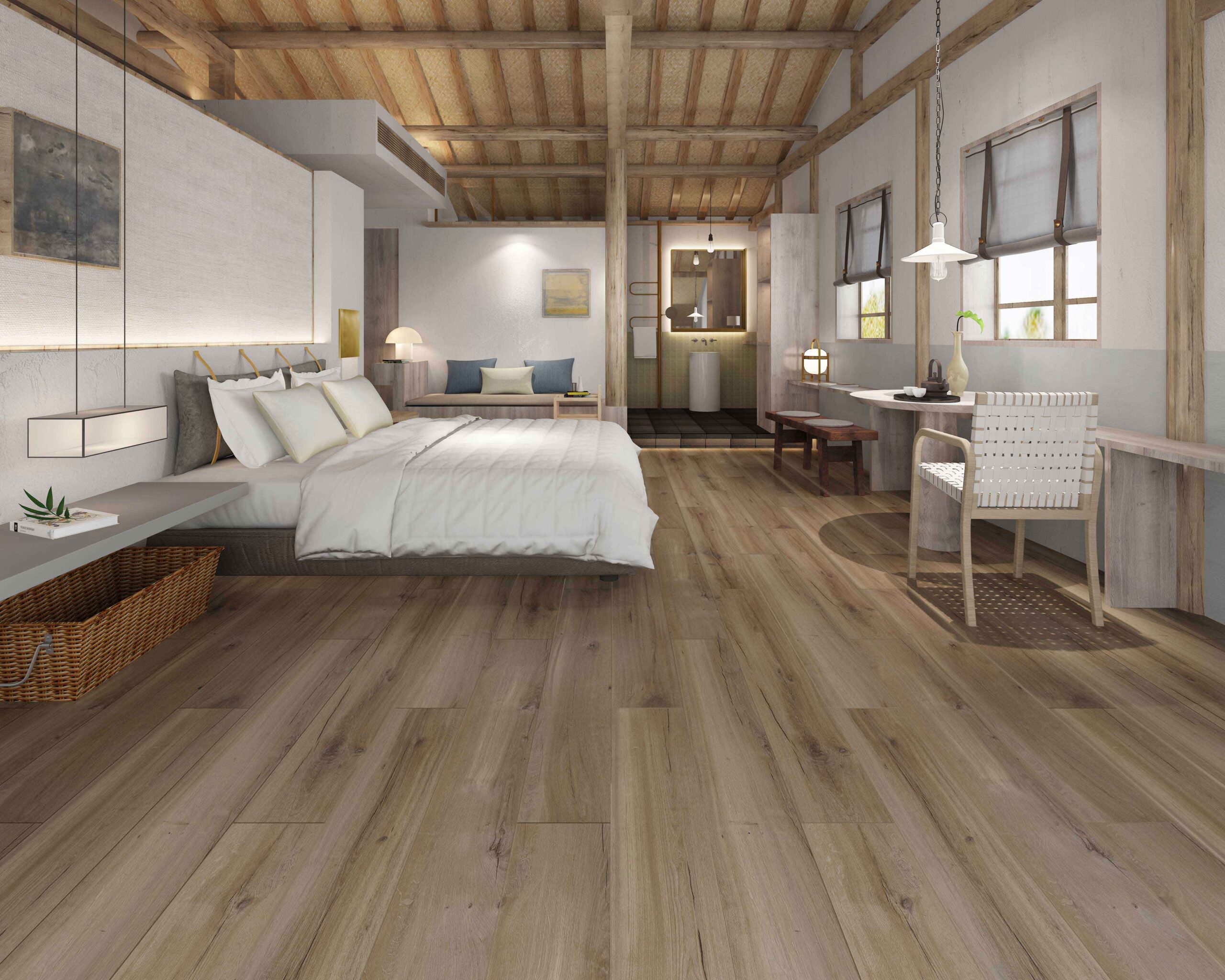
For everyday living areas and bedrooms in HDB flats and condos, the calculus favours resilient flooring. Modern stone-look luxury vinyl reproduces the same marble, concrete and terrazzo visuals from high-resolution slab scans, and large-format vinyl tiles with fine bevels get convincingly close to the seamless aesthetic — our large-format vinyl tiles guide covers the formats available. The floor is warm to bare feet under air-conditioning, quiet enough for condo living without acoustic underlays, and forgiving of dropped mugs and toddler falls. Installation takes days without hacking, and a damaged tile is swapped individually in minutes. The stone-look vinyl flooring guide walks through the specific visuals, and the full flooring range includes coordinating plank formats for bedrooms.
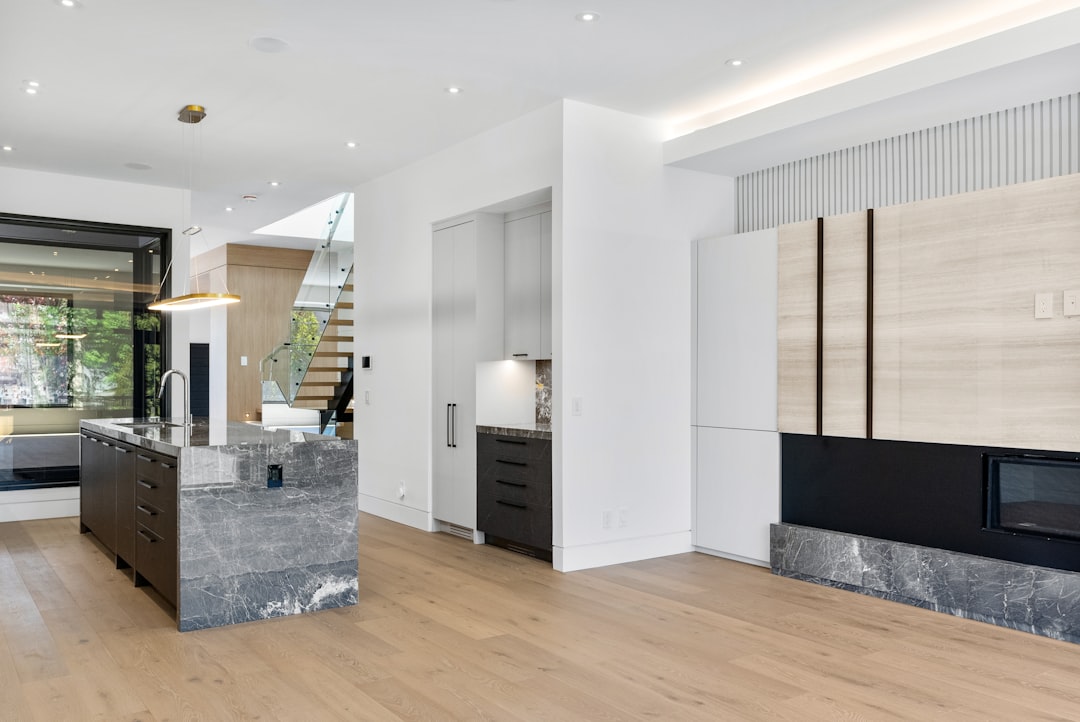
A pragmatic pattern is emerging in Singapore projects: sintered stone on the kitchen island and feature wall, stone-look vinyl across the floor. The visuals coordinate, the budget stays rational, and each material does the job it is genuinely best at.
Final Thoughts
Sintered stone is a real advance in surface engineering, and its scratch, heat and UV performance is unmatched. But flooring asks different questions — comfort, acoustics, repairability, installed cost — and on those questions it inherits all of hard flooring’s drawbacks at a premium price. If what draws you to sintered stone flooring is the large-format mineral look, stone-look luxury vinyl delivers that aesthetic with a fundamentally easier material to live with and to install.
Request a quotation for stone-look luxury vinyl and see how the large-format mineral aesthetic prices out for your whole home.