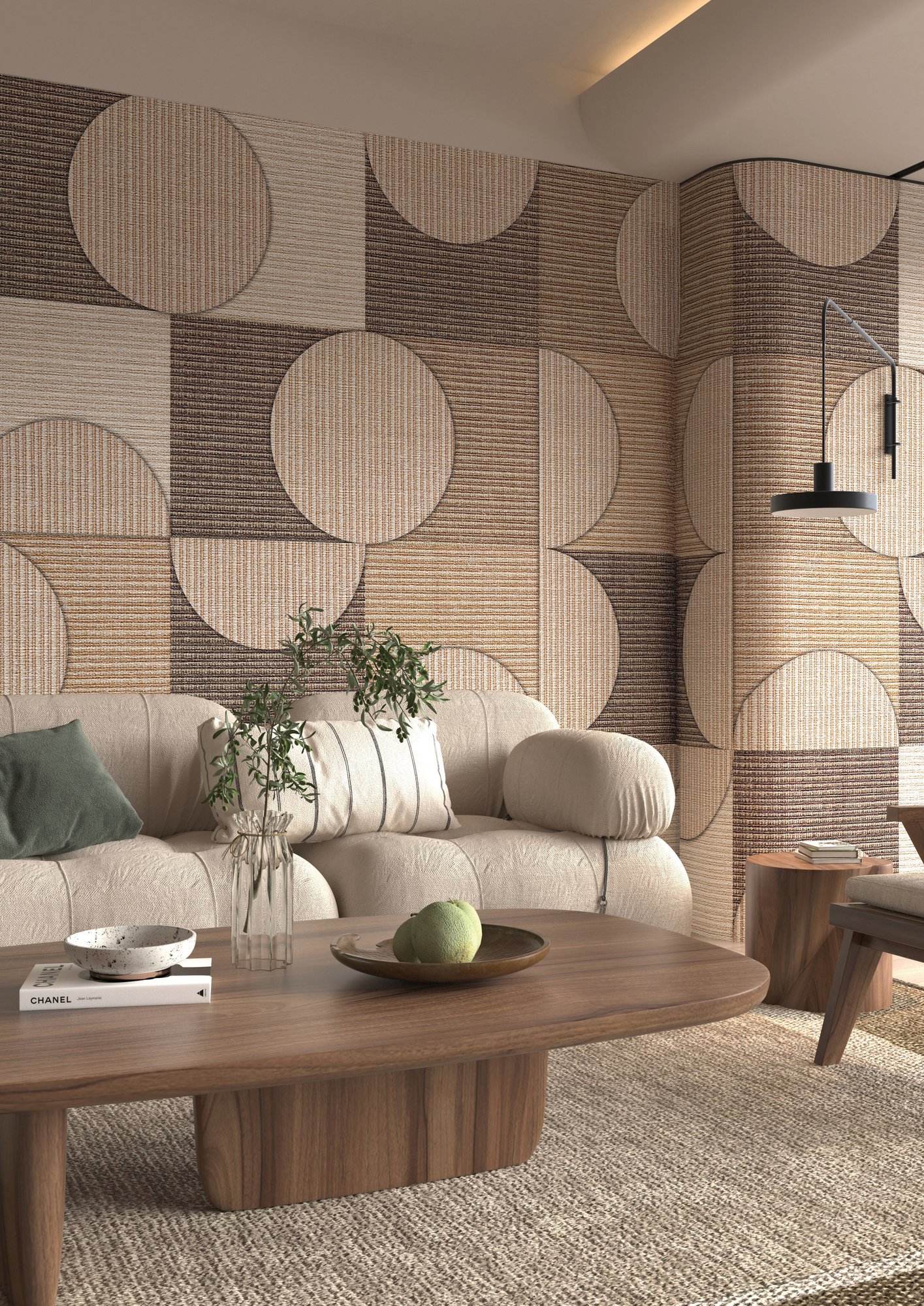
Wallpaper & Wallcovering
Textured Paint vs Wallpaper: Pros, Cons & Costs
The choice between textured paint vs wallpaper is one of the most common decisions Singapore homeowners face when finishing interior walls. Both options add visual interest and dimension beyond a standard flat-painted surface, but they achieve it in fundamentally different ways. Understanding the strengths, limitations and costs of each helps you make the right call for your home.
This guide provides a thorough, practical comparison to help you decide which wall finish best suits your space, style and budget.
Understanding Textured Paint
Textured paint creates a three-dimensional surface through the paint itself. This is achieved either through the paint’s formulation (which contains particles such as sand, aggregate or fibres) or through application techniques (sponging, stippling, combing, rag-rolling or trowelling).
Common Textured Paint Finishes
- Knockdown texture: A popular finish that creates a subtly mottled, stucco-like surface. It hides wall imperfections effectively.
- Sand texture: Fine aggregate mixed into the paint produces a gritty, tactile surface with a rustic feel.
- Venetian plaster: Multiple layers of tinted plaster are trowelled and burnished to create a polished, marble-like finish with depth and movement.
- Skim coat texture: A thin layer of joint compound applied in random patterns creates a subtle, organic texture.
- Sponge or rag effect: Application with a sponge or rag creates a soft, dappled effect with colour variation.
Understanding Wallpaper
Modern wallpaper encompasses a vast range of materials and designs, from flat printed papers to deeply embossed vinyls, natural grasscloth and fabric-backed wallcoverings. Today’s wallpaper is a far cry from the difficult-to-hang, difficult-to-remove products of the past.
Common Wallpaper Types
- Non-woven: The most popular choice for residential use. Easy to hang (paste the wall, not the paper), dimensionally stable and straightforward to remove.
- Vinyl: Durable, moisture-resistant and easy to clean. Ideal for kitchens, bathrooms and high-traffic areas.
- Textured and embossed: Wallpapers with raised surfaces that replicate brick, stone, fabric and plaster textures.
- Natural fibre: Grasscloth, jute and sisal wallcoverings offer organic, handcrafted texture.
- Fabric-backed: Commercial-grade wallcoverings with fabric backing for added durability.
Explore the full range of wallpaper and wallcovering options to appreciate the diversity available today.
Head-to-Head Comparison
| Factor | Textured Paint | Wallpaper |
|---|---|---|
| Design variety | Limited to texture and colour | Virtually unlimited patterns, colours and textures |
| Ease of application | Moderate (technique-dependent) | Moderate (professional recommended) |
| Hiding wall imperfections | Good | Good to excellent (thicker types) |
| Durability | Moderate (can chip or flake) | High (quality vinyl and non-woven) |
| Maintenance | Difficult to clean textured surfaces | Easy to wipe clean (vinyl types) |
| Moisture resistance | Varies by product | Excellent (vinyl wallpaper) |
| Removal/change | Laborious (sanding, skimming) | Straightforward (peel-off non-woven) |
| Cost (materials) | Low to moderate | Low to high (varies greatly) |
| Cost (professional labour) | Moderate to high (specialist finishes) | Moderate |
Design Flexibility
This is where wallpaper has a decisive advantage. Textured paint is limited to variations in texture and single-colour application. You can create attractive surfaces, but you cannot achieve florals, geometrics, scenic designs, stripes, damasks or any other pattern through paint texture alone.
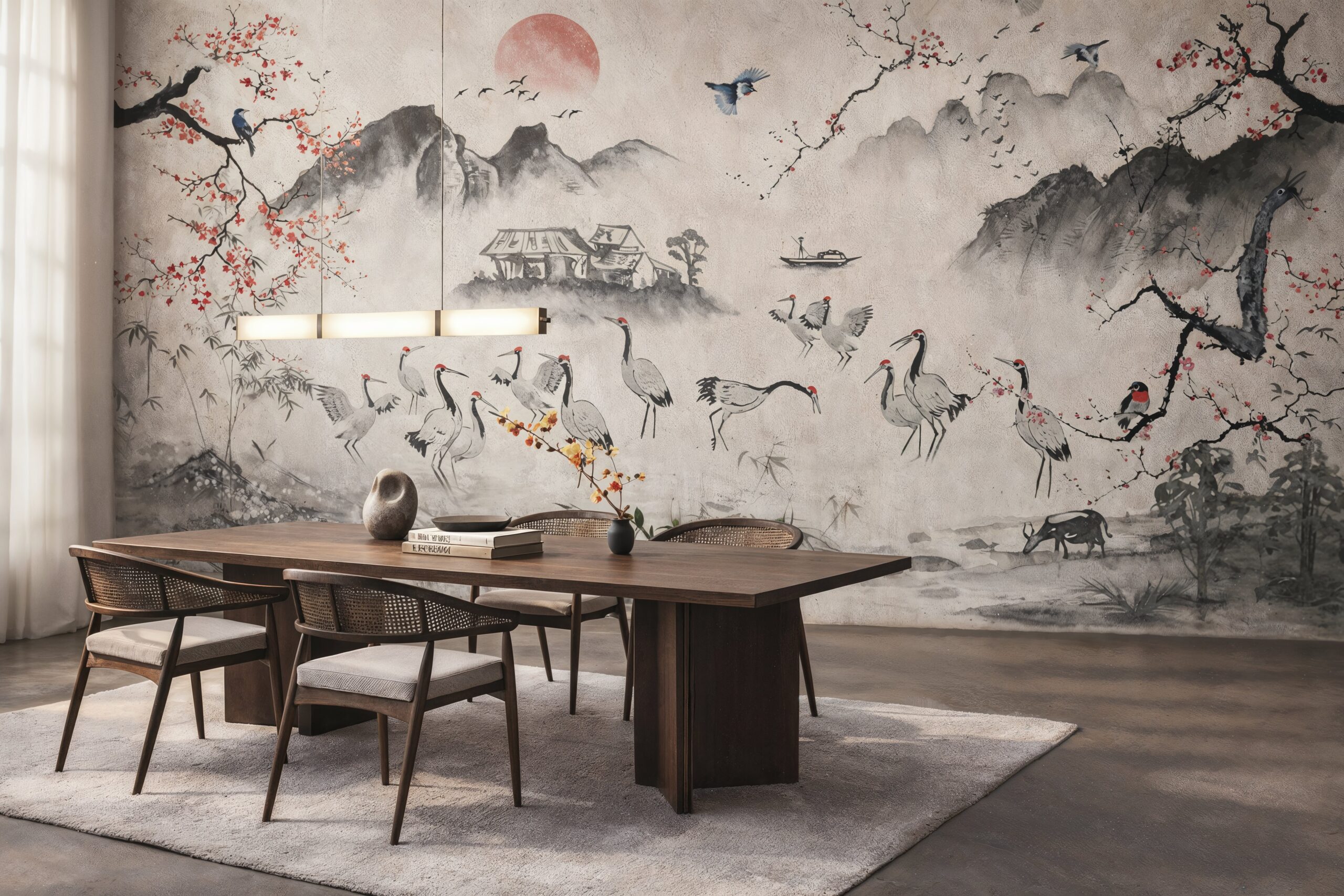
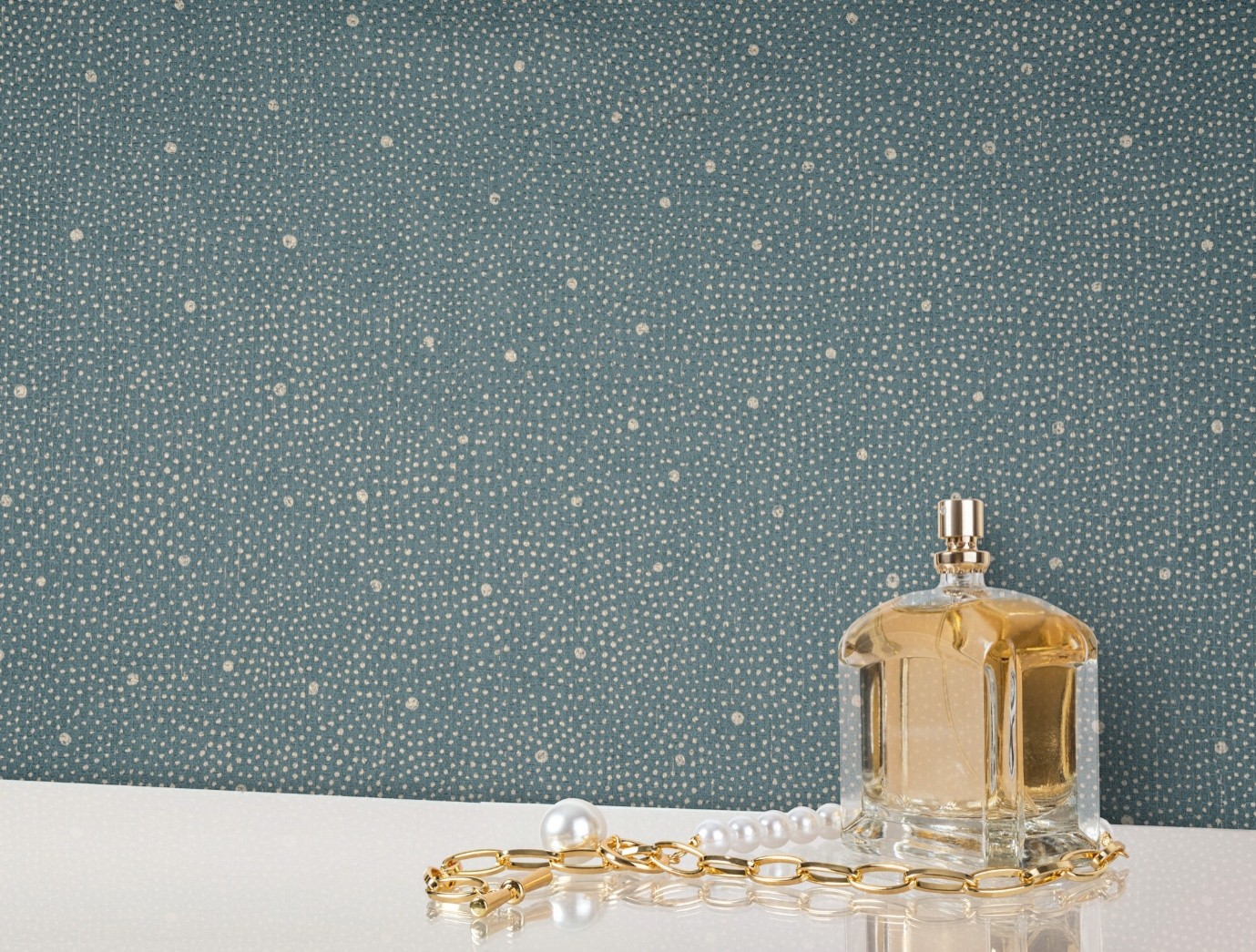
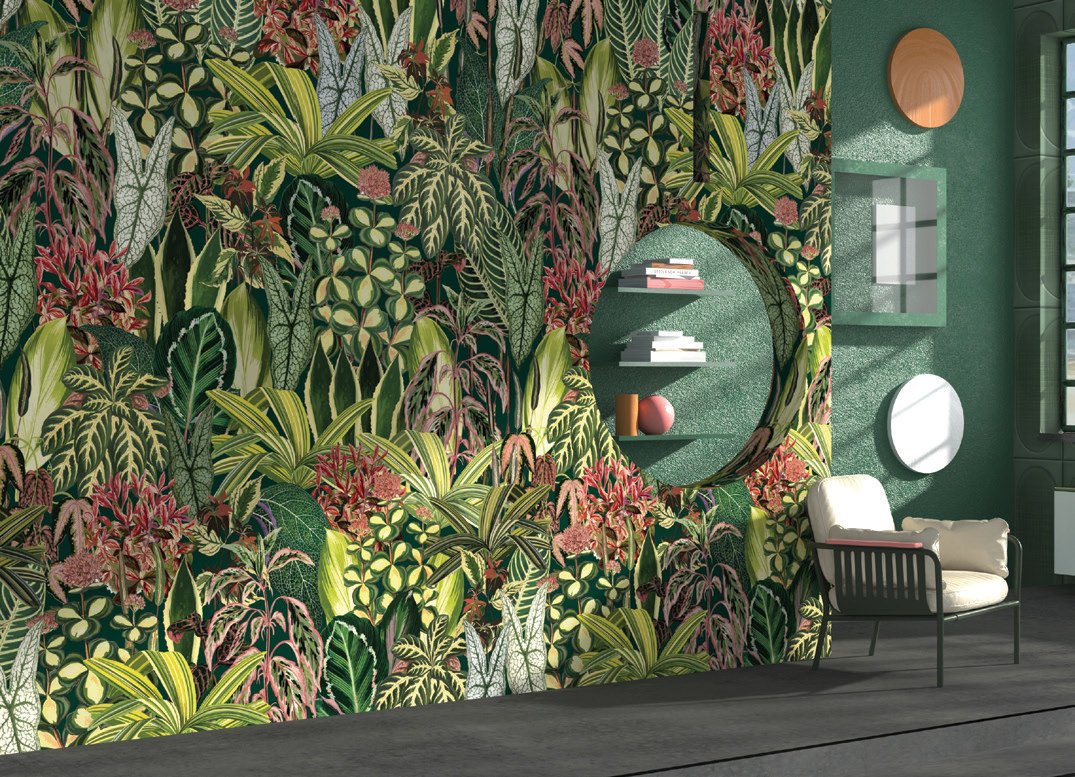
Wallpaper offers thousands of designs — from subtle textures that mimic the effect of textured paint to bold graphic patterns, photographic murals and intricate hand-drawn illustrations. If design variety matters to you, wallpaper provides incomparably more options.
Durability and Maintenance
Textured paint surfaces attract and trap dust more readily than smooth walls, and cleaning them without damaging the texture can be challenging. Repairing localised damage (scuffs, chips, scratches) often requires retexturing and repainting the entire wall to maintain a consistent appearance.
Quality vinyl wallpaper, by contrast, can be wiped clean with a damp cloth. It resists scuffs, fingerprints and everyday wear. If a section is damaged, a skilled installer can patch it or replace a panel without redoing the entire wall.
Cost Comparison
At the basic level, textured paint is typically less expensive than wallpaper. A sand-textured or knockdown finish using standard products costs less per square metre than even entry-level wallpaper when you factor in both material and labour.
However, premium textured finishes like Venetian plaster can be as expensive as — or more expensive than — quality wallpaper. Venetian plaster requires a skilled artisan and multiple coats, with labour forming the bulk of the cost.
Wallpaper costs span a wide range. Affordable non-woven prints are competitive with basic textured paint on a per-square-metre basis. Premium imported wallcoverings, natural grasscloth and designer prints sit at the upper end. The value proposition depends entirely on the specific products being compared.
Suitability for Singapore Conditions
Singapore’s high humidity affects both options. Textured paint can absorb moisture and become a breeding ground for mould if the wall behind is damp. Proper wall preparation and mould-resistant primers are essential.
Vinyl and non-woven wallpapers perform well in humidity. Vinyl wallpaper is particularly resistant to moisture and mould, making it suitable for kitchens, bathrooms and other humid zones. Non-woven wallpaper is breathable, which helps prevent moisture entrapment behind the wallcovering.
Which Should You Choose?
Choose textured paint if: You want a subtle, organic texture without pattern, prefer a single-colour finish, are working to a tight budget, or want to hide minor wall imperfections without wallpapering.
Choose wallpaper if: You want pattern, colour variety and design impact, prefer a finish that is easier to clean and maintain, plan to update the look in future (wallpaper is easier to change), or want a premium, polished finish with less dependence on artisan skill.
Many homeowners combine both: textured paint on secondary walls with wallpaper on the feature wall. This layered approach creates visual depth and keeps costs manageable while delivering maximum design impact where it counts. Browse the residential wallcovering range for feature wall inspiration.
Final Thoughts
Both textured paint and wallpaper have legitimate roles in interior design. The best choice depends on your priorities — whether you value design variety, ease of maintenance, budget constraints or long-term flexibility. For most Singapore homes, wallpaper offers the wider range of possibilities and the more practical long-term performance.
Request free samples from our Singapore showroom. Order your samples to compare wallpaper textures and finishes in your own space before committing.