Wallpaper & Wallcovering
Wallpaper for Clinic Waiting Rooms: Calm Design Ideas
Wallpaper for clinic waiting room spaces plays a more significant role than many practice owners realise. The waiting room is where patients form their first impression of the clinic, and for many, it is where anxiety about a medical visit is at its peak. Thoughtful wall design can measurably reduce patient stress, reinforce professionalism, and create an environment that communicates care before the consultation even begins.
This guide explores wallpaper selection for medical and dental clinics in Singapore, covering design principles, practical requirements, and material specifications that meet the unique demands of healthcare environments.
The Psychology of Waiting Room Design
Research in healthcare design consistently demonstrates that the physical environment affects patient wellbeing. Colour, pattern, and texture all influence stress levels, perceived wait times, and overall satisfaction with the healthcare experience.
Sterile, bare white walls, while clinically clean in appearance, can feel cold and institutional. They do nothing to ease patient anxiety. Conversely, overly bold or visually complex designs can feel stimulating or chaotic, which is equally unwelcome in a medical setting.
The ideal waiting room strikes a balance: professional and clean, yet warm and calming. Wallpaper is one of the most effective tools for achieving this balance, adding visual warmth and character without compromising the perception of cleanliness and hygiene.
Colour Selection for Medical Environments
Colour is the most powerful lever in waiting room wallpaper design. The right palette actively supports patient comfort, while the wrong one can heighten unease.
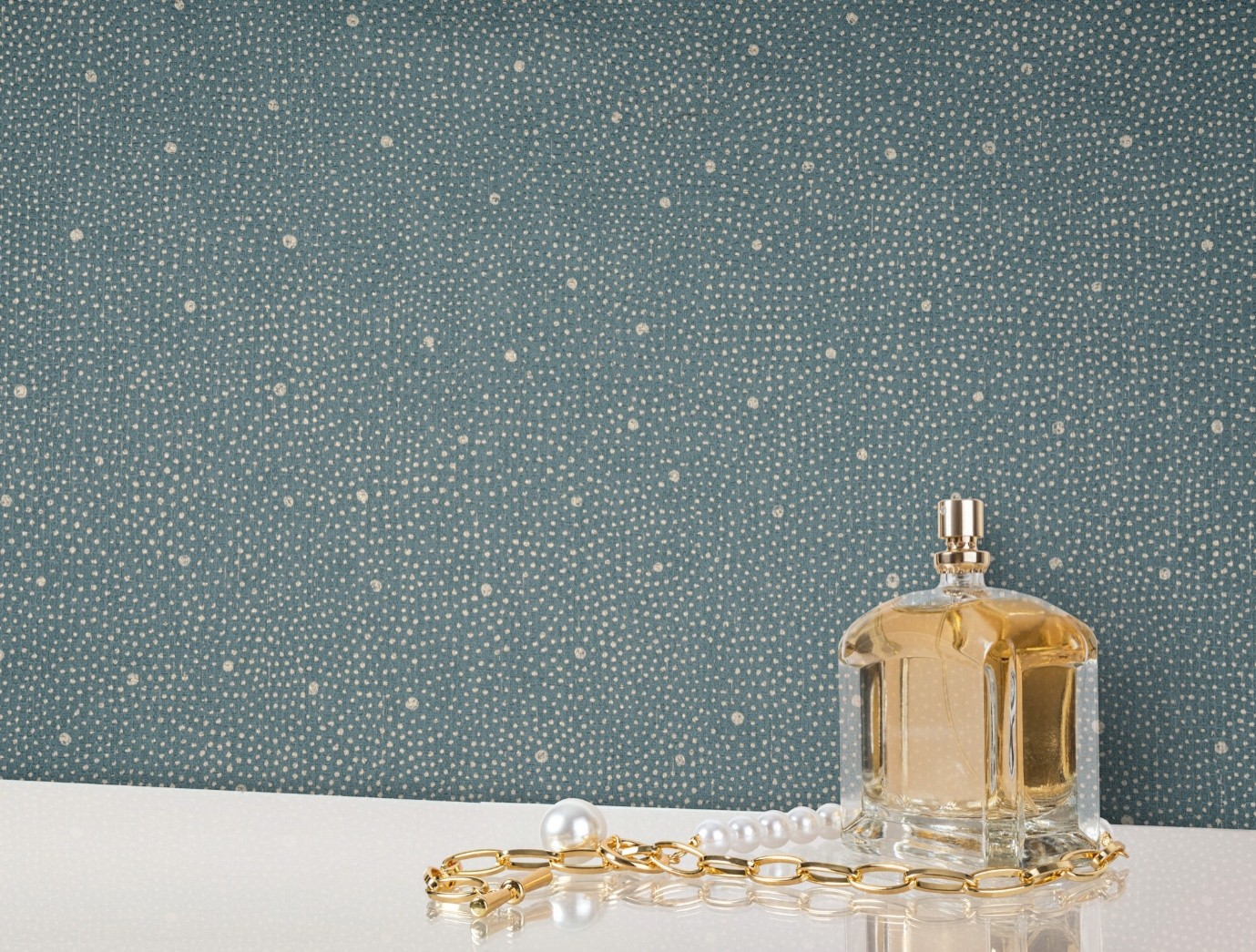
- Soft blues and blue-greens: These are the most universally calming colours in healthcare design. They evoke sky, water, and nature, and are associated with trust, competence, and tranquillity. Blue-green tones are particularly effective in Singapore clinics, subtly referencing the tropical natural environment.
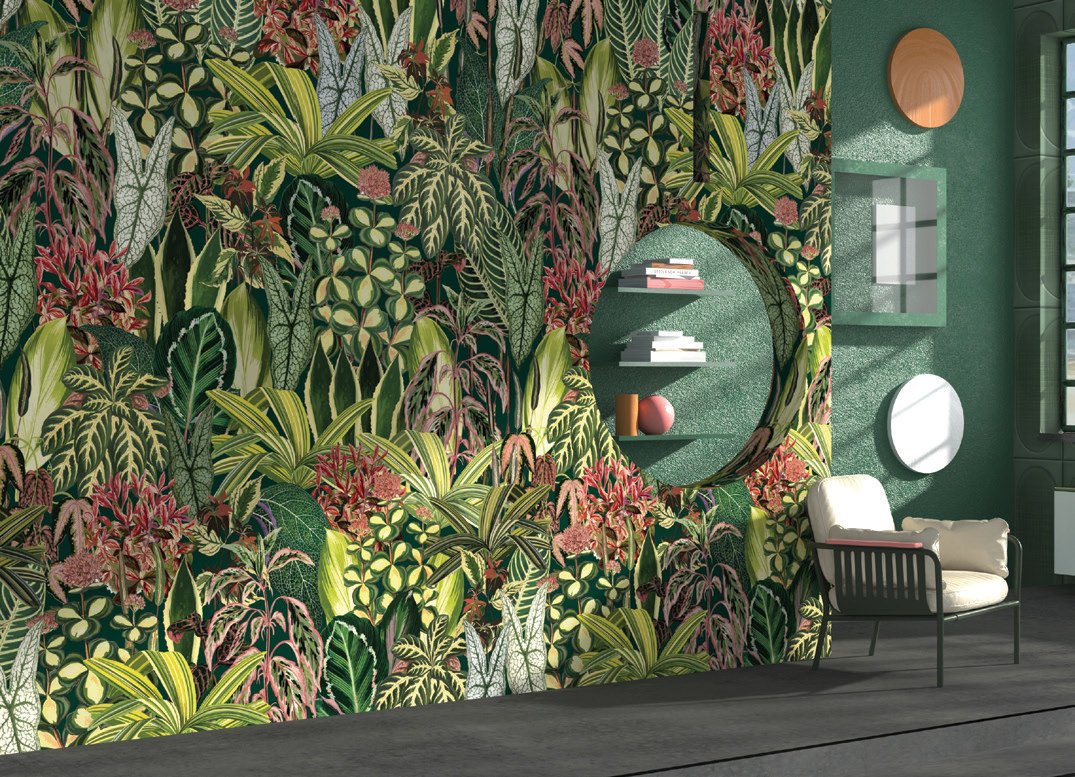
- Muted greens: Sage, eucalyptus, and soft olive tones connect to nature and promote a sense of balance and renewal. Green is associated with healing in many cultures and is well-suited to wellness-focused practices.
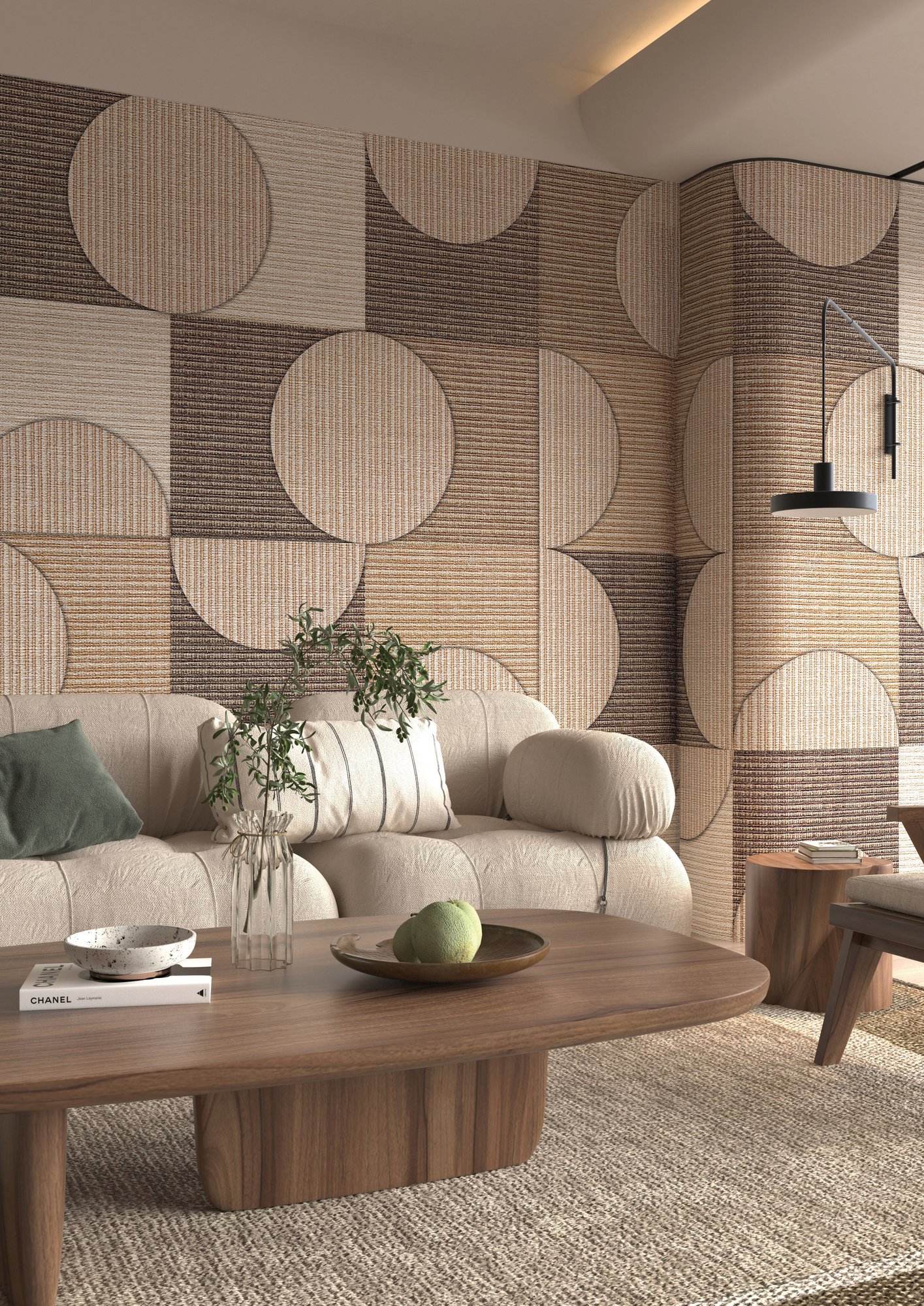
- Warm neutrals: Soft beige, warm grey, and gentle taupe create a welcoming, non-clinical atmosphere without the formality of cooler tones. These colours work well in general practice and dental clinics where a homely, approachable feel is desired.
- Soft pinks and blush tones: Appropriate for aesthetics clinics, dermatology practices, and women’s health clinics. These tones feel nurturing and gentle without being overly sweet.
Colours to avoid in clinic waiting rooms include bright reds (which can increase anxiety and are associated with emergency), stark white (institutional and cold), and very dark colours (which can feel oppressive in rooms where natural light may be limited).
Pattern Choices That Promote Calm
Pattern selection should reinforce the calming intent of the colour palette.
Nature-Inspired Motifs
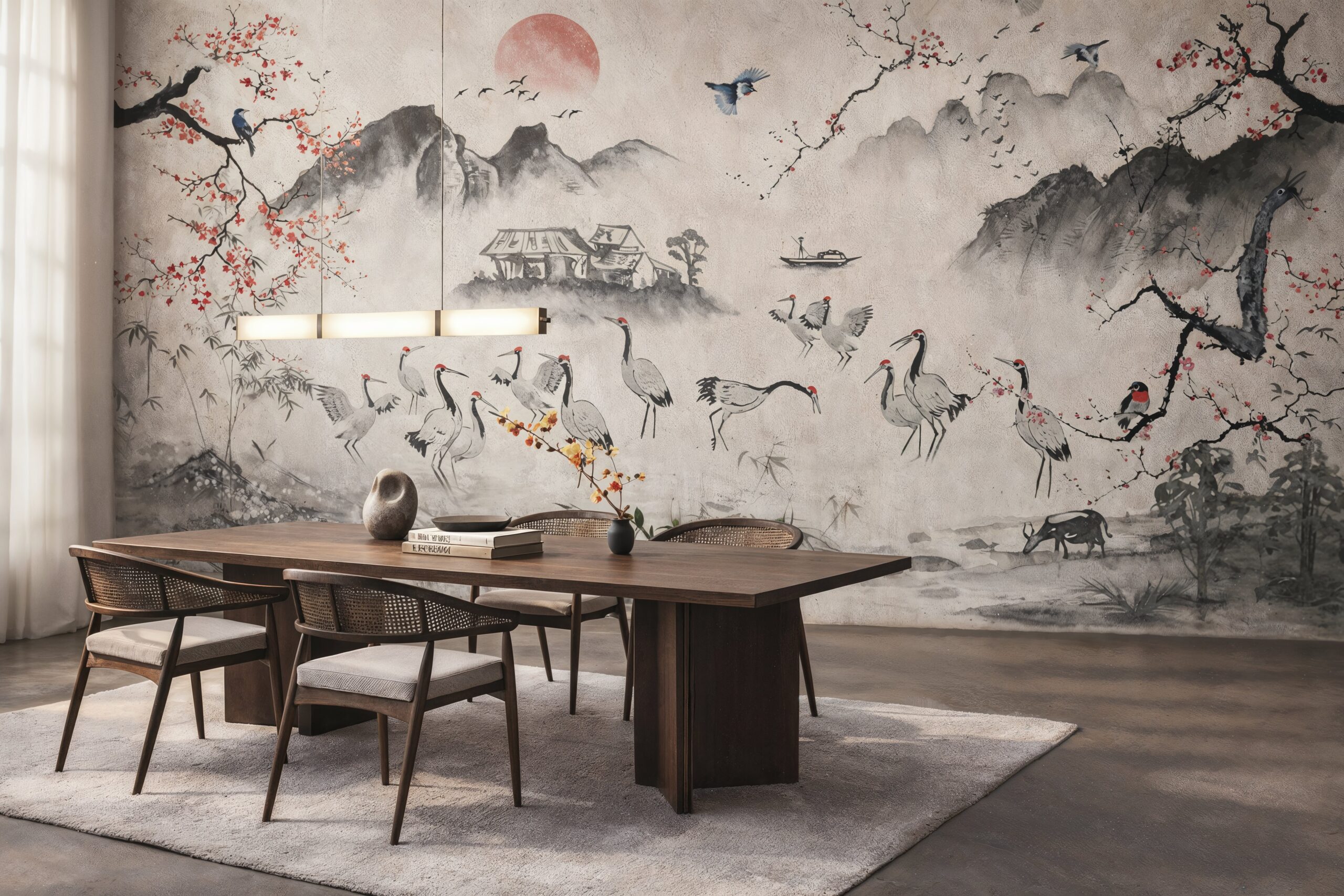
Botanical patterns, leaf prints, and gentle landscape imagery connect patients to the natural world, a well-documented stress reducer. Biophilic design, the practice of incorporating natural elements into built environments, has strong evidence supporting its positive impact on healthcare outcomes.
Subtle botanical wallpaper with soft, flowing lines and muted colours creates a gentle, garden-like atmosphere. Avoid highly realistic or photographic nature prints, which can feel commercial rather than calming.
Textural and Tonal Designs
Wallpapers that mimic natural textures such as linen, grasscloth, or brushed plaster add warmth and visual depth without introducing overt patterns. These designs work well as full-room treatments, creating a consistently calm environment on every wall.
Geometric Patterns
Simple, regular geometric patterns in soft colourways can create a sense of order and professionalism. Subtle hexagonal, linear, or wave patterns are effective in modern clinic designs. Avoid complex or highly contrasting geometrics, which can feel agitating.
Abstract and Watercolour Effects
Soft, blurred abstract designs and watercolour-wash wallpapers create a gentle, artistic atmosphere. Their organic, non-representational quality allows patients to relax without trying to interpret a specific motif.
Material Requirements for Clinic Wallpaper
Healthcare environments impose specific material requirements that go beyond standard residential specifications.
| Requirement | Specification | Why It Matters |
|---|---|---|
| Cleanability | Scrubbable vinyl or PVC wallcovering | Must withstand regular disinfection protocols |
| Antimicrobial properties | Embedded antimicrobial treatment | Inhibits bacterial and fungal growth on the surface |
| Fire safety | Class 0 or Class 1 surface spread of flame | Mandatory for commercial healthcare premises |
| Durability | Type II or Type III commercial grade | Resists scuffing from chairs, trolleys, and foot traffic |
| VOC emissions | Low or zero VOC | Maintains indoor air quality for sensitive patients |
Commercial-grade vinyl wallcoverings meet these requirements as standard. They are designed for high-traffic commercial environments and can be cleaned with hospital-grade disinfectants without damage to the surface or print.
Design Strategies by Clinic Type
Different medical specialities benefit from tailored design approaches.
General practice: Warm, welcoming, and professional. Soft textural wallpaper in warm neutrals or muted blues creates a comfortable environment for a diverse patient population.
Dental clinics: Many patients experience dental anxiety. Calming nature-inspired wallpaper in blue-green tones helps ease tension. Avoid clinical white, which reinforces associations with dental procedures.
Paediatric clinics: Playful, colourful wallpaper in the children’s waiting area reduces fear and creates positive associations. Separate adult and children’s zones allow different design treatments within the same clinic.
Aesthetics and dermatology: Premium, contemporary wallpaper in sophisticated tones communicates quality and attention to detail. Subtle metallic accents or textured plains convey luxury without excess.
Mental health practices: Nature-connected, gentle designs in soft colours create a safe, non-threatening environment. Avoid stimulating patterns or intense colours that could heighten distress.
Practical Implementation Tips
When implementing wallpaper in a clinic waiting room, consider these practical points.
Apply wallpaper to the most visible walls, typically the wall patients face when seated and the wall behind the reception counter. Less visible walls can be painted in a coordinating solid colour to reduce cost.
Install a chair rail or wall protection strip at seating height if chairs are positioned against the wallpapered wall. This prevents scuffing and damage from chair backs, which is the most common cause of wallpaper wear in waiting rooms.
Coordinate the wallpaper with the flooring and furniture selections. A cohesive design scheme feels more intentional and professional than individual elements chosen in isolation.
Plan for maintenance access. In clinic environments, wallpaper near hand sanitiser dispensers and tissue boxes may be exposed to splashes. Ensure these areas use the most durable, easily cleaned wallcovering grade.
Final Thoughts
Wallpaper for clinic waiting rooms is a practical investment in patient experience and practice image. By selecting calming colours, appropriate patterns, and healthcare-grade materials, you create a waiting environment that supports patient wellbeing from the moment they walk through the door.
Request free samples from our Singapore showroom to evaluate colours and textures suited to your clinic environment.