Carpet & Flooring
Bathroom Flooring Singapore: Waterproof Options
Bathroom Flooring Challenges in Singapore
Bathrooms are the most demanding environment for any flooring material. They face daily exposure to water — not just splashes, but standing water from showers, steam that condenses on cool surfaces, and humidity levels that remain elevated for hours after bathing.
Singapore’s tropical baseline amplifies these challenges. Ambient humidity already sits between 70% and 90% on most days, and bathrooms push this even higher. Mould and mildew thrive in these conditions if materials and ventilation are not properly addressed.
Beyond moisture, bathroom floors must meet several other requirements. They need to be slip-resistant for safety, easy to clean for hygiene, resistant to cleaning chemicals, and durable enough to withstand years of daily use. Aesthetics matter too — the bathroom is no longer a purely utilitarian space but a room where design contributes to comfort and property value.
Comparing Bathroom Flooring Materials
Several materials are viable for Singapore bathrooms. Each offers a different balance of performance, aesthetics, and cost.
| Material | Waterproof | Slip Resistance | Maintenance | Installation |
|---|---|---|---|---|
| Ceramic / porcelain tile | Excellent | Good (textured options) | Grout needs regular cleaning | Wet trade, 2-3 days |
| Natural stone (marble, granite) | Needs sealing | Varies; can be slippery | High; requires periodic sealing | Specialist installation |
| Vinyl sheet | Excellent (seamless) | Good (textured finishes) | Very low | Quick, minimal disruption |
| Vinyl tile / plank (glue-down) | Very good | Good | Very low | Quick, minimal disruption |
| SPC click-lock | Very good | Good | Very low | Quick, floating |
Ceramic and porcelain tiles remain the default bathroom flooring in Singapore, specified in most new HDB and condo developments. They are proven, widely available, and handle water exposure without issue. However, the grout lines between tiles can harbour mould and require regular scrubbing, and tile replacement involves messy, noisy hacking.
Vinyl Flooring for Bathrooms
Vinyl flooring is increasingly specified for bathroom renovations in Singapore, offering several advantages over traditional tiles — particularly for homeowners who want to avoid the disruption of hacking existing floors.
Vinyl sheet flooring is the strongest performer in bathroom applications. Installed as a continuous roll, it creates a virtually seamless surface with no joints for water to penetrate. When properly installed with sealed edges and perimeter caulking, vinyl sheet provides a watertight floor that is comfortable, quiet, and warm underfoot.
Glue-down vinyl tiles and planks are also viable for bathrooms. Each piece is fully adhered to the subfloor, and the joints between pieces are tight enough to resist casual water exposure. For shower areas where standing water is frequent, additional perimeter sealing provides extra protection.
SPC click-lock planks can work in bathroom settings, but with caveats. The click mechanism creates joints that are water-resistant but not watertight. For powder rooms and half-baths with no shower, SPC is perfectly adequate. For full bathrooms with showers, glue-down or sheet formats are more reliable.
Slip Resistance: A Non-Negotiable Factor
Bathroom falls are a genuine safety concern, particularly for elderly residents and young children. The combination of wet surfaces and bare feet creates a high-risk scenario that flooring selection can mitigate.
Slip resistance is measured using the R-rating system. For wet bathroom floors, look for products rated R10 or higher:
- R9: Minimum slip resistance for dry areas
- R10: Suitable for rooms that may occasionally be wet (kitchen, toilet)
- R11: Recommended for areas frequently wet (shower zones)
- R12-R13: Heavy-duty wet area applications (commercial kitchens, pool surrounds)
Many vinyl flooring products achieve R10 or R11 ratings through surface texturing that provides grip without feeling rough or uncomfortable. Matte and lightly embossed finishes tend to offer better traction than smooth, high-gloss surfaces.
For added safety, particularly for households with elderly residents, consider combining slip-rated flooring with strategically placed grab bars and non-slip bath mats in the immediate shower area.
Design Trends for Singapore Bathrooms
Bathroom design in Singapore has evolved significantly. Contemporary bathrooms prioritise a spa-like atmosphere with natural materials — or materials that convincingly replicate them.
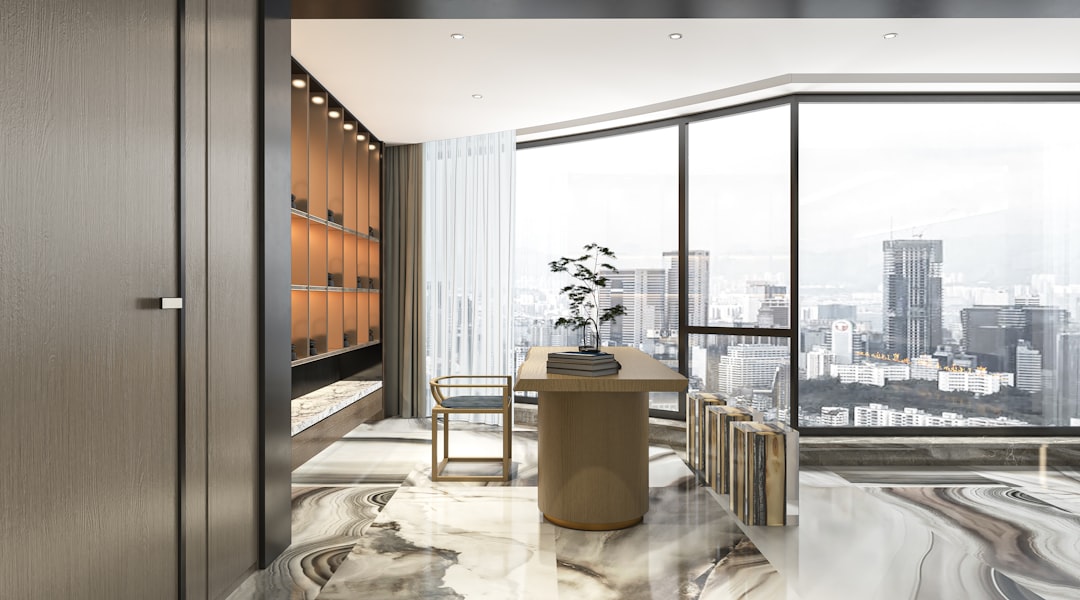
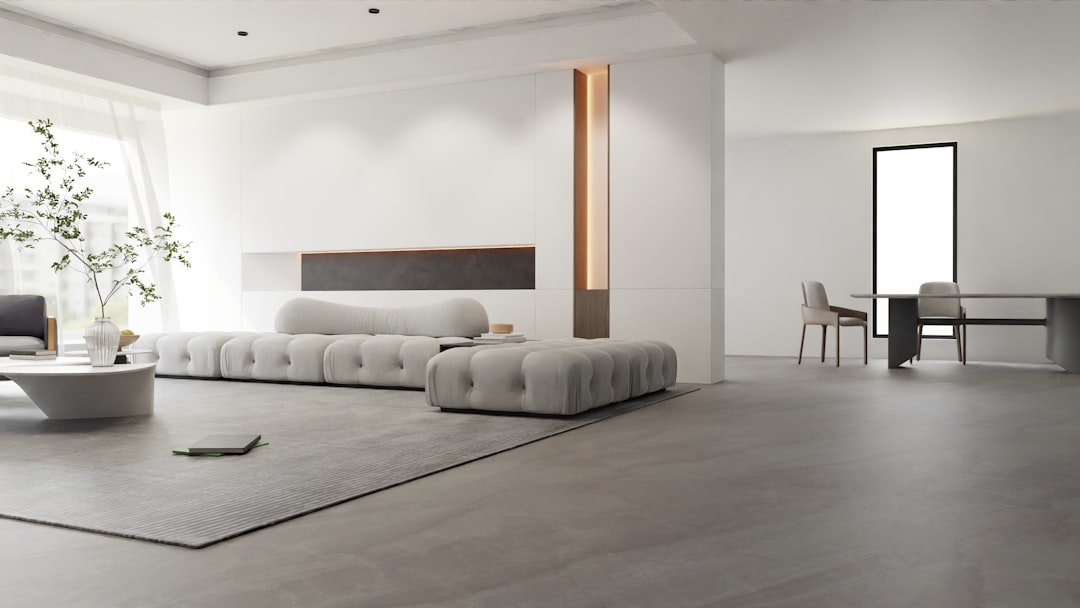
Stone-effect flooring: Marble, terrazzo, and limestone-look tiles and vinyl create a luxurious foundation. White and light grey stone effects are especially popular for their ability to make compact Singapore bathrooms feel spacious and bright.
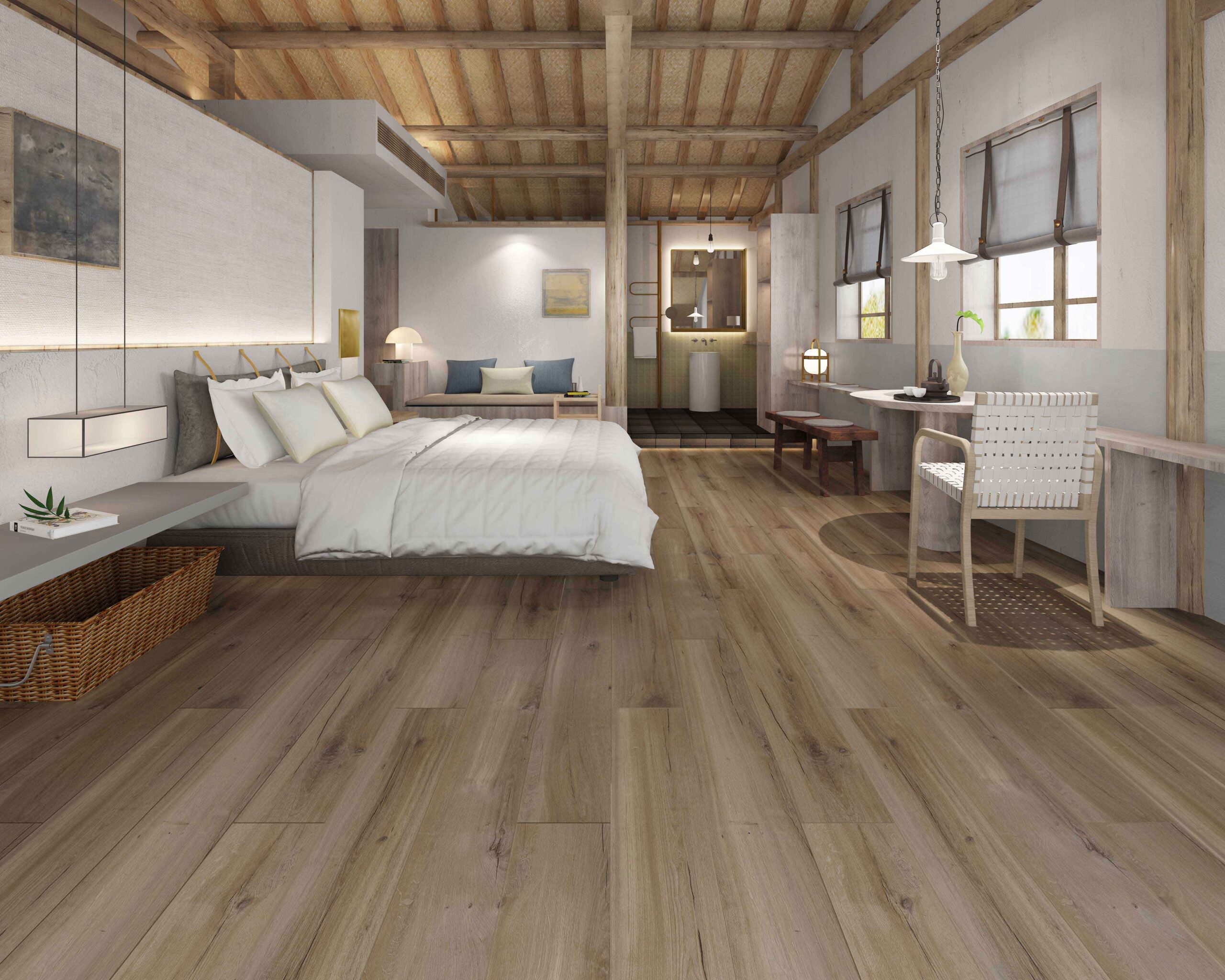
Wood-look flooring: Timber-effect vinyl brings warmth to bathrooms without the moisture vulnerability of real wood. Light oak and grey-washed wood tones are trending, creating a connection between the bathroom and the timber-look flooring in adjacent bedrooms.
Large-format designs: Bigger tiles or tile-effect vinyl with minimal grout lines create a cleaner, more expansive appearance. This approach works particularly well in small HDB and BTO bathrooms where busy patterns and numerous grout lines can make the space feel cluttered.
Monochromatic schemes: Using the same colour family for floor and wall coverings creates a seamless, enveloping effect. All-white, all-grey, and warm greige bathrooms are particularly popular in contemporary Singapore homes.
Underfloor Heating and Thermal Comfort
While Singapore does not require underfloor heating, thermal comfort remains relevant. Ceramic and porcelain tiles feel cold underfoot, particularly in air-conditioned bathrooms during early morning use. This is more than a minor inconvenience — for elderly residents and young children, cold floors can be genuinely unpleasant.
Vinyl flooring addresses this naturally. Its layered construction provides inherent thermal insulation, creating a surface that feels warmer than tiles without any additional heating system. The difference is immediately noticeable when stepping out of a warm shower onto a vinyl floor versus a tiled one.
For homeowners who prioritise underfoot comfort, vinyl’s thermal properties are a meaningful everyday benefit that compounds over years of daily use. Combined with its waterproof credentials and slip resistance, this thermal advantage strengthens the case for vinyl as a comprehensive bathroom flooring solution.
Renovation Considerations for HDB and Condo Bathrooms
Bathroom renovation in HDB flats involves several regulatory and practical considerations. HDB requires that waterproofing be reinstated when bathroom floors are hacked and replaced — a process that adds cost and time to the project.
An overlay approach — installing new flooring over existing tiles — avoids this requirement and significantly reduces renovation disruption. Vinyl flooring is particularly well-suited to overlay installation, as it adds minimal height (2 mm to 6 mm) and can conform to existing floor gradients that direct water toward the drain.
For condominiums, check your management’s renovation guidelines. Some developments restrict wet works or require prior approval for bathroom modifications. Overlay vinyl installation typically falls outside these restrictions since it does not involve wet trades or structural modifications.
Another factor to consider is the door threshold. Adding flooring on top of existing tiles raises the floor level slightly. Ensure the bathroom door still opens and closes freely, and install a proper transition strip or threshold to manage the height difference between the bathroom and the adjacent room. A well-finished threshold also prevents water from the bathroom migrating into dry areas.
Whichever material you choose, ensure proper waterproofing beneath the finished floor. In Singapore, bathroom waterproofing should extend at least 150 mm up the walls (full height behind the shower) and incorporate a proper membrane system with sealed joints and penetrations.
Planning a bathroom renovation? Explore waterproof flooring options designed for wet environments. Get a free quote for your project today and let our consultants recommend the best solution for your bathroom.