Carpet & Flooring
Vinyl Plank Flooring: Wood Look for Singapore Homes
What Is Vinyl Plank Flooring?
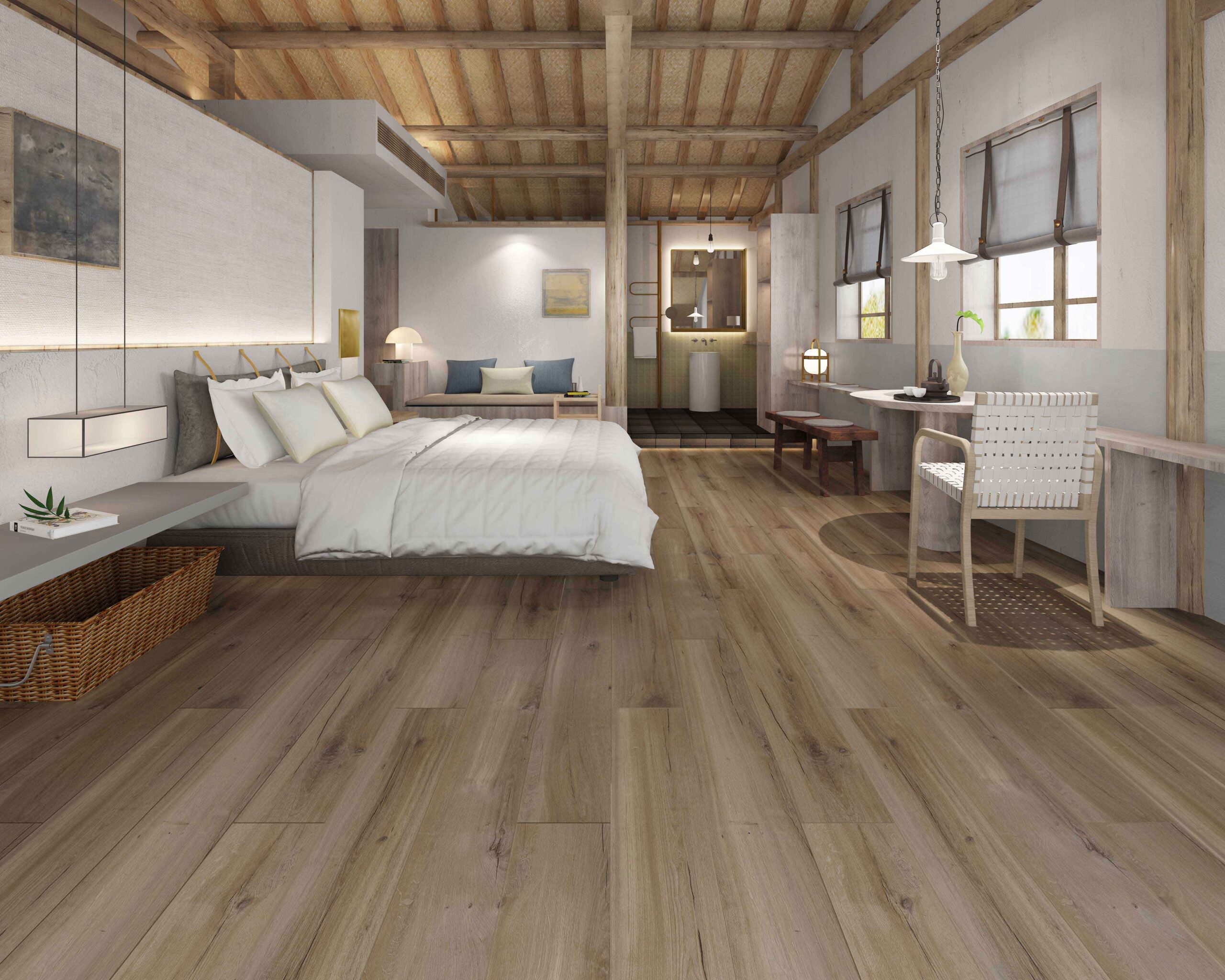
Vinyl plank flooring consists of individual planks designed to replicate the appearance of natural timber boards. Each plank features a high-resolution printed design layer beneath a transparent wear layer, mounted on a core that provides structural stability and underfoot comfort.
Modern vinyl planks are manufactured in dimensions that mirror real hardwood — typically 150 mm to 230 mm wide and 900 mm to 1,500 mm long. This proportional accuracy, combined with surface embossing that replicates wood grain texture, creates a remarkably convincing timber appearance at a fraction of the cost and maintenance burden.
The format has become one of the most popular flooring choices in Singapore, particularly for HDB flats, BTO units, and condominiums where the combination of aesthetics, water resistance, and practicality makes it an ideal fit for tropical living.
Core Types and Their Differences
Vinyl planks are available with different core constructions, each offering distinct performance characteristics. Understanding these differences is important because the core determines the plank’s rigidity, comfort, sound properties, and installation requirements.
| Core Type | Composition | Thickness Range | Best Suited For |
|---|---|---|---|
| SPC (Stone Polymer Composite) | Limestone powder + PVC | 3.5 mm to 6 mm | High-traffic areas, installation over tiles |
| WPC (Wood Polymer Composite) | Wood flour + PVC + foaming agents | 5 mm to 8 mm | Bedrooms, living rooms, noise-sensitive spaces |
| Flexible LVT | Pure PVC layers | 2 mm to 5 mm | Smooth subfloors, commercial glue-down |
SPC planks dominate the Singapore market due to their rigid core, which handles the lippage (height variations) of existing tile floors. Many homeowners install SPC directly over old tiles, avoiding the cost and disruption of hacking — a significant advantage given HDB renovation noise restrictions.
WPC planks offer a warmer, softer feel underfoot and superior sound dampening, making them well-suited to bedrooms and upper-floor installations where acoustic performance matters. The foamed core provides natural thermal insulation, reducing the cold-floor sensation common with tiles in air-conditioned rooms.
Design Options and Wood Species Replications
The design range available in vinyl plank flooring is extensive. Current collections replicate virtually every popular timber species and finish style.
Popular wood-look designs in Singapore include:
- Light oak and birch: Pale, natural tones that brighten small rooms and suit Scandinavian-inspired interiors. Ideal for compact HDB and BTO living spaces.
- Warm walnut and teak: Rich mid-tones with pronounced grain that add warmth and character. Well-suited to transitional and traditional design schemes.
- Grey-washed oak and driftwood: Cool-toned finishes that complement contemporary and industrial interiors. Currently the most trending category in Singapore.
- Dark espresso and smoked oak: Deep, dramatic tones best suited to larger spaces with ample natural light. Creates a luxurious, intimate atmosphere.
- Reclaimed and distressed: Planks with deliberate variation in colour, knot patterns, and surface texture that replicate salvaged timber. Adds rustic character to modern spaces.
Surface finishes vary from high-gloss (lacquered look) to matte and hand-scraped textures. In Singapore, matte and lightly textured finishes are most popular — they show fewer scuffs and fingerprints than glossy surfaces and provide better grip underfoot.
Installation Methods for Singapore Properties
Vinyl plank flooring can be installed using several methods, each suited to different circumstances.
Click-lock floating installation: The most common method in Singapore. Planks lock together via a tongue-and-groove mechanism and float over the subfloor without adhesive. An underlayment (often pre-attached to the plank) sits between the vinyl and the subfloor. This method is fast, clean, and allows the floor to be removed and reinstalled if needed.
Glue-down installation: Each plank is adhered directly to the subfloor with vinyl flooring adhesive. This creates a more permanent, solid-feeling floor with no hollow sound underfoot. Preferred for large open-plan spaces and commercial applications where maximum stability is required.
Loose-lay installation: Some thicker, heavier planks are designed to stay in place under their own weight, with minimal or no adhesive. This is the fastest installation method and allows easy replacement of individual planks. However, it requires a very smooth, clean subfloor.
Regardless of the method, several preparation steps are universal. The subfloor must be clean, dry, and reasonably level. For click-lock installation over existing tiles, ensure no tiles are loose or raised. Expansion gaps of 5 mm to 8 mm must be maintained around the perimeter to allow for natural thermal movement.
Performance in Singapore Conditions
Vinyl plank flooring handles Singapore’s climate exceptionally well. The material is completely waterproof, unaffected by humidity fluctuations, and impervious to termites — three significant advantages over natural timber in our tropical environment.
For families with children and pets, vinyl planks offer excellent scratch resistance. The wear layer — typically 0.3 mm for residential and 0.5 mm or above for heavy-duty residential — protects against chair legs, pet claws, and dropped objects. While not indestructible, quality vinyl planks resist everyday wear far better than some natural timber species.
Sound performance varies by product. SPC planks can produce a slightly hollow sound underfoot if installed without adequate underlayment. For condominiums with strict acoustic requirements, choose planks with pre-attached acoustic backing or install a separate sound-dampening underlayment.
Thermal comfort is another practical consideration. Vinyl planks feel warmer underfoot than ceramic tiles, particularly in air-conditioned rooms. This makes them especially appealing for bedrooms and living areas where bare feet are common.
Vinyl Plank Flooring for Specific Singapore Scenarios
Certain situations common in Singapore make vinyl plank flooring particularly advantageous.
Overlay renovation: Many Singapore homeowners want to refresh their flooring without the disruption of hacking existing tiles. Vinyl plank flooring — particularly SPC with click-lock installation — is purpose-built for this scenario. The rigid planks bridge minor tile lippage, and the floating installation sits atop the existing floor without adhesive. The entire process is clean, quiet, and typically completed within two days for a standard HDB flat.
Rental property upgrades: Tenants who want to personalise their space without permanent modifications can install click-lock vinyl planks as a floating floor, then remove them when the lease ends. The planks can even be reinstalled in a new home, provided they are carefully disassembled and stored.
Pet-friendly homes: Singapore’s growing pet ownership population needs flooring that handles claws, accidents, and the general activity of dogs and cats. Vinyl plank’s scratch-resistant wear layer and waterproof composition handle pet-related demands far better than laminate or natural timber. For homes with larger dogs, a 0.5 mm or thicker wear layer provides the most robust protection.
Frequently Asked Questions
What is LVP flooring?
LVP stands for luxury vinyl plank — the plank-format vinyl flooring this guide covers. The term is used interchangeably with vinyl plank flooring in Singapore; both refer to rigid or flexible PVC planks with printed wood visuals and a protective wear layer.
What is the difference between LVP and LVT?
Format only. LVP describes plank shapes that mimic timber boards, while LVT (luxury vinyl tile) describes square or large-format pieces that mimic stone and ceramic. The construction and performance are otherwise the same.
Is vinyl plank flooring good for HDB flats?
It is one of the most popular HDB flooring choices — waterproof for kitchens and service yards, thin enough to overlay existing tiles without door trimming issues, and fast to install between key collection and moving in.
Maintenance and Longevity
Vinyl plank flooring requires minimal maintenance. Daily sweeping or vacuuming removes grit, and weekly damp mopping keeps the surface clean. Avoid excessive water, steam mops, and abrasive cleaning products that can damage the wear layer.
One advantage of plank-format vinyl over sheet vinyl is replaceability. If a single plank is severely damaged, it can often be replaced individually without disturbing the surrounding flooring. With click-lock systems, planks can be unclicked back to the damaged piece, which is then swapped out.
Quality vinyl plank flooring typically lasts 15 to 25 years in residential use, depending on traffic levels, wear layer thickness, and maintenance. When the floor eventually shows its age, removal and replacement is straightforward — far simpler than replacing tiles or natural timber.
Ready to explore vinyl plank options for your home? Visit the Goodrich Gallery to see our full collection and compare textures, colours, and plank sizes in person.