Carpet & Flooring
Vinyl Flooring vs Porcelain Tiles: Which Is Better?
Two Popular Flooring Choices in Singapore
Vinyl flooring and porcelain tiles are two of the most popular flooring options in Singapore homes. Porcelain has been the traditional go-to for decades, while vinyl — particularly luxury vinyl tiles (LVT) — has surged in popularity as homeowners discover its practical advantages.
Both materials have genuine strengths. The right choice depends on your priorities, lifestyle and the specific rooms you are renovating. This guide offers an honest, side-by-side comparison across comfort, durability, installation, maintenance, design and suitability for different zones of your home to help you decide.
Material Basics
Porcelain tiles are made from refined clay fired at extremely high temperatures, producing a dense, hard material. They come in various sizes, finishes and designs, including realistic stone, marble and wood effects. Porcelain is a tried-and-tested material found in homes across Singapore.
Vinyl flooring, specifically luxury vinyl tiles (LVT) and luxury vinyl planks (LVP), consists of multiple engineered layers including a durable wear layer, a high-definition design layer and a cushioned backing. Modern luxury vinyl products replicate natural materials with remarkable fidelity.
Detailed Comparison
| Factor | Vinyl Flooring (LVT) | Porcelain Tiles |
|---|---|---|
| Comfort underfoot | Warm and cushioned | Hard and cold |
| Water resistance | Fully waterproof | Waterproof (but grout can absorb moisture) |
| Slip resistance | Good (varies by product) | Good (varies by finish) |
| Impact resistance | Resilient — absorbs impact | Hard — may crack on heavy impact |
| Scratch resistance | Good (depends on wear layer) | Excellent |
| Installation time | 1 to 2 days | 5 to 7 days |
| Renovation mess | Minimal (overlay possible) | Significant (adhesive, grout, cutting dust) |
| Noise level | Quiet underfoot | Noisy when walked on with shoes |
| Lifespan | 15 to 20 years | 20 to 30 years |
| Repairability | Individual tiles replaceable | Difficult to replace single tiles |
Comfort and Safety
This is where vinyl flooring holds a decisive advantage. The resilient, cushioned nature of LVT makes it significantly more comfortable for daily living. Walking barefoot on vinyl is warmer and softer than walking on porcelain — a noticeable difference in a country where shoes are removed at the door.
For households with young children, vinyl’s cushioned surface provides a meaningful safety benefit. Falls onto vinyl result in fewer injuries compared to falls onto hard porcelain tiles. The same applies to elderly family members, for whom slip-and-fall prevention is a priority.
Dropped items are another consideration. A phone, glass or plate dropped on vinyl has a better chance of surviving intact than one dropped on porcelain. Conversely, porcelain tiles themselves can crack or chip under heavy impact, whereas vinyl is resilient enough to absorb the shock without damage.
Installation and Renovation Impact
The installation process differs dramatically between the two materials, and this has significant implications for your renovation timeline and budget.
Porcelain tile installation involves multiple steps: applying adhesive, setting each tile, allowing the adhesive to cure, grouting, and finally cleaning and sealing the grout. The entire process generates considerable dust and noise. For a standard four-room HDB flat, expect five to seven days for the living and dining areas alone.
Vinyl flooring installation is far simpler. Click-lock vinyl can be installed as a floating floor in as little as one day for the same area. Glue-down vinyl takes slightly longer but is still significantly faster than porcelain. Critically, vinyl can be installed directly over existing tiles in an overlay application, eliminating the need for hacking entirely.
This overlay capability is a major advantage for several reasons:
- No hacking means no disposal of old tiles and screed
- Dramatically reduced renovation noise — important for neighbours
- Shorter renovation timeline by several days
- Lower overall renovation costs
- Less disruption if you are living in the home during renovation
Maintenance and Long-Term Care
Both vinyl and porcelain are relatively low-maintenance materials, but there are differences worth noting.
Porcelain tiles themselves are easy to clean, but grout lines require additional attention. Over time, grout can discolour, absorb stains and harbour mould — particularly in Singapore’s humid climate. Periodic grout cleaning and occasional regrouting are part of the long-term maintenance commitment. In wet areas, grout maintenance is especially important to prevent water seepage.
Vinyl flooring has no grout lines, which eliminates this issue entirely. Cleaning involves straightforward sweeping and damp mopping with a pH-neutral cleaner. There is no grouting to maintain, no sealing to schedule and no special cleaning products required.
For busy households — and in Singapore, most households are busy — the reduced maintenance burden of vinyl is a genuine quality-of-life improvement. Less time spent scrubbing grout lines means more time for the things that matter.
Design Range and Aesthetics
Both materials have evolved dramatically in terms of design options, but they differ in what they do best visually.
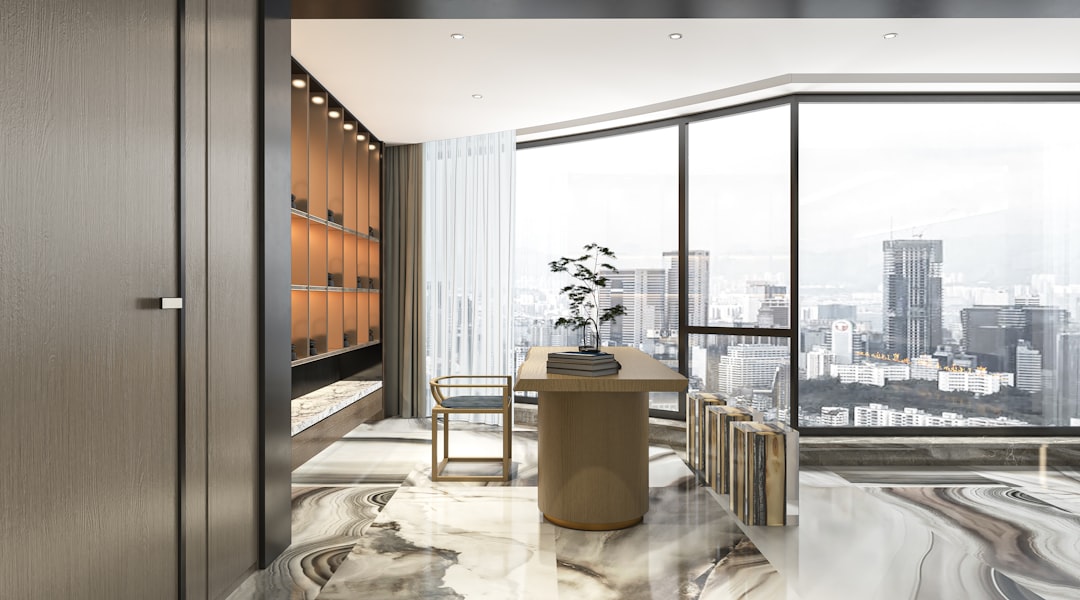
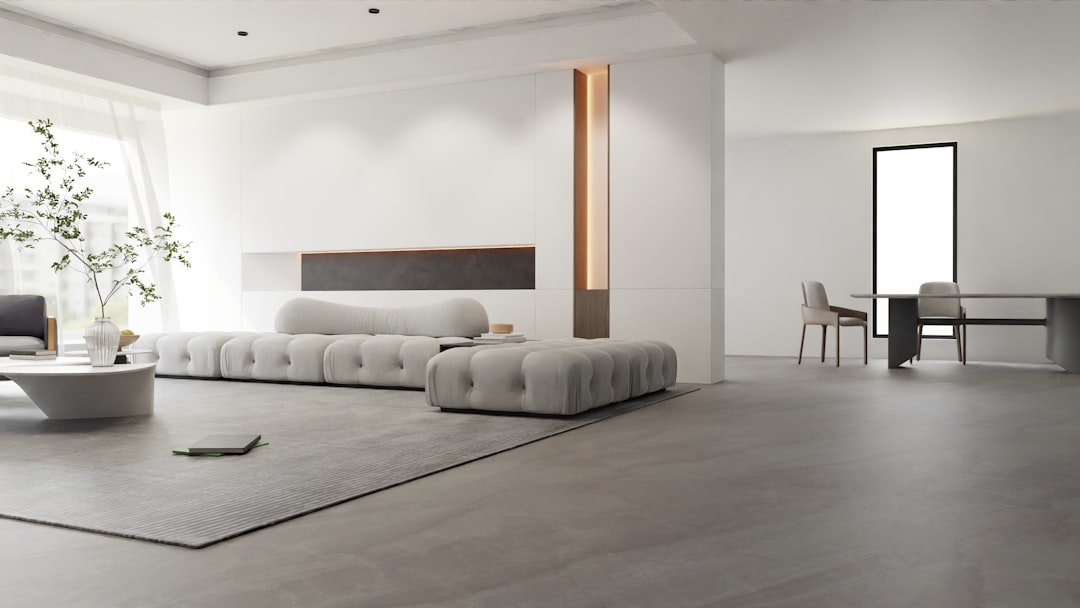
Porcelain tiles excel at replicating natural stone, marble and other mineral surfaces. The firing process can produce surfaces with genuine depth and variation. Large-format porcelain in marble effects remains a popular choice for homeowners who want a premium, hotel-inspired look.
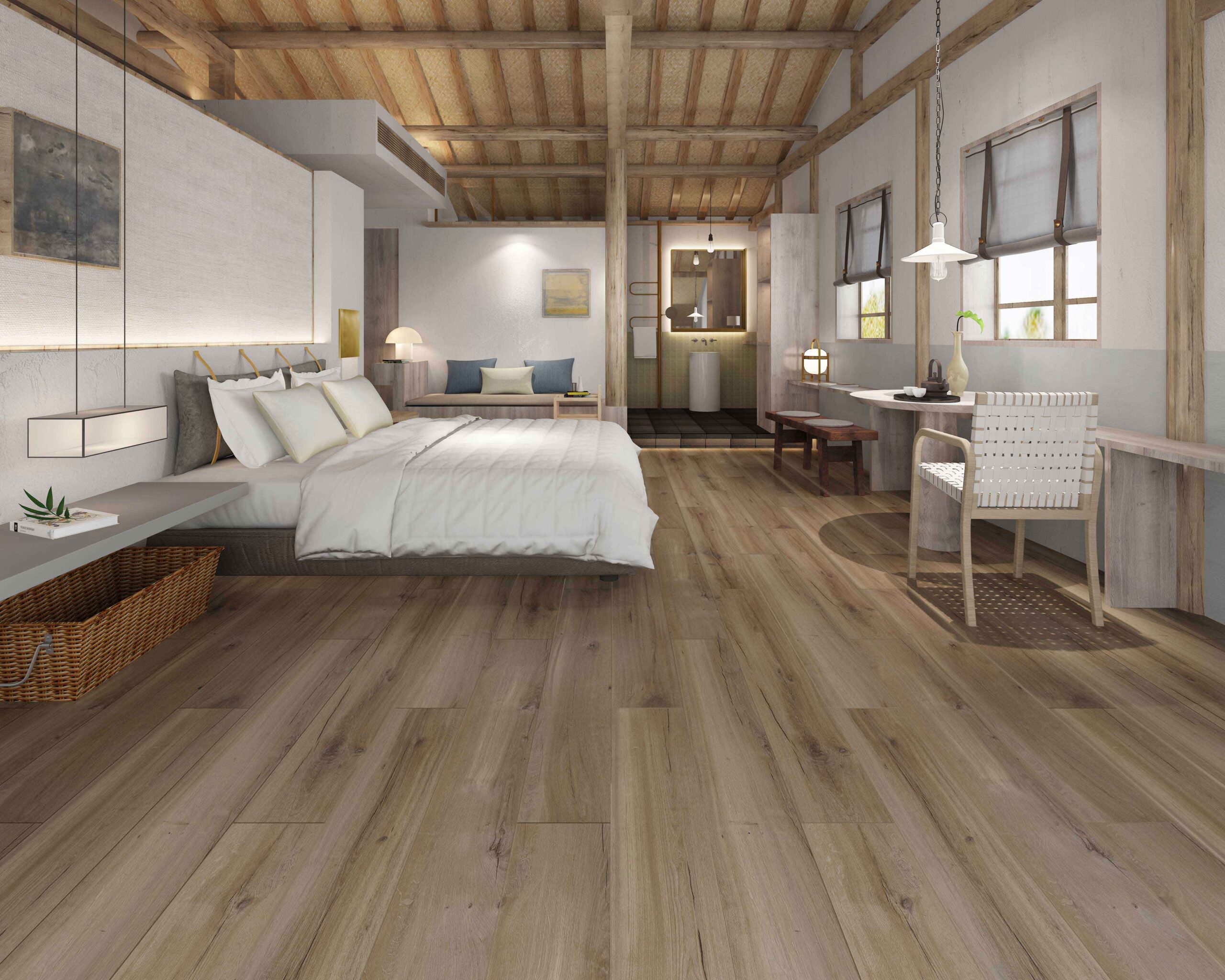
Vinyl flooring offers an even broader design range. Beyond stone and marble effects, vinyl reproduces timber grain with exceptional realism, delivers concrete and terrazzo effects, and comes in abstract and geometric patterns. The ability to replicate wood convincingly is a particular strength — porcelain wood-look tiles exist but rarely match the realism of quality vinyl planks.
From a design perspective, vinyl also offers greater format flexibility. Planks can be long and narrow for a timber-board effect, while tiles come in various sizes for stone and concrete looks. This variety allows you to choose the perfect format for each room in your home.
Where Each Material Excels
Rather than declaring an outright winner, it is more useful to identify where each material performs best in a Singapore home.
Vinyl excels in:
- Living rooms and bedrooms where comfort underfoot matters
- Homes with young children or elderly residents
- Rental properties where future floor changes may be needed
- Renovation projects with tight timelines
- Overlay installations where hacking existing floors is not desirable
- Upper-floor rooms where sound transmission to lower floors is a concern
Porcelain excels in:
- Outdoor balcony areas exposed to direct sunlight and rain
- Heavy commercial applications with extreme foot traffic
- Homeowners who prioritise maximum lifespan above all else
Many homeowners combine both materials, using vinyl in living spaces and bedrooms while retaining porcelain in bathrooms and balcony areas. This hybrid approach leverages the strengths of each material where they matter most. The transition between vinyl and porcelain zones can be handled with a slim threshold strip that creates a clean, professional junction between the two materials.
Making Your Choice
For the majority of Singapore homeowners renovating HDB flats and condominiums, vinyl flooring offers the strongest overall value proposition. It installs faster, feels more comfortable, requires less maintenance and offers practical advantages for families with children and pets. The ability to overlay existing floors without hacking is a particularly compelling benefit that saves both time and money during renovation.
Porcelain remains an excellent material, but its advantages — superior scratch resistance and longer theoretical lifespan — are most relevant in specific applications rather than as a whole-home flooring solution.
The best way to decide is to experience both materials firsthand. Get a free quote for your project today and let our consultants recommend the ideal flooring solution based on your home, lifestyle and design preferences.