Carpet & Flooring
How to Remove Carpet Odour | Tips for Fresh Floors
Why Carpets Develop Odours in Singapore
Carpet odour is a common frustration for homeowners in Singapore, and our tropical climate is largely to blame. With average relative humidity around 80 per cent and temperatures consistently above 30 degrees Celsius, carpets are constantly exposed to conditions that accelerate bacterial growth, mould formation, and the breakdown of organic matter trapped in the fibres.
Understanding the source of the smell is the first step towards eliminating it. Different causes require different treatment approaches, and using the wrong method can sometimes make the problem worse.
Common Causes of Carpet Odour
Before reaching for a cleaning product, try to identify what is causing the smell. The most common culprits in Singapore homes include:
- Trapped moisture: Spills that were not dried thoroughly, condensation from air-conditioning units, or high ambient humidity can create damp conditions within the carpet pile and underlay. This moisture breeds mould and mildew, producing a musty, stale smell.
- Food and beverage spills: Cooking sauces, coffee, and sugary drinks leave organic residues that decompose over time. The resulting odour can be particularly stubborn if the spill soaked through to the underlay.
- Pet-related odours: Pet urine penetrates deep into carpet fibres and underlay. The uric acid crystals that remain after surface cleaning can reactivate when humidity rises — a frequent occurrence in Singapore.
- Accumulated dust and skin cells: Over months and years, carpets collect microscopic organic debris. In Singapore’s warm, humid conditions, this debris breaks down and produces a general staleness.
- New carpet off-gassing: Newly installed carpets may emit volatile organic compounds (VOCs) from the manufacturing process. This chemical smell typically dissipates within a few weeks with adequate ventilation.
Immediate Response for Fresh Spills
The best way to prevent carpet odour is to address spills immediately. Speed is critical — the longer a liquid sits in the carpet, the deeper it penetrates and the harder it becomes to remove completely.
- Blot, do not rub: Use a clean white cloth or paper towels to blot the spill, working from the outside in to prevent spreading. Rubbing pushes the liquid deeper into the pile and can damage carpet fibres.
- Apply cold water: After blotting, dampen a clean cloth with cold water and blot again to dilute any remaining residue. Avoid hot water, which can set protein-based stains (such as milk or blood) and lock in odours.
- Dry thoroughly: Place a stack of dry towels over the area and weigh them down with a heavy object. In Singapore’s humidity, also consider directing a fan at the spot or turning on the air-conditioning to speed drying. The area must be completely dry within 24 hours to prevent mould.
Methods for Removing Established Odours
For odours that have already taken hold, more targeted treatments are needed. Here are the most effective approaches, ranked by intensity.
Baking Soda Treatment
Baking soda (sodium bicarbonate) is a mild, natural deodoriser that absorbs odours rather than masking them. It is safe for most carpet types and readily available from any supermarket in Singapore.
- Sprinkle a generous layer of baking soda over the affected area — or the entire carpet for general freshening.
- Leave it for at least eight hours or overnight. The longer it sits, the more odour it absorbs.
- Vacuum thoroughly to remove all the baking soda. You may need to go over the area multiple times.
This method works well for mild, general odours. For stronger smells, you can mix a few drops of essential oil (such as tea tree or eucalyptus) into the baking soda before application for additional antimicrobial and deodorising effect.
White Vinegar Solution
White vinegar is an effective odour neutraliser that also kills many common bacteria and mould spores. Mix equal parts white vinegar and water in a spray bottle.
- Lightly mist the affected area — do not saturate the carpet.
- Allow it to sit for 15 to 20 minutes.
- Blot with clean towels and allow to air-dry completely.
- The vinegar smell dissipates as the carpet dries, taking the offending odour with it.
This method is particularly effective for food-related odours and light mould smells. Avoid using vinegar on wool or silk carpets, as the acidity may damage natural fibres.
Enzymatic Cleaners for Pet Odours
Standard cleaning products often fail to eliminate pet urine odours because they do not break down the uric acid crystals responsible for the persistent smell. Enzymatic cleaners contain biological enzymes that specifically target and decompose these crystals.
Apply the enzymatic cleaner according to the manufacturer’s instructions. Most require the product to remain on the carpet for several hours to allow the enzymes to work fully. Ensure adequate ventilation during this process.
Professional Deep Cleaning
When home remedies prove insufficient, professional carpet cleaning offers the most thorough solution. Professional services use commercial-grade hot water extraction (steam cleaning) equipment that reaches deep into the carpet pile and underlay, removing embedded dirt, bacteria, and odour-causing residues that consumer-grade equipment cannot reach.
In Singapore, professional carpet cleaning is recommended every six to twelve months for homes with pets, and annually for other households. More frequent cleaning may be needed in homes with young children or if the carpet is in a high-traffic area.
Preventing Carpet Odour in Singapore’s Climate
Prevention is always more effective than treatment. These habits will help keep your carpet smelling fresh despite Singapore’s challenging humidity:
- Maintain low indoor humidity: Use air-conditioning or a dehumidifier to keep indoor relative humidity below 60 per cent. This single step does more to prevent carpet odour than any cleaning product.
- Vacuum regularly: Vacuum high-traffic carpeted areas at least twice a week and the entire carpet at least once a week. This removes the organic debris that becomes odorous over time.
- Remove shoes at the door: Singapore’s outdoor environment introduces moisture, dirt, and bacteria to carpets. A strict no-shoes policy significantly reduces the organic load on your carpet.
- Address spills immediately: As outlined above, speed is everything. Keep a spill kit — clean white cloths, cold water, and baking soda — readily accessible.
- Ensure good air circulation: Stagnant air allows moisture and odours to concentrate. Open windows when weather permits, and ensure furniture does not block airflow over carpeted areas.
When to Consider Carpet Replacement
In some cases, the odour may be too deeply embedded to remove. This is most common with old pet urine stains that have soaked through to the underlay and subfloor, or with carpets that have suffered prolonged water damage. If the underlay is compromised, replacing just the carpet is insufficient — the underlay must be replaced as well.
If your carpet is nearing the end of its useful life, odour problems may signal that it is time for a fresh start. Modern carpet options feature improved stain and moisture resistance, built-in antimicrobial treatments, and fibres engineered for easier maintenance — all of which make odour management significantly easier.
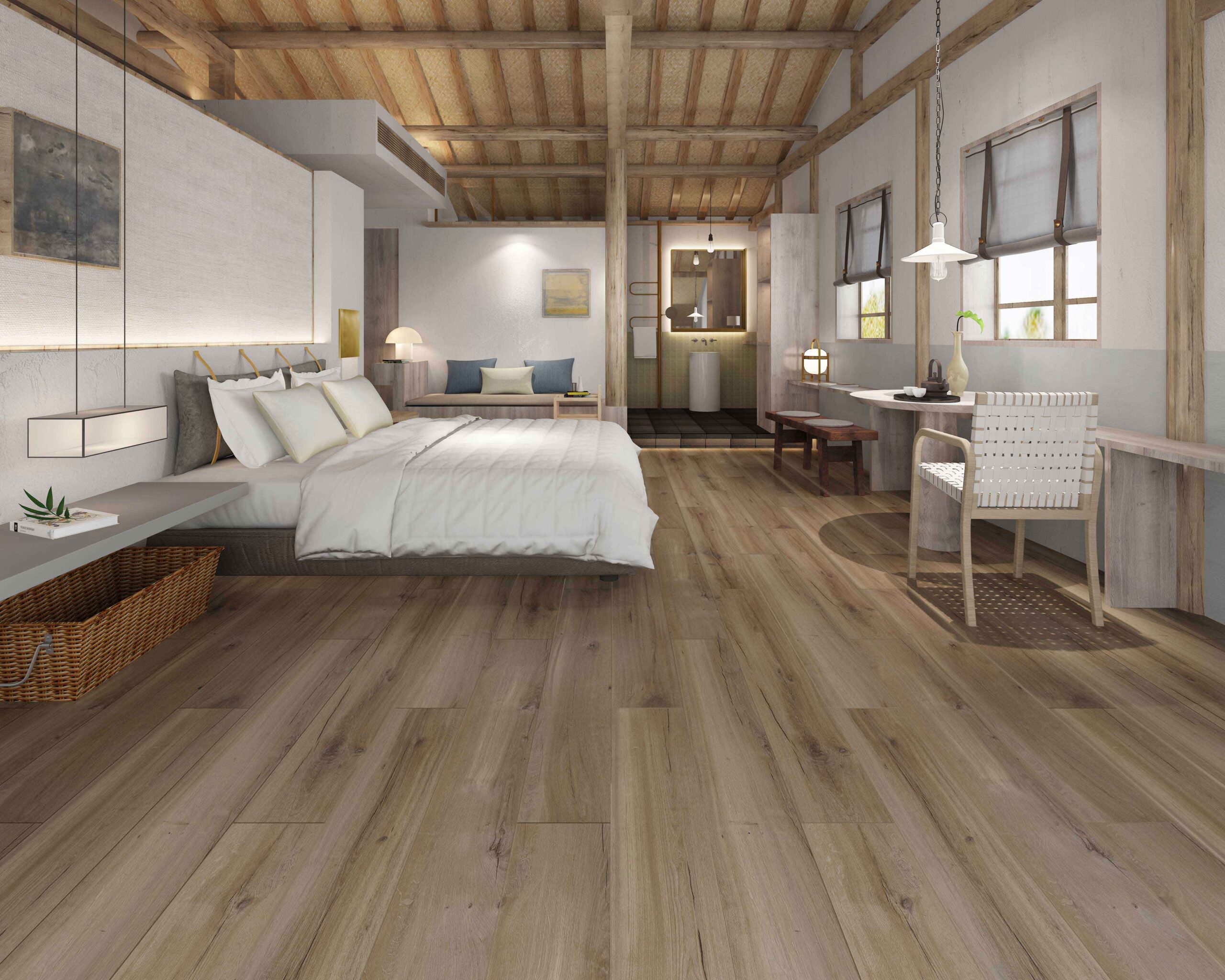
For areas where moisture is a persistent concern, you might also consider alternative flooring solutions such as luxury vinyl tiles, which are completely waterproof and inherently odour-resistant. These can be used in conjunction with area rugs to retain the softness and warmth of carpet where you want it most.
Keep Your Carpets Fresh
Carpet odour in Singapore is a manageable challenge when you understand the causes and act promptly. For mild odours, household remedies like baking soda and vinegar are effective. For stubborn or deep-seated smells, professional cleaning is the most reliable solution. And for carpets that are beyond saving, modern replacement options offer improved performance that makes future odour problems far less likely.
Browse our e-catalogue for the latest designs. If it is time for a carpet upgrade, explore the full range of modern, high-performance options. View the e-catalogue today.