Carpet & Flooring
Carpet for Meditation and Yoga Rooms | Comfort Guide
Why Carpet Works for Meditation and Yoga Spaces
A dedicated meditation or yoga room is a growing trend in Singapore homes, particularly among homeowners in larger HDB flats, condominiums, and landed properties who have a spare room to convert. The flooring in such a space plays a crucial role in its functionality and atmosphere.
Carpet offers several natural advantages for these rooms. It provides cushioning that reduces joint strain during floor-based postures. It absorbs sound, creating the quiet environment essential for focused practice. And it adds warmth underfoot — a welcome contrast to the cold, hard surfaces common in Singapore homes.
However, not all carpet types suit yoga and meditation equally well. The wrong pile height or fibre composition can compromise stability during standing poses or become a hygiene concern in a space where you exercise barefoot. This guide helps you select the ideal carpet for your practice space.
Choosing the Right Pile Type
The pile — the surface fibres of the carpet — directly affects both comfort and functionality. Here is how different pile types perform in a yoga and meditation context.
| Pile Type | Comfort | Stability | Maintenance | Suitability |
|---|---|---|---|---|
| Low-loop (Berber) | Firm | Excellent | Easy | Yoga-focused rooms |
| Cut pile (short) | Good | Good | Easy | Mixed yoga and meditation |
| Cut pile (medium) | Very good | Moderate | Moderate | Meditation-focused rooms |
| Plush / Saxony | Excellent | Poor | Difficult | Meditation only |
| Frieze / Textured | Good | Good | Easy | Mixed use |
For rooms primarily used for yoga, a low-loop or short cut pile carpet is the best choice. These provide a stable surface for balance poses while still offering more cushioning than hard flooring. For rooms dedicated mainly to seated meditation, a medium cut pile delivers superior comfort during extended sitting sessions.
Fibre Composition and Performance
The carpet fibre determines how the material performs under the specific conditions of a yoga or meditation room — bare feet, body contact, perspiration, and frequent use of the same area.
- Nylon: The most durable option and excellent for high-traffic areas. Nylon carpets resist crushing and recover well from compression, making them ideal for rooms where you repeatedly practise in the same spot. They also accept stain treatments effectively.
- Polyester: Softer underfoot than nylon and available in rich colours. Polyester resists moisture and staining naturally, which is beneficial in a room where perspiration is common. However, it is less resilient to crushing over time.
- Wool: The premium natural option. Wool carpet is naturally temperature-regulating, moisture-wicking, and flame-resistant. It provides a luxurious feel underfoot that enhances the sensory experience of a meditation space. Wool also has natural antimicrobial properties that help control odours.
- Polypropylene (Olefin): An affordable option that resists moisture and stains. However, it is less soft than nylon or wool and can feel somewhat synthetic underfoot — a drawback in a space where tactile comfort matters.
For a dedicated yoga and meditation room, wool and nylon are the strongest performers. Wool excels in comfort and natural properties, while nylon leads in durability and value retention. Explore the Goodrich carpet collection to compare fibres and textures.
Colour and Atmosphere
The colour of your carpet significantly influences the room’s atmosphere and your ability to relax and focus. Meditation and yoga practices benefit from a calming, uncluttered visual environment.
Colours that work well in these spaces include:
- Soft neutrals: Warm beige, sand, and light taupe create a grounded, earthy atmosphere without being visually stimulating.
- Muted greens: Sage, moss, and olive tones evoke nature and tranquillity. Green is widely associated with balance and harmony in colour psychology.
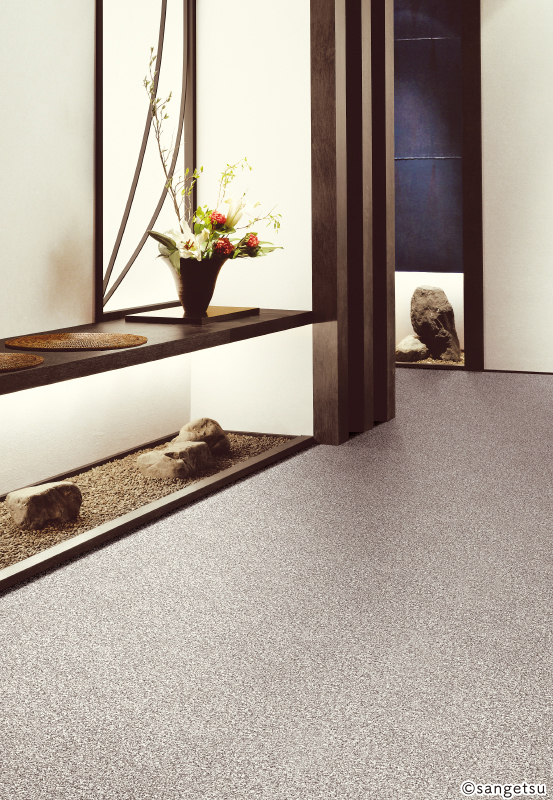
- Cool greys: Light to medium grey tones provide a serene, modern backdrop that suits minimalist meditation spaces.
- Deep blues: Navy and indigo create a contemplative mood. These work well in rooms with limited natural light, adding depth without heaviness.
Avoid highly saturated or bright colours, busy patterns, and high-contrast designs. These can be visually distracting and work against the calm atmosphere you are trying to create.
Underlay and Cushioning
A quality carpet underlay amplifies the comfort benefits of your carpet, adding an extra layer of cushioning that your knees, ankles, and spine will appreciate during floor-based practice. The underlay also improves the carpet’s acoustic properties, further insulating the room from household noise.
For a yoga and meditation room, choose a medium-density underlay rather than the thickest option available. An excessively soft underlay creates an unstable surface that makes balance poses difficult. A medium-density underlay, typically between 8mm and 10mm thick, strikes the right balance between cushioning and firmness.
Rubber and foam underlays both work well. Rubber underlays are more durable and provide better support, while foam underlays are lighter and more affordable. In Singapore’s humid climate, opt for an underlay with moisture-resistant properties to prevent mould growth between the carpet and the subfloor.
Hygiene and Maintenance
A yoga and meditation room sees regular barefoot use and body contact with the floor, making hygiene a higher priority than in most other carpeted spaces. Establishing a consistent cleaning routine will keep your carpet fresh, healthy, and pleasant to practise on.
- Vacuum the carpet at least twice a week to remove dust, dead skin cells, and fibres.
- Consider using a HEPA-filter vacuum to trap fine particles and allergens, especially if you have sensitivities.
- Spot-clean any perspiration marks promptly with a damp cloth and mild detergent.
- Schedule professional deep cleaning every six to twelve months to remove embedded dirt and refresh the carpet fibres.
- Keep the room well ventilated. Open windows or run an air purifier to maintain air quality and control humidity.
If you use a yoga mat on top of the carpet, lift and air it after each session. Leaving a mat flat on carpet in Singapore’s humid climate can trap moisture and create conditions for mould growth. Consider complementary flooring solutions if your practice combines mat and carpet areas.
Carpet Sizing and Layout
In a dedicated yoga room, the carpet ideally covers the entire floor area. This ensures a consistent surface regardless of where you position yourself and eliminates the risk of mats sliding on a carpet-to-hard-floor transition. Wall-to-wall carpet installation also maximises the room’s acoustic benefits, absorbing sound from all directions.
If wall-to-wall carpet is not feasible — perhaps the room serves a dual purpose — a large area rug is an acceptable alternative. Choose one that is large enough to accommodate your full range of movement, including extended poses. A rug pad beneath prevents slipping and adds an extra layer of cushioning. Ensure the rug has bound or finished edges that lie flat, as curled edges create a tripping hazard during movement-based practice.
Creating the Complete Space
Carpet is the foundation of your meditation and yoga room, but the overall atmosphere depends on how all elements work together. Soft, diffused lighting — perhaps through translucent curtains or dimmer switches — complements the calming effect of a well-chosen carpet. Acoustic treatment, including the carpet itself, helps create the silence that supports deep focus.
Wall treatments matter too. Soft-toned wallpaper or wallcoverings in natural textures such as linen or grasscloth add warmth without visual clutter. Together with a quality carpet, these elements transform a spare room into a genuine sanctuary.
Temperature control is another consideration. Singapore’s air-conditioning can make hard floors uncomfortably cold for barefoot practice, but carpet acts as natural insulation, maintaining a more comfortable and consistent surface temperature. This is especially appreciated during early morning or late evening meditation sessions.
Request free samples from our Singapore showroom. Feel the textures underfoot before you commit. Order carpet samples and start planning your ideal practice space.