Carpet & Flooring
Flooring for Music Rooms and Studios | Acoustic Guide
Why Flooring Matters in a Music Room
When setting up a music room or home studio in Singapore, most people focus on equipment, soundproofing walls, and acoustic treatment. Flooring is often an afterthought, yet it plays a significant role in how sound behaves within the space. The floor is typically the largest untreated surface in any room, and its material directly influences sound reflection, absorption, and transmission.
Whether you are converting an HDB spare bedroom into a practice room or designing a dedicated studio in a landed property, choosing the right flooring will improve your playing experience and keep the peace with your household and neighbours.
How Flooring Affects Acoustics
Sound interacts with flooring in three main ways:
Reflection. Hard, smooth surfaces like tiles and polished concrete reflect sound waves, creating a brighter, more reverberant room. This can be desirable for certain instruments — many vocalists and acoustic guitarists prefer a lively room — but excessive reflection causes harsh echoes and makes mixing unreliable.
Absorption. Soft, porous materials like carpet absorb sound energy, reducing reflections and creating a drier, more controlled acoustic environment. This is generally preferred for recording studios and rooms where sound clarity is important.
Transmission. Impact sound — footsteps, drum pedals, amplifier vibrations — travels through the floor structure to adjacent rooms and the units below. This is the primary concern in high-rise living, where transmitted sound can disturb neighbours.
The ideal music room flooring balances these three factors based on your specific needs.
Flooring Options for Music Rooms
Luxury Vinyl with Acoustic Underlayment
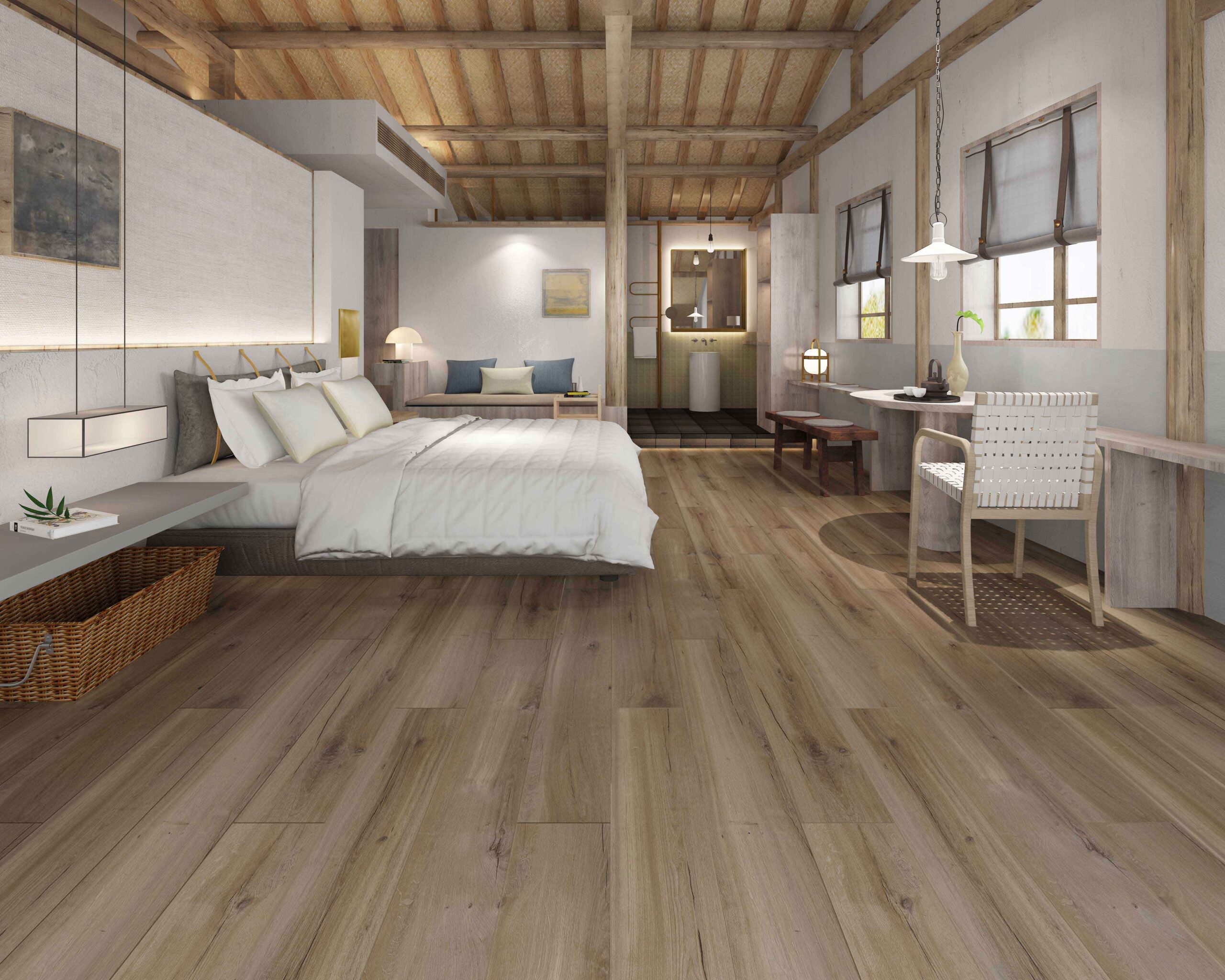
Vinyl flooring, particularly SPC or hybrid vinyl, paired with a quality acoustic underlayment is one of the most practical choices for home music rooms. This combination offers several advantages:
- The vinyl surface is smooth enough for rolling equipment, chairs, and music stands.
- Acoustic underlayment significantly reduces impact sound transmission to rooms below.
- The floor is easy to clean — important in a room where you may spend long hours.
- It is waterproof, resisting spills from drinks during practice sessions.
- Available in a range of finishes that suit the aesthetic of a creative space.
For HDB flats and condos, vinyl with underlayment strikes the right balance between acoustic control and practicality. Explore the luxury vinyl flooring collection for options that suit studio environments.
Carpet and Carpet Tiles
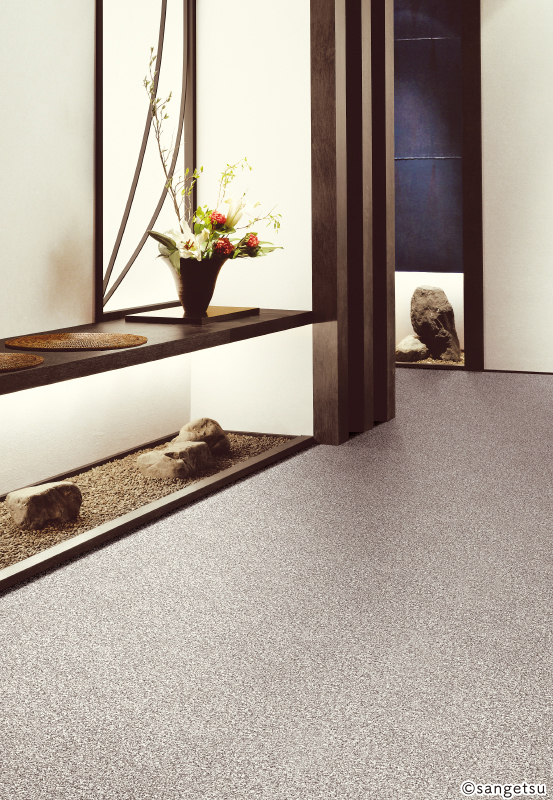
Carpet is the most absorptive flooring option, making it effective at reducing room reflections and creating a sonically dry environment. Recording studios often use carpet for vocal booths and control rooms where a neutral, non-reflective acoustic is essential.
Carpet tiles offer additional flexibility. You can mix carpet tiles with hard-surface areas to create acoustic zones within a single room — for example, a carpeted area for the listening position and a hard floor beneath the instrument area for a more natural resonance.
The carpet collection includes options in various pile heights and densities suited to different acoustic requirements.
However, carpet absorbs primarily high-frequency sound. Low-frequency energy — bass, kick drums — passes through carpet largely unaffected. If bass isolation is your main concern, carpet alone will not solve it.
Engineered Hardwood
Many professional studios use hardwood flooring for its balanced acoustic properties. It reflects sound enough to maintain a natural liveliness without the harsh brightness of tiles. The slight warmth and resonance of wood complement acoustic instruments particularly well.
In Singapore, engineered hardwood is more practical than solid timber due to humidity resistance. However, it is a more expensive option and requires careful maintenance. For a home practice room rather than a professional studio, vinyl with a wood-grain finish offers a similar aesthetic at a more accessible price point.
Sound Isolation vs Sound Treatment
It is important to distinguish between sound isolation (preventing sound from leaving the room) and sound treatment (controlling how sound behaves within the room). Flooring contributes to both, but in different ways.
For sound isolation: Focus on mass, decoupling, and damping. A floating floor system — vinyl or other material on an acoustic underlayment over the structural slab — decouples the floor surface from the building structure, reducing the transmission of impact and airborne sound to adjacent spaces.
For sound treatment: The floor surface itself matters. Hard floors reflect, soft floors absorb. Most music rooms benefit from a moderately reflective floor combined with absorption on the walls and ceiling, allowing you to control the room’s overall acoustic character through targeted treatment.
Practical Considerations for Singapore Homes
HDB flats. Sound isolation is the primary concern. Impact noise from drums, foot-tapping, or heavy bass travels directly through the concrete slab to the unit below. A floating vinyl floor with a dense rubber underlayment provides the most practical level of impact isolation without major construction. Pair this with rugs in the immediate playing area for additional absorption.
Condominiums. Many condo management corporations have noise restrictions and flooring requirements. Check your building’s guidelines before selecting flooring. Hybrid vinyl with built-in acoustic backing may meet sound transmission requirements while simplifying installation.
Landed properties. With more flexibility and less concern about downstairs neighbours, you can optimise for sound quality rather than isolation. A hardwood or high-quality vinyl floor with selective rug placement allows you to tune the room’s acoustics to your preference.
Bomb shelters as practice rooms. The thick concrete walls of an HDB bomb shelter provide natural sound isolation. The flooring focus here shifts to comfort and acoustic treatment within the room. A floating vinyl floor softens the concrete surface and adds warmth to the space. Remember that all modifications must be removable per SCDF regulations.
Setting Up Your Music Room Floor
Once you have selected your flooring, consider these finishing touches:
- Drum rugs and isolation pads. Place a thick rug or dedicated drum rug under drum kits and amplifiers. This adds both absorption and vibration isolation beyond what the floor itself provides.
- Cable management. A smooth vinyl or hardwood floor makes cable routing easier and safer. Use cable covers or run cables along skirting boards to prevent tripping hazards.
- Equipment protection. Use furniture pads under heavy amplifiers, speakers, and equipment racks. This protects the floor surface and prevents indentations, especially on vinyl flooring.
- Seating comfort. If you practise seated for long periods, the slight cushioning of vinyl with underlayment is noticeably more comfortable than bare tiles or concrete.
- Temperature and humidity control. Musical instruments, particularly wooden ones, are sensitive to humidity and temperature fluctuations. A climate-controlled room with consistent air-conditioning protects both your instruments and your flooring. Vinyl and carpet handle Singapore’s humidity well, but maintaining a stable indoor environment benefits everything in the room.
Combining Flooring Types for Optimal Results
Some music rooms benefit from a mixed-material approach. You might install vinyl flooring as the base throughout the room, then layer area rugs and carpet tiles strategically based on your acoustic needs.
For example, a singer-songwriter might prefer vinyl beneath their chair for easy movement and cable management, with a thick rug under the microphone position to absorb reflections that could colour the recorded sound. A drummer might have vinyl throughout with a dense drum rug isolating the kit from the floor structure.
This layered approach gives you flexibility to adjust the room’s acoustics as your needs evolve, without committing to a permanent floor treatment that may not suit every use case. It is also practical in rented spaces where the base flooring must remain removable.
For tailored advice on flooring for your music room or home studio, book an appointment with our design consultants. We can help you balance acoustic performance, aesthetics, and practicality for your specific setup.
Browse our e-catalogue for the latest designs.