Carpet & Flooring
Microcement Flooring in Singapore: Costs and Applications
Microcement flooring in Singapore has become a go-to choice for homeowners and designers seeking a seamless, contemporary look without the cold, industrial feel of raw concrete. This thin, polymer-modified cement coating can be applied over existing surfaces to create smooth, jointless floors that suit everything from minimalist HDB flats to high-end commercial spaces.
This guide covers what microcement is, where it works best, realistic cost expectations for Singapore projects and important considerations before you commit.
What Is Microcement?
Microcement (also spelt micro cement or micro-cement) is a decorative coating made from a blend of cement, fine aggregates, polymers and mineral pigments. Applied in layers just 2 to 3 mm thick, it bonds to most existing substrates including concrete, tiles, screed and even plywood.
The result is a continuous, grout-free surface with a subtle, organic texture. Each application is unique because the material is hand-trowelled, giving every floor a slightly different character, much like a limewash wall finish but underfoot.
Why Microcement Is Popular in Singapore
- Seamless appearance: No grout lines, no joints, no visual interruptions. This makes small spaces appear larger, which is a significant advantage in compact HDB and BTO flats.
- Applied over existing surfaces: Microcement can be laid directly over existing tiles or screed, avoiding the cost, noise and dust of hacking. This is a major benefit in Singapore condos where renovation noise restrictions are strict.
- Versatile aesthetics: Available in a wide spectrum of colours and textures, from smooth polished finishes to rougher, more industrial looks. It suits minimalist, Scandinavian, industrial and wabi-sabi design styles.
- Thin profile: At just 2 to 3 mm, microcement does not significantly raise floor levels, which avoids issues with door clearances and transitions between rooms.
Where to Use Microcement Flooring
Living Rooms and Bedrooms
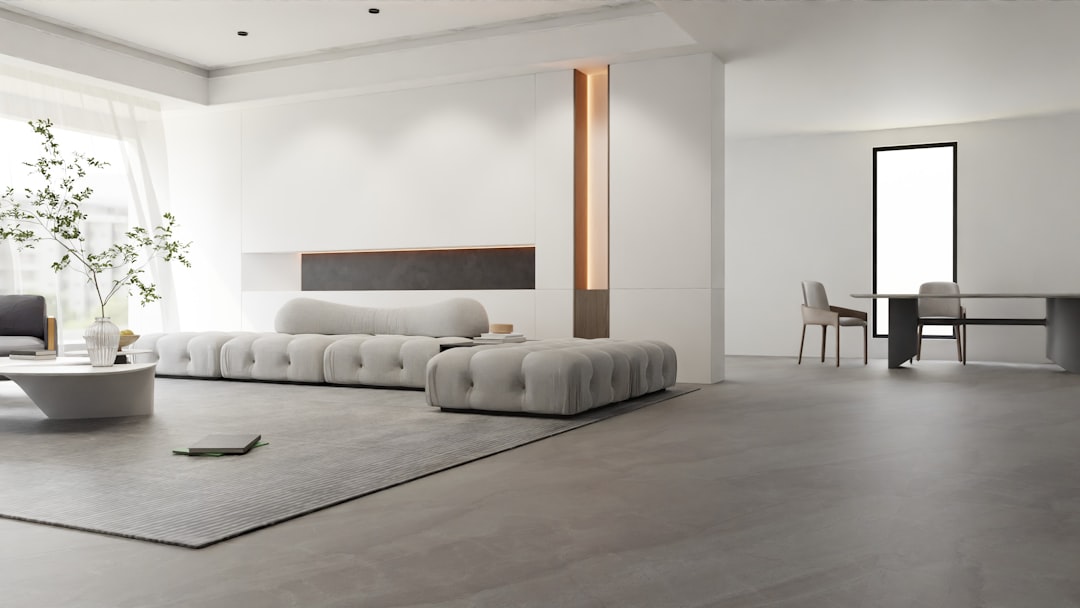
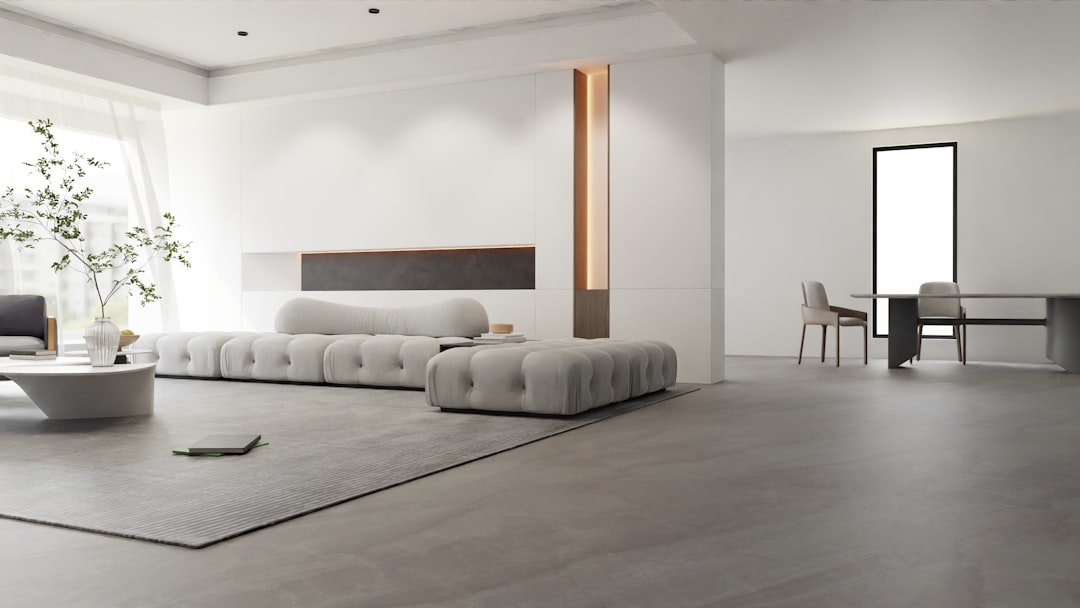
The seamless look of microcement is most impactful in open-plan living areas where a continuous floor surface visually unifies the space. In bedrooms, its smooth, matte finish creates a calm, grounding atmosphere.
Kitchens
Microcement works well in kitchens when properly sealed. The jointless surface is easy to clean and hygienic, with no grout lines to trap food particles or moisture.
Bathrooms and Wet Areas
With the right sealer and a non-slip additive, microcement can be used on bathroom floors, shower walls and vanity surfaces. The seamless finish creates a spa-like aesthetic that is increasingly popular in Singapore homes.
Commercial Spaces
Retail stores, restaurants, cafes and offices in Singapore use microcement for its modern, design-forward appearance. It creates a polished backdrop that lets products and branding stand out.
Microcement Flooring Costs in Singapore
Microcement is a premium finish, and costs reflect the skill and time required for application.
| Component | Estimated Cost |
|---|---|
| Material and application (floors) | S$25 – S$50 per square foot |
| Material and application (walls) | S$20 – S$45 per square foot |
| Surface preparation (if needed) | S$3 – S$8 per square foot |
| Sealer and topcoat | Usually included in application cost |
For a standard 4-room HDB flat (approximately 900 sq ft of floor area), a full microcement floor could cost between S$22,000 and S$45,000, depending on the brand, finish and preparation work. Applying microcement to selected areas only, such as the living room and kitchen, brings costs down significantly.
These figures are substantially higher than tile or vinyl flooring, which is why many homeowners reserve microcement for specific feature areas rather than the entire home.
Advantages of Microcement Flooring
- No hacking required: Overlay application saves time, money and disruption compared to removing existing tiles.
- Customisable colour: Microcement can be tinted to virtually any colour, from pale grey and warm sand to deep charcoal and terracotta.
- Continuous surface: The absence of grout lines makes cleaning easier and gives small spaces a more expansive feel.
- Works on multiple surfaces: Floors, walls, countertops, staircases and even furniture can all be coated in microcement for a cohesive look.
Limitations and Considerations
Microcement is not without drawbacks, and understanding these is essential before investing.
- Cracking risk: Microcement is a rigid finish that can develop hairline cracks if the substrate moves or settles, which is a concern in older HDB blocks. A flexible primer and mesh reinforcement reduce but do not eliminate this risk.
- Maintenance requirements: The sealer needs to be reapplied periodically, typically every two to five years, to maintain water resistance and stain protection. Without proper sealing, microcement is porous and can stain.
- Professional application only: Microcement must be applied by skilled craftsmen. Poor application leads to uneven colour, rough patches and premature failure. Always check the installer’s portfolio and references.
- Not truly waterproof: While sealed microcement resists water, it is not fully waterproof in the same way as tiles. Prolonged standing water, such as in poorly drained shower areas, can eventually compromise the sealer.
- Limited repairability: Localised damage is difficult to patch seamlessly because colour matching is challenging with a hand-applied material.
Microcement vs Other Flooring Options
If the cost or maintenance of microcement gives you pause, consider these alternatives that achieve a similar seamless or industrial aesthetic.
- Luxury vinyl tile (LVT): Available in concrete and stone effects, LVT delivers a seamless look at a fraction of the cost. It is also waterproof, durable and easy to replace. Explore luxury vinyl options for Singapore homes.
- Epoxy flooring: Another seamless coating, epoxy is more chemical-resistant than microcement but has a more commercial, glossy appearance.
- Polished concrete: If you are working with a bare concrete slab, polishing it directly achieves a similar industrial look without the overlay.
For a broader view of what is available, browse the full flooring collection at Goodrich Global to compare materials and finishes.
Final Thoughts
Microcement flooring is a striking, design-forward choice that can transform Singapore interiors into seamless, contemporary spaces. It demands a higher investment and more careful maintenance than conventional flooring, but for homeowners who value its unique aesthetic, the result is well worth the commitment.
Considering your flooring options? Get a free quote for your project today and let our team help you find the best flooring solution for your space.