Carpet & Flooring
Noise Reduction Flooring Options for Apartments
Noise reduction flooring is a priority for apartment dwellers in Singapore, where high-rise living means your footsteps, dropped objects, and furniture movement directly affect the neighbours below. With HDB flats, condominiums, and executive apartments sharing concrete floor slabs between units, selecting the right flooring material and underlay system can dramatically reduce impact sound transmission and improve quality of life for everyone in the building.
Understanding Impact Noise vs Airborne Noise
Before selecting noise reduction flooring, it helps to understand the two main types of sound transmission in apartments.
Impact noise is generated by direct contact with the floor — footsteps, children running, objects being dropped, or furniture being dragged. This sound travels through the floor structure as vibration and is heard in the unit below as a thud, bang, or tapping sound. Impact noise is measured using the Impact Insulation Class (IIC) rating; higher numbers indicate better insulation.
Airborne noise includes voices, music, and television sound that travels through the air and penetrates floors via gaps, thin construction, or resonance. Airborne sound is measured using the Sound Transmission Class (STC) rating. While flooring choice has a moderate effect on airborne noise, its primary influence is on impact noise reduction.
Best Flooring Materials for Noise Reduction
Different flooring materials offer varying levels of acoustic performance. Here is how the main options compare for Singapore apartments.
Carpet and Carpet Tiles
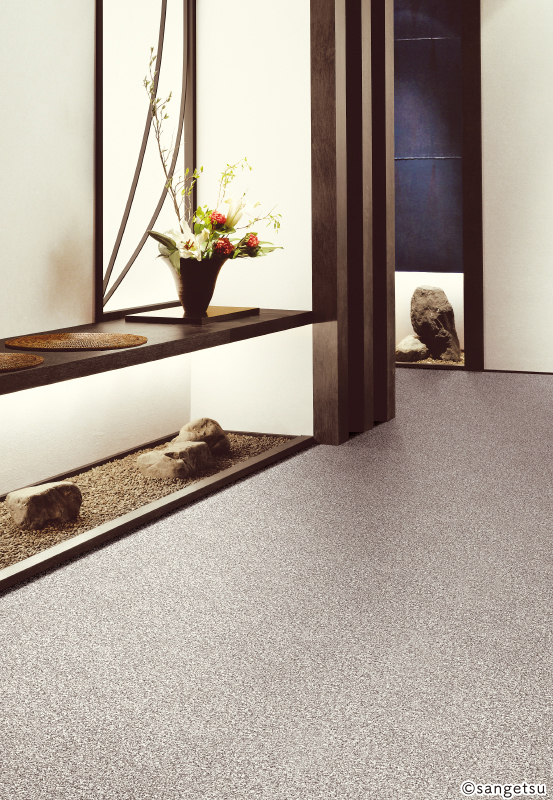
Carpet provides the best impact noise reduction of any flooring material, with typical IIC improvements of 20 to 35 points over bare concrete. The soft, fibrous surface absorbs impact energy before it reaches the structural slab. For Singapore bedrooms and living areas, quality carpet products combine acoustic performance with comfort and warmth.
Luxury Vinyl Tiles (LVT)
LVT’s multi-layer construction includes a resilient core that absorbs vibration, providing moderate impact noise reduction (IIC improvement of 10 to 18 points). Products with an integrated cork or foam backing layer perform better acoustically than those without. LVT is a versatile choice for Singapore apartments where moisture resistance and design variety are also required.
SPC Flooring with Acoustic Underlay
SPC’s rigid stone-polymer core transmits more impact noise than flexible LVT. However, when paired with a dedicated acoustic underlay, SPC systems can achieve IIC improvements of 15 to 22 points. The underlay decouples the rigid plank from the concrete subfloor, interrupting the vibration path.
Cork Flooring
Natural cork is an excellent acoustic insulator, offering IIC improvements comparable to carpet. It is warm underfoot, naturally antimicrobial, and available in modern designs. However, cork is less common in Singapore and requires careful sealing to resist humidity-related swelling.
The Role of Acoustic Underlay
For vinyl and laminate flooring, acoustic underlay is the single most effective addition for noise reduction. Underlay materials include closed-cell foam, rubber, cork, and felt, each offering different levels of impact sound insulation.
| Underlay Material | Typical Thickness | IIC Improvement | Best For |
|---|---|---|---|
| Closed-cell foam | 1.5 – 3 mm | 8 – 14 points | LVT and SPC floating floors |
| Rubber | 2 – 5 mm | 14 – 22 points | High-performance applications |
| Cork | 2 – 6 mm | 12 – 20 points | Eco-conscious projects |
| Felt | 3 – 5 mm | 10 – 16 points | Carpet and broadloom |
Always verify that the underlay is compatible with your chosen flooring product. Using an incompatible underlay can void the flooring warranty, affect click-lock joint integrity, or create an unstable surface that feels spongy underfoot.
Noise Reduction Strategies for Different Rooms
Each room in a Singapore apartment has different acoustic priorities.
- Bedrooms: Carpet or LVT with acoustic underlay provides the quietest surface for nighttime movement. Felt pads under bed legs prevent scraping sounds.
- Living and dining areas: LVT or SPC with underlay balances noise reduction with the durability needed for heavier furniture and foot traffic.
- Children’s playrooms: Carpet tiles or thick cork flooring absorbs the high-impact noise of running, jumping, and toy dropping — the sounds most likely to generate complaints from downstairs neighbours.
- Kitchens: Vinyl flooring provides waterproofing and moderate noise reduction. Rubber matting at the sink and stove areas adds localised acoustic and comfort benefits.
Singapore Regulations and Neighbourly Considerations
While Singapore does not mandate a specific IIC rating for residential flooring renovations, the Building and Construction Authority (BCA) has published guidelines on noise control in residential buildings. HDB renovation guidelines require that flooring renovations do not worsen noise transmission to neighbouring units.
In practice, this means avoiding hard surfaces like marble or porcelain tiles directly on a thin screed without acoustic treatment. If you are replacing existing carpet with a hard flooring material, adding an acoustic underlay is a responsible and often necessary step to maintain acceptable noise levels for your downstairs neighbours.
Condominium management corporations (MCSTs) may have their own by-laws regarding flooring materials and acoustic requirements. Check with your condo management before committing to a flooring type, as some developments require acoustic testing or pre-approval of materials.
Final Thoughts
Noise reduction flooring is both a personal comfort investment and a neighbourly responsibility in Singapore’s high-rise living environment. Whether you choose carpet for maximum quietness or vinyl with acoustic underlay for versatility, prioritising sound insulation during your renovation delivers lasting benefits for your household and your neighbours.
Request free samples from our Singapore showroom to compare acoustic flooring options for your apartment.