Carpet & Flooring
Parquet vs Vinyl Flooring in Singapore: Full Comparison
Parquet vs vinyl flooring is a comparison that comes up in nearly every Singapore renovation project. Both materials can deliver the warm, natural wood aesthetic that homeowners love, but they differ fundamentally in composition, performance, and suitability for our tropical climate.
This guide breaks down the key differences so you can choose the right flooring for your HDB flat, condominium, or landed property.
What is Parquet Flooring?
Parquet flooring is made from real hardwood, arranged in geometric patterns such as herringbone, chevron, or basket weave. Traditional solid parquet consists of small blocks of timber glued directly to the subfloor, while engineered parquet features a hardwood veneer bonded to a plywood or HDF core.
Engineered parquet is far more common in Singapore today because it handles humidity better than solid wood. The cross-layered construction resists expansion and contraction, making it more dimensionally stable in our consistently warm and humid environment.
Popular timber species for parquet in Singapore include teak, oak, walnut, and merbau. Each species has a distinct grain pattern, colour tone, and hardness rating that influences both appearance and durability.
What is Vinyl Flooring?
Vinyl flooring is a synthetic product made from PVC and other polymers. Modern luxury vinyl tiles (LVT) and SPC (stone polymer composite) planks use high-resolution photographic layers to replicate the look of natural wood, stone, or concrete with remarkable accuracy.
The key structural difference is that vinyl is entirely man-made and contains no natural wood. This gives it inherent advantages in moisture resistance and dimensional stability, but it also means it lacks the tactile warmth and ageing character of genuine timber.
Vinyl flooring is available in glue-down, click-lock, and loose-lay formats, each suited to different installation scenarios and subfloor conditions.
Head-to-Head Comparison
| Feature | Parquet (Engineered) | Vinyl (LVT / SPC) |
|---|---|---|
| Material | Real hardwood veneer on plywood core | PVC layers with photographic print |
| Water resistance | Moderate (can warp with prolonged exposure) | Excellent (waterproof core) |
| Durability | Can be sanded and refinished 2-3 times | Cannot be refinished; replace when worn |
| Comfort underfoot | Warm and natural | Softer and more cushioned |
| Sound insulation | Good with underlay | Good with underlay |
| Installation | Professional recommended | DIY-friendly (click-lock) or professional |
| Climate suitability | Engineered handles humidity reasonably well | Excellent in tropical conditions |
| Lifespan | 15-25 years (with refinishing) | 10-20 years |
| Cost per sq ft | Higher | Lower to moderate |
| Resale value | Adds perceived value to property | Neutral to modest impact |
Performance in Singapore’s Climate
Singapore’s year-round humidity of 70-90% is one of the most important factors in this comparison. Moisture is the natural enemy of wood flooring, and even engineered parquet can experience minor gaps between planks during particularly dry periods when air conditioning runs continuously.
Vinyl flooring is largely unaffected by humidity fluctuations. SPC flooring, in particular, has near-zero expansion and contraction, making it the more predictable option for rooms with variable climate control.
For areas with direct water exposure, such as kitchens, utility rooms, and bathrooms, vinyl is the clear winner. Parquet should never be installed in wet areas, whereas waterproof vinyl handles occasional splashes and spills without issue.
In air-conditioned bedrooms and living rooms, both materials perform well, though parquet owners should maintain a consistent indoor humidity level between 55% and 70% to prevent excessive movement in the timber.
Aesthetics and Design Flexibility
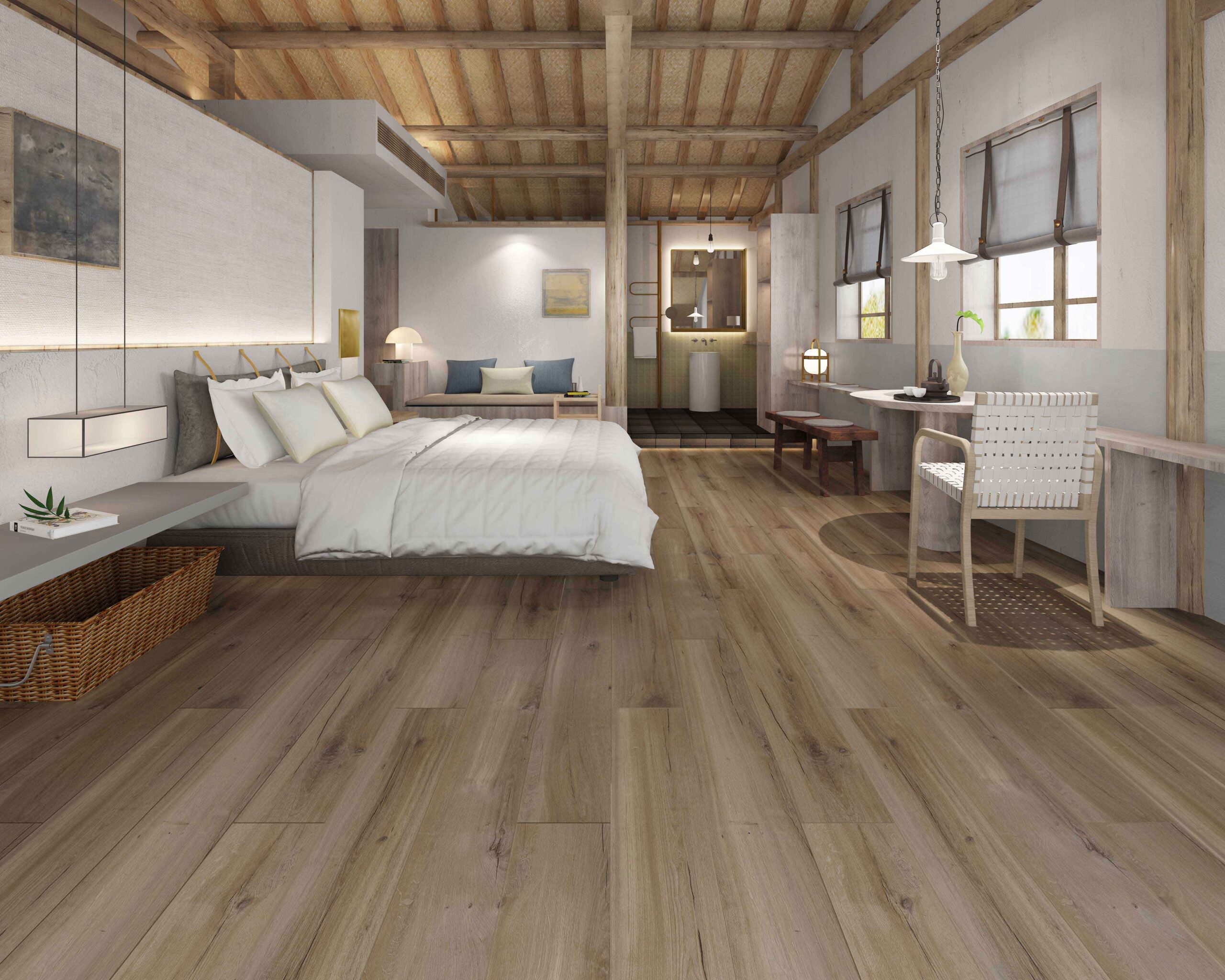
Parquet offers something vinyl cannot fully replicate: the look and feel of genuine wood. Each plank has unique grain variations, natural colour depth, and a tactile quality that even the best photographic prints cannot perfectly match. Over time, parquet develops a patina that many homeowners find adds character and warmth to a space.
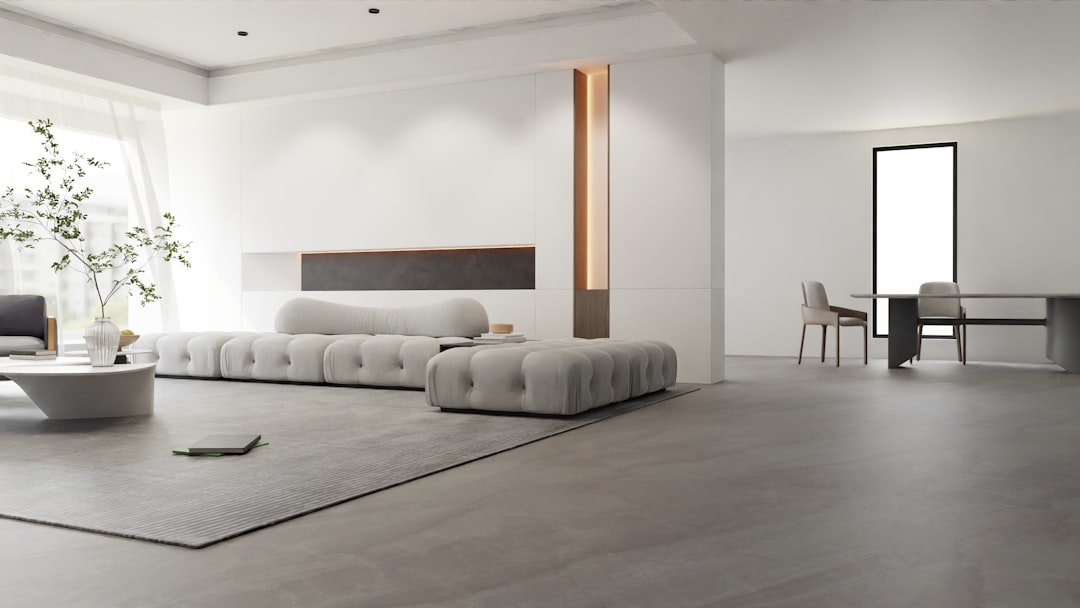
Vinyl, however, offers far greater design versatility. Beyond wood looks, vinyl flooring can replicate marble, terrazzo, concrete, and other materials. It is available in a wider range of colours, patterns, and plank sizes, allowing for more creative design possibilities.
For heritage-style interiors, parquet in herringbone or chevron patterns remains the gold standard. For contemporary, minimalist, or industrial-inspired designs, vinyl provides more options at a lower price point.
Cost Considerations for Singapore Homeowners
The total cost of flooring includes material, installation, underlay, and long-term maintenance. Parquet typically costs more upfront, with premium engineered options running significantly higher per square foot than mid-range vinyl.
However, parquet can be sanded and refinished multiple times over its lifespan, effectively resetting its appearance. This extends its useful life and can offset the higher initial investment. Vinyl cannot be refinished; once the wear layer is worn through, the floor must be replaced.
For HDB resale flats where homeowners plan to sell within five to ten years, vinyl offers good value. The lower cost and quick installation mean you get an attractive floor without a major financial commitment. For landed properties and condominiums where long-term ownership is the plan, parquet may deliver better value over two or three decades.
Factor in maintenance costs as well. Parquet requires periodic recoating and occasional professional cleaning. Vinyl needs only regular sweeping and mopping, with no specialist maintenance.
Which Rooms Suit Which Material?
A practical approach used by many Singapore homeowners is to combine both materials within the same home.
- Living and dining rooms: Either material works well. Parquet adds a premium feel; vinyl offers worry-free maintenance for families with young children.
- Bedrooms: Both are comfortable underfoot. Parquet’s natural warmth is appreciated in sleeping areas.
- Kitchen: Vinyl is the safer choice due to water and spill exposure.
- Bathrooms and toilets: Vinyl only. Never install parquet in wet areas.
- Home office / Study: Either material performs well. Consider the chair castor impact; vinyl resists indentation better than softer timbers.
- Balcony: Neither standard parquet nor indoor vinyl is suitable. Consider composite outdoor decking instead.
Final Thoughts
The parquet vs vinyl flooring decision ultimately depends on your priorities. If you value authenticity, long-term character, and are prepared to invest in maintenance, parquet is a rewarding choice. If you prioritise moisture resistance, ease of care, and design flexibility at a lower cost, vinyl delivers excellent results.
Many Singapore homes benefit from a combination of both, using each material where it performs best.
Request free samples from our Singapore showroom to compare parquet and vinyl options side by side.