Carpet & Flooring
SPC Flooring Singapore: Complete Buyer’s Guide
What Is SPC Flooring?
SPC stands for Stone Polymer Composite (sometimes called Stone Plastic Composite). It is a type of rigid-core vinyl flooring that has gained significant popularity in Singapore for both residential and commercial applications. Unlike traditional vinyl flooring, which relies on flexible PVC layers, SPC flooring features a dense, rigid core made from a combination of limestone powder, polyvinyl chloride, and stabilisers.
This stone-based core gives SPC flooring exceptional dimensional stability — meaning it resists expansion and contraction caused by temperature and humidity changes. For Singapore’s tropical climate, where humidity levels regularly exceed 80%, this is a critical advantage.
SPC Flooring Construction: Understanding the Layers
SPC flooring is engineered in multiple layers, each serving a specific function. Understanding these layers helps you evaluate product quality and suitability for your project.
Layer Breakdown
| Layer | Material | Function |
|---|---|---|
| UV coating | Transparent UV-cured finish | Protects against fading and staining |
| Wear layer | Clear PVC film | Resists scratches, scuffs, and abrasion |
| Decorative layer | Printed vinyl film | Provides the visual design (wood, stone, etc.) |
| SPC core | Limestone + PVC + stabilisers | Provides rigidity, dimensional stability, waterproofing |
| Underlayment (optional) | IXPE or cork foam | Sound absorption, thermal insulation, cushioning |
The SPC core is what distinguishes this flooring from other vinyl products. Comprising approximately 60-70% limestone (calcium carbonate) and 30-40% PVC with stabilisers, the core is extremely dense and rigid. This density contributes to the flooring’s stability, impact resistance, and its satisfying, solid feel underfoot.
Why SPC Flooring Suits Singapore’s Climate
Singapore presents unique challenges for flooring materials. High ambient humidity, frequent use of air-conditioning (which creates temperature differentials), and exposure to moisture in kitchens and bathrooms all affect flooring performance. SPC flooring addresses these challenges effectively.
- Dimensional stability: The rigid core does not expand or contract significantly with humidity changes, unlike laminate or solid timber
- 100% waterproof: The stone polymer core does not absorb moisture, making SPC suitable for wet areas
- Temperature resistance: SPC handles the transition between air-conditioned rooms and non-air-conditioned spaces without warping
- Mould resistance: The inorganic core does not support mould or mildew growth — important in humid tropical environments
- Indentation resistance: The dense core resists denting from heavy furniture, a common concern in smaller Singapore homes where furniture placement is permanent
Wear Layer Ratings Explained
The wear layer is the clear protective film on top of the decorative layer. Its thickness, measured in millimetres (mm), directly affects the flooring’s durability and lifespan. Choosing the right wear layer rating depends on the level of foot traffic your space receives.
| Wear Layer Thickness | Suitability | Expected Lifespan |
|---|---|---|
| 0.1 – 0.3 mm | Light residential (bedrooms, guest rooms) | 5-10 years |
| 0.3 – 0.5 mm | General residential (living rooms, dining areas) | 10-15 years |
| 0.5 – 0.7 mm | Heavy residential / light commercial | 15-20 years |
| 0.7 mm and above | Commercial spaces (offices, retail) | 20+ years |
For most Singapore homes — whether HDB flats, condos, or landed properties — a wear layer of 0.3 to 0.5 mm provides a good balance between durability and value. Households with pets or young children may benefit from a thicker wear layer for added scratch resistance.
Where to Use SPC Flooring in Your Home
One of SPC flooring’s greatest strengths is its versatility. Its waterproof, stable construction makes it suitable for virtually every room in a Singapore home.
Living and Dining Areas
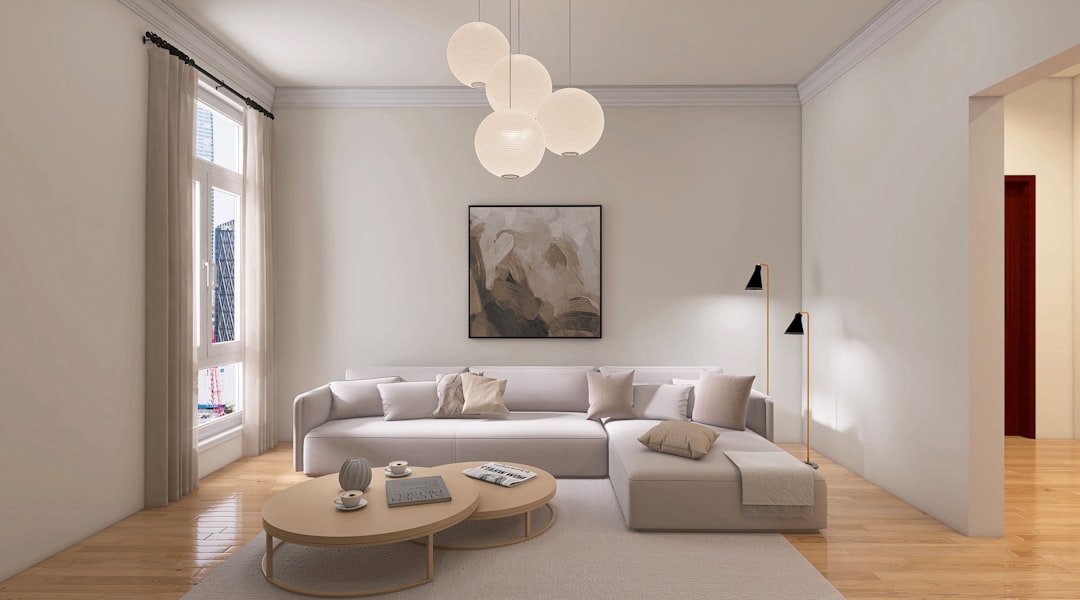
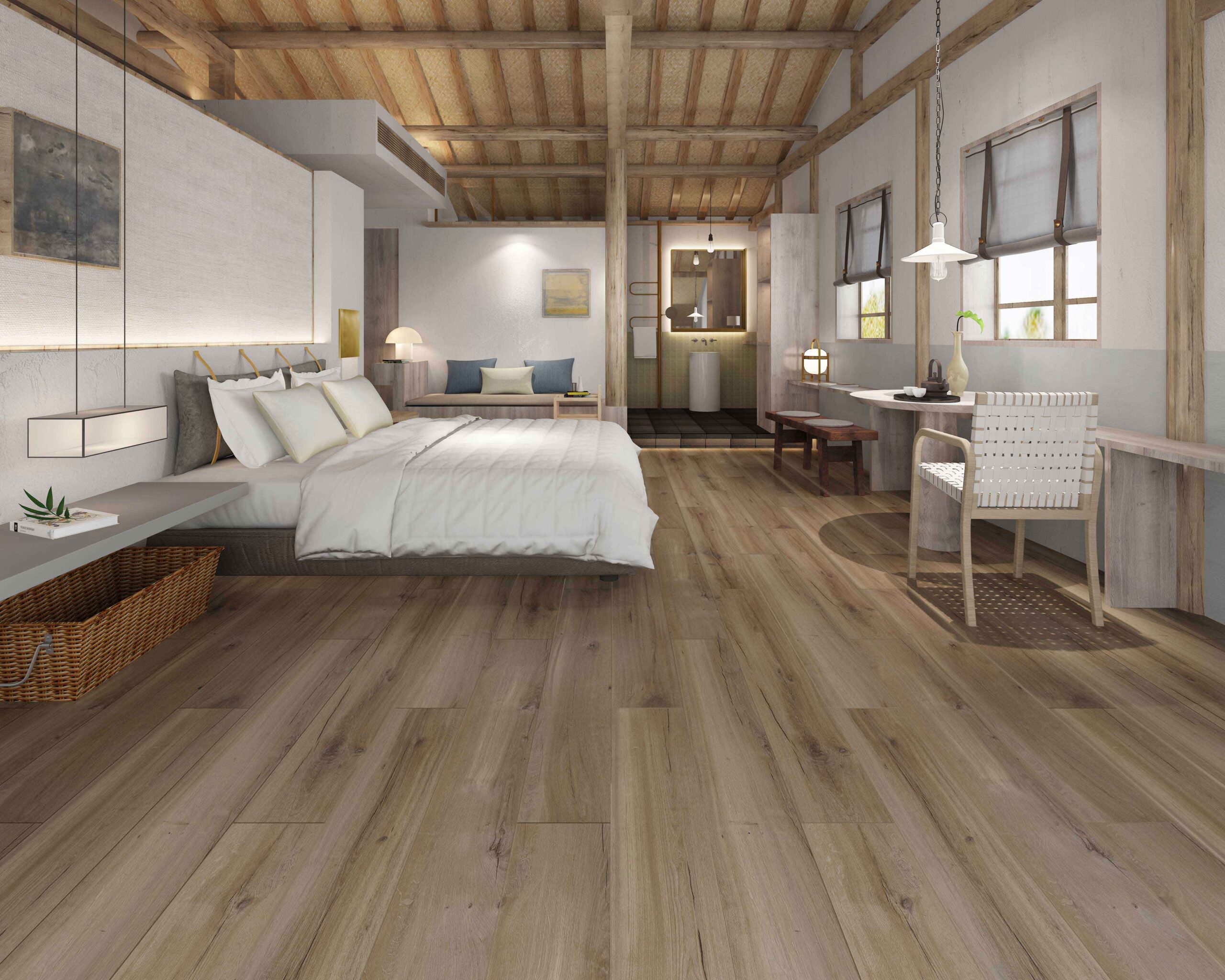
SPC flooring excels in high-traffic living spaces. The rigid core provides a firm, stable feel underfoot, and the wear layer protects against scuffs from furniture movement. Timber-look SPC planks in warm oak or walnut tones create an inviting atmosphere.
Bedrooms
Quieter rooms benefit from SPC products with attached IXPE or cork underlayment, which adds a softer feel and improves sound insulation. This is particularly valuable in condos and HDB flats where noise transmission between floors is a concern.
Kitchens
The waterproof core makes SPC ideal for kitchens, including wet kitchens common in Singaporean homes. Oil, water, and food spills wipe away without staining or damaging the flooring.
Bathrooms and Toilets
SPC can be installed in bathrooms, though proper attention to waterproofing at the subfloor level and around edges is essential. The flooring itself will not be damaged by water, but moisture must not be allowed to seep beneath the planks. Textured, slip-resistant SPC options are available for wet areas.
Commercial Spaces
Offices, retail shops, clinics, and restaurants across Singapore use SPC flooring for its durability and ease of maintenance. Commercial-grade products with thicker wear layers handle the demands of heavy daily foot traffic. Explore the full flooring range for both residential and commercial options.
SPC Flooring Thickness: What to Choose
Total SPC flooring thickness (including all layers) typically ranges from 3.5 mm to 8 mm. The overall thickness affects several practical factors:
- 3.5 – 4.5 mm: Suitable for residential spaces with level subfloors; lower profile works well in renovations where door clearance is limited
- 5 – 6 mm: The most common range for residential use; provides good stability and underfoot comfort
- 6 – 8 mm: Premium residential and commercial applications; often includes pre-attached underlayment; excellent sound insulation
Thicker products generally feel more substantial underfoot and provide better sound insulation. However, thinner options work perfectly well when installed over smooth, level subfloors and may be preferred in renovation projects where floor height needs to be minimised.
Installation Methods for SPC Flooring
SPC flooring in Singapore is typically installed using one of two methods, each with distinct advantages.
Click-Lock (Floating) Installation
The most common method for SPC flooring. Planks or tiles lock together via an interlocking click mechanism along the edges. The floor “floats” above the subfloor without adhesive.
Advantages of click-lock installation:
- Faster installation — a typical HDB flat can be completed in one to two days
- No adhesive required, reducing chemical exposure and mess
- Individual planks can be replaced if damaged
- Can be installed over most existing hard floors (tiles, concrete) with minimal preparation
- Allows the floor to move as a unit, accommodating minor subfloor irregularities
Glue-Down Installation
Planks are adhered directly to the subfloor using a suitable adhesive. This method is preferred in certain commercial applications or where maximum stability is required.
Advantages of glue-down installation:
- Eliminates any hollow sound that floating floors may produce
- Lower overall floor height profile
- Better suited for very large open areas
- Reduced movement at plank edges over time
SPC Flooring Maintenance in Singapore
Maintaining SPC flooring is straightforward, which is part of its appeal for busy Singapore households. Follow these basic guidelines for long-lasting results:
- Daily / regular: Sweep or vacuum to remove dust and grit that could cause surface scratches
- Weekly: Damp mop with a neutral pH cleaner; avoid excessive water pooling
- As needed: Wipe spills promptly; use a soft cloth for stubborn marks
- Avoid: Abrasive cleaners, steel wool, wax-based polishes, and steam mops (excessive heat can affect the wear layer)
- Furniture protection: Use felt pads beneath furniture legs to prevent scratching; use castor cups beneath heavy items
Choosing SPC Flooring for Your Singapore Home
When shopping for SPC flooring Singapore homeowners should evaluate several factors beyond aesthetics:
- Wear layer thickness: Match this to your space’s traffic level
- Overall thickness: Consider door clearances and transitions to other floor types
- Underlayment: Pre-attached pads simplify installation and improve acoustic performance
- Locking system quality: Better click mechanisms ensure tighter, more durable joints
- Decorative print quality: Higher-quality products feature more realistic wood or stone patterns with embossed textures that match the printed grain
- Certifications: Look for low-VOC certifications (FloorScore, Greenguard) for indoor air quality assurance
Visiting a showroom to see and feel samples is strongly recommended. Photographs and digital swatches cannot convey the texture, colour accuracy, and feel of SPC flooring. The luxury vinyl and SPC collection can be viewed in person at the Goodrich Gallery.
Get Started with SPC Flooring
SPC flooring offers Singapore homeowners a compelling combination of durability, water resistance, dimensional stability, and aesthetic versatility. Whether you are renovating an HDB flat, fitting out a new condo, or upgrading a commercial space, SPC flooring is worth serious consideration.
See our SPC flooring options in person. Get a free quote for your project today and let our team help you find the right product for your space.