Carpet & Flooring
Vinyl Plank vs Vinyl Tile: Key Differences Explained
Vinyl plank vs vinyl tile is a choice that affects the look, feel, and practical performance of your floor. Both formats use the same core technology — waterproof vinyl construction with photographic design layers — but their shape, size, and typical design patterns create distinctly different aesthetics and installation dynamics.
This guide explains the differences between vinyl planks and vinyl tiles, when each format works best, and how to decide which is right for your project.
What Are Vinyl Planks?
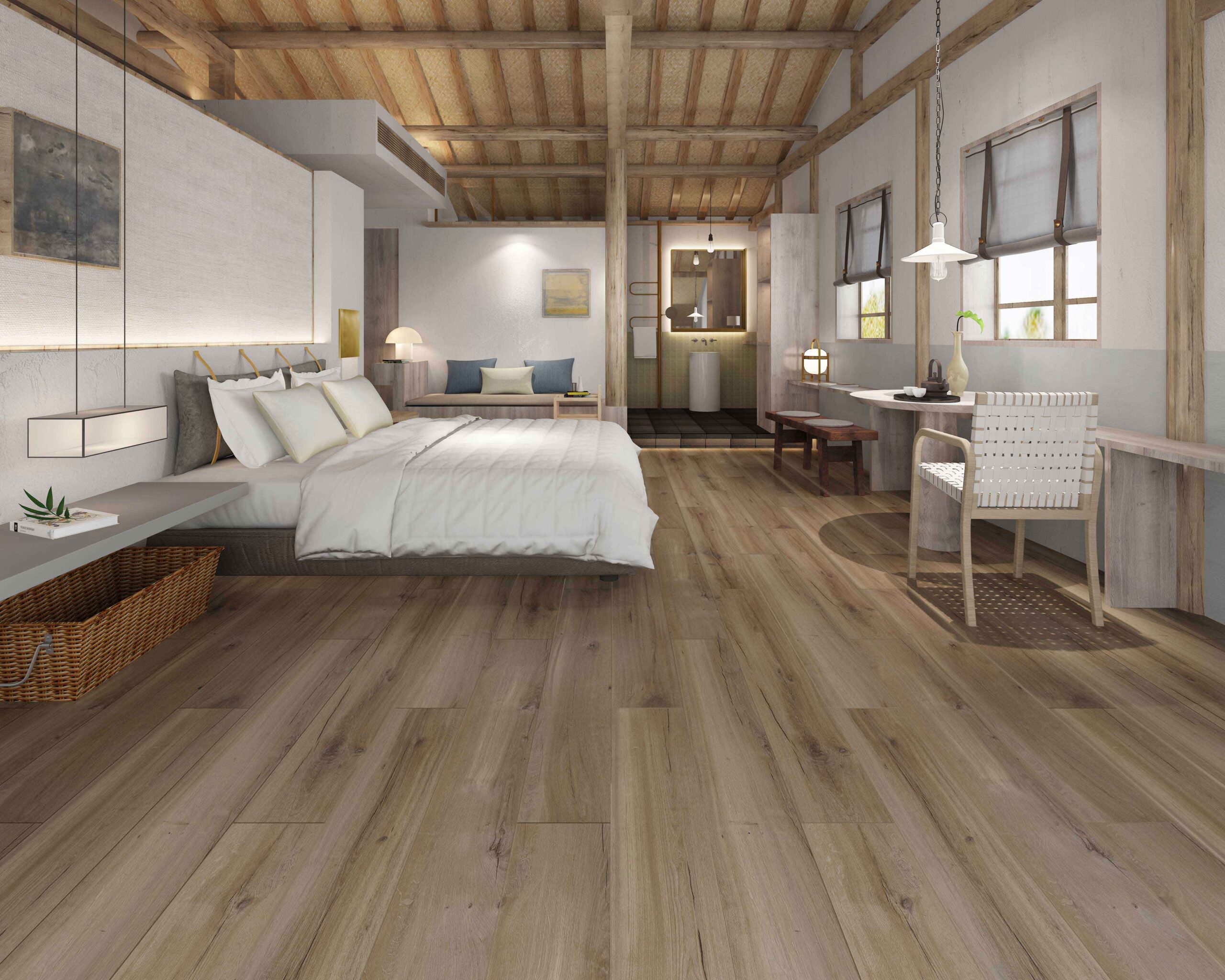
Vinyl planks are long, narrow strips designed to replicate the appearance of natural timber floorboards. Standard plank dimensions range from approximately 150 mm to 230 mm wide and 900 mm to 1,500 mm long. The elongated format creates a linear grain pattern across the floor that convincingly mimics hardwood.
Modern vinyl planks feature high-resolution photographic printing and registered embossing, where the surface texture aligns precisely with the printed wood grain. This produces a remarkably realistic appearance that is difficult to distinguish from real timber, even at close range.
Vinyl planks are available in both LVT (luxury vinyl tile, despite the name) and SPC (stone polymer composite) constructions. Both are 100% waterproof, though SPC offers a more rigid profile while LVT is slightly more flexible.
What Are Vinyl Tiles?
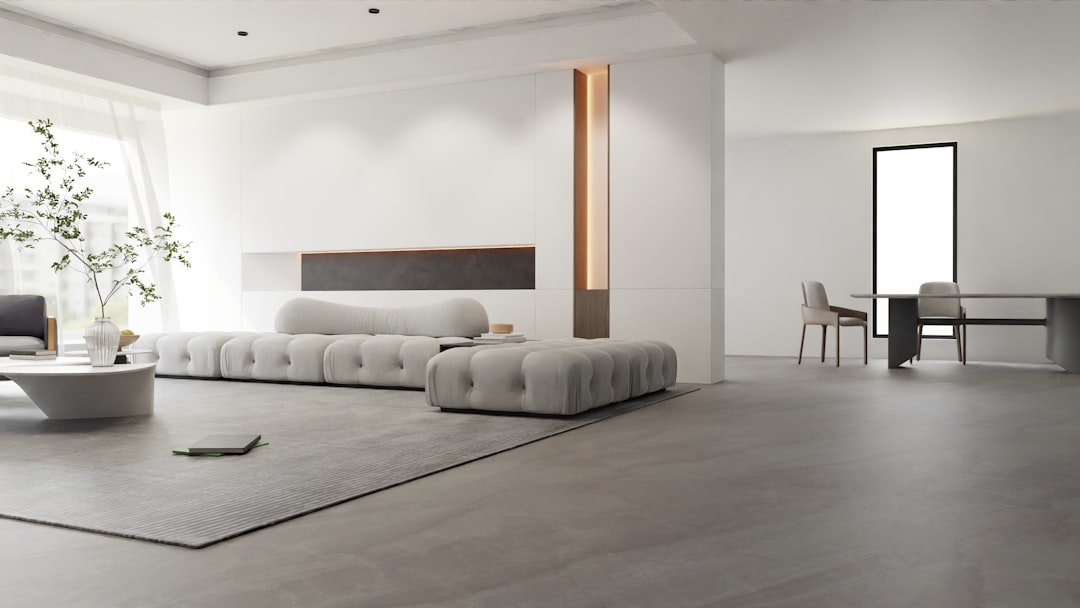
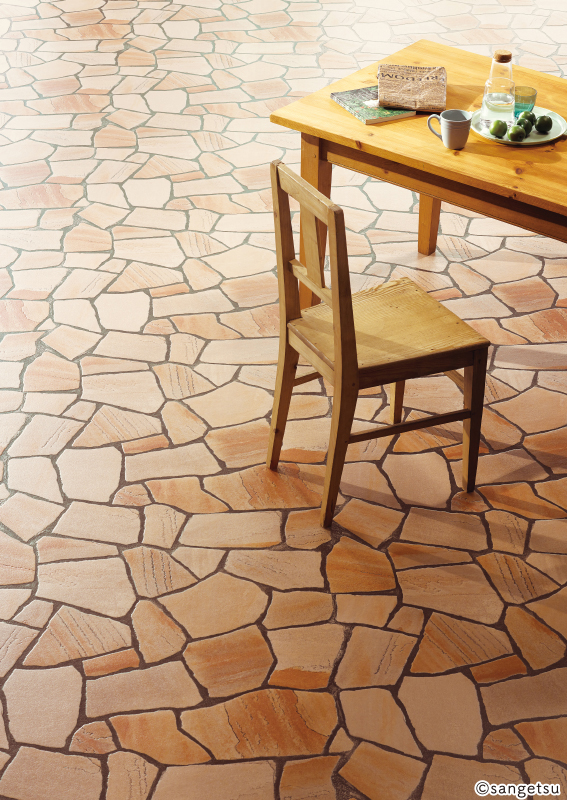
Vinyl tiles are square or near-square pieces designed to replicate stone, marble, terrazzo, concrete, and other hard-surface materials. Standard tile dimensions range from 300 mm x 300 mm to 600 mm x 600 mm, with some manufacturers offering larger formats.
The square format opens up design possibilities that planks cannot achieve. Herringbone, basket-weave, checkerboard, and modular patterns are all possible with vinyl tiles, giving interior designers greater creative flexibility. For spaces where a stone or mineral aesthetic is desired, vinyl tiles deliver the look without the weight, cold feel, and maintenance demands of natural stone.
Like planks, vinyl tiles are available in both LVT and SPC constructions and are fully waterproof.
Key Differences at a Glance
| Feature | Vinyl Plank | Vinyl Tile |
|---|---|---|
| Shape | Rectangular (long, narrow) | Square or near-square |
| Typical design | Wood grain (oak, walnut, teak, etc.) | Stone, marble, terrazzo, concrete |
| Standard sizes | 150–230 mm x 900–1,500 mm | 300 x 300 mm to 600 x 600 mm |
| Installation pattern | Staggered (brick-bond) | Grid, herringbone, modular |
| Visual effect | Warm, natural, linear | Clean, structured, contemporary |
| Waterproof | Yes | Yes |
| Suitability | Living rooms, bedrooms, offices | Kitchens, bathrooms, lobbies, retail |
When to Choose Vinyl Planks
Vinyl planks are the natural choice when you want the warmth and character of timber without the maintenance, moisture vulnerability, or cost. They work particularly well in the following settings.
Residential Living Spaces
In HDB flats, condos, and landed homes, vinyl planks create a warm, inviting atmosphere in living rooms, dining areas, and bedrooms. The linear grain pattern adds visual length to a room, making compact Singapore living spaces feel more spacious.
Open-Plan Layouts
Modern Singapore homes increasingly feature open-concept living, dining, and kitchen zones. Running vinyl planks continuously through these connected spaces creates seamless visual flow and avoids the disjointed look of different materials meeting at transition strips.
Commercial Offices
Vinyl planks in wood-tone finishes bring warmth to office environments without the noise and maintenance issues associated with natural timber. They are commonly specified for reception areas, boardrooms, and co-working spaces.
When to Choose Vinyl Tiles
Vinyl tiles suit spaces where a stone or mineral aesthetic is more appropriate, or where creative laying patterns are part of the design intent.
Bathrooms and Kitchens
Stone and marble looks pair naturally with bathroom and kitchen environments. Vinyl tiles deliver these aesthetics with full waterproof performance and a warmer surface temperature than natural stone — a welcome characteristic for barefoot use in bathrooms.
Retail and Hospitality Spaces
Hotels, restaurants, and retail stores frequently specify vinyl tiles for their ability to replicate premium materials like marble and terrazzo at a fraction of the cost and weight. This is particularly valuable in upper-floor commercial tenancies where structural load limits apply.
Feature Areas and Accent Zones
Using vinyl tiles in a herringbone or chevron pattern in an entryway or dining area creates a striking design focal point. Interior designers often combine vinyl tiles in a feature zone with vinyl planks in surrounding areas for contrast and visual interest.
Mixing Vinyl Planks and Tiles
There is no rule that says you must choose one format for your entire home. In fact, combining vinyl planks and tiles is a popular design strategy.
A typical approach uses vinyl planks in living areas and bedrooms for their timber warmth, then switches to vinyl tiles in a marble or concrete pattern for the kitchen and bathrooms. When both products come from the same manufacturer and have the same thickness and construction type, transitions between the two formats are smooth and professional.
For a unified material palette, choose plank and tile products from the same collection. This ensures consistent quality, thickness, and installation compatibility. Browse Goodrich Global’s luxury vinyl collection to explore matching plank and tile options.
Installation and Maintenance
Both vinyl planks and tiles share the same installation methods — click-lock floating or glue-down — and the same low-maintenance requirements. Daily sweeping and periodic damp mopping with a pH-neutral cleaner keep both formats in top condition.
One practical difference during installation is wastage. Vinyl planks, being longer, generate more off-cuts at room edges and around doorways. Budget approximately 7–10% wastage for planks versus 5–7% for tiles, depending on room geometry.
For both formats, ensure the subfloor is clean, dry, and level before installation. Click-lock products require a flatness tolerance of approximately 3 mm over 3 metres. Glue-down installations demand an even smoother surface.
Final Thoughts
The choice between vinyl plank and vinyl tile ultimately comes down to the design aesthetic you want to achieve. Planks deliver the warmth of timber, while tiles offer the sophistication of stone and greater pattern flexibility. Both formats share the same practical advantages — waterproof construction, durability, and easy maintenance — making either an excellent choice for Singapore homes and commercial spaces.
Book an appointment with our design consultants to see vinyl plank and tile samples in person and get expert advice for your project.